Fears of renewed fighting in Ethiopia's Tigray region grow as cash shortages, empty shelves, and soaring prices return; after the 2020–2022 war that killed hundreds of thousands, experts warn the conflict could spill over and destabilize the Horn of Africa.
The article exposes how the IPC falsely claimed a famine in Gaza to manipulate public opinion and influence policy, highlighting the importance of relying on accurate data and criticizing the spread of false narratives that prolong conflict and fuel anti-Semitism.
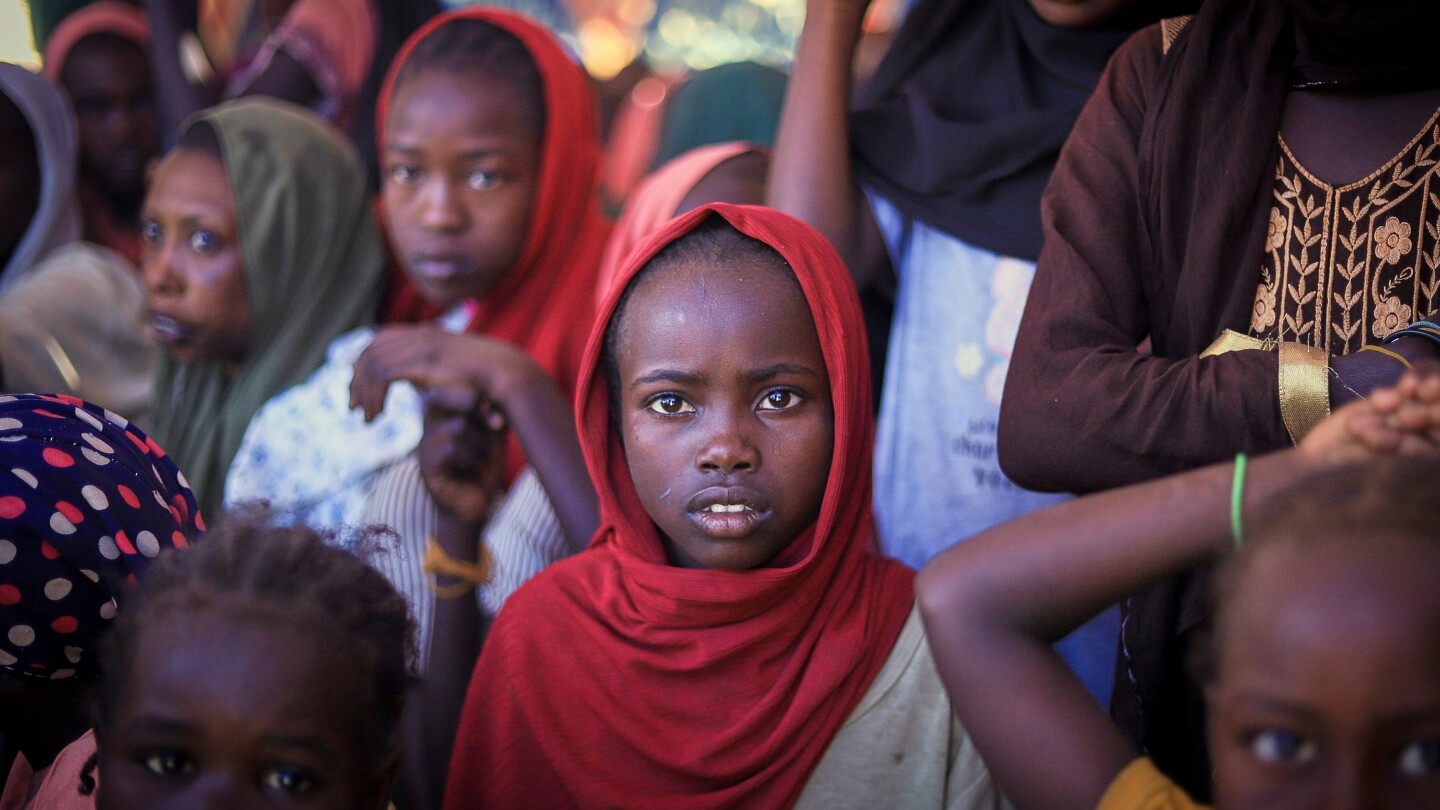
The ongoing conflict in Sudan, starting in April 2023, has led to the worst humanitarian crisis of 2025, with over 14 million displaced, a high death toll, and severe food insecurity affecting nearly half the population, exacerbated by limited aid and escalating violence, especially in Kordofan and Darfur.
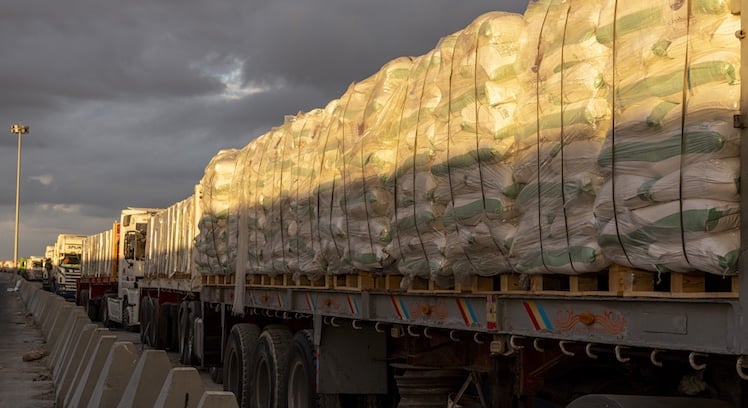
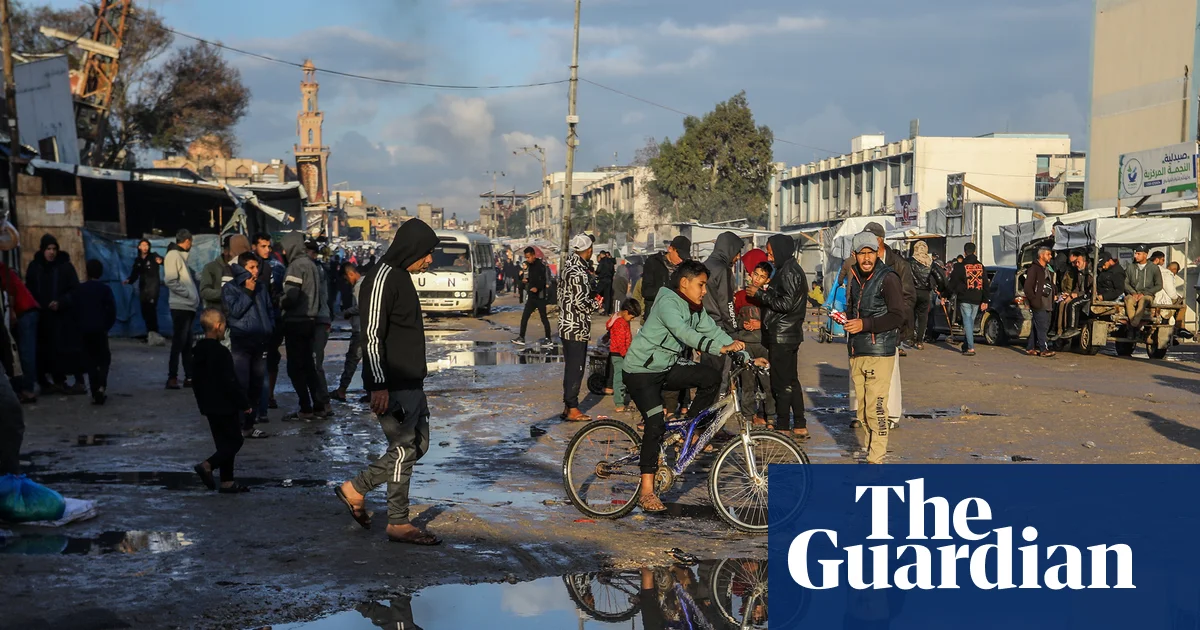
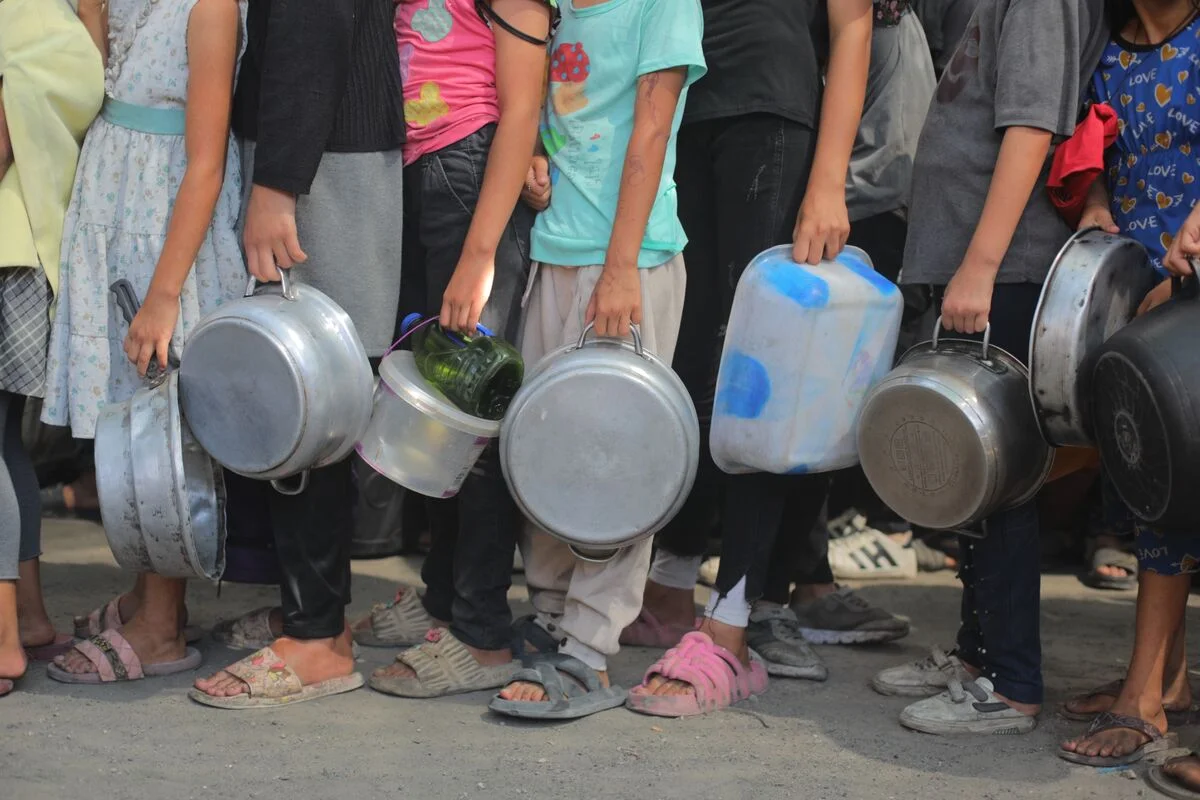
The UN reports that famine in Gaza has ended due to increased aid, but hunger remains critical with ongoing hardships, limited aid access, and a fragile ceasefire amid ongoing conflict and harsh living conditions.
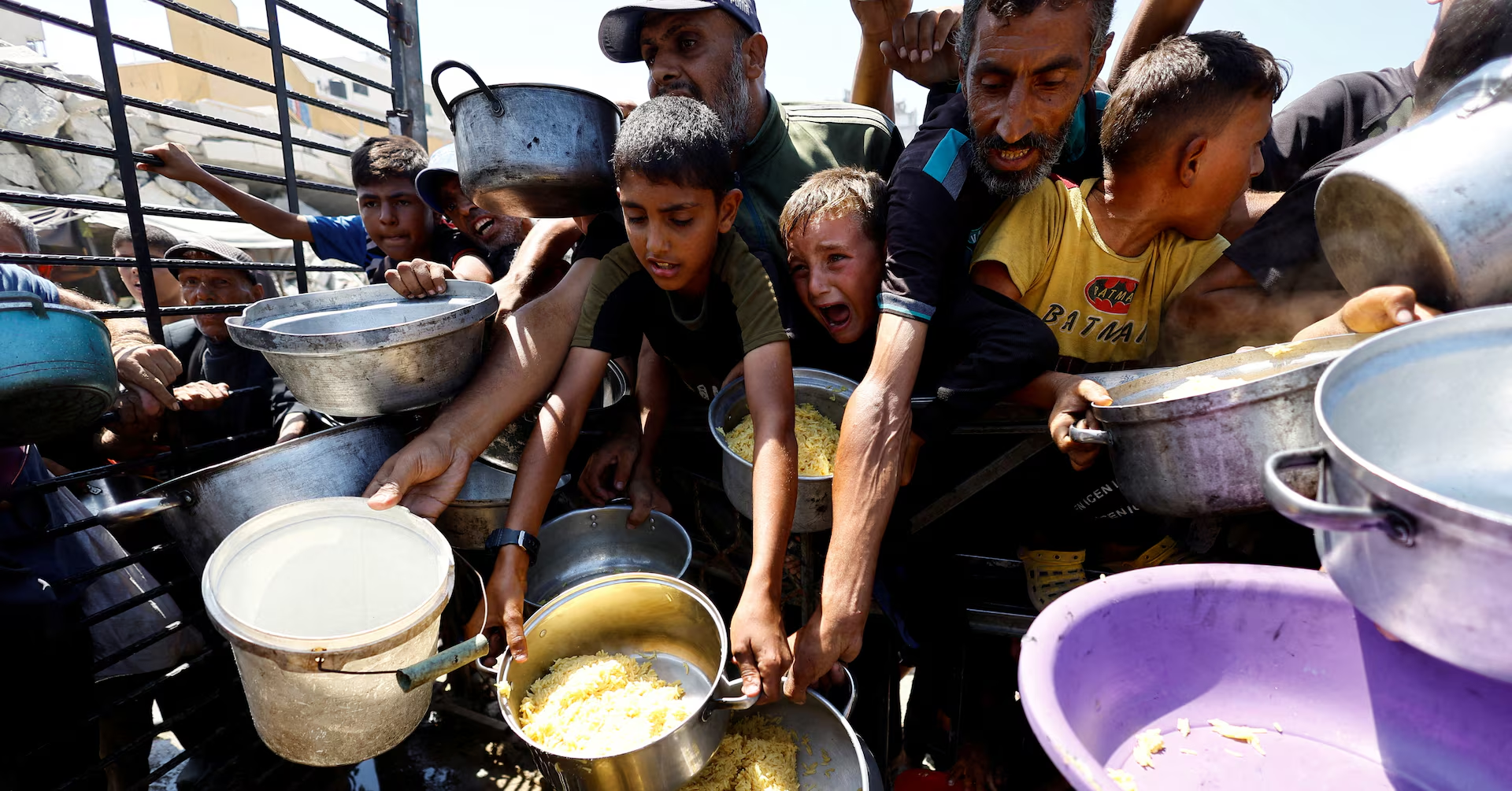
A UN-backed report finds that while Gaza is no longer experiencing famine, 1.6 million people still face severe food insecurity, with ongoing risks if hostilities resume, highlighting the fragile humanitarian situation amid ongoing conflict and the need for sustained aid and peace efforts.
The global hunger monitor announced that famine conditions in Gaza have improved due to increased aid access following a ceasefire, but the situation remains critical with ongoing humanitarian challenges and disputed aid figures between Israel and aid agencies.
A recent report indicates that while famine has been temporarily averted in Gaza due to ceasefire and aid efforts, the region remains critically vulnerable with ongoing food insecurity, displacement, and limited access to essentials, despite claims from Israeli authorities that aid levels are sufficient. The situation is fragile, and more comprehensive aid and stability are urgently needed to prevent a future famine.
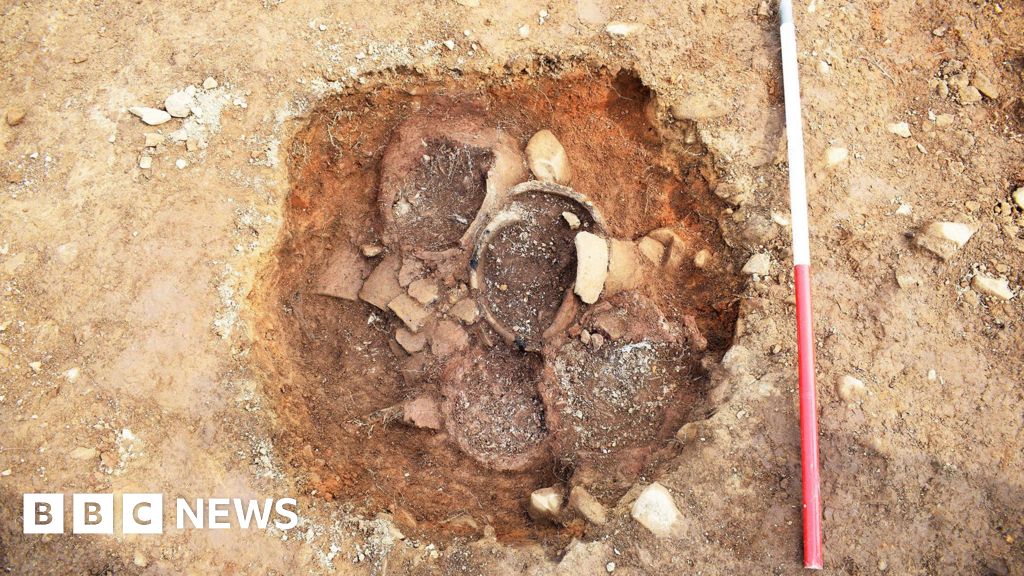
Archaeologists uncovered a mysterious Bronze Age mass burial site near Sanquhar, Scotland, dating back around 3,300 years, which likely resulted from a catastrophic event such as famine, with multiple individuals cremated and buried together in tightly packed urns during construction of a wind farm.
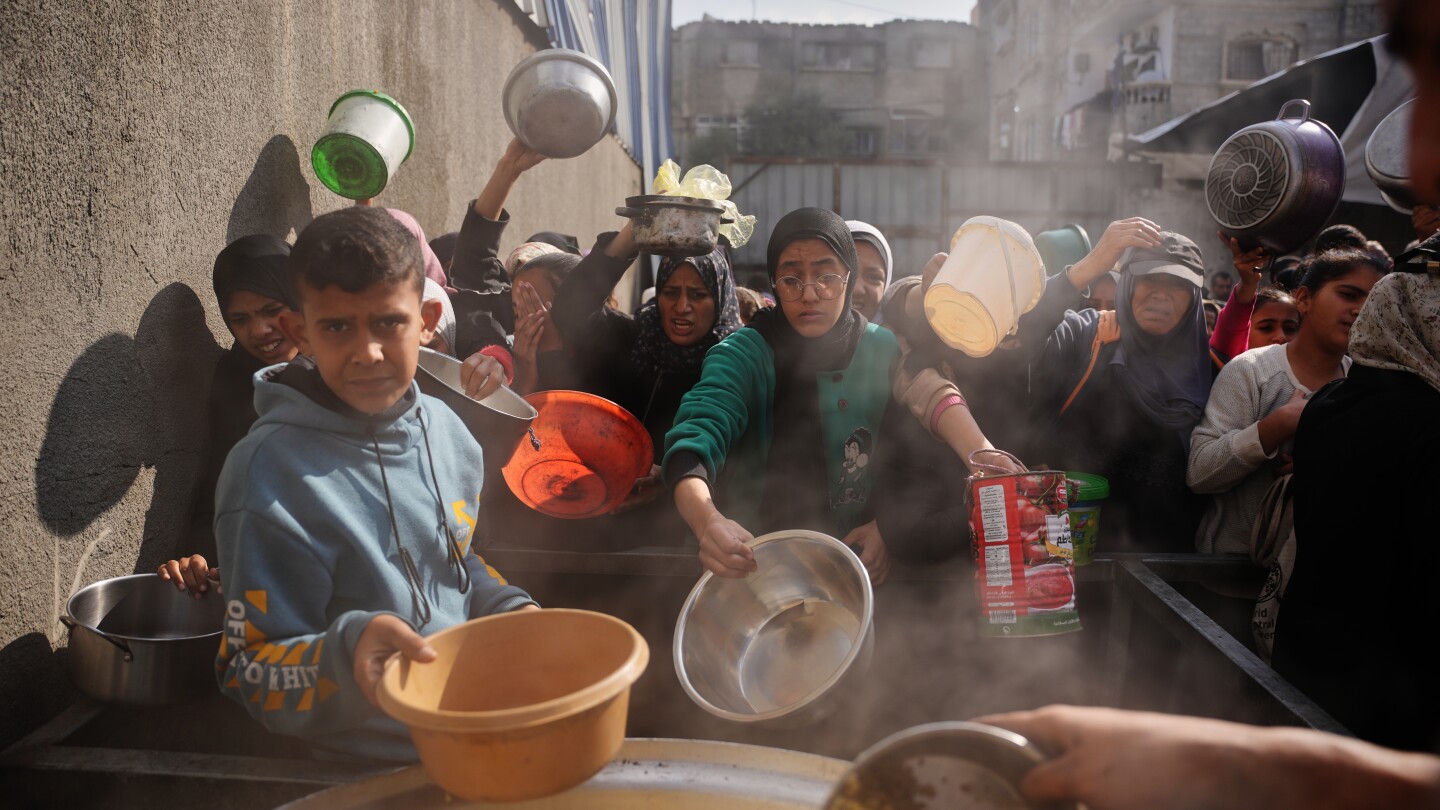
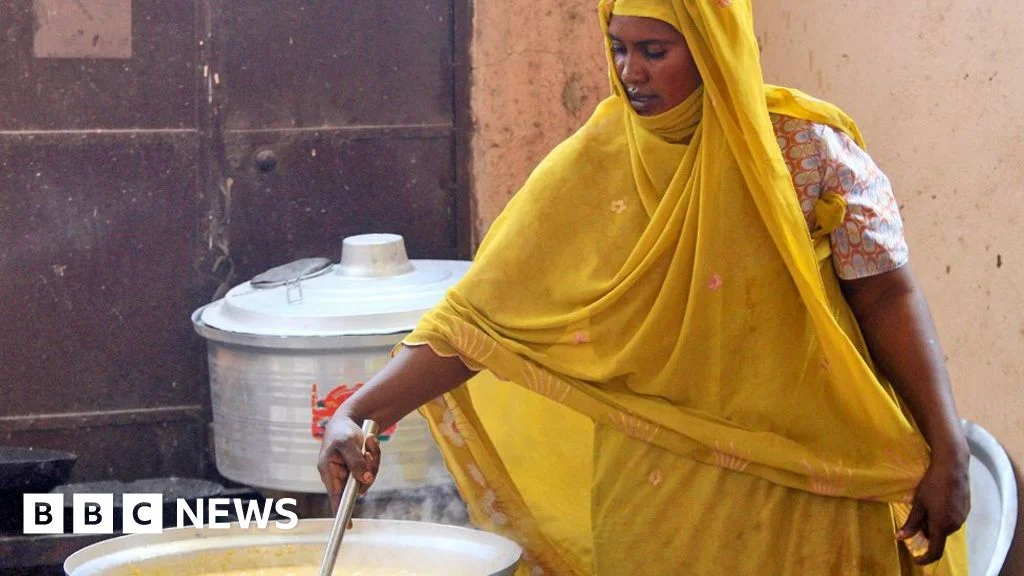
A network of community kitchens in Sudan, vital for millions amid ongoing civil war and famine, is on the brink of collapse due to funding shortages, operational challenges, and conflict-related obstructions, risking a worsening humanitarian crisis.
In 2025, Sudan has experienced a rare declaration of famine due to severe food, water, and medicine shortages, following similar crises in Gaza, Somalia, and South Sudan. The famine classification relies on a strict, internationally-agreed system called IPC, which assesses hunger on a five-phase scale, with famine being the most severe. Despite the challenges in data collection, especially in conflict zones, the system aims to alert the global community early enough to mobilize aid and prevent widespread mortality. The declaration process involves multiple agencies and high-level approvals, emphasizing the urgency of addressing these crises before they escalate further.
The famine in Sudan is worsening, spreading to besieged cities, as a hunger crisis intensifies, prompting warnings from hunger monitors about the escalating humanitarian emergency.
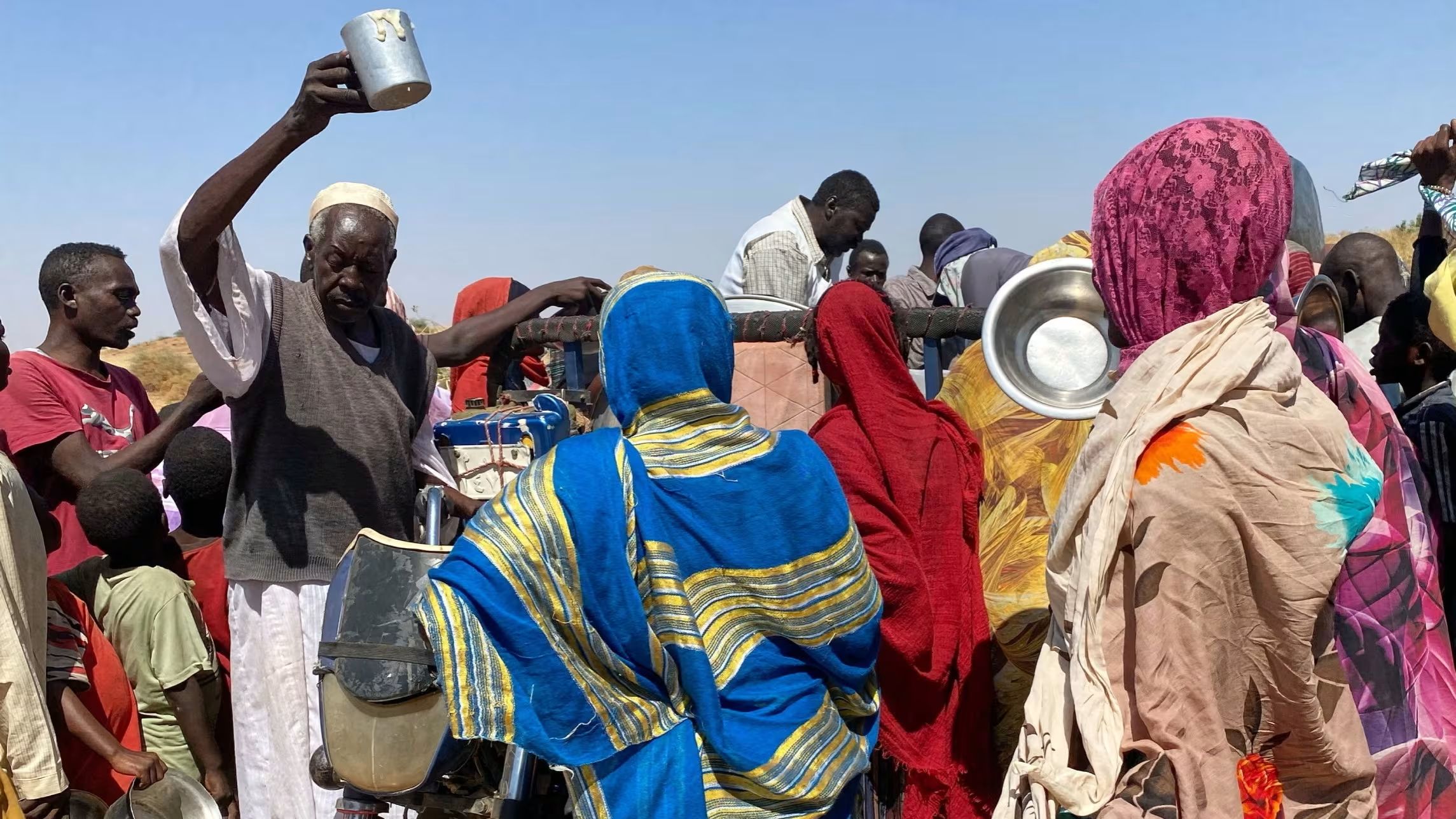
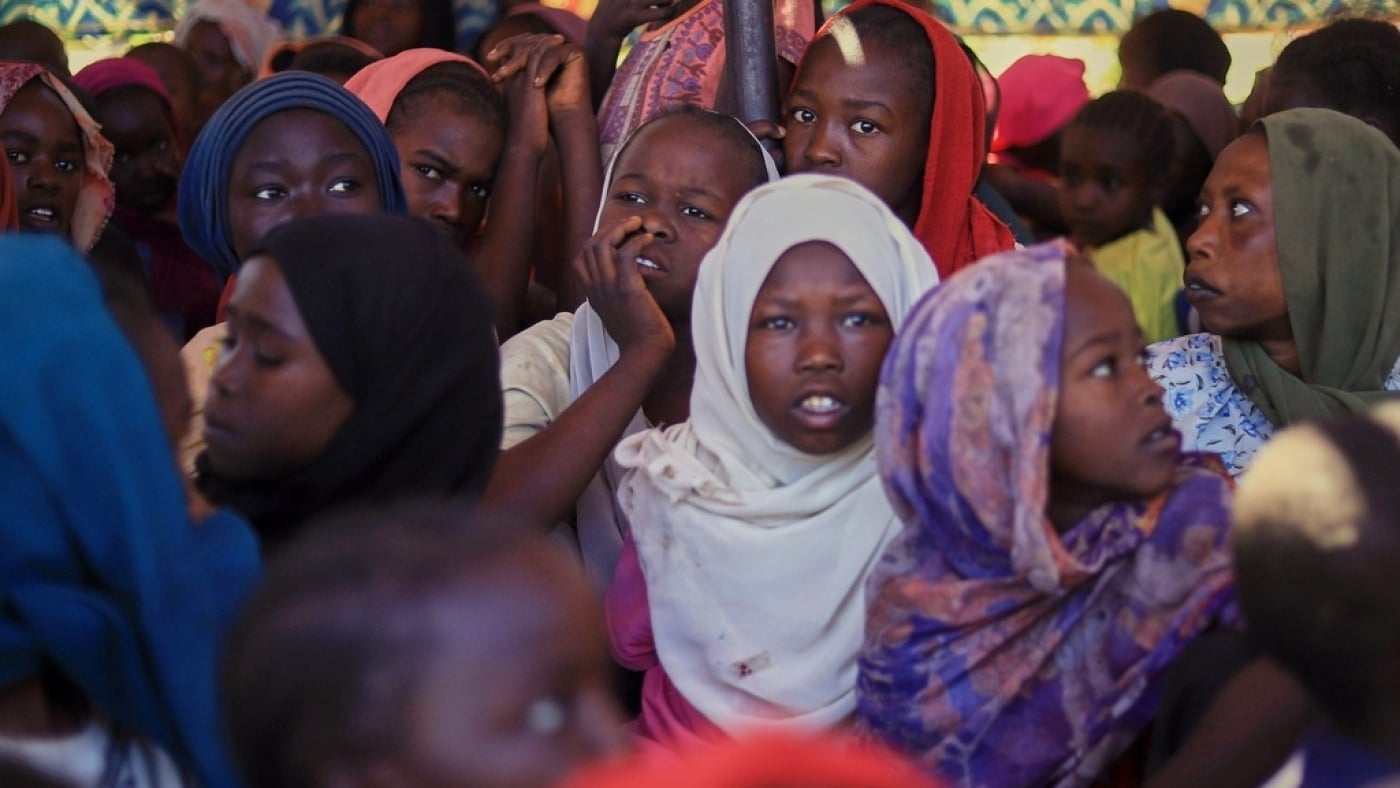
A new report reveals nearly 400,000 people are starving in Sudan due to ongoing conflict, with famine spreading in Darfur and Kordofan, driven by sieges and violence, creating the world's largest humanitarian disaster. Over 14 million people have been displaced, and millions face extreme hunger and malnutrition, prompting calls for a ceasefire to prevent further loss of life.
Famine has spread to two regions in Sudan, including Darfur's el-Fasher and South Kordofan's Kadugli, due to ongoing conflict and sieges by paramilitary forces, leading to a humanitarian disaster with high malnutrition and death rates, and thousands fleeing affected areas.
The article discusses how famine in Gaza and Sudan, similar to historical events like the Dutch Hunger Winter, can cause long-term health issues across generations by affecting prenatal development, emphasizing the importance of early nutrition and care to prevent chronic diseases later in life.
The article discusses Israel's military response to the October 7 attack, criticizing its strategy as reckless and destructive, leading to significant civilian suffering and international backlash. It highlights the complex legal and political issues surrounding Gaza's control, voting rights, and the broader Israeli-Palestinian conflict, emphasizing the need for a peaceful resolution and the risks of prolonged conflict. The piece also examines Israel's military tactics, regional geopolitics, and the impact of global support and sanctions.