Tag

Focused Ultrasound

All articles tagged with #focused ultrasound

Innovative Sound-Based Treatments for Alzheimer's and Cancer

Originally Published 2 months ago — by ScienceAlert

Featured image for Innovative Sound-Based Treatments for Alzheimer's and Cancer
Source: ScienceAlert

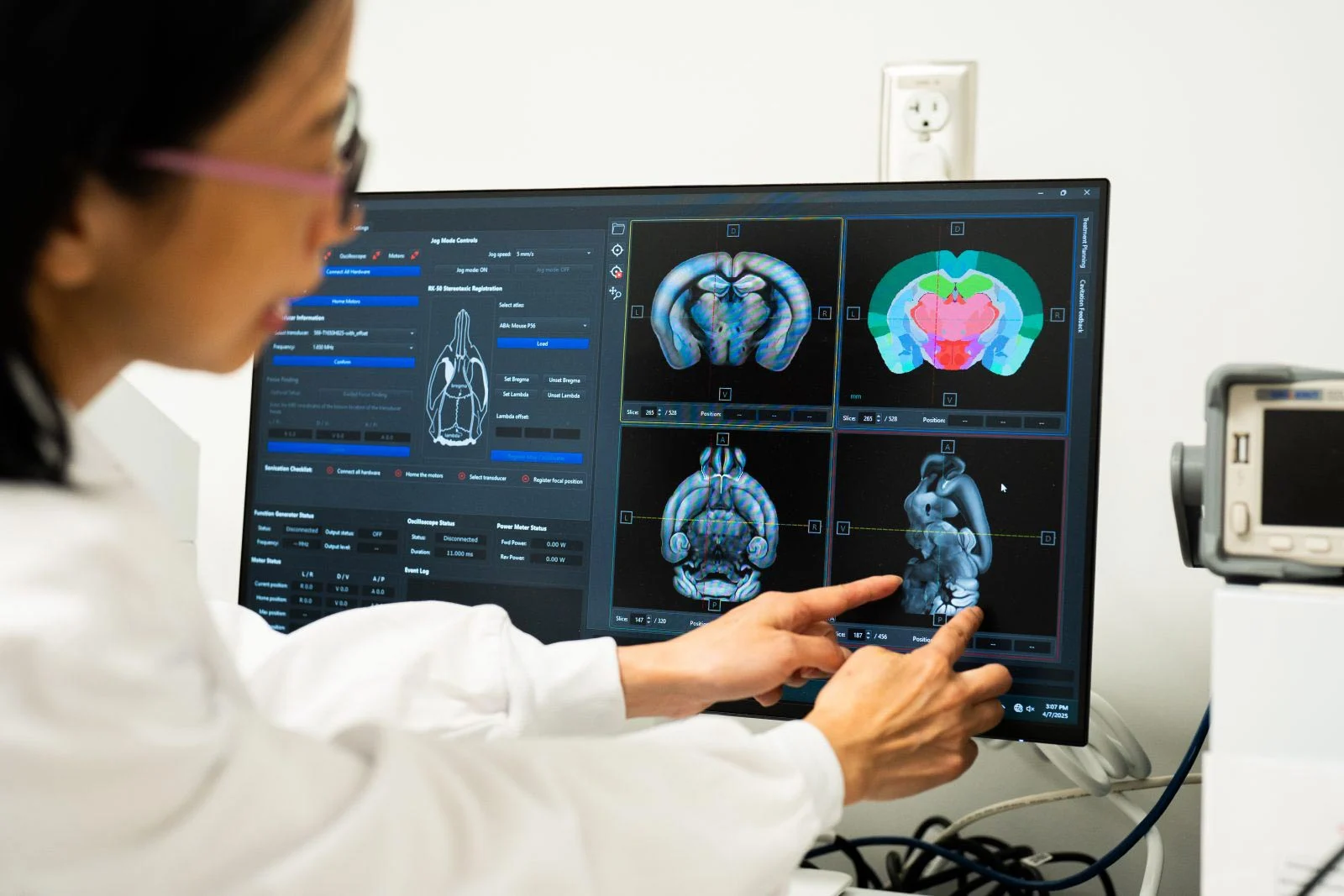
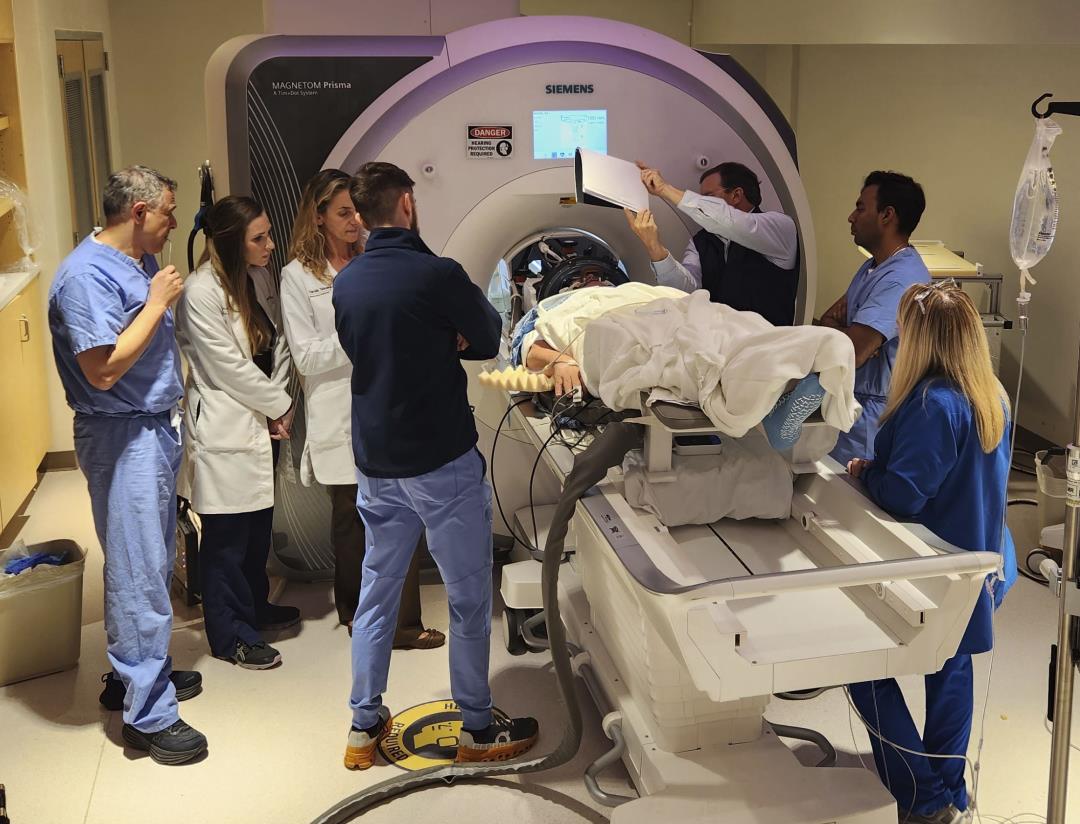
Recent advances in focused ultrasound technology, which uses high-frequency sound waves, are opening new possibilities for treating diseases like Alzheimer's, cancer, and rare neurological conditions by enabling targeted drug delivery, stimulating immune responses, and potentially stopping disease progression, with ongoing clinical trials demonstrating promising results.

Innovative Gas and Ultrasound Techniques Enhance Blood-Brain Barrier for Safer Brain Drug Delivery

Originally Published 7 months ago — by Neuroscience News

Featured image for Innovative Gas and Ultrasound Techniques Enhance Blood-Brain Barrier for Safer Brain Drug Delivery
Source: Neuroscience News

Researchers at UT Southwestern discovered that nitrous oxide can safely enhance the delivery of gene therapy to the brain by making the blood-brain barrier more permeable with focused ultrasound, using significantly lower microbubble concentrations and ultrasound pressures, which reduces tissue damage risk and improves gene delivery efficiency in mouse models, paving the way for potential clinical trials for neurological diseases.

"Alzheimer's Drug Successfully Penetrates Brain Barrier Using Sound Waves: Study"

Originally Published 2 years ago — by The Washington Post

Featured image for "Alzheimer's Drug Successfully Penetrates Brain Barrier Using Sound Waves: Study"
Source: The Washington Post

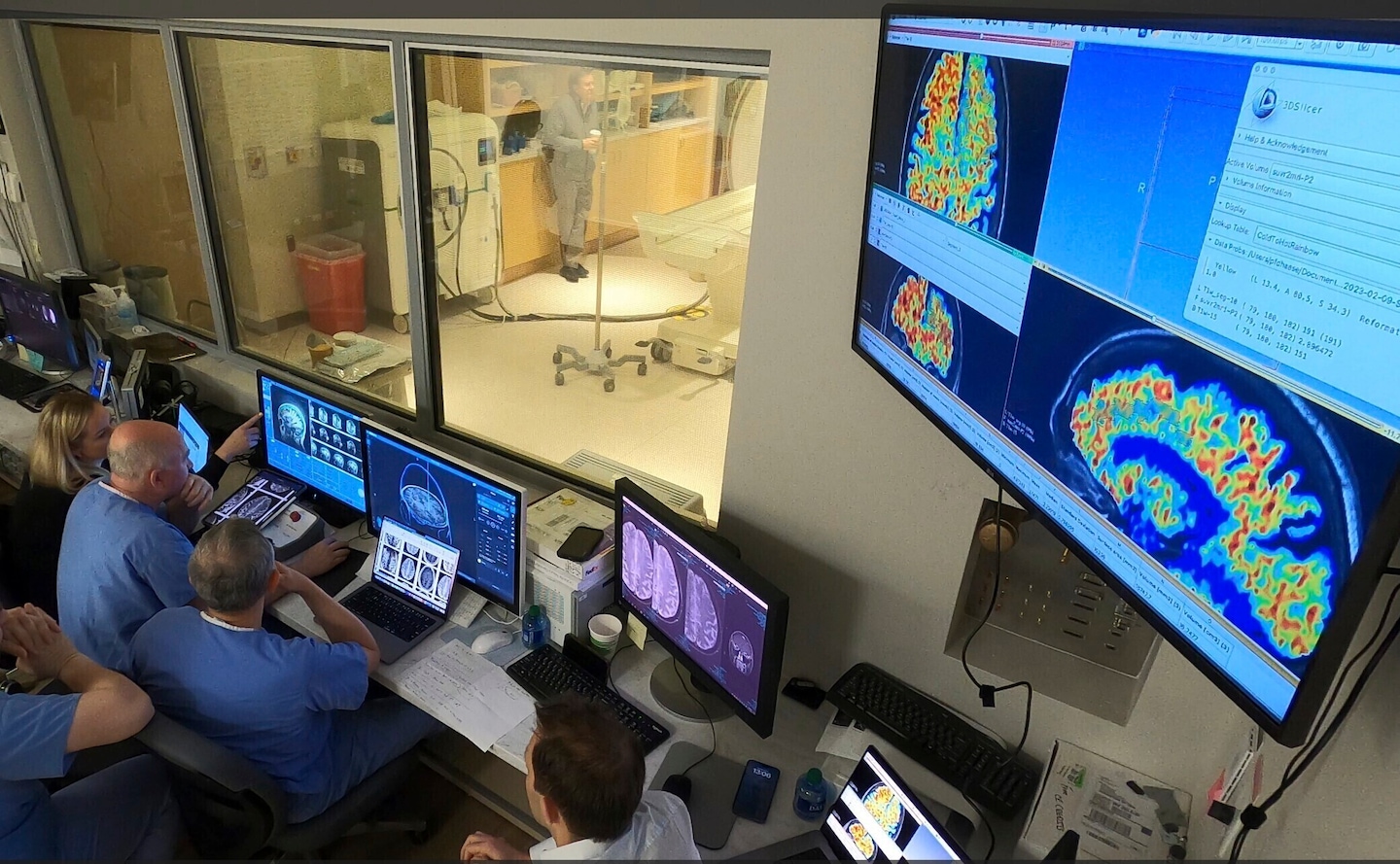
A small study has shown that using focused ultrasound to open the blood-brain barrier is safe and may help Alzheimer's medications reach the brain more effectively. The study involved three patients who received monthly doses of the Alzheimer's drug aducanumab, with one hemisphere of their brains receiving the medication along with focused ultrasound. The treated hemisphere showed a 32% reduction in harmful amyloid beta plaques compared to the untreated hemisphere. While the technique shows promise, further research is needed to understand its long-term effects and potential side effects.

"Breakthrough Ultrasound Tool Speeds Delivery of Alzheimer's Drugs to the Brain"

Originally Published 2 years ago — by Euronews

Featured image for "Breakthrough Ultrasound Tool Speeds Delivery of Alzheimer's Drugs to the Brain"
Source: Euronews

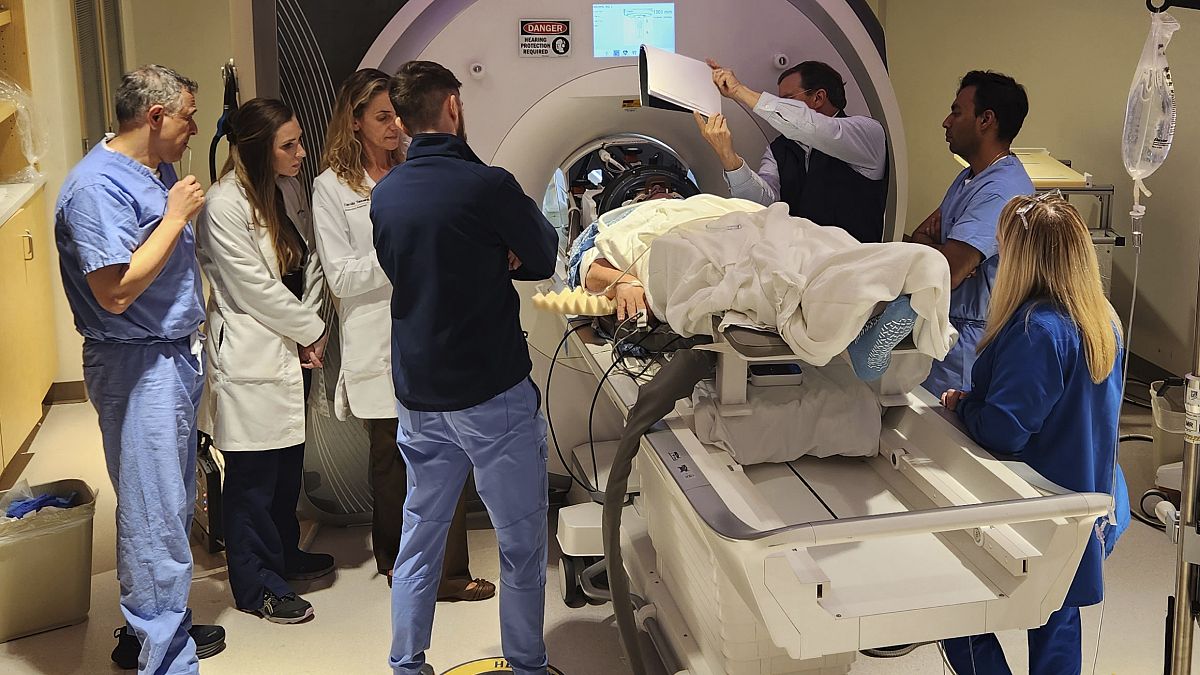
Scientists have utilized focused ultrasound to temporarily open the blood-brain barrier, allowing Alzheimer's drugs to enter the brain more effectively. In a small study involving three patients, this method, combined with the Alzheimer's drug Aduhelm, showed a 32% greater reduction in amyloid plaques in treated brain regions compared to untreated areas. While the results are promising, larger studies are needed to confirm efficacy and safety, including potential side effects like brain swelling and bleeding. This approach could also enhance treatment for other neurological diseases and brain tumors.

"Breakthrough Ultrasound Technique Enhances Alzheimer's Drug Delivery to the Brain"

Originally Published 2 years ago — by Newser

Featured image for "Breakthrough Ultrasound Technique Enhances Alzheimer's Drug Delivery to the Brain"
Source: Newser

Scientists have developed a method to enhance the delivery of Alzheimer's drugs to the brain by using focused ultrasound to temporarily open the blood-brain barrier. This technique, tested in a small pilot study involving three patients, allowed for a 32% greater reduction in Alzheimer's plaque in treated areas. While the results are promising, larger studies are needed to confirm the efficacy and safety of this approach.

"Revolutionary Mint: The Arrival of Magic Pills"

Originally Published 2 years ago — by Mint

Featured image for "Revolutionary Mint: The Arrival of Magic Pills"
Source: Mint

The healthcare industry is witnessing advancements in medical treatments that could be considered "magic pills." Drugs like GLP-1s are showing promising results in treating diabetes, promoting weight loss, and reducing the risk of heart disease. Insightec's helmet, which uses focused ultrasound, has successfully eliminated tremors in patients with Parkinson's disease. Crispr gene therapy offers potential cures for genetic diseases, while the Galleri blood test and mRNA treatments show promise in early cancer detection and treatment. Additionally, medical chatbots are being used to augment doctors and provide diagnoses. These technological advancements are reshaping the future of medicine.

"Exploring Sound Waves as a Promising Solution for Cocaine Addiction"

Originally Published 2 years ago — by Neuroscience News

Featured image for "Exploring Sound Waves as a Promising Solution for Cocaine Addiction"
Source: Neuroscience News

Researchers at the University of Virginia are conducting a pioneering study using low-intensity focused ultrasound to target the insula region of the brain and address cocaine addiction. By reprogramming brain cells, this noninvasive technique aims to reduce cocaine cravings and potentially revolutionize addiction treatment. With increasing cocaine use and related deaths in Virginia and a lack of FDA-approved treatments for addiction, this trial could provide a new tool to treat addiction. If successful, patients may be able to undergo a simple outpatient visit and leave with diminished desire to use cocaine.

Ultrasound enhances brain's waste removal for disease research.

Originally Published 2 years ago — by Neuroscience News

Featured image for Ultrasound enhances brain's waste removal for disease research.
Source: Neuroscience News

Researchers have developed a noninvasive, nonpharmaceutical method to enhance the glymphatic transport in the brain, known as focused ultrasound combined with circulating microbubbles (FUSMB), which amplifies the effects of ultrasound waves on blood vessels, facilitating the removal of metabolic waste and distribution of nutrients. This breakthrough could open new avenues for studying brain diseases and functions. It also holds promise in mitigating neurodegenerative diseases like Alzheimer’s and Parkinson’s by enhancing waste clearance in the brain.

Ultrasound Treatment Shows Promise for Movement Disorders.

Originally Published 2 years ago — by Neuroscience News

Featured image for Ultrasound Treatment Shows Promise for Movement Disorders.
Source: Neuroscience News

Focused ultrasound treatment has been found to improve dyskinesia and motor impairment in patients with Parkinson’s disease, according to a study published in the New England Journal of Medicine. The treatment, which was FDA-approved for patients with essential tremor in 2016, is incisionless and targets a specific area of the brain to safely ablate diseased tissue. The study found that almost twice as many patients achieved improved motor function or reduced dyskinesia in the focused ultrasound group than those who underwent a sham procedure, with 75% of patients maintaining their results for up to one year after treatment.