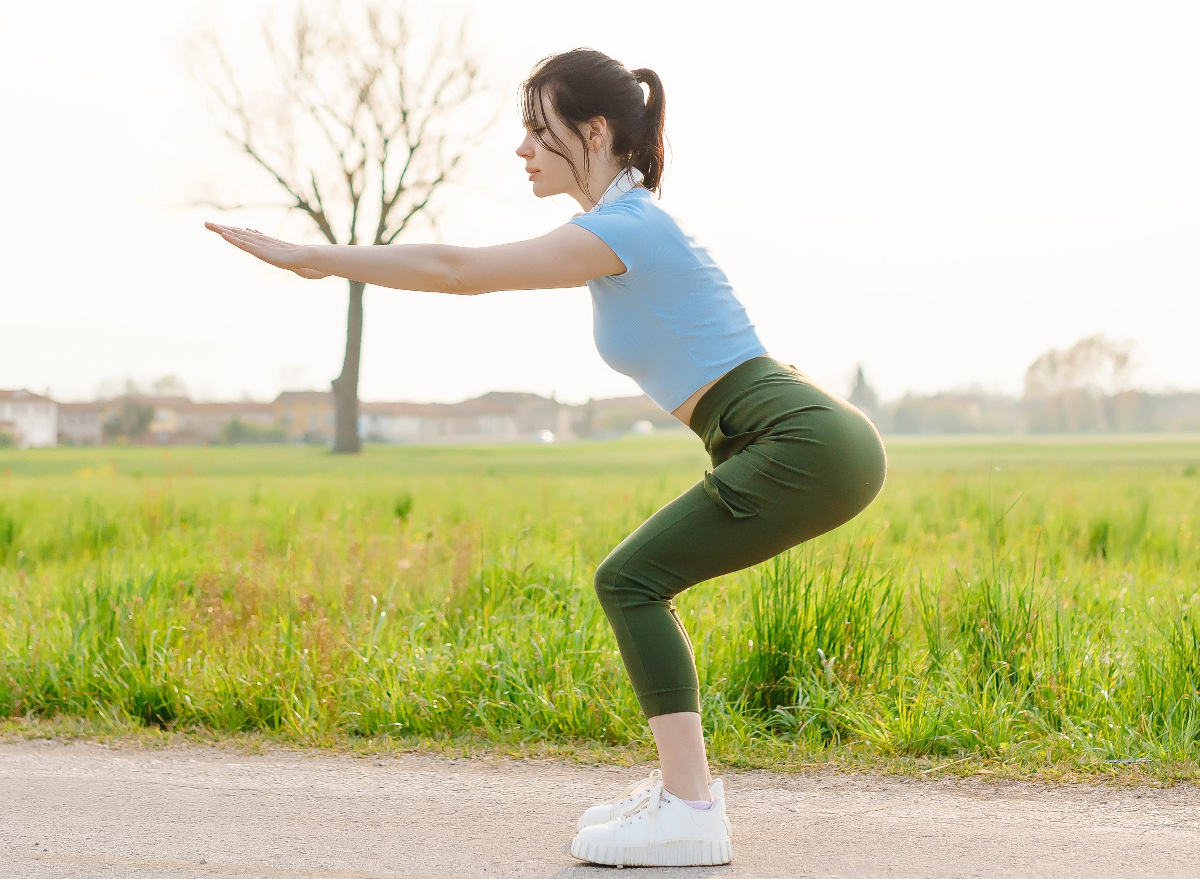
A fitness expert shares five effective standing exercises to help flatten the lower belly faster than floor exercises, especially beneficial for those over 50, by engaging core muscles and improving stability against gravity.
Walking is a low-impact, accessible activity that boosts overall health, enhances creativity, reduces stress, and supports brain growth, but it doesn't significantly build muscle size unless combined with resistance training. It can help burn fat, especially when performed at higher intensities or with added weight, making it a valuable foundation for physical activity and health maintenance.
High-intensity sprinting can boost metabolism and fat burn for up to 36 hours through a process called EPOC, which increases resting energy expenditure after strenuous activity. While effective, sprinting should be part of a balanced regimen and performed gradually to avoid injury, as it stimulates hormonal and metabolic responses that aid in fat loss and insulin sensitivity, but it is not a quick fix for weight loss.
Scientists at the University of Southern Denmark discovered that reducing the amino acids methionine and cysteine in mice's diets can mimic cold exposure, significantly increasing energy expenditure and fat burning, which could lead to new obesity treatments. However, further research is needed to confirm if these effects occur in humans.
Interval walking, a Japanese method alternating brisk and slow walking, can burn more fat and improve cardiovascular health than jogging, especially benefiting older adults and sedentary individuals, with scientific backing from Shinshu University studies.
Researchers at the University of Michigan discovered that specific neurons in the hypothalamus help regulate blood sugar levels during routine activities like fasting, by promoting fat breakdown to maintain glucose and prevent hypoglycemia overnight, which could have implications for understanding prediabetes and diabetes management.
A recent study validates the 12-3-30 incline walking workout's effectiveness in burning fat, showing it uses a higher percentage of fat for fuel than running at the same calorie expenditure, but running burns more total calories in less time, making it more efficient for weight loss. The best exercise depends on individual preferences and goals, with incline walking being a joint-friendly alternative for those unable to run.
A 15-minute home walking workout designed by YouTube trainer Grow with Jo offers a low-impact, fast-paced way to burn fat, boost metabolism, tone lower body muscles, and improve joint mobility, making it an effective exercise option for busy individuals or those preferring indoor workouts.
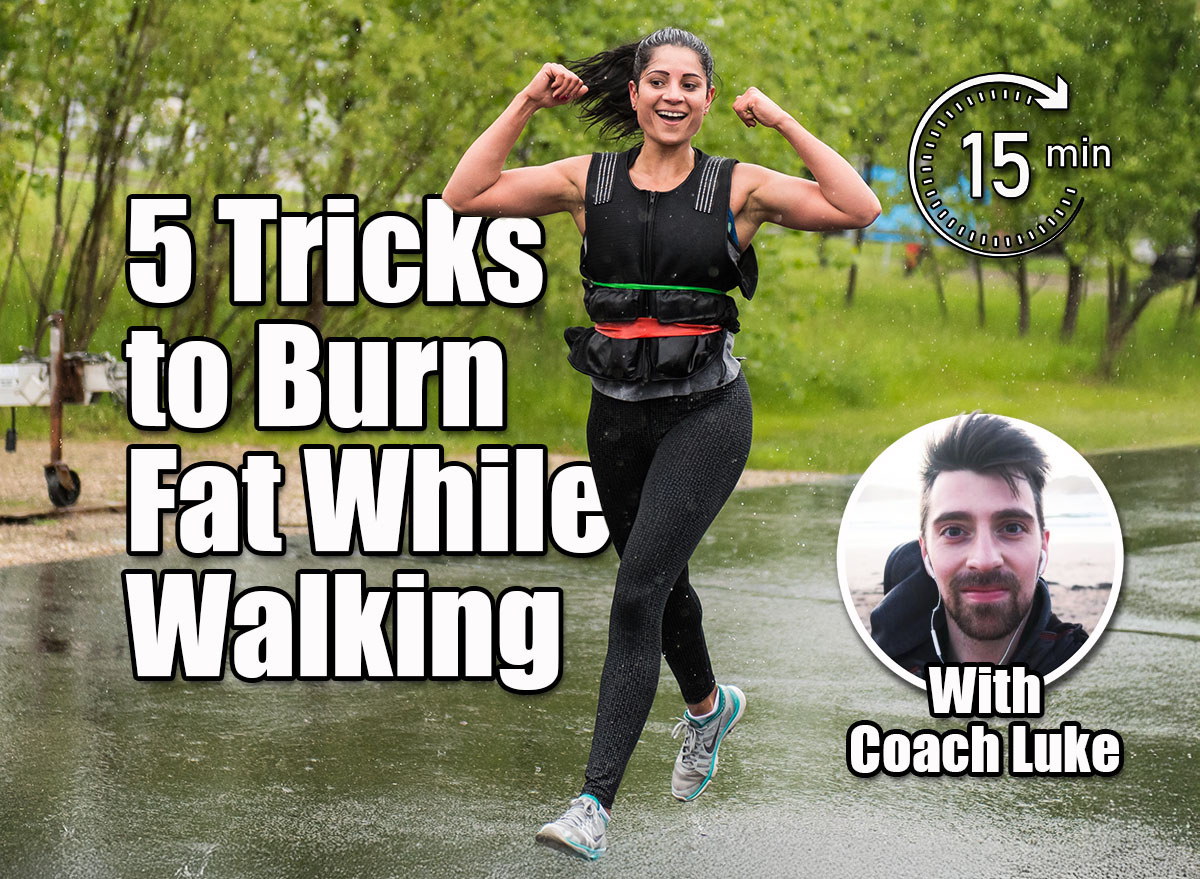
This article provides five simple walking tricks—such as adding weights, using hiking sticks, incorporating intervals, doing mini-strength sets, and varying routes—to maximize fat burning and muscle building, emphasizing consistency and mindful engagement for effective outdoor workouts.
A recent study published in the journal Nutrients suggests that walking at a slower pace can significantly enhance fat loss in postmenopausal women compared to faster walking. The study followed 25 women over 30 weeks, revealing that those who walked at 3.2 miles per hour lost 2.73 times more fat than those walking at 4.1 miles per hour. Researchers theorize that slower walking may promote fat burning over glucose usage, though more research is needed to understand the mechanism.
A new study suggests that exceeding weekly exercise recommendations over two days, such as the weekend, can effectively reduce fat, challenging the notion that daily workouts are necessary. The research found no difference in fat reduction between weekend warriors and those who exercise regularly throughout the week, as long as the weekend workouts are of higher intensity and longer duration. The study, which used an objective body scan, revealed that both weekend warriors and regular exercisers had lower levels of belly fat and overall body fat compared to those who did not exercise regularly.
To effectively burn fat and lose weight, incorporating high-intensity workouts into your fitness routine is key. This article recommends five workouts that are known for their fat-burning abilities: High-Intensity Interval Training (HIIT), Tabata Training, Circuit Training, CrossFit, and Cardio Kickboxing. Each workout consists of specific exercises designed to elevate heart rate, boost metabolism, and maximize fat incineration. Remember to start at an appropriate fitness level and gradually increase intensity for optimal results. Consistency and dedication to these dynamic workouts will lead to effective fat loss and leave you feeling energized and empowered.
The 30/30/30 method is a weight loss approach that involves consuming 30 grams of protein within the first 30 minutes of waking up, followed by 30 minutes of light exercise. This method is backed by science and can help burn body fat while preserving lean muscle. Consuming protein at breakfast helps control appetite and stabilize blood sugar levels, while cardiovascular exercise improves fitness and burns body fat. Lowering carbohydrate intake and considering individual hunger cues are additional factors to consider. The 30/30/30 method may be a powerful tool for overall health improvement and increased energy levels.
A personal trainer shares the best morning exercises for all-day fat burning. Walking, especially outdoors, can relieve stress and contribute to fat burning. Incline walking engages different muscle groups and burns more calories. Sprints are excellent for fat burning and muscle growth. Squats, kettlebell swings, and jumping rope are effective for burning fat and boosting metabolism. Stretching helps reduce stress hormones and improve flexibility. Lunges target legs and glutes while boosting metabolism. Combining these exercises into a morning circuit can be an efficient way to burn fat and improve overall fitness.
A new study has found that climbing five flights of stairs every day can reduce the risk of cardiovascular diseases by up to 20%. Stair climbing engages large muscle groups, maximizing calorie burn and burning 23% more calories than running. It is also easier on the knees and hips than running, making it suitable for those with joint issues. Stair climbing can be done at home and is an effective exercise for burning fat and improving cardiovascular health.