
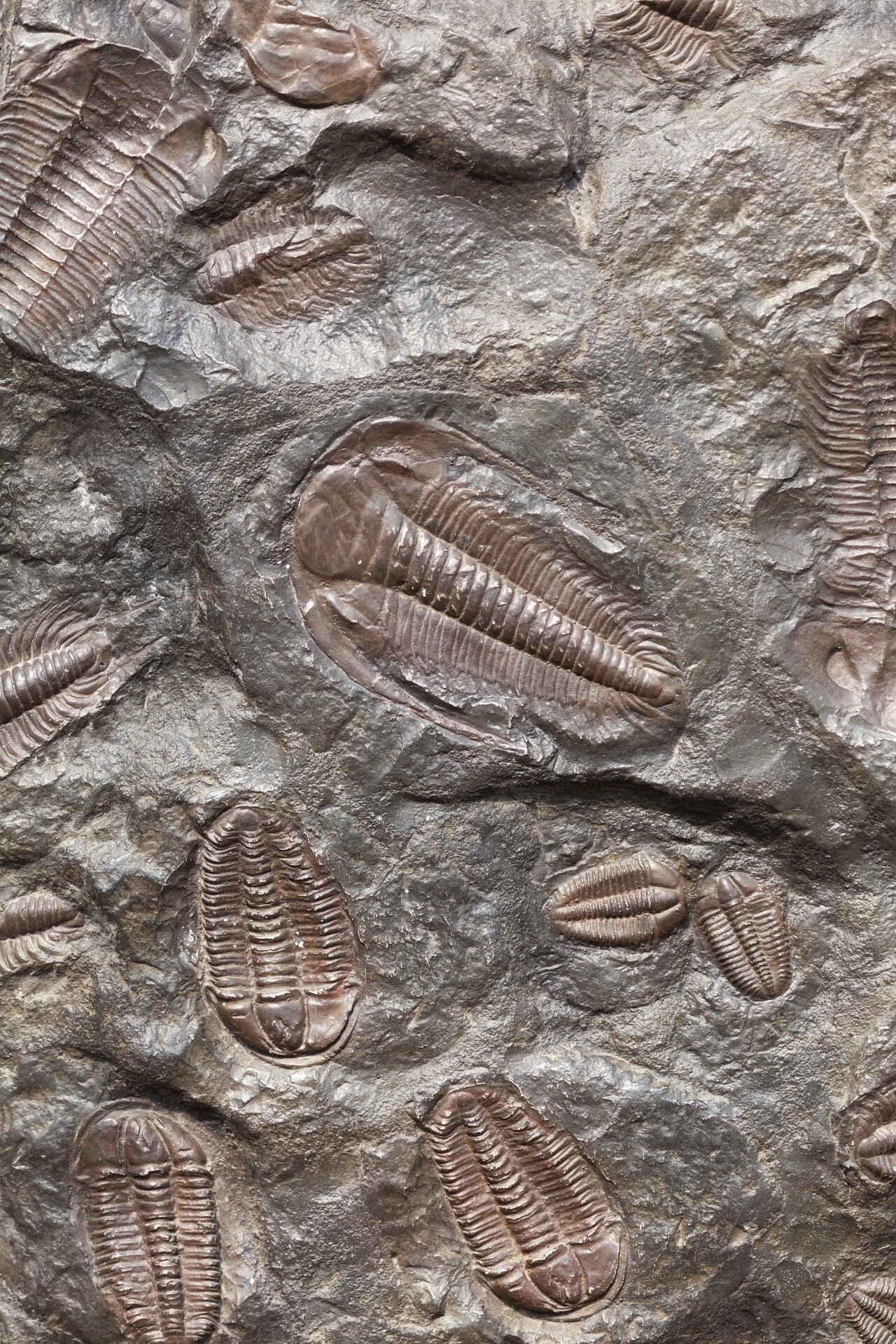
Unveiling the Secrets of Trilobite Survival in Changing Environments
Scientists have discovered how a species of trilobite, Aulacopleura koninckii, was able to defend itself and survive fluctuations in Earth's oxygen levels. Unlike other trilobites, Aulacopleura developed a variable number of mid-section segments, which allowed it to roll up into a defensive position. 3D modeling showed that larger Aulacopleura with more segments would extend their tails past their heads, minimizing the exposed gap. The additional segments also provided more surface area for respiration, enabling the trilobite to tolerate dips in oxygen levels and outcompete predators. Understanding the adaptation of trilobites sheds light on the evolution of survival strategies and the common ancestor of modern arthropods.