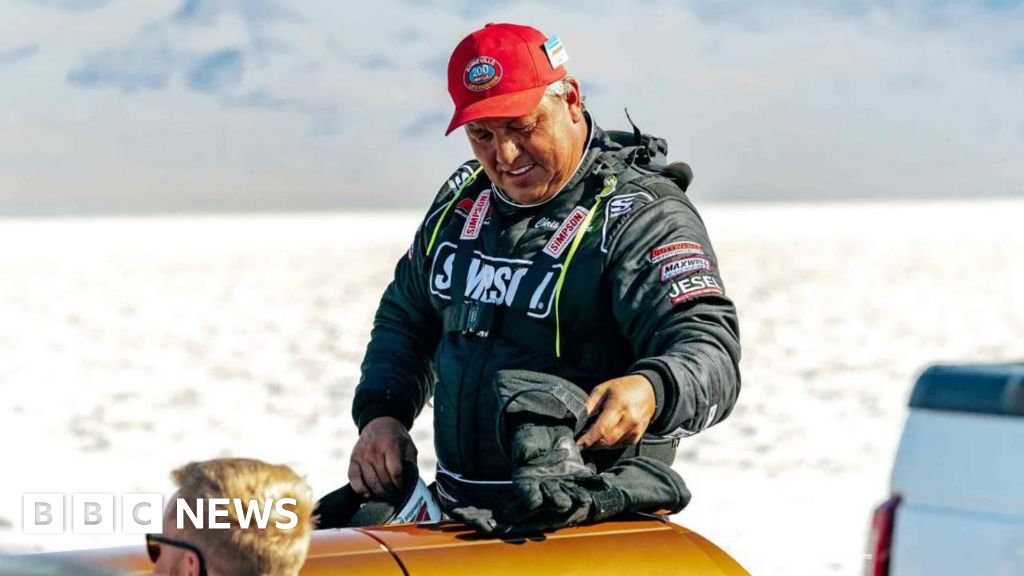
Racer Chris Raschke tragically died in a crash while attempting to break the land speed record at Utah's Bonneville Salt Flats, highlighting the dangers of high-speed racing and prompting tributes from the racing community.
A driver attempting to set a land speed record at Utah's Bonneville Salt Flats died after losing control of his vehicle during a high-speed run, highlighting the inherent dangers of motorsports despite strict safety measures.
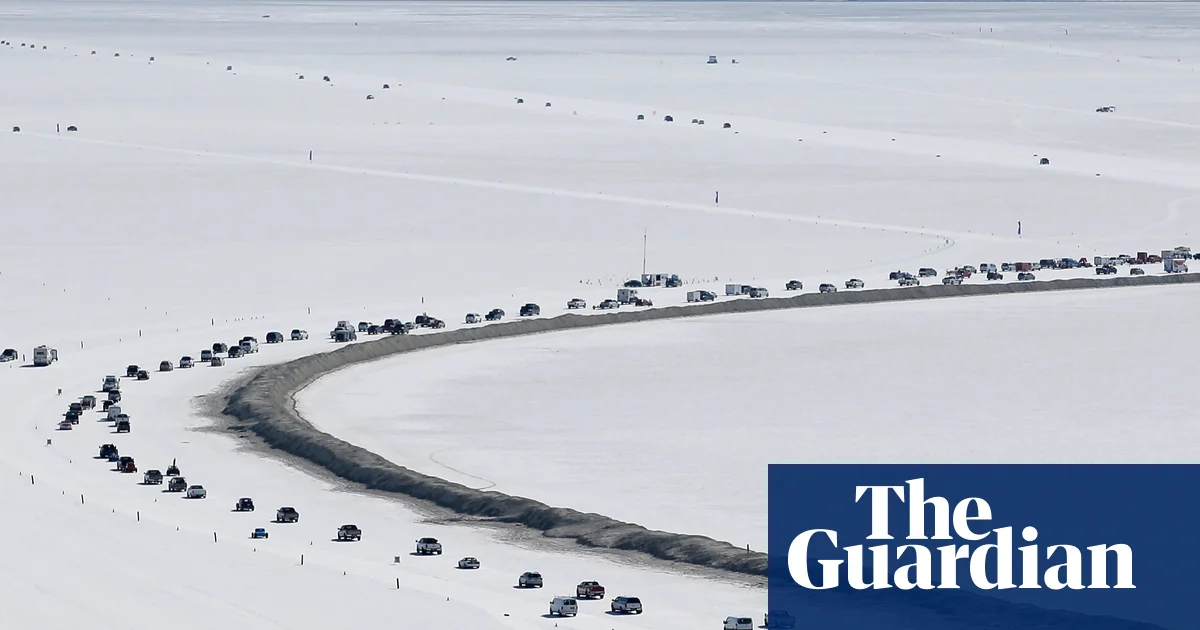
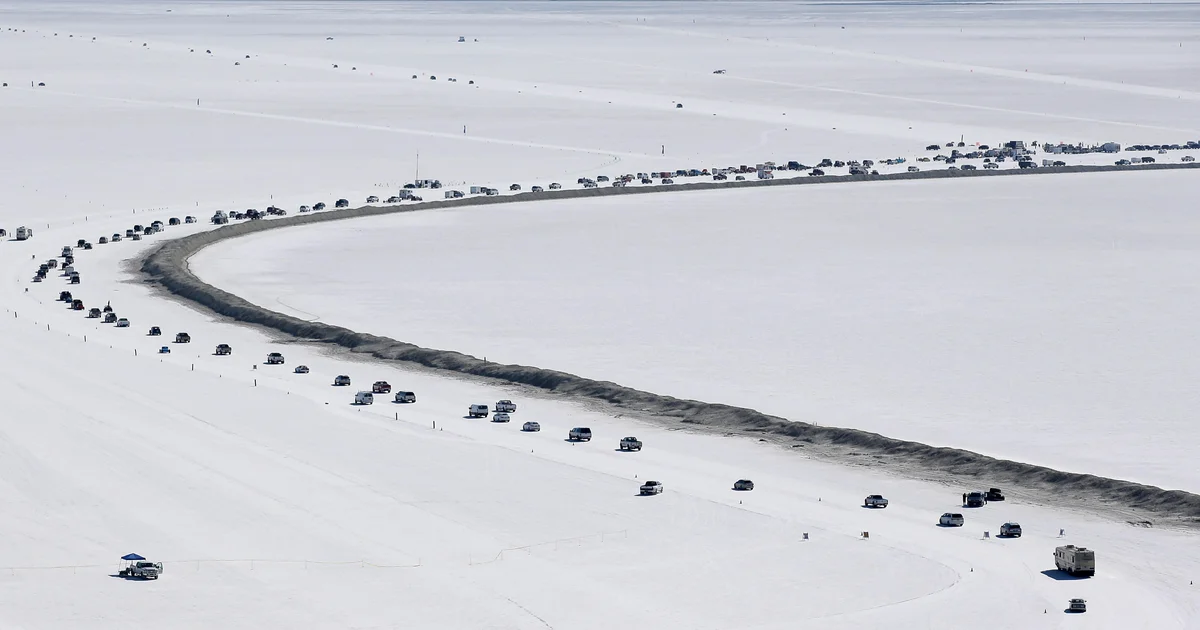
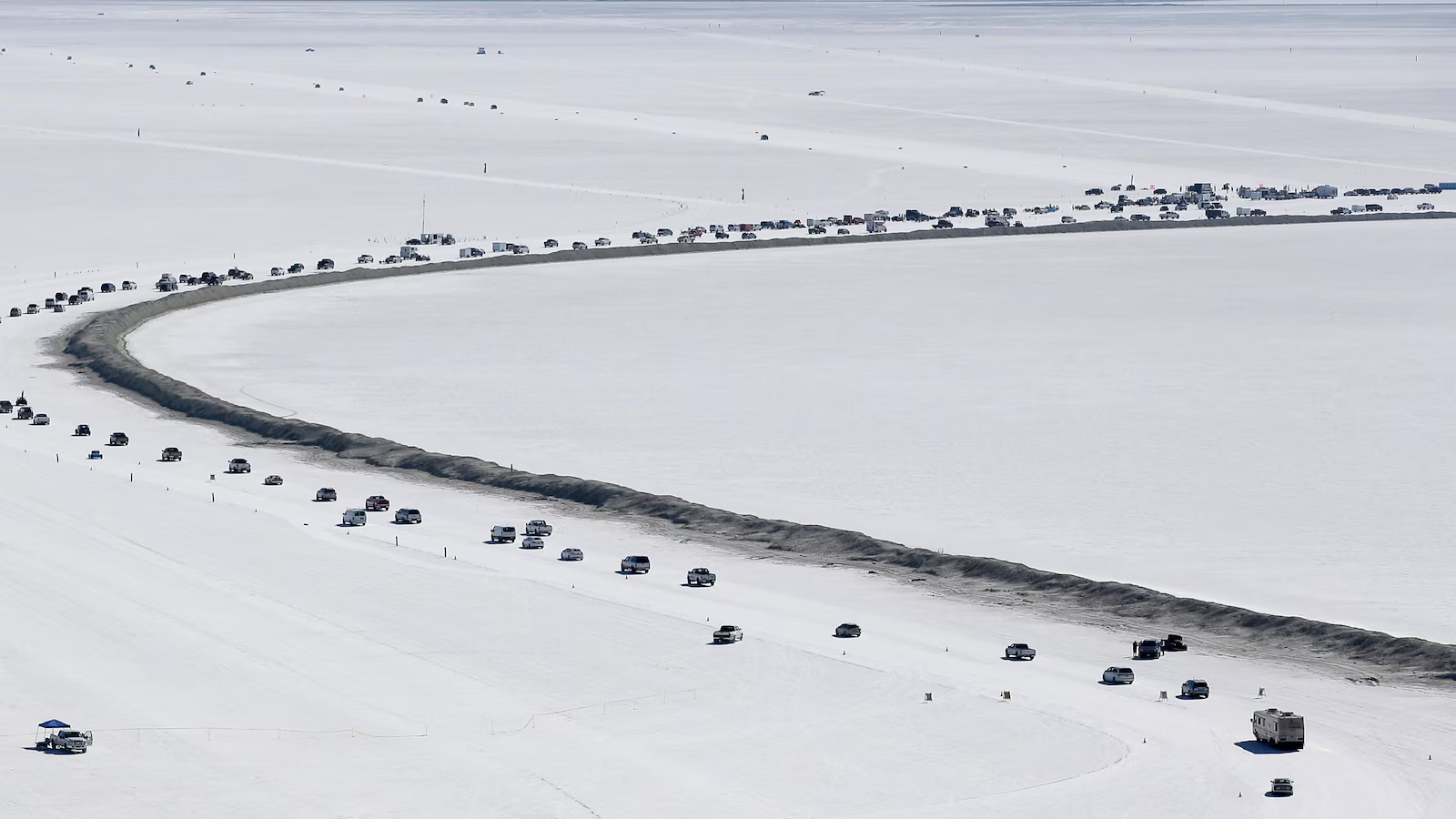
Driver Chris Raschke died after losing control of his vehicle during a land speed record attempt at Utah's Bonneville Salt Flats, a site famous for speed records and motorsport history, highlighting the inherent dangers of motorsports.
Chris Raschke, a veteran land-speed driver, died in a crash while driving the Speed Demon 3 at nearly 300 mph at Utah's Bonneville Salt Flats, prompting an ongoing investigation into the incident.
A driver attempting a speed record at Utah's Bonneville Salt Flats died after losing control of his vehicle during a race, with the incident under investigation.
A 60-year-old racer, Chris Raschke, died after losing control of his vehicle during a land-speed racing event at the Bonneville Salt Flats while attempting to set a record. The crash occurred about two and a half miles into his run, and the cause is under investigation. Raschke was an experienced speed racer and part of the Speed Demon Racing Team, known for setting speed records.
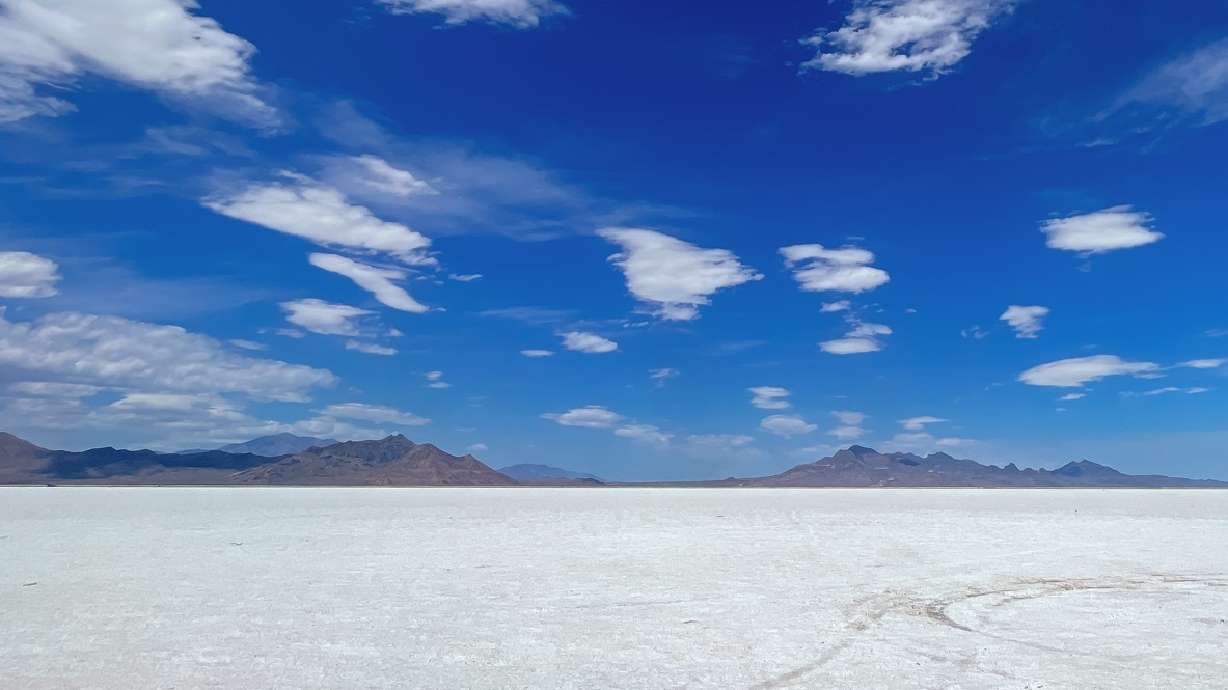
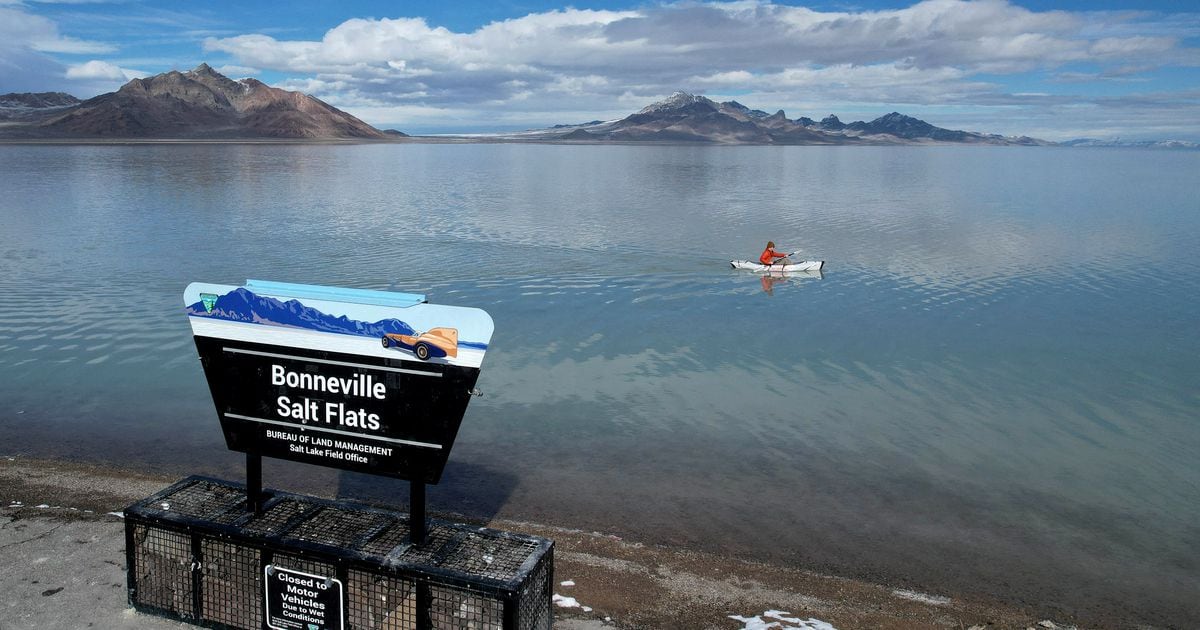
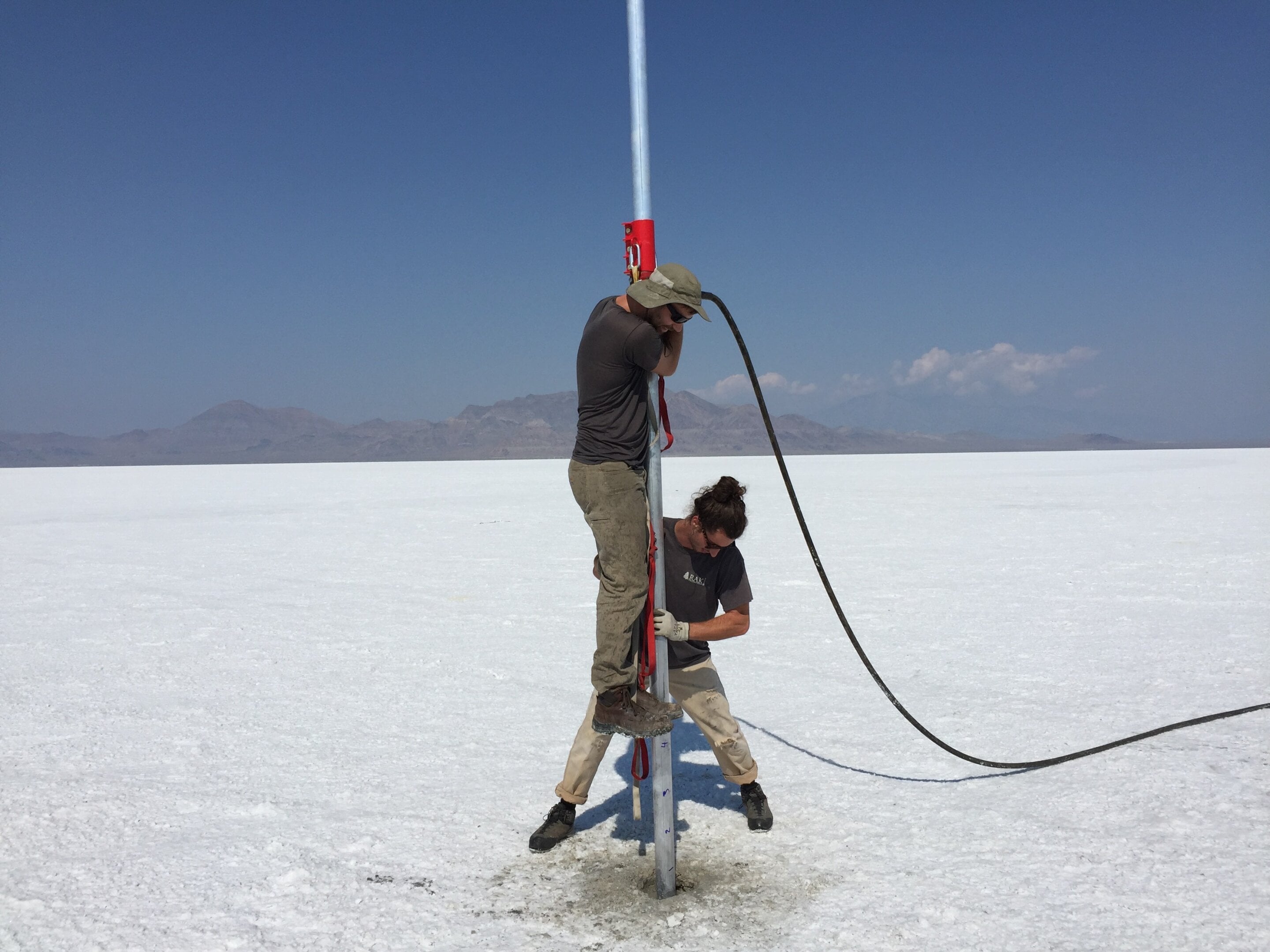
Recent research using radiocarbon analysis has revealed that the Bonneville Salt Flats are much younger than previously believed, forming between 5,400 and 3,500 years ago, millennia after the ancient Lake Bonneville disappeared. The decline of the salt flats is attributed to declining groundwater caused by human disturbances, and efforts to flood the flats may be doing more harm than good. The findings suggest that the salt flats are an ephemeral feature of the Great Basin, and their disappearance may be inevitable due to climate change and human water demands.
New research from the University of Utah challenges the long-held belief that the Bonneville Salt Flats were formed as Lake Bonneville dried up 13,000 years ago, revealing that the salt crusts actually began accumulating between 5,400 and 3,500 years ago. This study, published in the journal Quaternary Research, suggests that the landscape is more dynamic than previously understood, with evidence of erosion and accumulation of gypsum sand during dry periods. The findings have implications for managing the shrinking salt flats and offer insights into how this unique geological feature could be managed differently in the future.
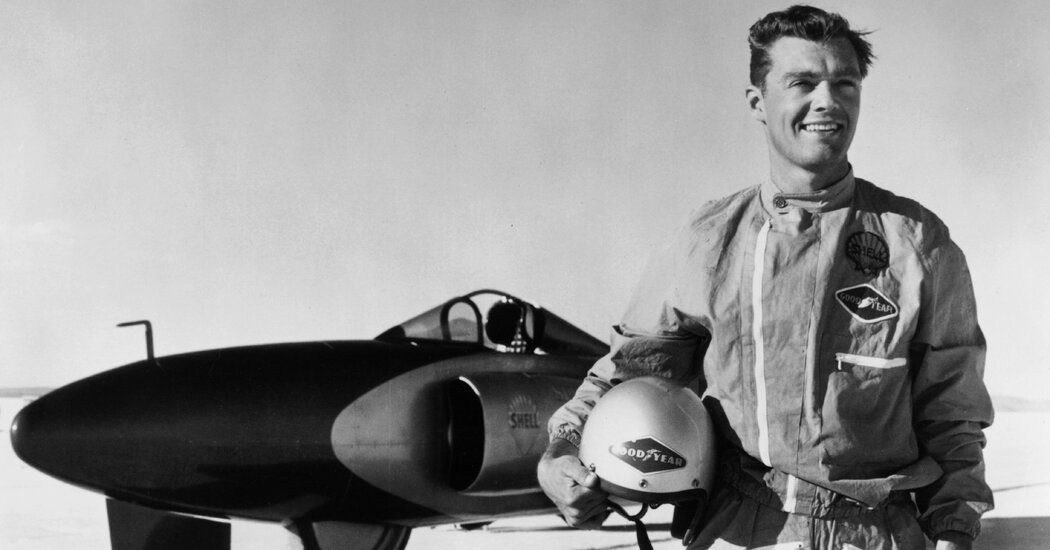
Craig Breedlove, the former fastest man on wheels, has died at the age of 86. He broke the world land-speed record multiple times in the 1960s, becoming the first person to officially cross the 400-, 500- and 600-mph marks. His record-breaking speed runs made him a national celebrity and inspired a Beach Boys song. He likened his record-breaking speed runs to "walking out on a limb to see how far you can go without breaking it and then retreating just in time."
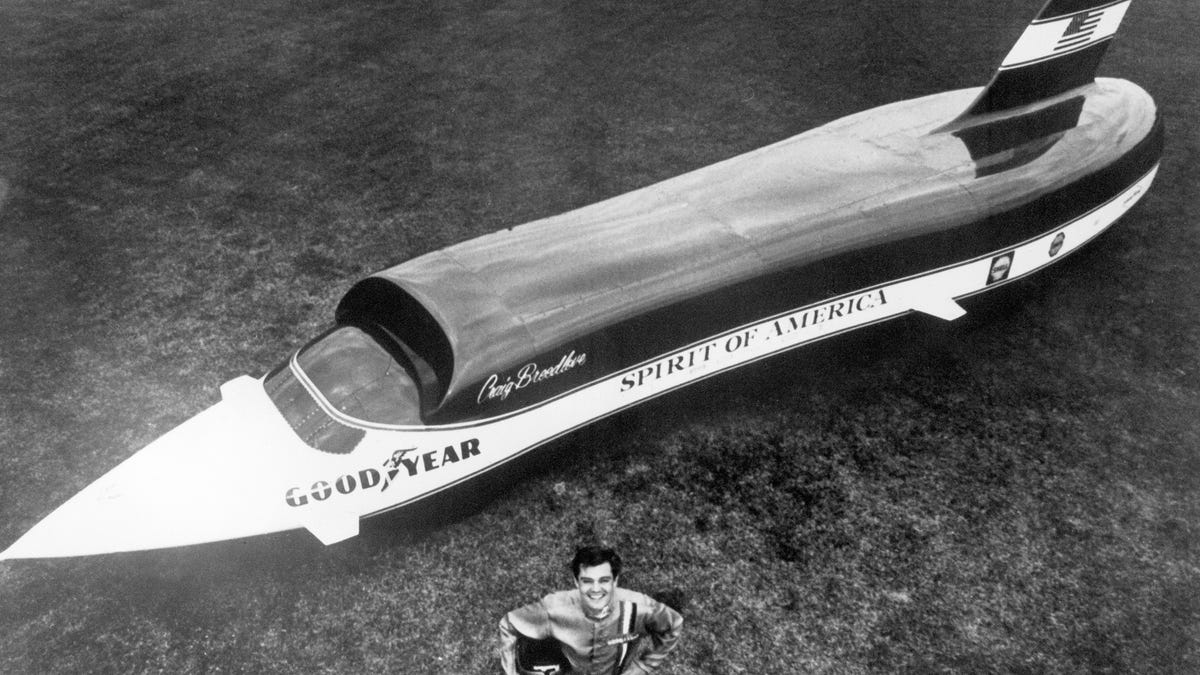
Craig Breedlove, the first person to set land-speed records at 400, 500, and 600 miles per hour, died at the age of 86 due to cancer. He broke the land-speed record repeatedly in the 1960s in jet-engine-powered vehicles, all called Spirit of America. He was a former firefighter whose boyhood love of cars inspired him to make a breakthrough in land racing. His record-breaking vehicles all had the same name: Spirit of America.
Craig Breedlove, the legendary land-speed racer who was the first person to break the 600-mile-per-hour mark in a car, has died at the age of 86. He set multiple land speed records, including the first American to hold a land speed record in more than 30 years. His famous vehicle, "Spirit of America," attempted to beat John Cobb's record in 1962 and set a new record of 407 mph in 1963. Breedlove's wife, Lee Breedlove, also participated in land-speed racing, becoming the fastest woman on Earth in 1965.