A new study explains the evolutionary shrinkage of animal sizes over millions of years, challenging the outdated Cope’s Rule. The study suggests that animal sizes fluctuate based on ecological drivers such as competition intensity and risk of extinction. It highlights three patterns of body-size change: gradual increase, followed by extinctions, and gradual decrease. Recent trends show most species are shrinking due to factors like climate change and human activity, posing a risk of major disruption to ecosystems and the food chain.
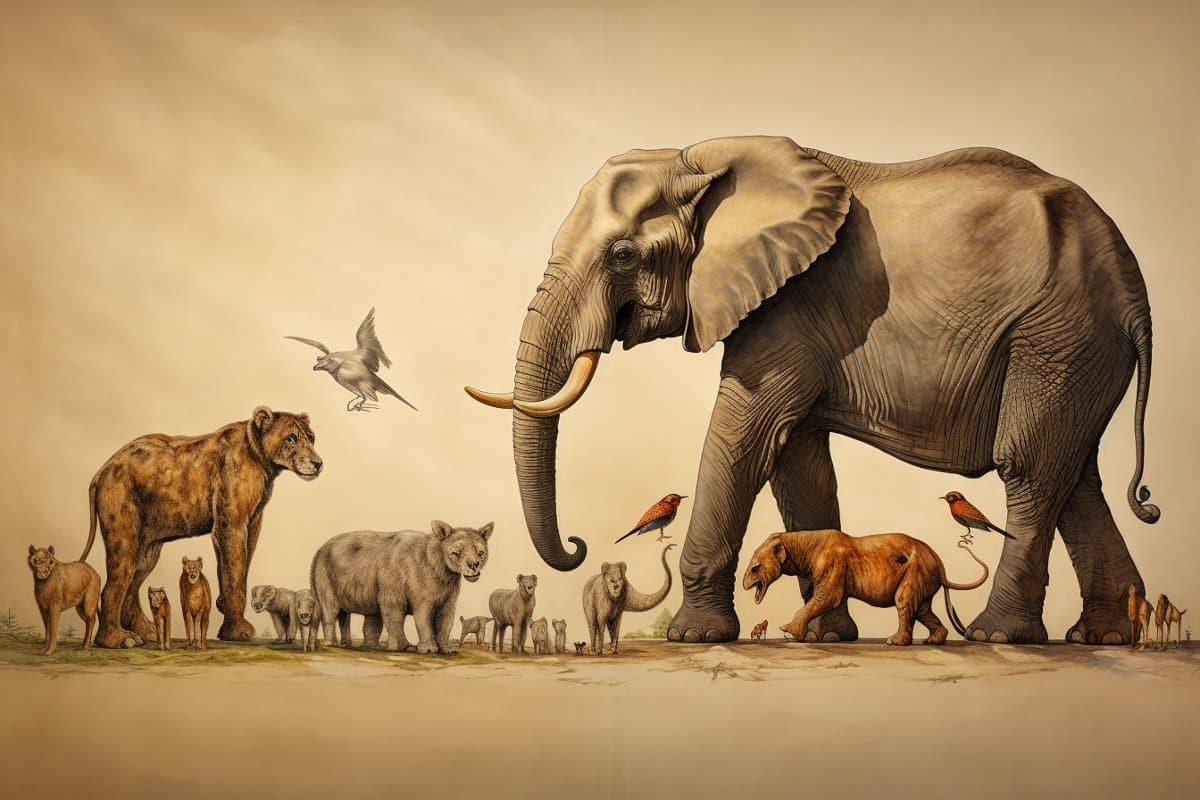
A new study challenges traditional views on animal size evolution by demonstrating how ecological factors, such as competition for resources and extinction risk, influence animal size changes over time. Contradicting Cope’s rule, the research finds that intense competition often leads to smaller sizes, as seen in Alaskan horses and island lizards. The study provides a nuanced understanding of size evolution, explaining the conflicting patterns observed in fossil records.
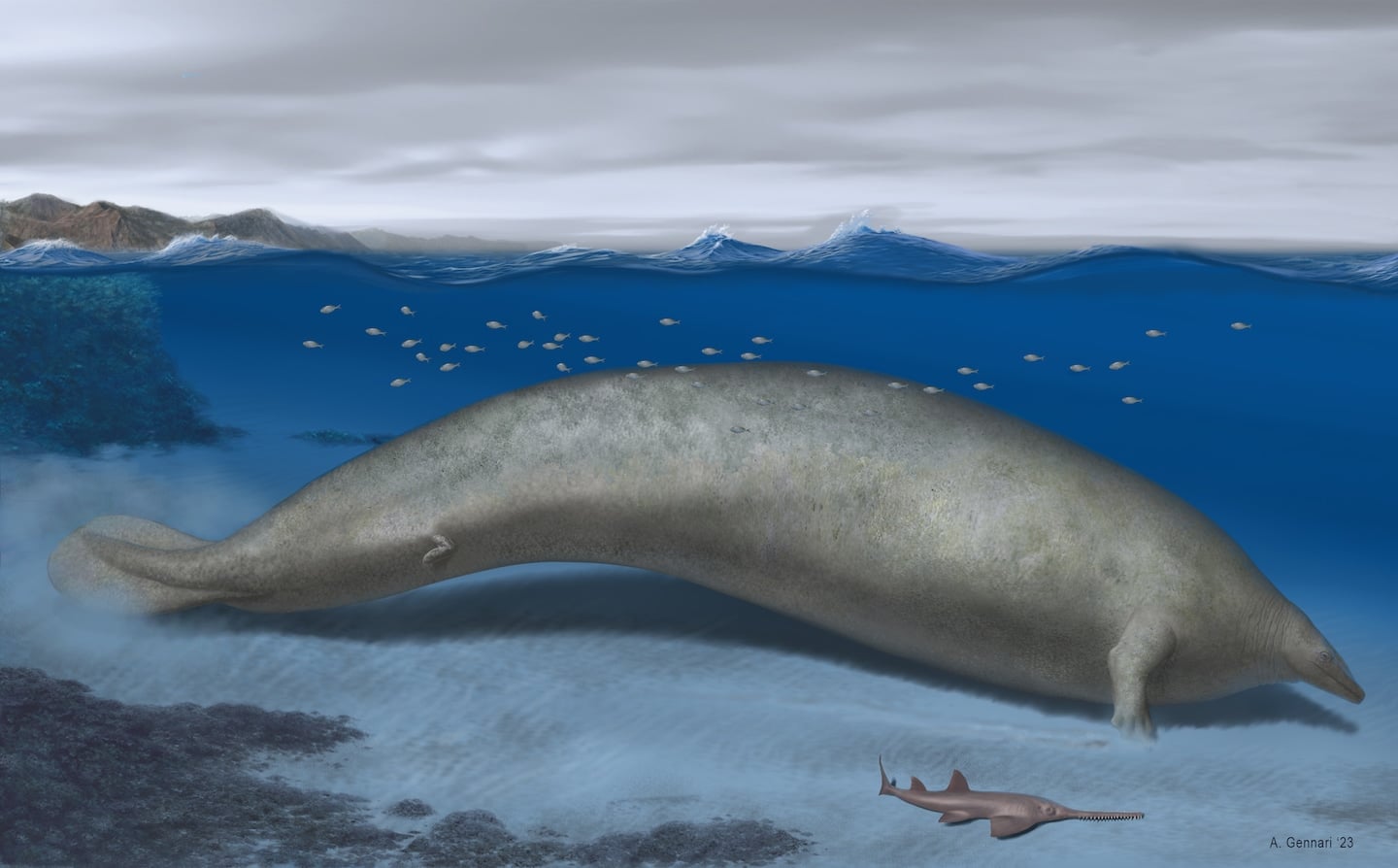
Fossils of an extinct marine mammal, Perucetus colossus, recently discovered in Peru suggest that it may have weighed up to 340 metric tons, challenging the blue whale's status as the largest animal ever. The massive creature, resembling a manatee, has compelled scientists to reconsider how animals can grow to such gigantic sizes. However, some experts remain skeptical of the estimates and believe more fossils are needed before declaring a new heavyweight champion. The discovery highlights the various ways in which whales can evolve into giants and raises questions about the diet and feeding habits of this ancient leviathan.