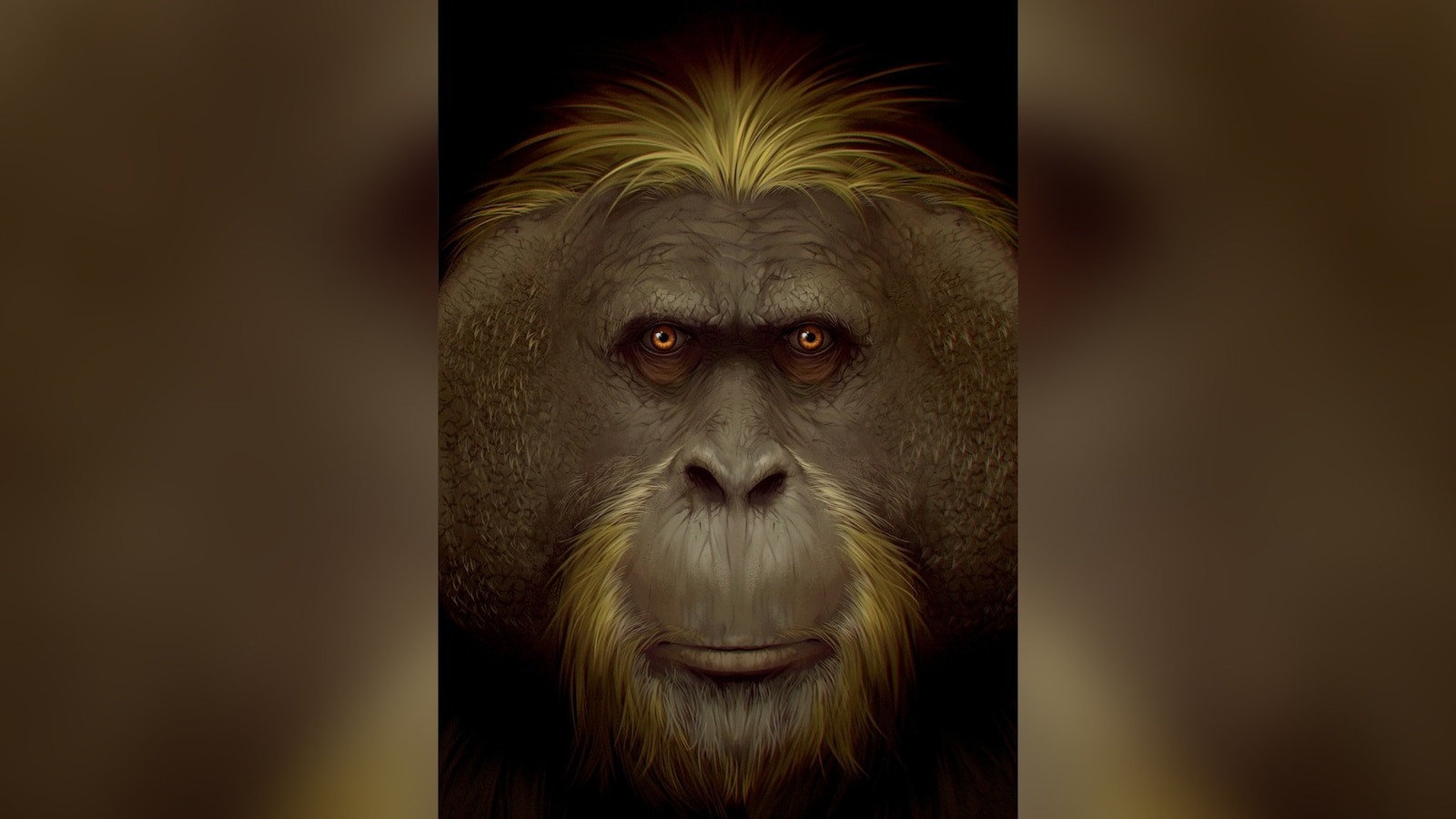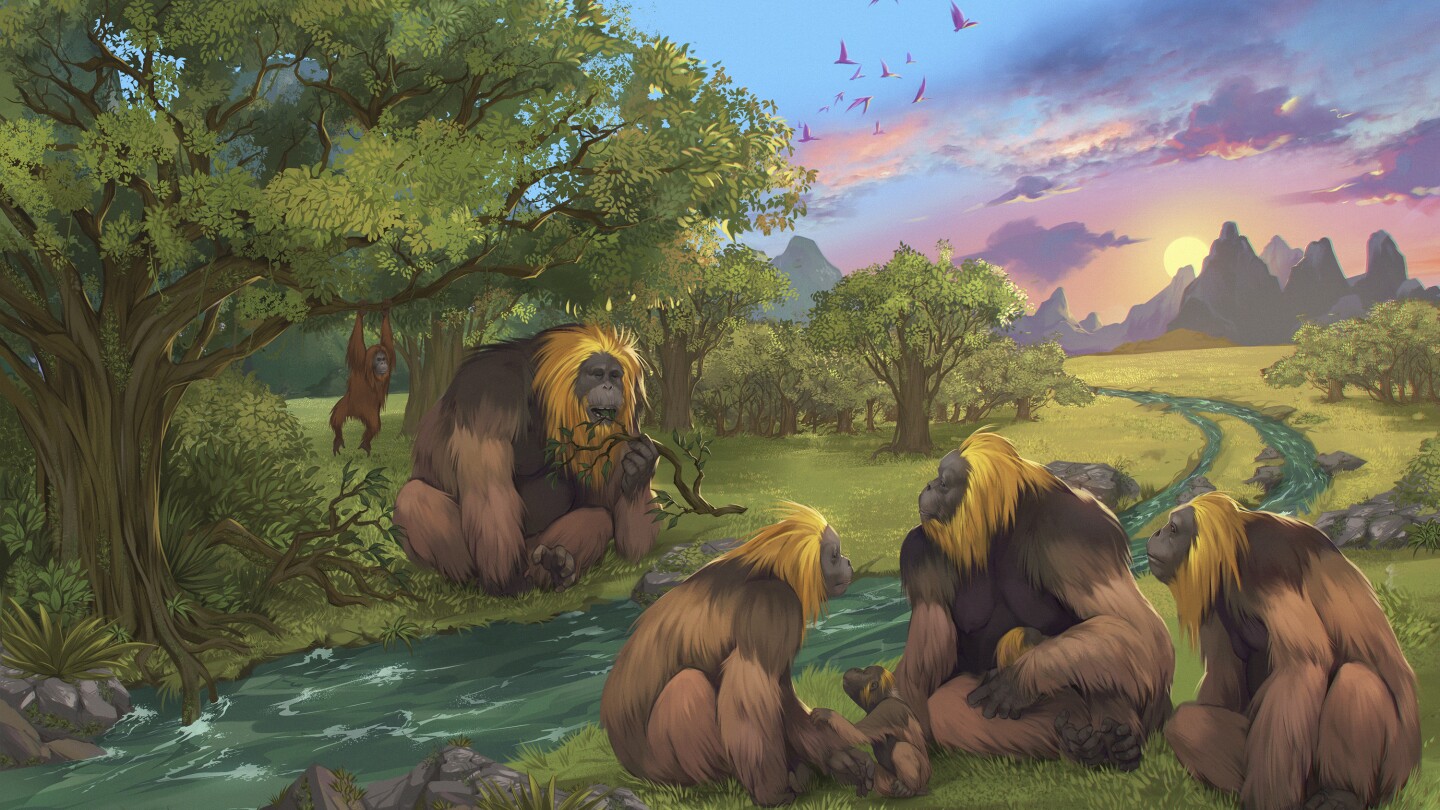
An international team of researchers has determined that Gigantopithecus blacki, the largest known primate, went extinct between 295,000 and 215,000 years ago due to environmental changes that reduced its forest habitat and food sources, highlighting the species' vulnerability as a specialized plant-eater and offering insights into primate resilience and extinction causes.
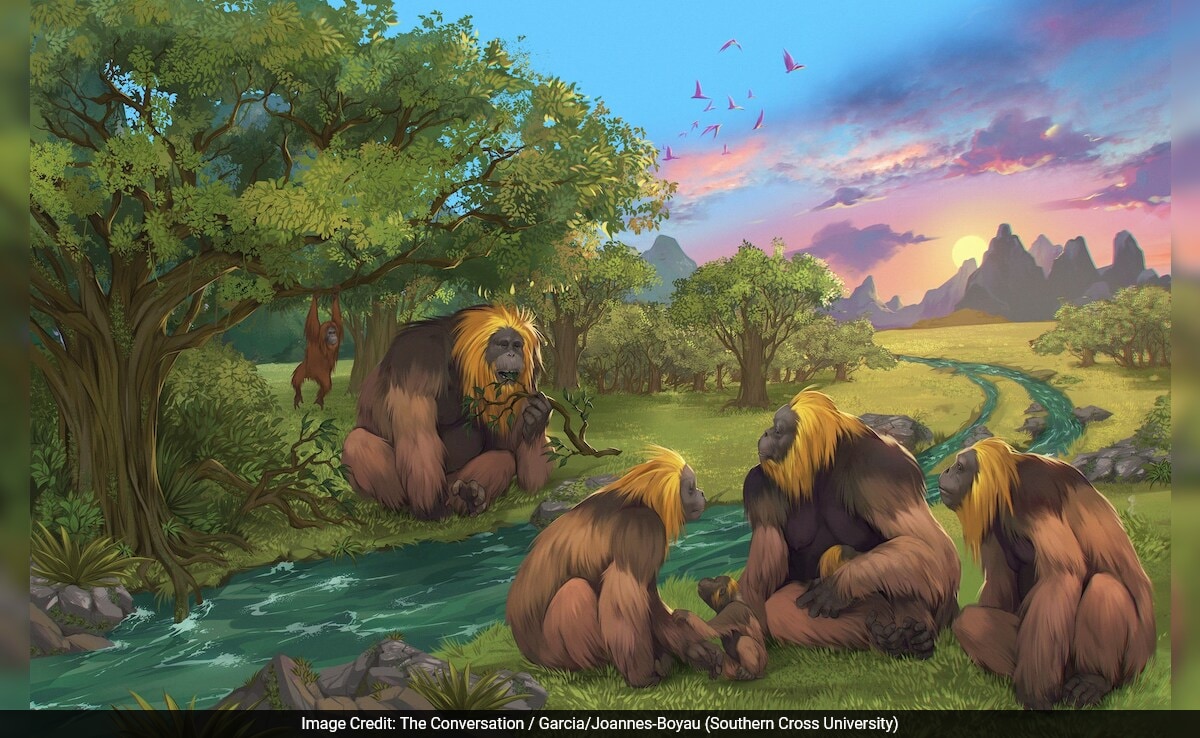
The mystery of the extinction of Gigantopithecus blacki, the largest primate to have ever lived, has been solved by a team of Chinese, Australian, and US scientists. Through extensive exploration and excavations in southern China, the team discovered that the giant ape went extinct between 295,000 and 215,000 years ago due to environmental changes that led to a decrease in its food sources and chronic stress. Unlike its close relative, the orangutans, Gigantopithecus blacki was unable to adapt to the changing environment, ultimately leading to its demise. This study provides valuable insights into primate resilience and the vulnerability of certain species to environmental changes.
A new study suggests that the largest great ape species, Gigantopithecus blacki, went extinct due to climate change affecting their food sources in southern China's Guangxi region around 215,000 to 295,000 years ago. The massive apes, similar to modern orangutans, were unable to adapt to the changing environment and dwindling fruit supply, leading them to rely on non-nutritious food like tree bark and ultimately face extinction. This research sheds light on the impact of climate change on ancient great ape populations and their struggle for survival.
A new study suggests that the largest great ape species, Gigantopithecus blacki, went extinct due to climate change, which led to a scarcity of their preferred fruits during dry seasons. The massive size of these apes made it difficult for them to adapt by climbing trees to find alternative food sources. Fossil evidence from southern China indicates that the species likely disappeared between 215,000 and 295,000 years ago as the environment changed, causing a decline in their preferred food. This research sheds light on the impact of climate change on ancient great ape populations.
Scientists have determined that the largest primate, Gigantopithecus blacki, went extinct between 295,000 and 215,000 years ago due to a shift in its environment and diet. The research suggests that as the climate changed, the dense forests with year-round fruit that giganto relied on shifted to more open forests with scarce fruit during drier periods. Unable to adapt, giganto, which primarily ate fibrous plants like bark and twigs, ultimately succumbed to the environmental changes. This study sheds light on how primates respond to environmental stresses and the factors that make some species more vulnerable to extinction.