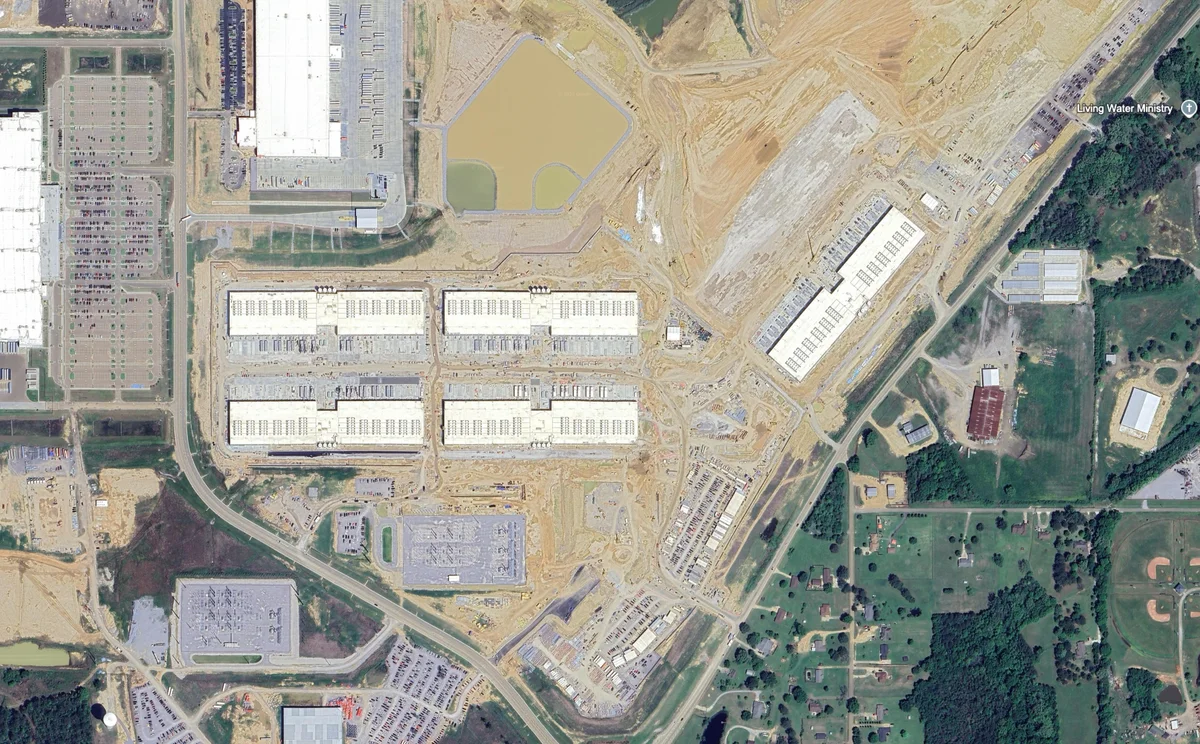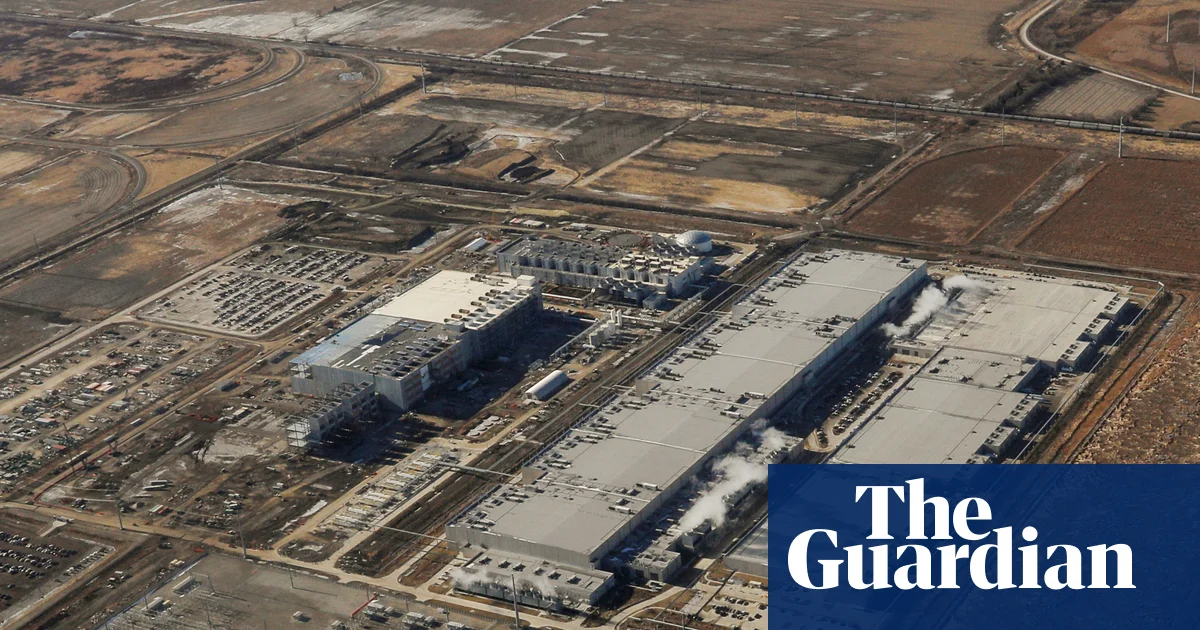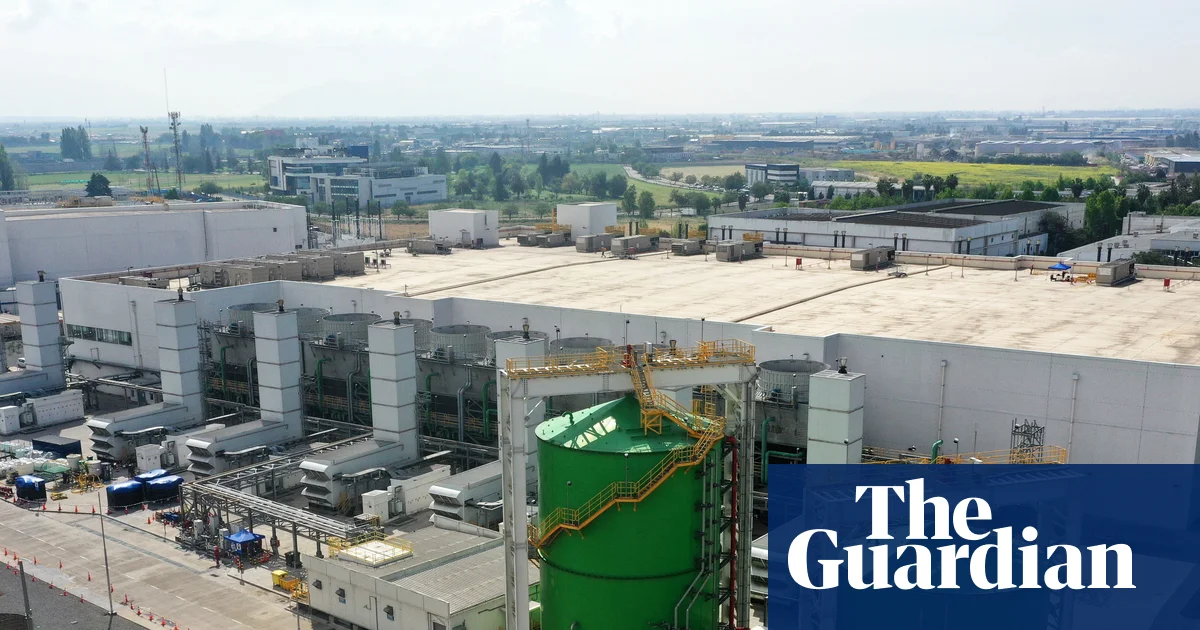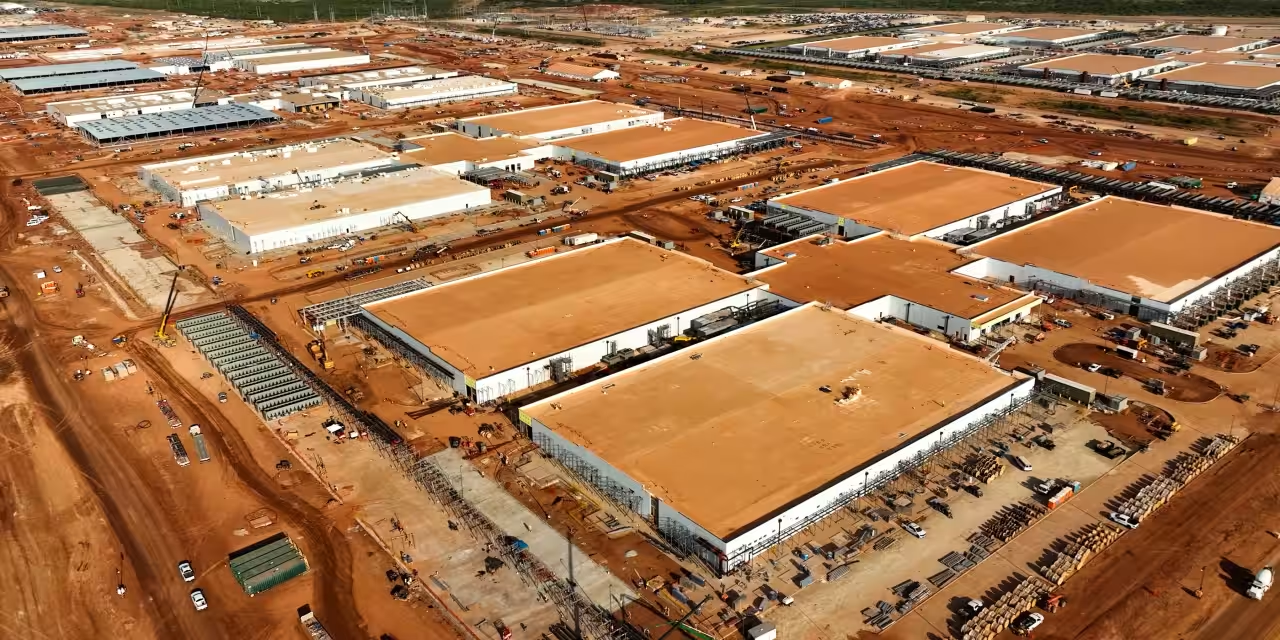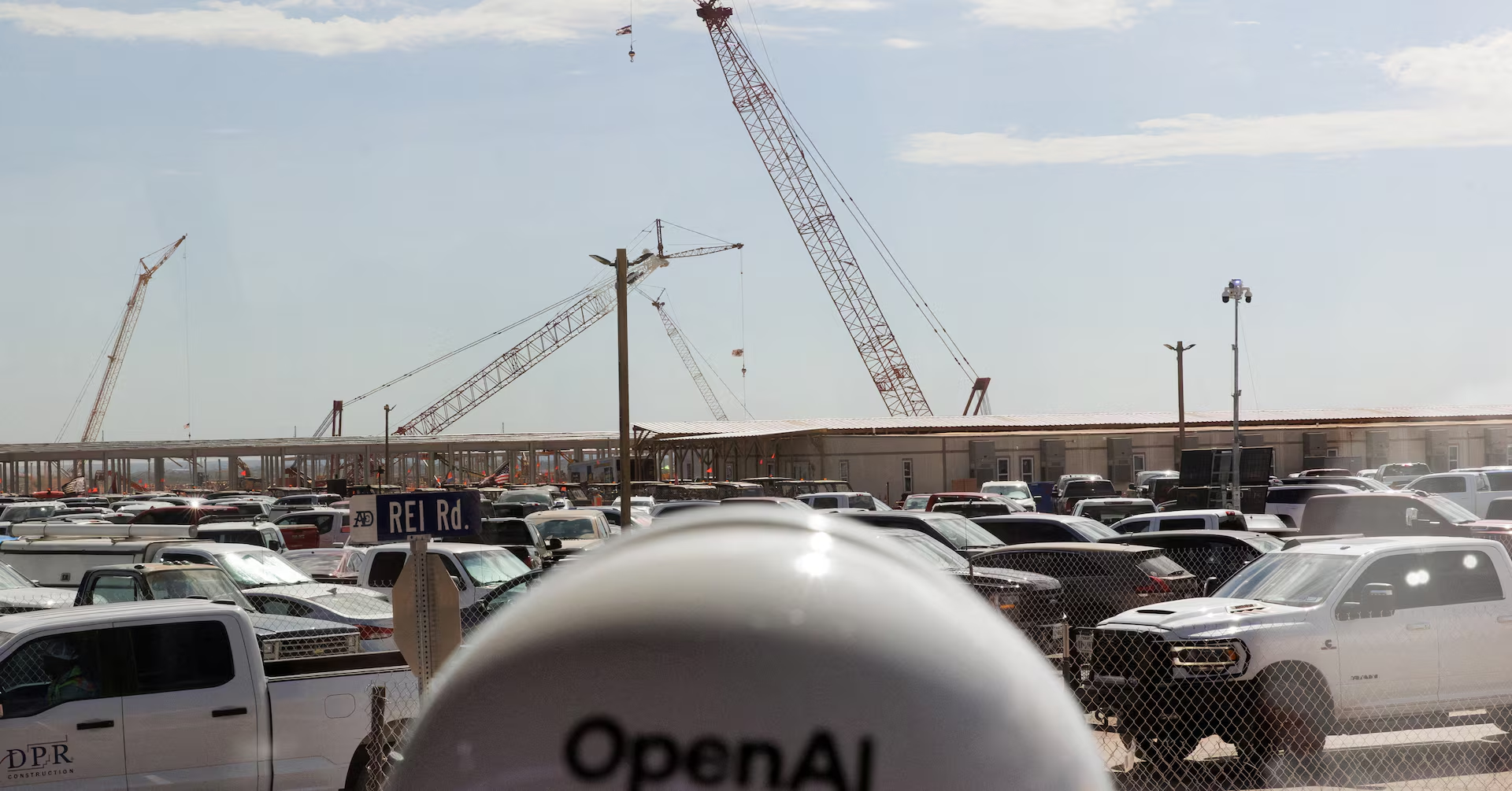
Researchers at Epoch AI are using open-source intelligence, including satellite imagery and legal documents, to map and analyze the growth of datacenters across the US, highlighting their costs, power usage, and ownership, with a focus on the expansion driven by AI industry demands.
In 2026, global expansion of datacenters driven by major tech investments, the widespread deployment of self-driving cars in major cities, AI finding new niches at work, innovative consumer tech with new form factors, and the continued wealth growth of tech billionaires are expected to be key trends shaping the tech landscape.
Anthropic plans to invest $50 billion in building AI data centers across the US by 2026, working with Fluidstack to develop sites in Texas and New York, creating 800 jobs, and aiming to support its AI chatbot Claude and maintain US AI leadership.
The rapid expansion of datacenters in the US to support AI growth is raising environmental concerns, including increased energy consumption, water use, and reliance on fossil fuels, which could significantly impact the climate and lead to higher electricity bills for households. The trend also has political implications, with debates over energy sources and regulation.
The article explores whether the current surge in datacenter investment driven by AI is a bubble, drawing parallels to historical infrastructure booms like railroads and fiber optics. It discusses potential outcomes, including the possibility of unused infrastructure ('dark datacenters') if AI demand falters, and highlights the potential for these investments to lead to new power generation capacity, especially in renewable energy. The piece emphasizes that while some infrastructure may become obsolete, the investments could still benefit the energy sector, particularly if they spur advancements in power generation technology.
Public health advocates are raising concerns about Pfas 'forever chemicals' pollution from datacenters, which are expanding due to the AI industry. These chemicals, used in cooling systems and electronic equipment, pose serious health risks and environmental hazards, yet testing and regulation are lacking. The industry claims minimal pollution, but experts warn of long-term impacts and increased environmental contamination, prompting calls for stricter reporting and regulation.
OpenAI, Oracle, and SoftBank are expanding the Stargate AI project with five new data centers across the US, aiming to reach nearly 7 gigawatts of capacity and over $400 billion in investment, creating 25,000 jobs and supporting advanced AI infrastructure development.
OpenAI, Oracle, and SoftBank are planning five new AI data centers in the US as part of the $500 billion Stargate project, aiming to increase data center capacity to nearly 7 gigawatts and create 25,000 jobs, with a focus on powering advanced AI technologies like ChatGPT.
Google claims its AI model Gemini uses significantly less water per prompt than previous estimates, but critics argue that Google's comparison is misleading because it only considers onsite water use, ignoring the substantial off-site water consumption of datacenter cooling systems. The debate highlights the complexity of accurately measuring AI's environmental footprint.
Oracle's stock declined slightly despite announcing a major expansion of its Stargate AI infrastructure partnership with OpenAI, involving the development of 4.5 gigawatts of data center capacity to support AI computing, amid broader industry and project uncertainties.
Super Micro Computer is set to provide a business update on its fiscal first quarter amid financial reporting controversies, including the resignation of Ernst & Young as its accounting firm and a potential DOJ investigation. The company faces possible Nasdaq delisting if compliance issues aren't resolved. Despite these challenges, analysts expect earnings to rise due to demand from cloud computing companies building data centers for AI applications. Super Micro's stock rose over 2% in recent trading.
Constellation Energy reported a 28% increase in Q3 earnings, surpassing expectations, and adjusted its 2024 profit guidance. Despite this, nuclear stocks, including Constellation, fell after regulators blocked a nuclear deal between Amazon and Talen Energy, citing potential grid and cost issues. The nuclear sector has seen increased interest due to AI-driven energy demand, with major tech companies investing in nuclear power. Constellation's recent deal with Microsoft highlights the growing role of nuclear energy in powering data centers.
Amazon's plans to power its US datacenters with nuclear energy have been stalled after the Federal Energy Regulatory Commission (FERC) rejected a deal to increase power from the Susquehanna nuclear plant. The decision was influenced by concerns from utility companies about grid reliability and potential preferential treatment. FERC found that the proposed amendments lacked sufficient justification and could set a precedent affecting future grid arrangements. This highlights the challenges datacenter operators face in securing energy for expanding AI-driven services.
The surge in demand for electricity, driven by the growth of AI datacenters, is posing challenges for utilities in the US. Brian Janous, co-founder of Cloverleaf Infrastructure and former Microsoft executive, discusses the impact of AI on electricity demand, potential solutions such as building more gas plants and utilizing existing infrastructure more efficiently, and the implications for the net-zero commitments of major tech companies. The podcast also explores the politics of AI datacenters, the possibility of small modular nuclear reactors, and the regulatory barriers to grid buildout.
Google has developed its own in-house datacenter CPU called Axion, based on the Arm Neoverse V2 platform, offering up to 50% higher performance and 60% better energy efficiency compared to current x86-based processors. The Axion CPUs incorporate Google's Titanium microcontrollers for networking, security, and storage I/O processing, freeing up CPU core resources for workloads. Google is ready to offer instances based on its Armv9-based Axion CPUs to customers and has previously deployed Arm-based processors for its own services.