The stock market experienced significant gains with the Dow, S&P 500, and Nasdaq reaching new highs, driven by strong earnings, a surprise jobs report, and positive sector performances, including aerospace and defense stocks, amid ongoing economic and political developments.
Stanley Black & Decker plans to sell its aerospace manufacturing unit, CAM, to Howmet Aerospace for $1.8 billion to reduce debt and fund growth opportunities, with the deal expected to close in 2026.
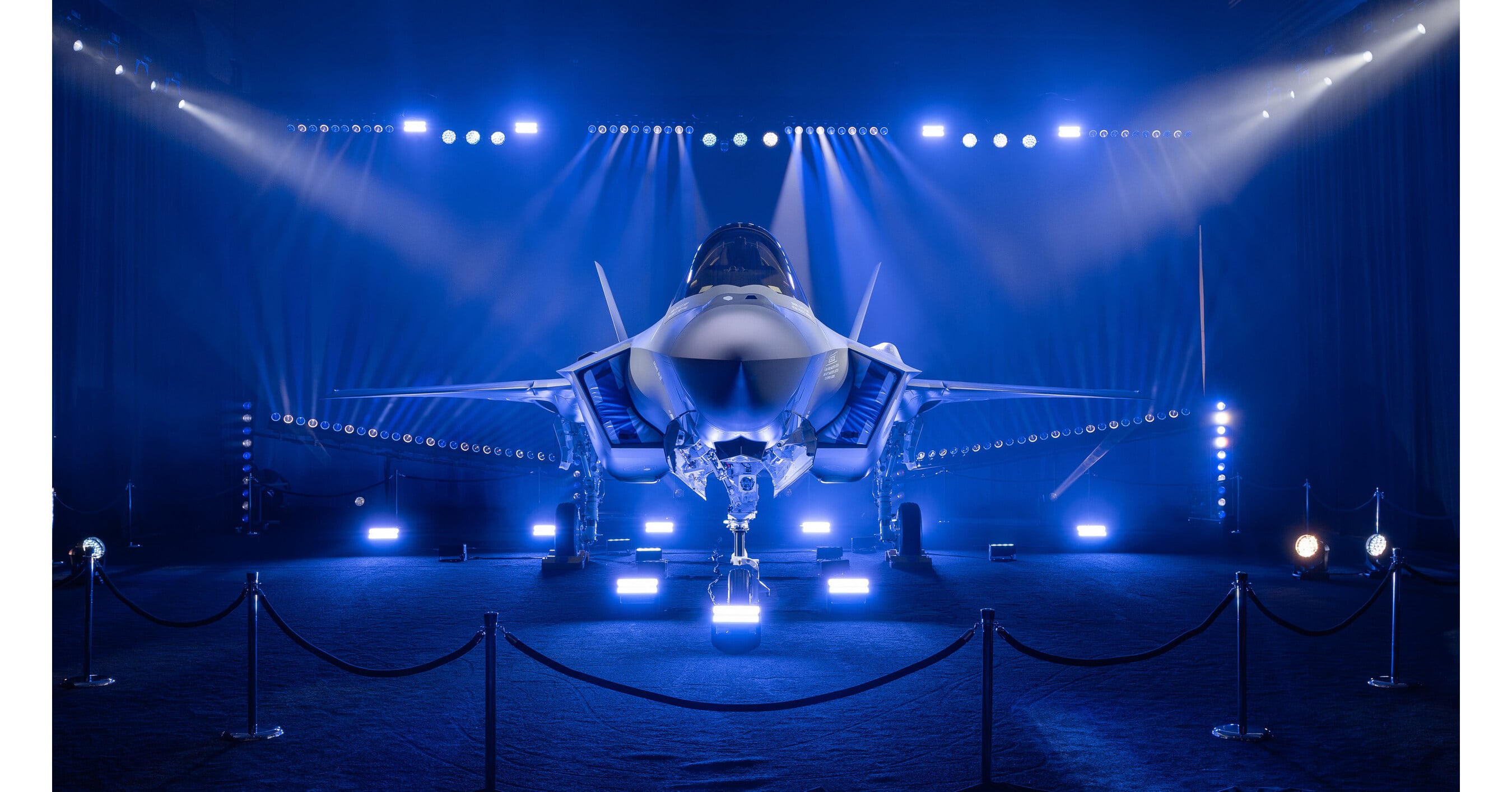
Finland celebrated the debut of its first F-35A Lightning II fighter jet at Lockheed Martin's facility, marking a significant enhancement of its air capabilities and strengthening NATO and trans-Atlantic relations. The aircraft will bolster Finland's defense, improve interoperability with allies, and is part of a broader industrial partnership, with the first jet expected to be delivered in early 2026.
Defense and aerospace companies like GE Aerospace, Northrop Grumman, RTX, and Lockheed Martin raised their 2025 outlooks due to increased demand despite economic uncertainties, with strong quarterly performances and optimistic forecasts for revenue and earnings growth.
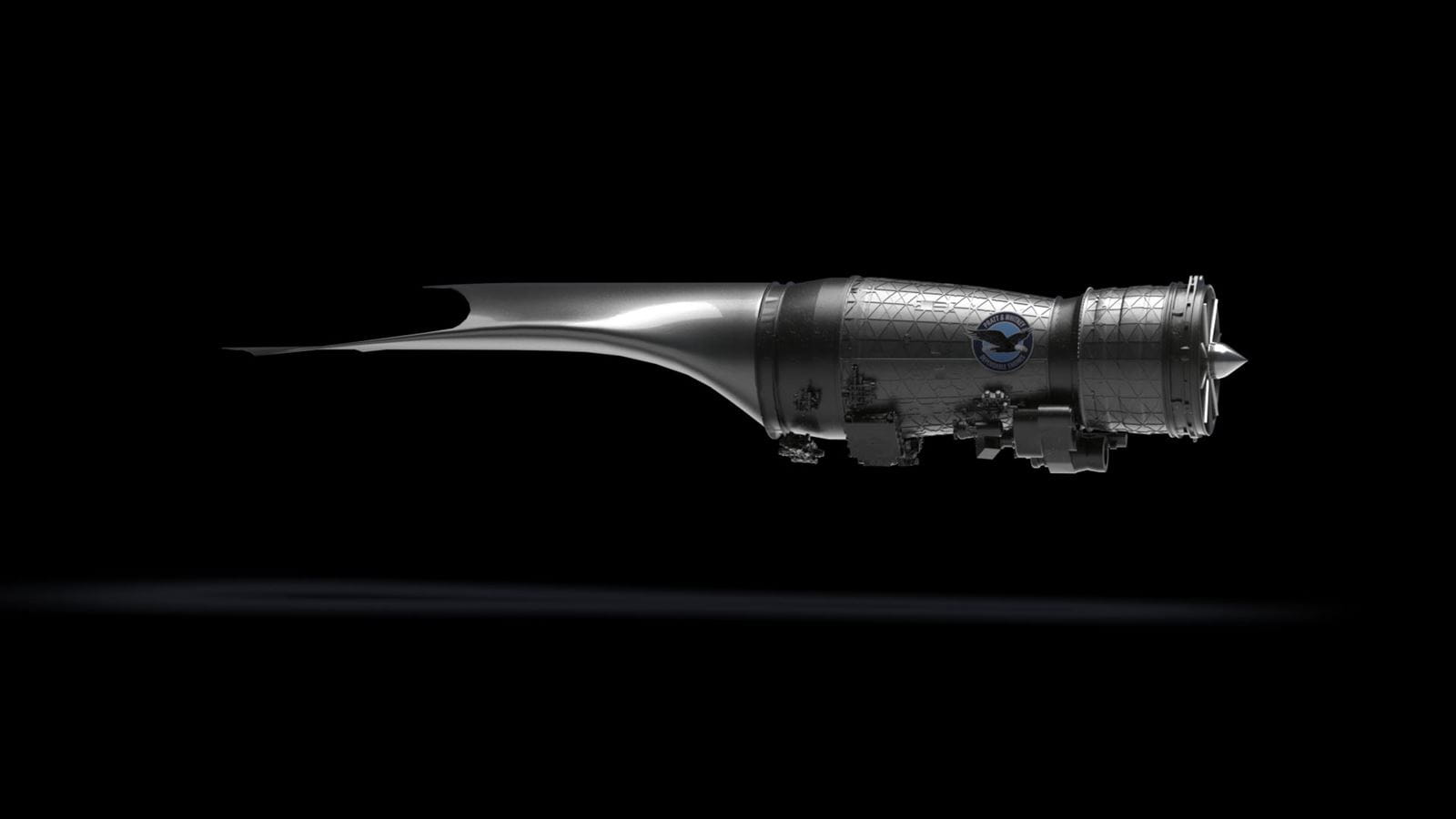
Pratt & Whitney is accelerating the development of its XA103 engine for the U.S. Air Force's NGAP program by utilizing advanced digital design models, which are helping to shorten development times, reduce costs, and improve design efficiency. The company has invested over $30 million in enhancing its digital environment, enabling faster data sharing and collaboration across its engineering teams and suppliers. The engine is expected to undergo testing in the late 2020s.
Aerostar Tillamook, a little-known aerospace company in Oregon, specializes in high-tech fabric for space and atmospheric applications, including NASA-certified airtight membranes for space, high-altitude balloons, and spacecraft airbags, contributing significantly to space exploration and research.
Lockheed Martin's secretive Skunk Works division has unveiled Vectis, a stealthy drone wingman designed for surveillance, electronic warfare, and combat, which is smaller than an F-16 and compatible with advanced aircraft like F-22 and F-35, signaling a move towards autonomous collaborative combat platforms.
SpaceX is set to test the reusability limits of its Starship rocket during its 10th flight, aiming to push the boundaries of rocket reusability and improve space travel efficiency.
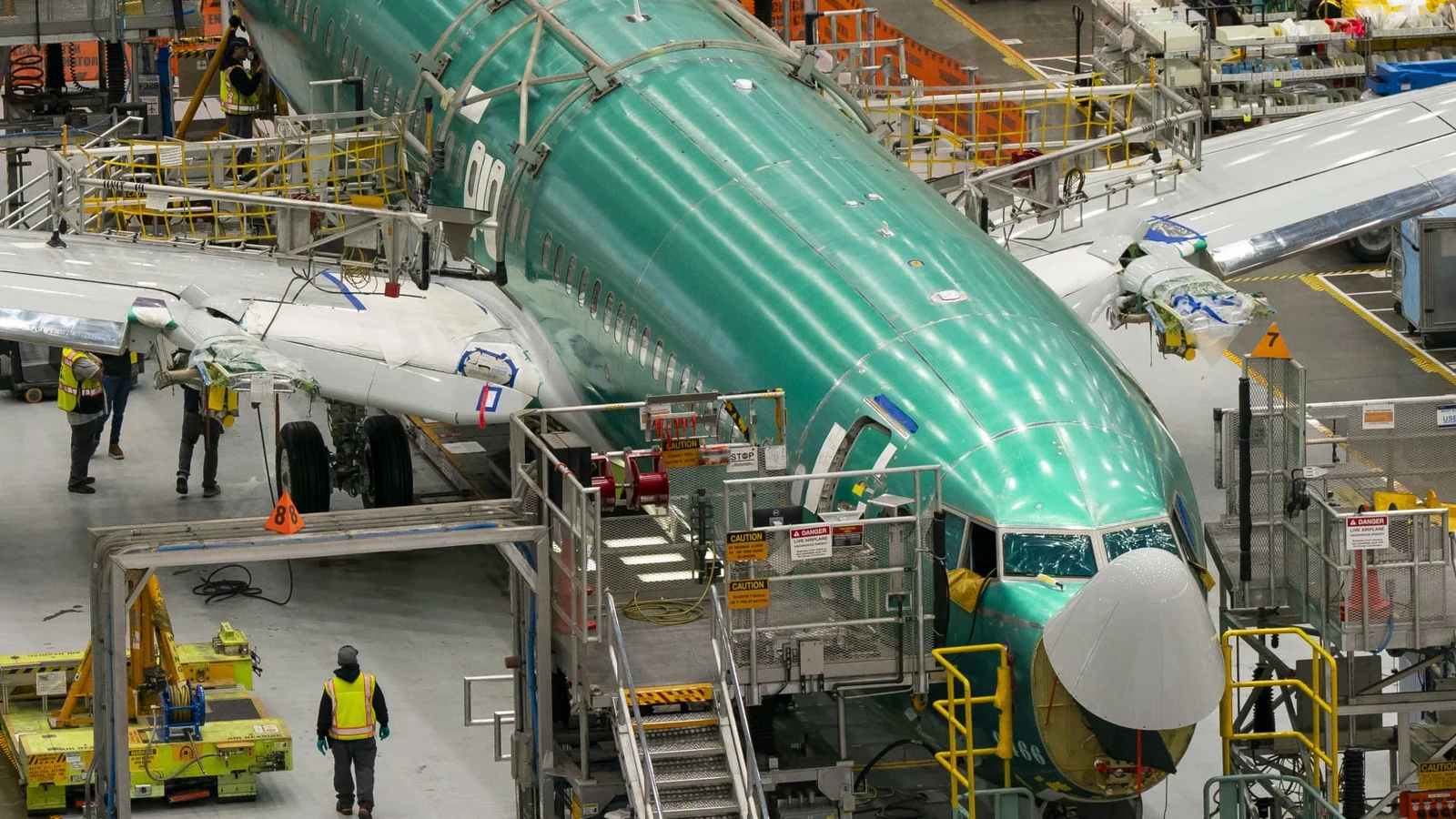
About 3,200 Boeing union workers in Missouri and Illinois went on strike after rejecting a contract offer, citing issues over wages and work schedules, with Boeing prepared to continue operations using non-union staff.
Several thousand Boeing defence workers in St. Louis are set to strike after rejecting a new four-year contract proposal, posing a challenge to Boeing's defence operations, which are a significant part of its revenue. The strike follows previous labour disruptions and comes amid ongoing concerns over manufacturing quality and company recovery efforts.
Lockheed Martin's shares dropped over 6% after reporting an 80% decline in Q2 profit, primarily due to a $1.6 billion classified charge related to a program and issues with a Canadian helicopter deal, leading to lowered profit outlooks despite beating earnings estimates.
Lockheed Martin reported a $1.6 billion loss in Q2 2025, mainly due to challenges with a classified aircraft program, along with losses on helicopter programs in Canada and Turkey, and charges related to the NGAD fighter competition, prompting concerns about future risks and program management.
JetZero Inc. plans to build a $4.7 billion aerospace factory at Piedmont Triad International Airport in Greensboro, North Carolina, creating over 14,500 jobs and receiving up to $1.57 billion in state incentives. The factory aims to produce innovative all-wing aircraft capable of significantly reducing fuel consumption, with first flights expected in 2027 and commercial service by 2030, potentially transforming the regional economy and aerospace industry.
NASA's Ingenuity helicopter has been permanently grounded on Mars after its 72nd flight ended abruptly due to navigation errors caused by the featureless Martian terrain. The helicopter's rotor blades were damaged, with one completely detached, following a hard landing on a sand ripple. Despite being designed for only five flights, Ingenuity completed 72, showcasing the potential of using commercial off-the-shelf components in space missions. While it will no longer fly, Ingenuity continues to transmit data to the Perseverance rover, and its success has inspired future Mars rotorcraft projects.
NASA's Artemis I mission encountered issues with the heat shield of its crew capsule, a critical component for spacecraft re-entry. This highlights the importance of heat shield technology in ensuring the safety and success of space missions.