Tag

Genetic Information

All articles tagged with #genetic information

science1 year ago

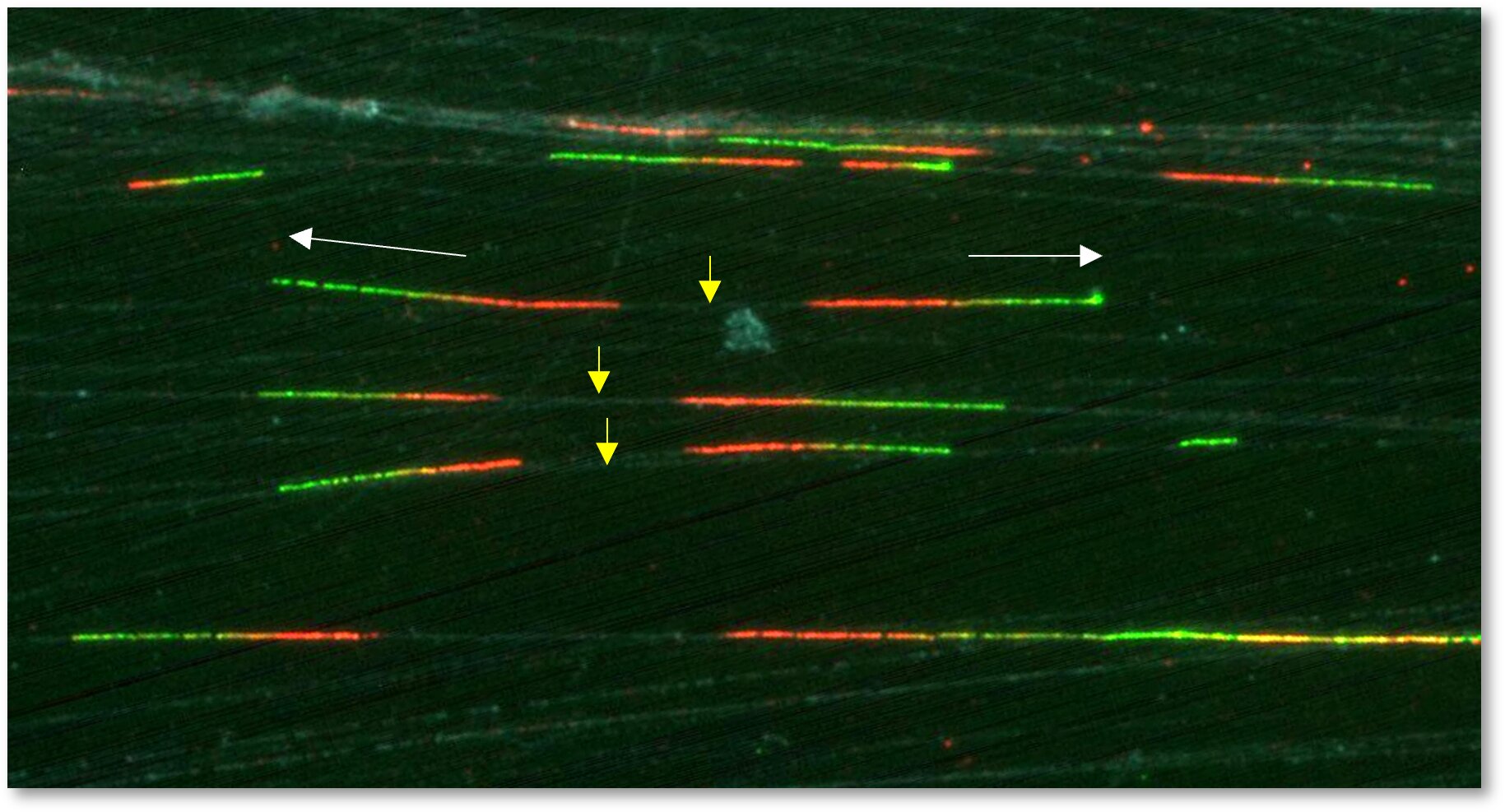
"Novel Protein Inhibits DNA Triplication"

Researchers at the Spanish National Cancer Research Centre have discovered a protein, RAD51, that prevents DNA from being over-replicated, which could lead to cancer. This newly identified anti-failure mechanism ensures that DNA is copied only once, reducing the risk of oncogenes being amplified and preventing DNA damage. RAD51 acts as a physical impediment to the reactivation of the copying process, restricting DNA over-replication from re-activated origins. This finding sheds light on the molecular mechanisms that protect against errors in DNA replication and could have implications for cancer prevention.

science2 years ago

Advancements in Artificial DNA: Creating Designer Proteins and Fooling Enzymes

Scientists have created a new version of DNA with six letters instead of four, expanding the possibilities for custom-designed proteins and novel biological applications. The breakthrough, achieved by researchers from the University of California San Diego, the Foundation for Applied Molecular Evolution, and the Salk Institute for Biological Studies, demonstrates that this artificial DNA can be used to make proteins, opening doors to new advancements in the field.

technology2 years ago

The 23andMe Data Breach Fallout: Updates, Warnings, and Hacks

The recent data breach at 23andMe, initially reported to affect 14,000 people, has now been revealed to impact 6.9 million individuals. The stolen data includes sensitive information such as full names, genetic information, and more. Experts warn that the implications of this breach are severe, as the ability to weaponize DNA data could grow more acute with advancing technology. The stolen data is already up for sale, and the hack could expose 23andMe to lawsuits. Additionally, the company's updated terms of service now require users to give up their right to sue. The breach highlights the potential consequences of personal data being used for discriminatory purposes and identity theft. The lack of two-factor authentication has been criticized as a preventable security flaw.

healthcare2 years ago

Breakthrough AI Technology Identifies Cancer Origins for Targeted Treatments

Researchers at MIT have developed an artificial intelligence (AI) model called OncoNPC that analyzes genetic information to predict the origin of cancers of unknown primary (CUP). The AI model accurately classified at least 40% of tumors in a study of 900 patients. This information could help doctors recommend targeted treatments for these patients, potentially improving their clinical response. However, the study had limitations, including a lack of diversity in the patient population and the consideration of only 22 common cancer types. The researchers hope to integrate unstructured data like pathology images and clinical notes to enhance the AI model's understanding of tumors. Experts see this as an important step toward identifying optimal treatment plans for patients with cancer of unknown origin, but further validation and real-world studies are needed.

science2 years ago

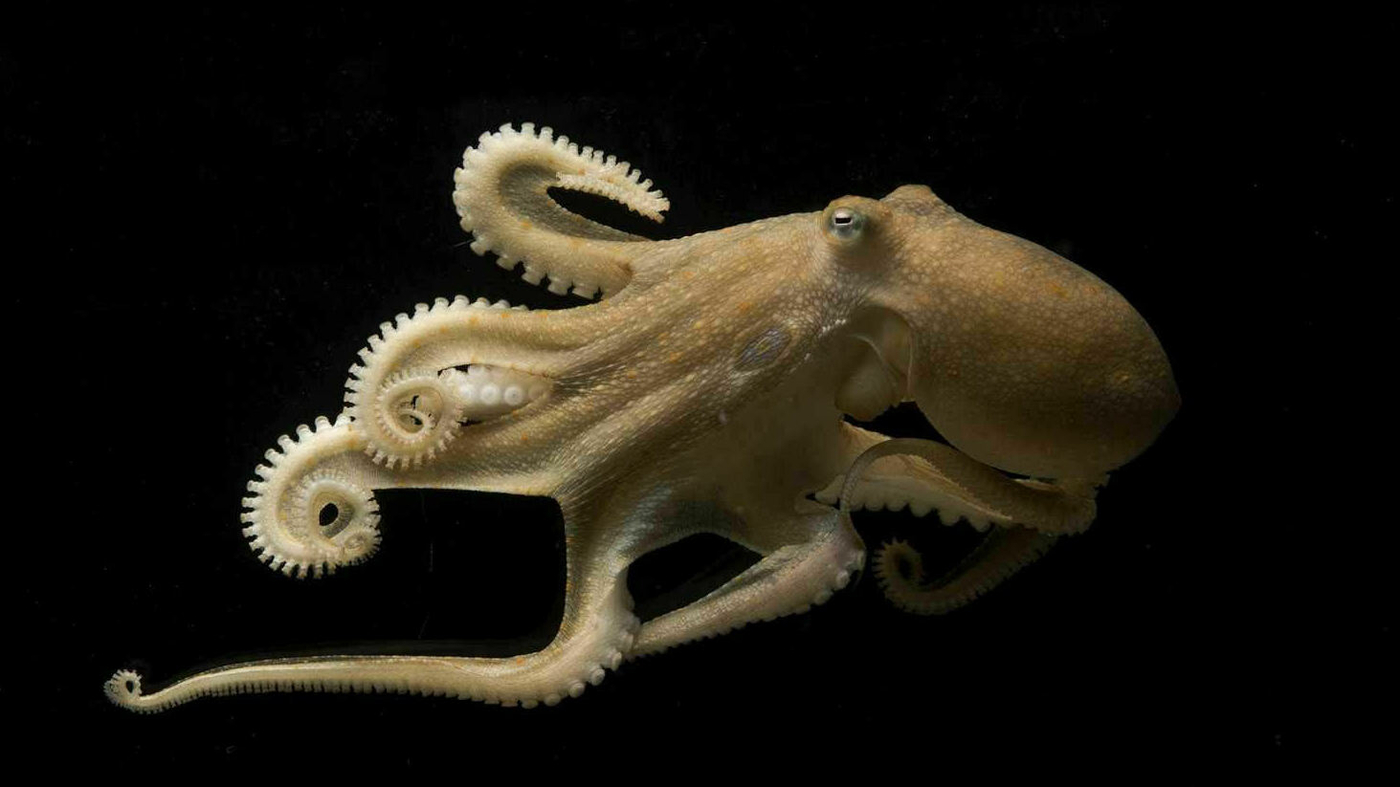
Octopuses use RNA editing to adapt to changing ocean temperatures.

Octopuses can edit the RNA in their brains on a massive scale, allowing them to adapt to changes in their environment. Researchers found that more than 60% of RNAs in the brains of octopuses and their relatives get edited, affecting over 20,000 different locations on various proteins. This adaptation is likely to help octopuses keep their brains functioning properly in both warm and cool waters. The study sheds new light on the adaptability of these creatures and may help scientists design therapeutics for problematic mutations in humans.

science-and-technology2 years ago

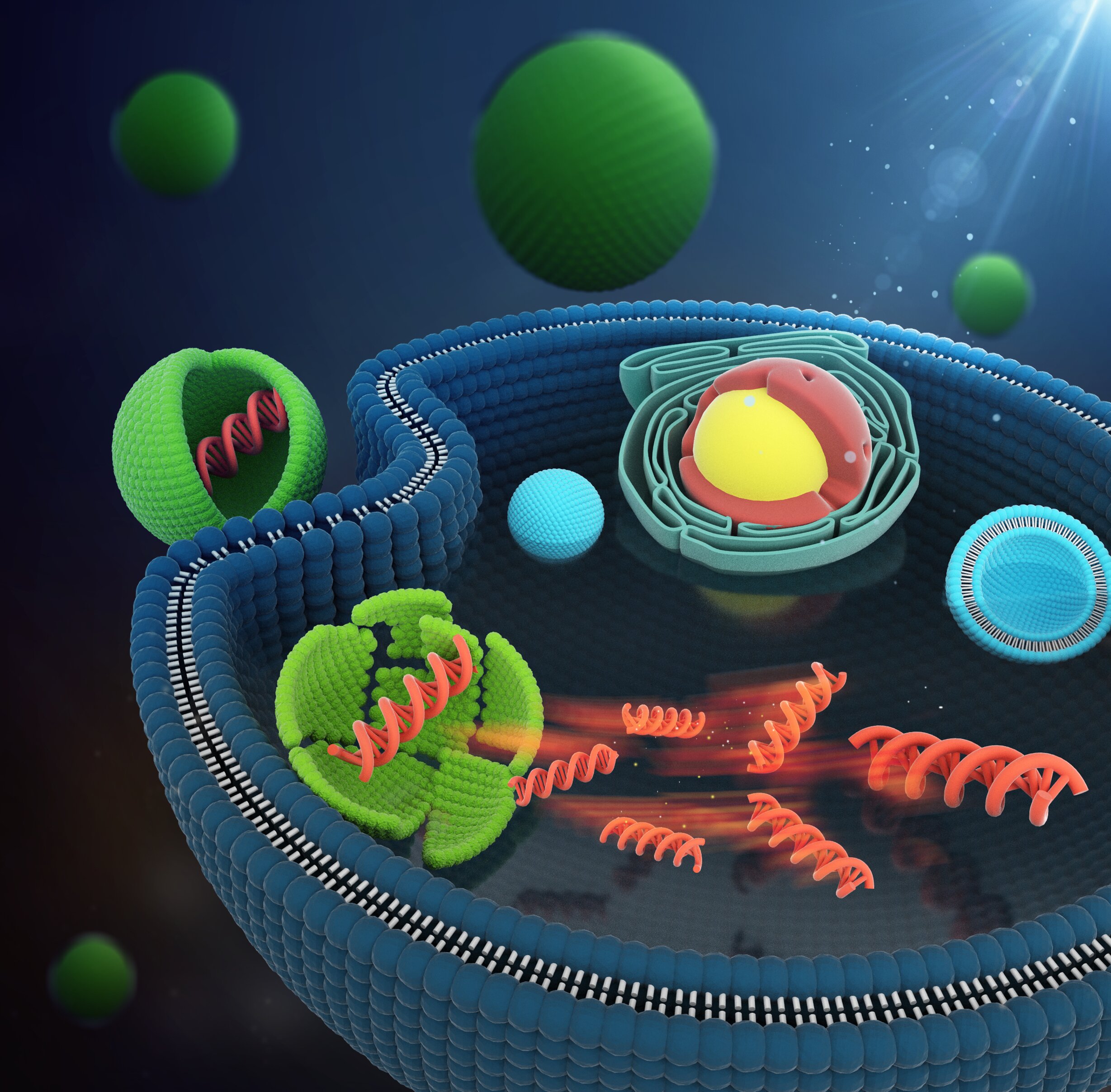
Revolutionary Stem Cell Delivery Method Unveiled for Regenerative Medicine

Researchers have developed a new method for delivering genetic information into stem cells, which are notoriously difficult to penetrate. The discovery will make it easier to direct and enhance the processes involved in regenerative medicine. The team coated nanoparticles in a type of polymer, which helped them to get into the stem cells more efficiently. The coated nanoparticles avoided getting trapped in vesicles, unlike the uncoated ones. The discovery will help to make the delivery of genetic information to stem cells more efficient so that it is easier to control which cells they become.

health2 years ago

WHO Confronts China Over Withholding COVID-19 Origin Data

Chinese health officials defend their search for the origin of COVID-19 and criticize the World Health Organization (WHO) for suggesting that China should have shared genetic information earlier. The WHO Director, Tedros Adhanom Ghebreyesus, had said that newly disclosed genetic material from Wuhan should have been made available when the virus began. Chinese officials have previously pushed back on the theory that the virus originated in a Wuhan seafood market where illegally traded raccoon dogs may have infected humans. FBI Director Christopher Wray said in March that the COVID-19 pandemic was likely caused by a lab leak in Wuhan, China.

covid-192 years ago

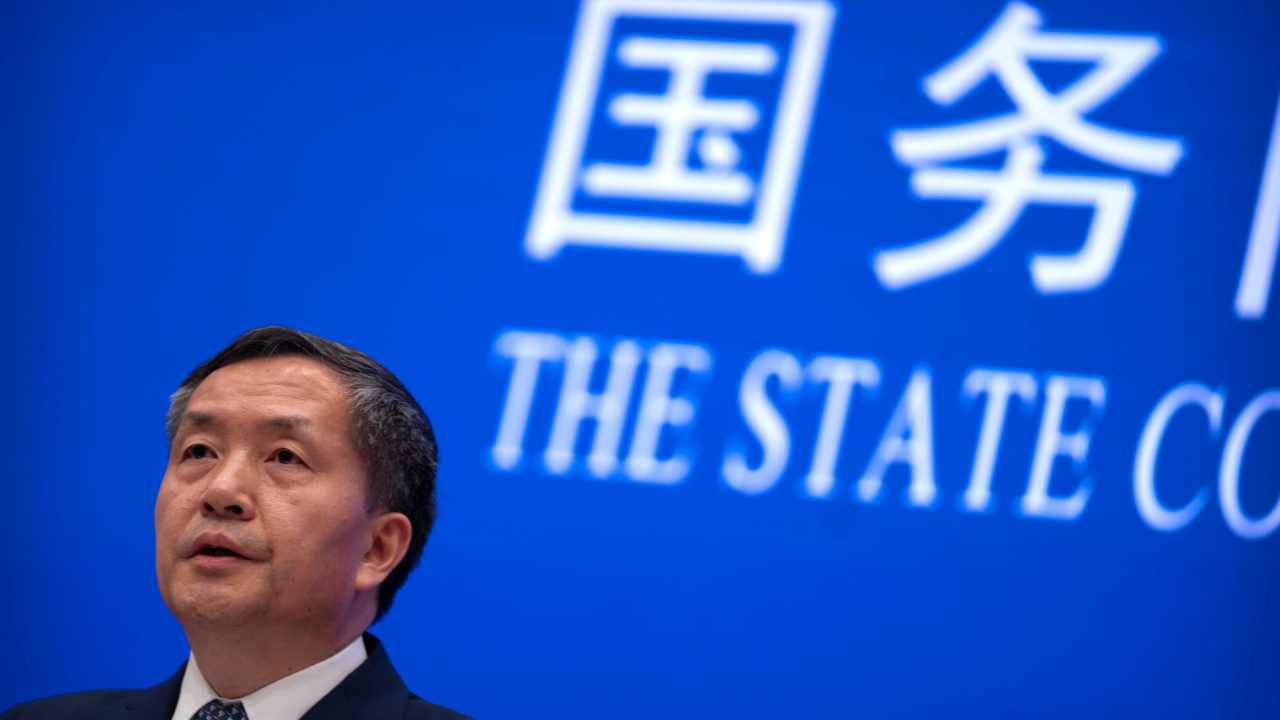
China defends COVID-19 search, criticizes WHO politicization.

Chinese health officials defended their search for the origin of COVID-19 and criticized the World Health Organization (WHO) for suggesting that Beijing should have shared genetic information earlier. The WHO's comments were "offensive and disrespectful," said the director of the China Center for Disease Control and Prevention. The origins of COVID-19 are still debated, with many scientists believing it jumped from animals to humans at a market in Wuhan, but the city also is home to laboratories including China's top facility for collecting viruses, prompting suggestions COVID-19 might have leaked from one.

health2 years ago

WHO urged to take fair stance on COVID origins by China and scientists.

Chinese health officials defended their search for the origin of COVID-19 and criticized the World Health Organization (WHO) for suggesting that Beijing should have shared genetic information earlier. The WHO's comments were deemed "offensive and disrespectful" by the director of the China Center for Disease Control and Prevention. The origins of COVID-19 are still debated, with some scientists believing it jumped from animals to humans at a market in Wuhan, while others suggest it may have leaked from a laboratory.