New research suggests that the physical looping of DNA played a crucial role in the evolution of complex animals by enabling sophisticated gene regulation, which allowed cells to differentiate and form diverse tissues, marking a significant step from unicellular ancestors to multicellular organisms like cnidarians and ctenophores.
Researchers discovered that herpes simplex virus-1 (HSV-1) deliberately reshapes the human genome to facilitate its replication, but blocking the enzyme topoisomerase I can prevent this process, offering a potential new treatment strategy.
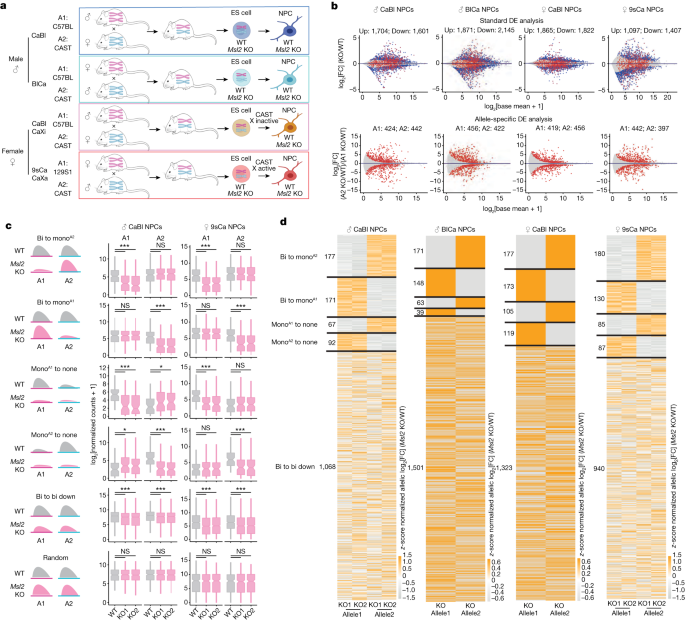
A study has revealed that MSL2, a component of the MSL complex, plays a crucial role in ensuring biallelic gene expression in mammals. Using hybrid mouse cell line models, researchers found that MSL2 regulates the expression of haploinsufficient genes, which require both copies of the gene to produce a functional amount of protein. The loss of MSL2 resulted in allele-specific changes in gene expression, with some genes transitioning from biallelic to monoallelic expression. The chromatin landscape also underwent significant changes, with alterations in histone modifications and promoter-enhancer interactions. These findings shed light on the mechanisms underlying gene dosage regulation and provide insights into the role of MSL2 in maintaining balanced gene expression in mammals.
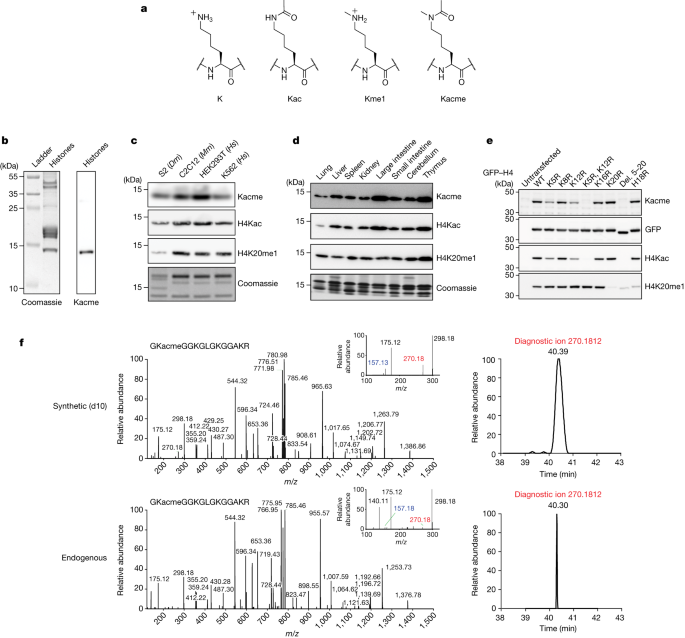
Researchers have discovered that acetyl-methyllysine, a reversible lysine post-translational modification, marks chromatin at active transcription start sites. This modification plays a crucial role in regulating RNA synthesis and gene expression. The study provides insights into the molecular mechanisms of epigenetic control and highlights the importance of acetyl-methyllysine in chromatin structure and protein interactions. The data from various experiments have been made available in public databases for further analysis.
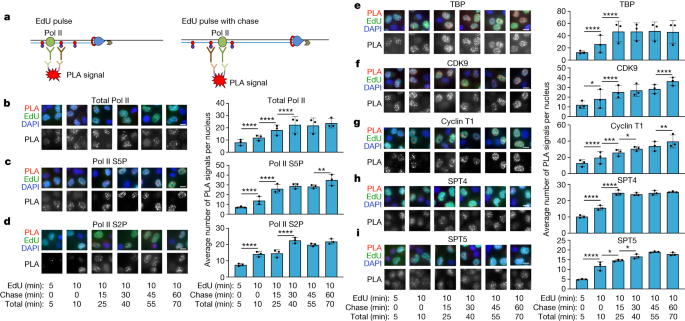
A recent study has found that RNA polymerase II, an enzyme responsible for transcribing DNA into RNA, remains associated with active genes during DNA replication. This discovery challenges the conventional understanding that RNA polymerase II dissociates from chromatin during replication. The findings suggest that RNA polymerase II may play a role in maintaining transcriptional memory and contribute to the regulation of gene expression.
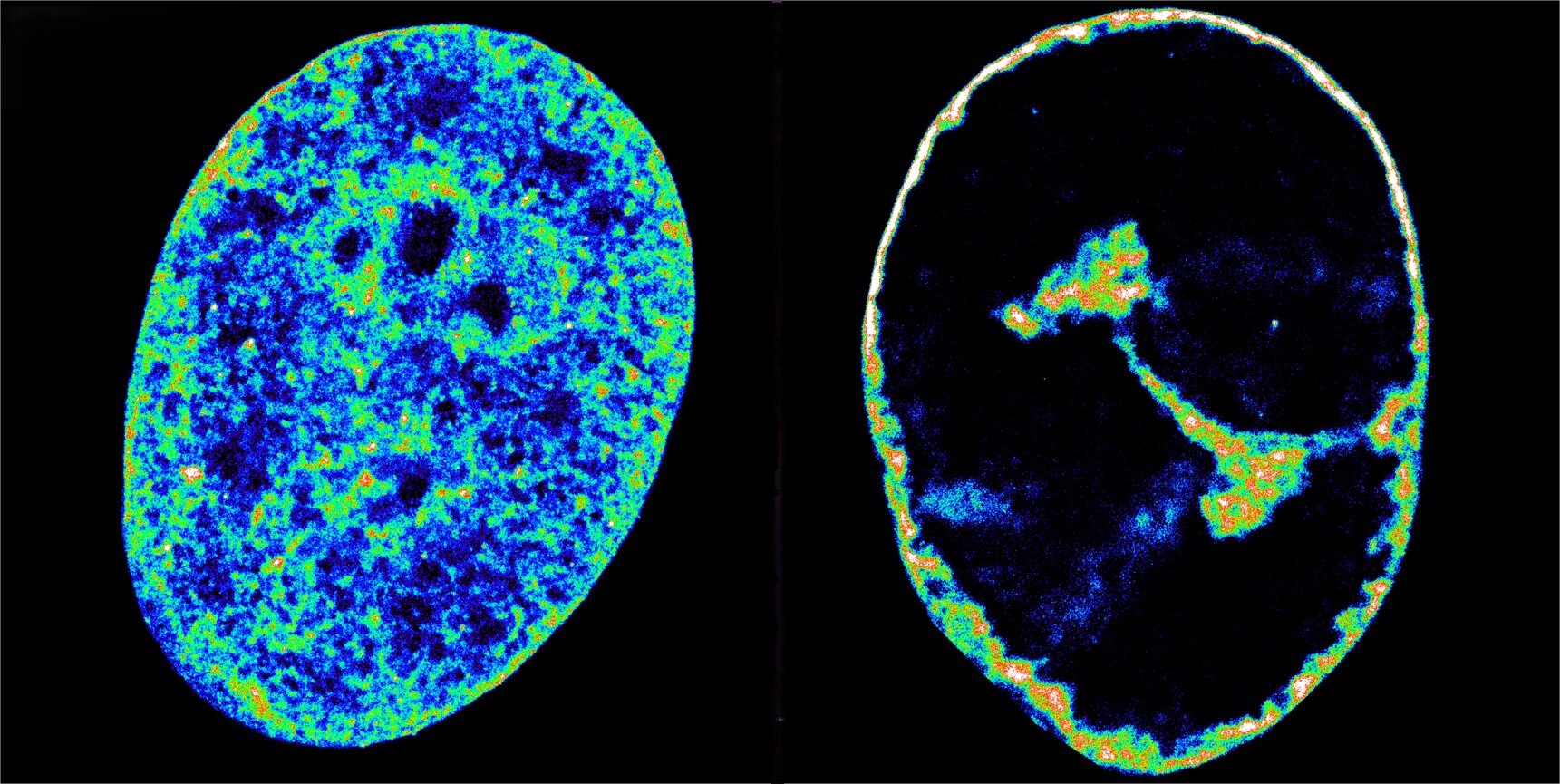
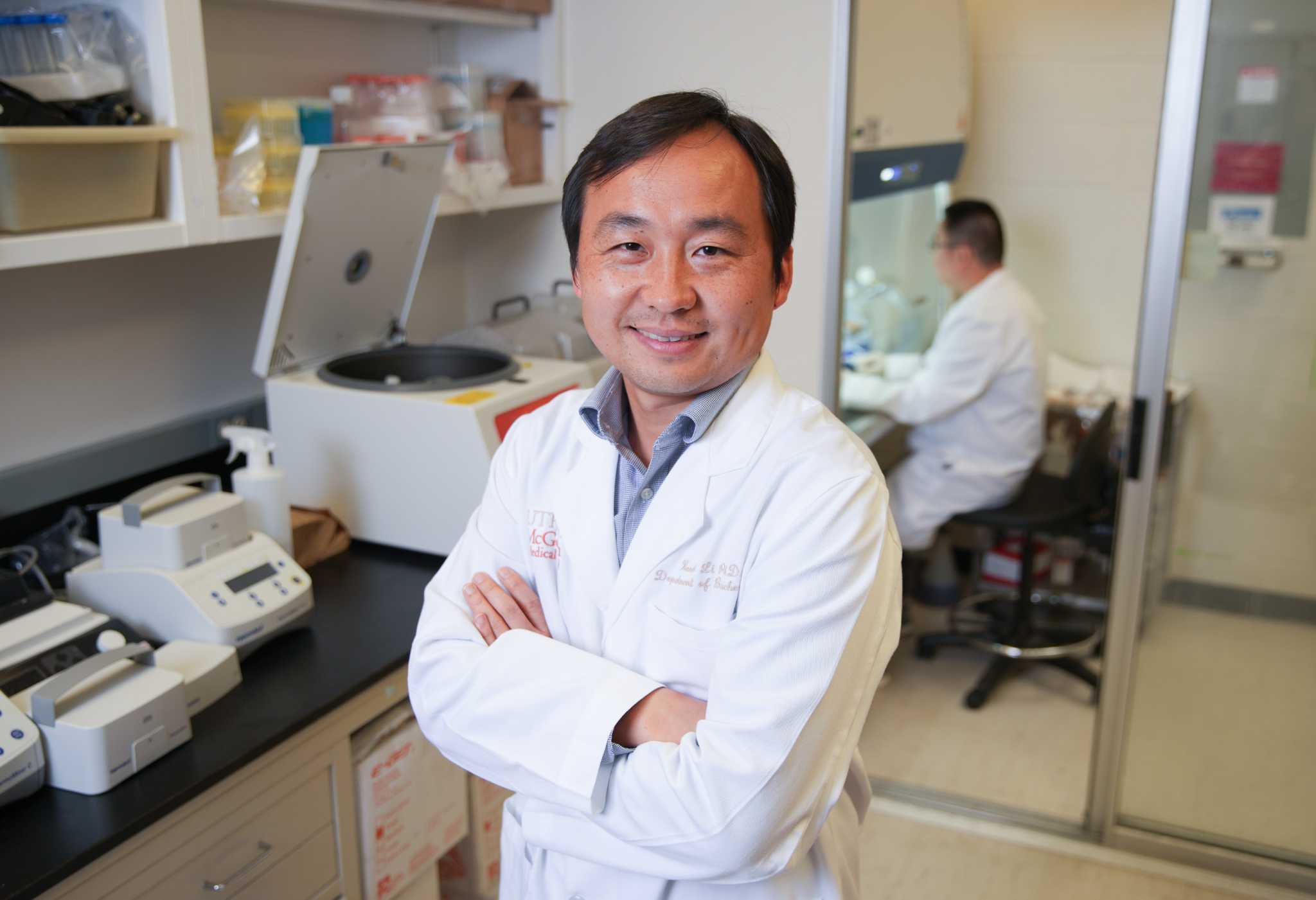
A new study from UTHealth Houston found that the virus that causes COVID-19 can alter the genomic structure of cells, which may explain the immunological symptoms that someone experiences from an infection. The changes to the genomic structure of cells could play a role in long COVID. The study focuses on the way the virus affects chromatin, or the mixture of DNA and proteins that form the chromosomes found in cells. Researchers believe that if they can understand how those changes are occurring, they may be able to develop a treatment to prevent them or alleviate COVID-19 symptoms.