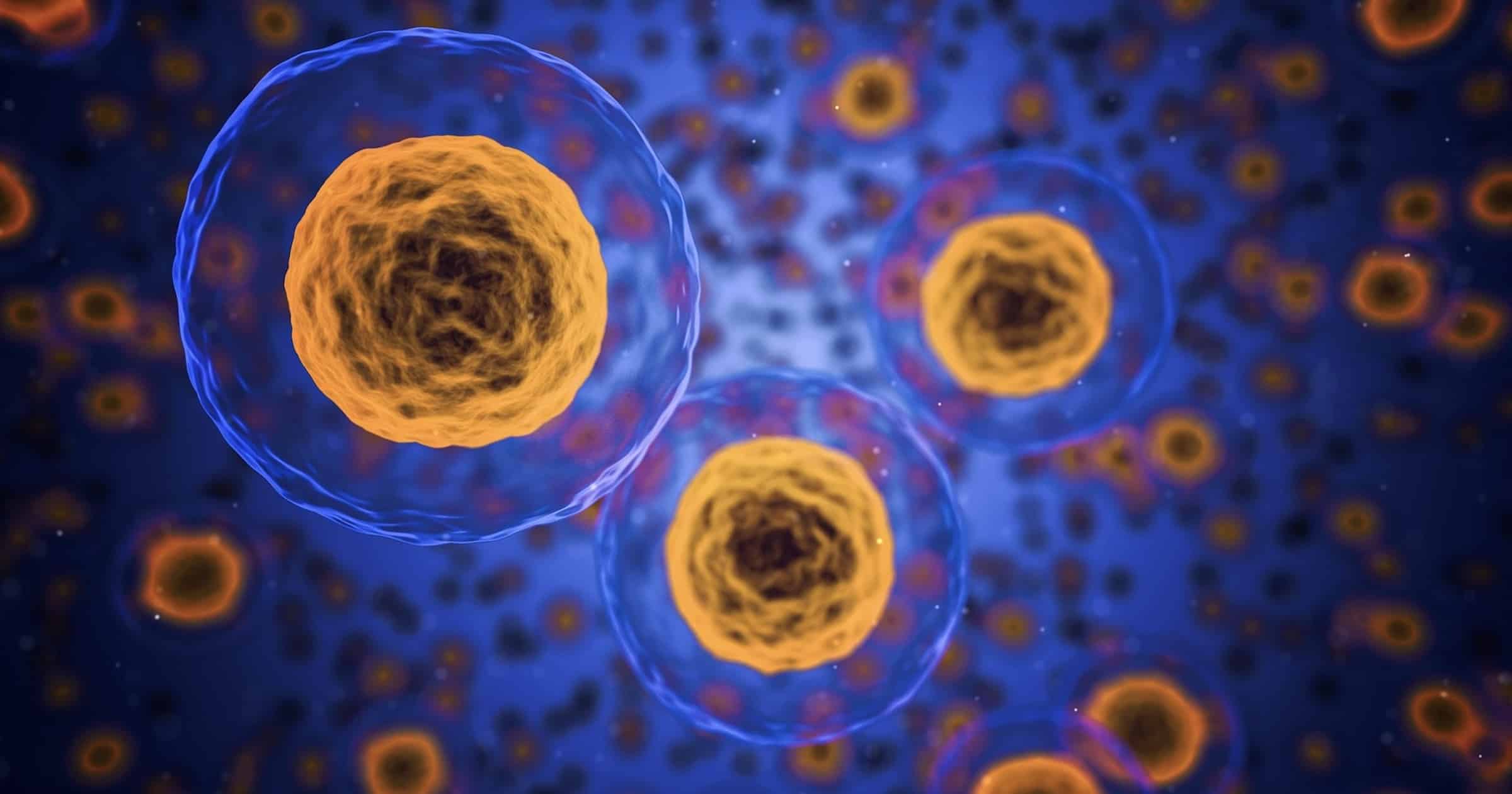
A new perspective on the cell challenges the machine concept and suggests that cellular behavior is probabilistic rather than deterministic. The Brownian ratchet model replaces the power-stroke model for intracellular transport, showing how order can arise from chaos. The study of individual cells reveals isogenic heterogeneity, indicating that cells do not all behave in identical ways despite possessing identical genetic programs. This probabilistic nature allows cells to adapt rapidly to changing environmental conditions. The fluid and dynamic view of the cell raises questions about materialism and suggests the presence of cellular cognition. However, this new perspective faces resistance due to its departure from reductionistic and deterministic views.
In his book "The Selfish Gene," Richard Dawkins popularized the idea that organisms are merely vehicles for gene replication. However, this gene-centric view overlooks the crucial role of cells in the process. Cells are not tools created by DNA, but rather entities that interpret genetic information and transform it into an organism. The complexity and beauty of traits in organisms suggest that evolution is not solely driven by selfish genes, but rather a more intricate interplay between genes, cells, and the environment.
A new study from Tel Aviv University has uncovered the science behind the delayed tanning process that occurs after sun exposure. The research reveals that the body's initial response is to prioritize repairing DNA damage in the skin cells, which inhibits the mechanism responsible for skin pigmentation. The study found that the repair mechanism takes precedence over other systems in the cell, temporarily disabling the pigmentation mechanism. Only after the DNA repair is complete does the production of melanin, which darkens the skin, begin. The findings could lead to innovative treatments for protecting the skin against radiation damage and potentially preventing skin cancer.