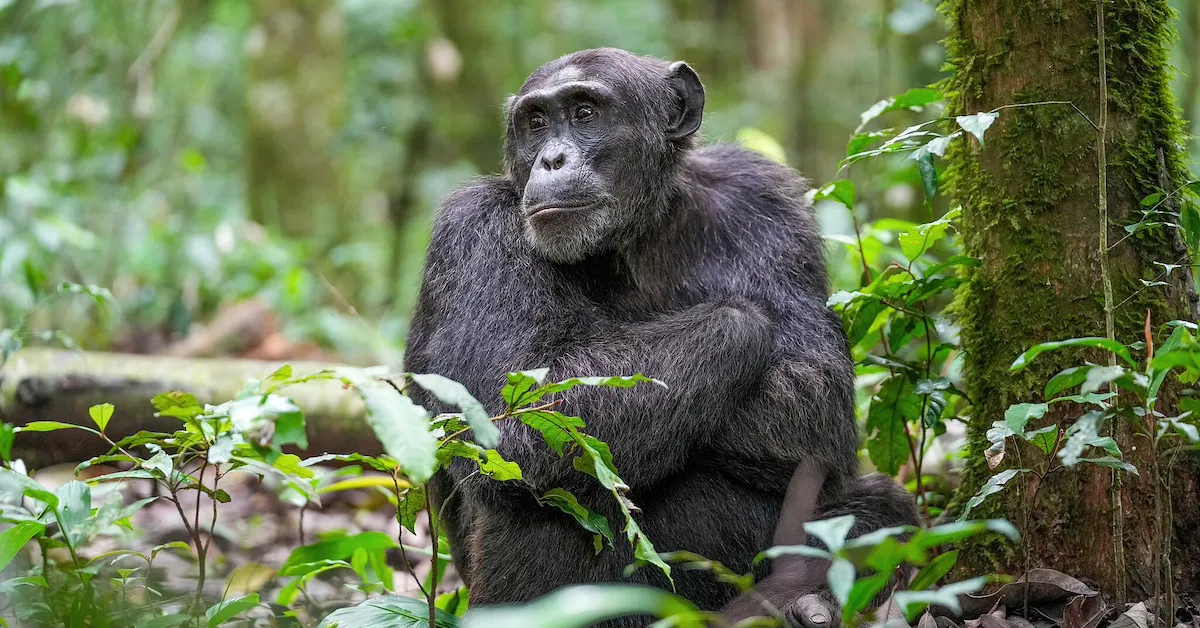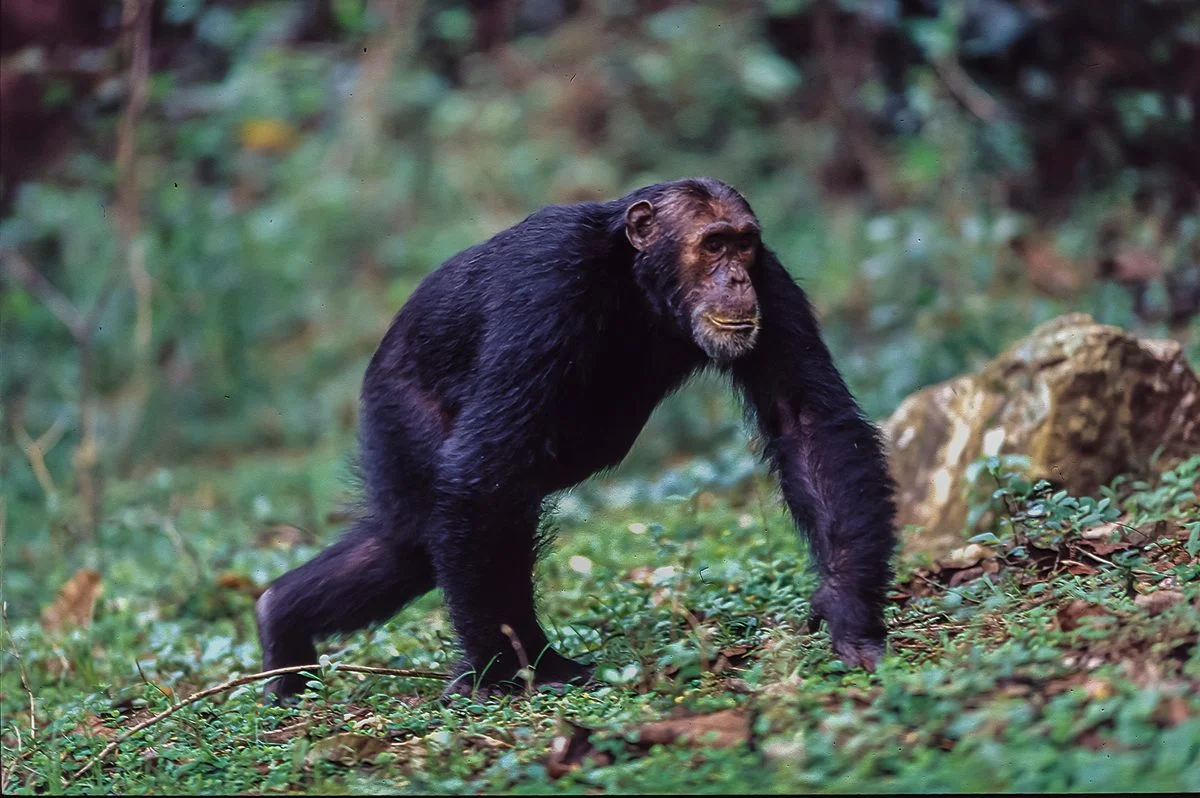
Research shows that specific parts of the human brain respond distinctly to chimpanzee vocalizations, indicating deep evolutionary roots of voice recognition that predate human language and suggesting shared neural mechanisms with our closest primate relatives.
In 1997, a chimpanzee named Santino at Furuvik Zoo in Sweden demonstrated remarkable behavior by planning and preparing to throw rocks at visitors, including gathering and fracturing stones, which indicated a level of future planning and deception previously thought unique to humans. This discovery provided significant insights into primate cognition and behavior.
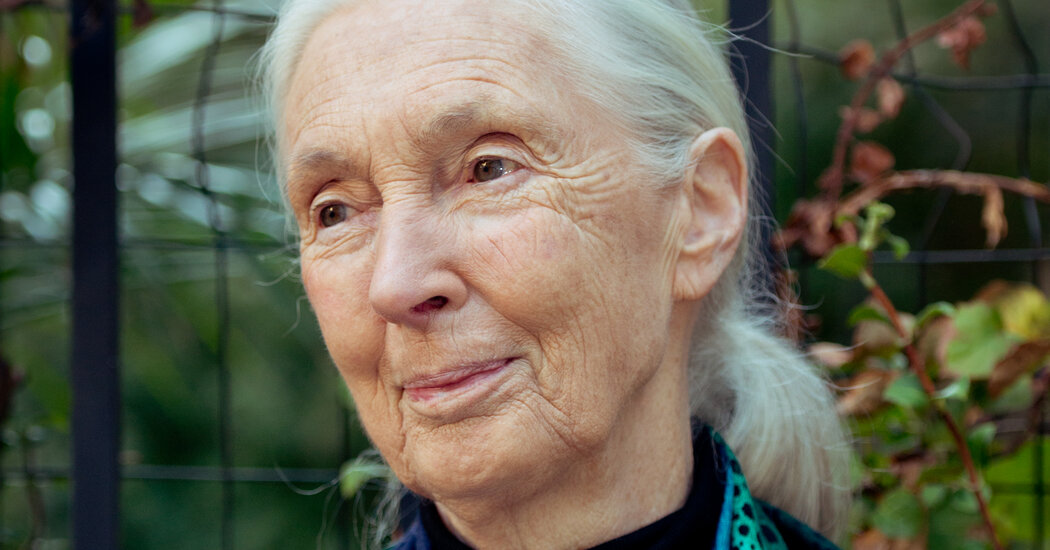
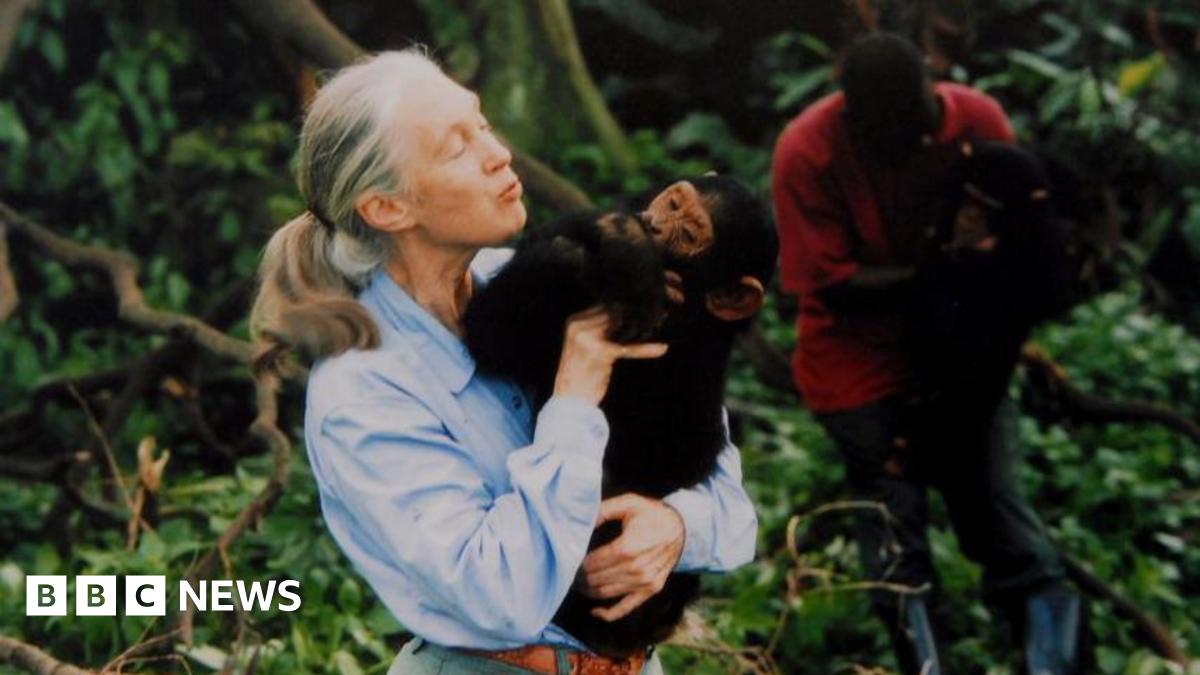
Jane Goodall, a renowned primatologist and conservationist known for her groundbreaking research on wild chimpanzees, has died at 91. Her work in Tanzania in the 1960s revolutionized understanding of primate behavior, challenged scientific conventions, and inspired global conservation efforts. She also became a prominent advocate for animal rights and environmental preservation, founding the Jane Goodall Institute and earning numerous awards, including the Presidential Medal of Freedom.
Jane Goodall, renowned primatologist and animal rights advocate, passed away at age 91. She was famous for her groundbreaking research on wild chimpanzees, which revolutionized our understanding of animal behavior and human evolution. She remained active in her advocacy work until her death, with a lifelong dedication to conservation and education.
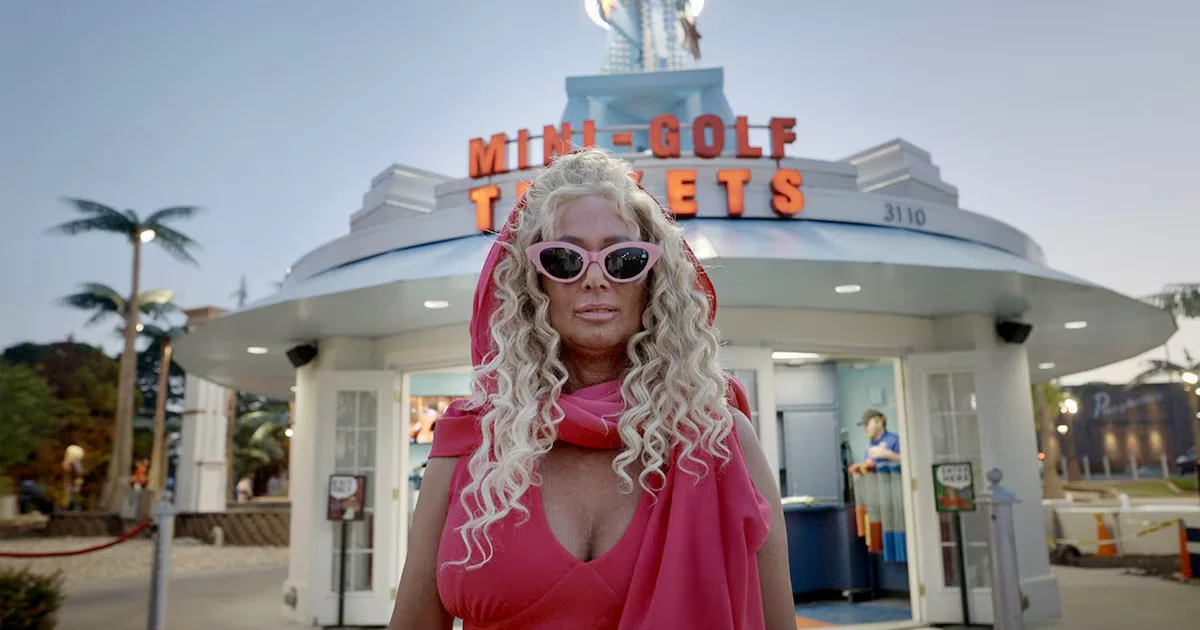
Tonia Haddix, known as the 'Dolly Parton of chimps,' was sentenced to 46 months in federal prison for lying about the death of her pet chimp Tonka and obstructing justice, after a legal battle over her treatment of animals and her deception about Tonka's fate.
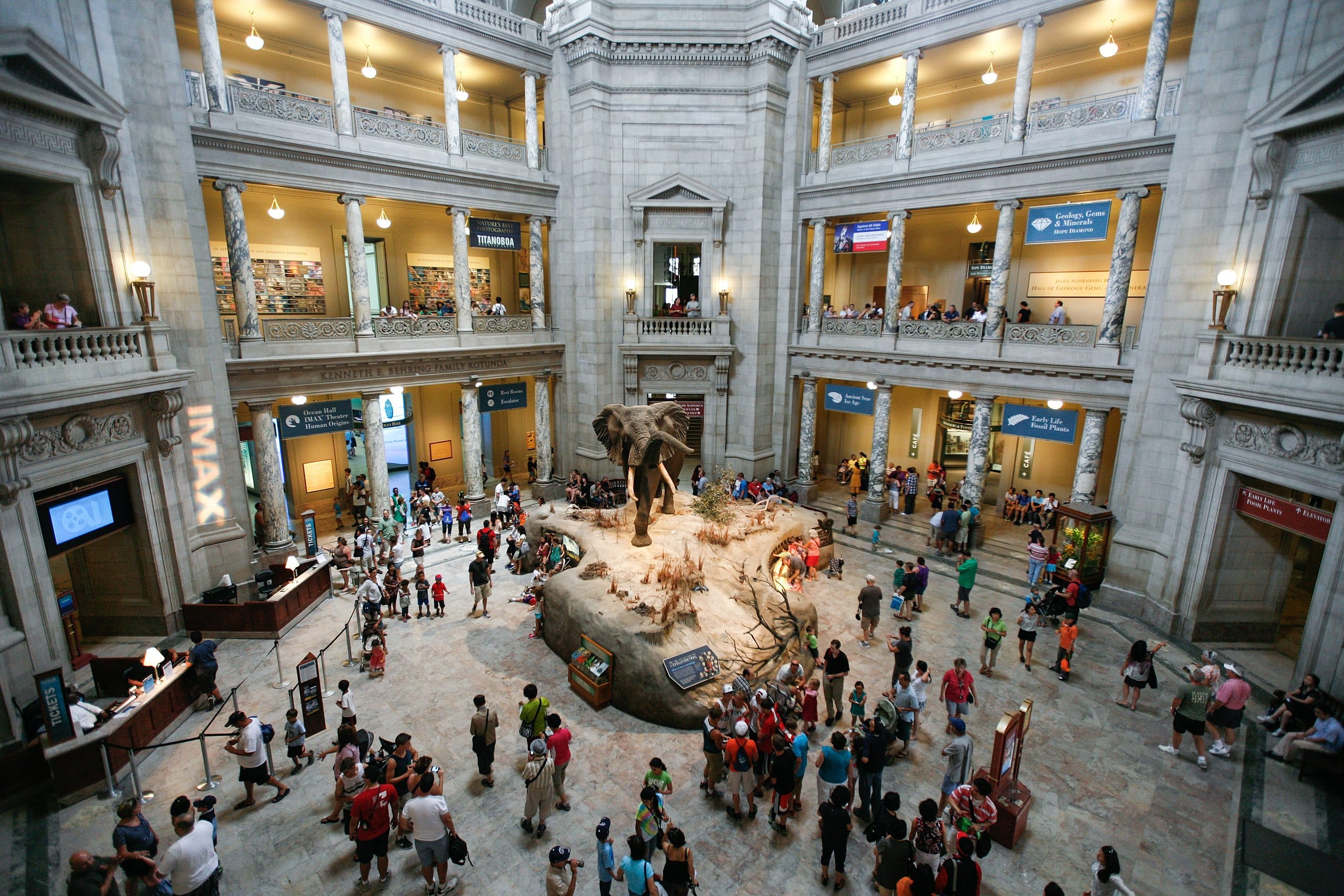
Dr. Casey Luskin criticizes the Smithsonian's exhibit for overstating the genetic similarity between humans and chimpanzees, citing recent research indicating a 15% difference rather than the commonly cited 1%, and urges corrections to reflect current scientific data.
A recent study challenges the commonly cited 98-99% genetic similarity between humans and chimps, revealing a much larger difference of around 14-15%, which supports creationist views over evolutionary theory by suggesting humans and chimps are not as closely related as often claimed.
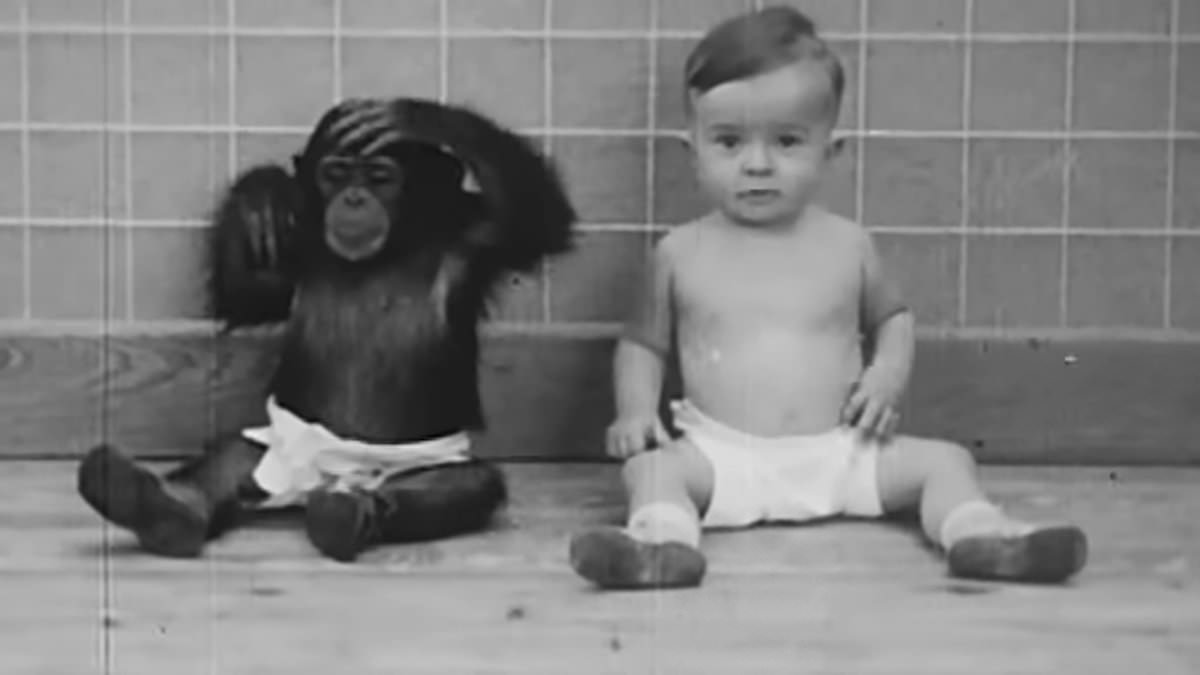
In 1931, psychologist parents Winthrop and Luella Kellogg attempted to raise their son alongside a chimpanzee named Gua in a nature versus nurture experiment, but abandoned it after nine months due to chilling changes in their son's behavior. The experiment involved cruel tests and attempts to teach Gua human behaviors, but ultimately failed to humanize her. The study concluded that there are limits to the humanization of non-human species. Tragically, their son Donald later took his own life at the age of 43, and Gua died in captivity after contracting pneumonia.
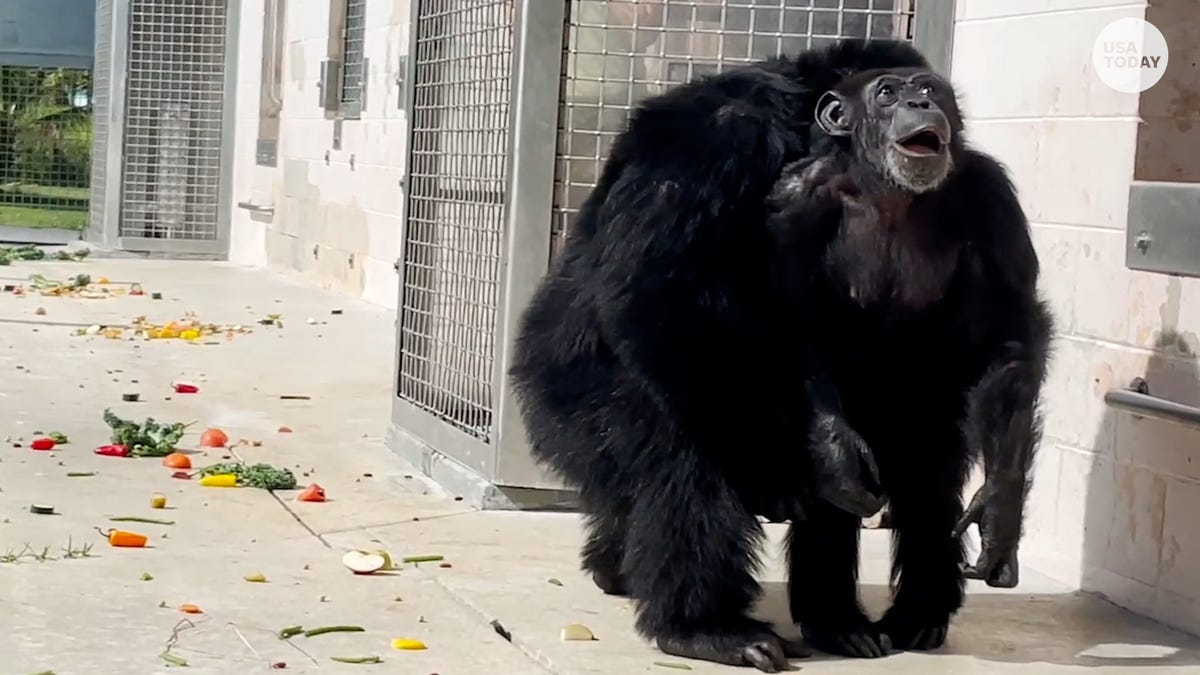
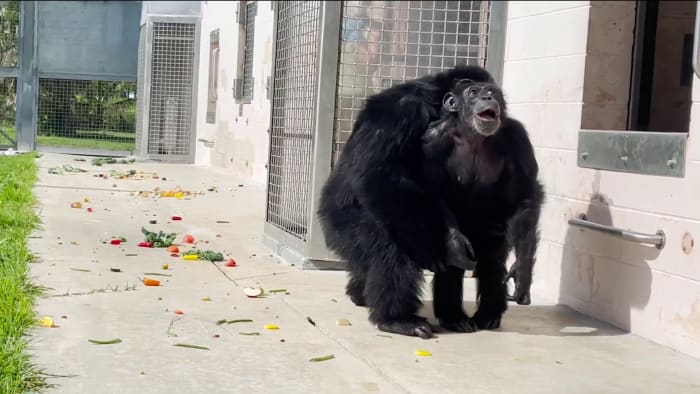
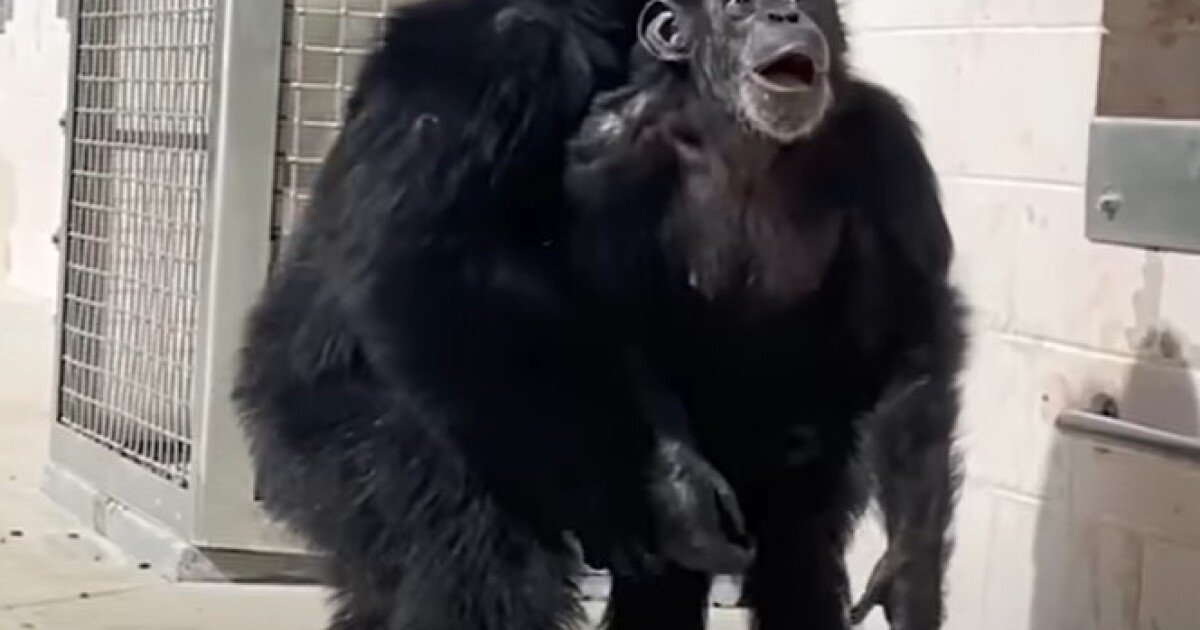
Vanilla, a 28-year-old chimpanzee who spent her entire life in a cage, saw the open sky for the first time at a sanctuary in Florida. Vanilla was previously housed in a New York biomedical research laboratory and later moved to the now-closed Wildlife Waystation in California. After the sanctuary closed, Vanilla and four other chimps were relocated to a Florida sanctuary. In a heartwarming video, Vanilla is seen leaping into the arms of another chimp and looking up at the sky, marking her newfound freedom.
Vanilla, a 28-year-old chimpanzee, experienced the open sky for the first time in her life after being rehomed at Save the Chimps sanctuary in Florida. Previously housed in a biomedical research laboratory and later at California's Wildlife Waystation, Vanilla had only seen the sky through the top of a cage. A video capturing her awe-inspiring reaction to the vast open sky has gone viral. Vanilla is now part of a chimpanzee family group with access to a 3-acre island, where she can explore and enjoy her newfound freedom.
Vanilla, a 29-year-old chimpanzee, experienced the sky and outdoor freedom for the first time at the Save the Chimps Sanctuary in Fort Pierce. Previously, she had spent her life in a brutal testing laboratory, living in a suspended cage. The sanctuary, which is home to 12 chimpanzee families rescued from labs, provides them with ample space to roam and a chance to live a more natural life.