medical-technology2.865 min read
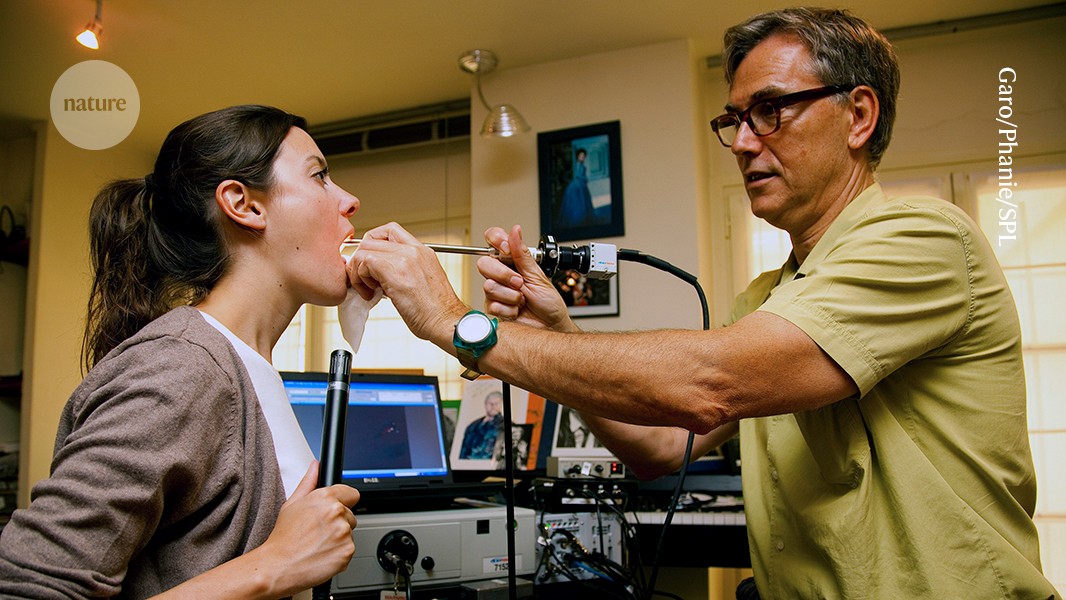
Tiny 3D Bioprinter Revolutionizes Vocal Cord Repair
4 months ago•Source: Nature

The latest medical technology stories, summarized by AI
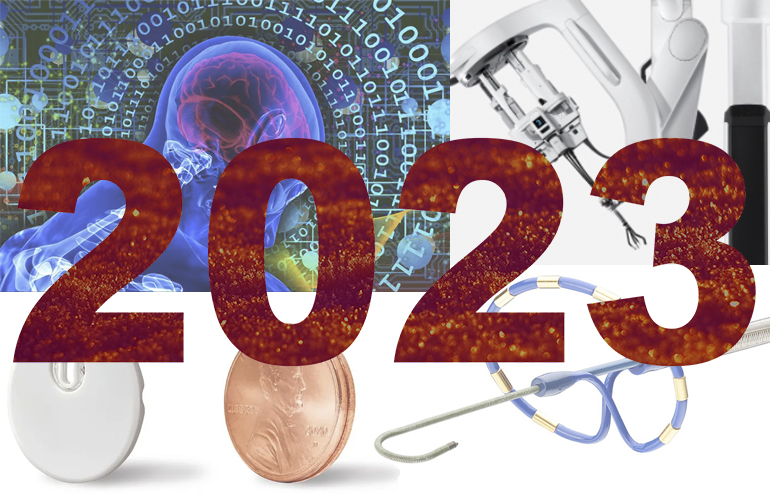
The top medtech trends of 2023 included the rise of artificial intelligence in medical devices, the popularity of GLP-1 weight loss drugs, the ongoing Philips Respironics CPAP recall, advancements in diabetes technology, competition in surgical robotics, the integration of AI in healthcare, unexpected shutdowns in the industry, major leadership changes, the approval of pulsed field ablation systems, and the long-awaited clearance of renal denervation systems by the FDA. Medtech companies also faced challenges such as layoffs, reorganizations, and supply chain issues.
Good News Network•2 years ago
Nature.com•2 years ago

Researchers have developed sticky patches inspired by octopus suckers that can deliver difficult-to-absorb drugs through a person's inner cheek. The rubber suction cups, filled with medication, adhere to the cheek and stretch the inner mouth tissue, increasing the surface area for drug penetration. In tests with dogs, the patches showed significantly higher bioavailability compared to oral tablets. A human trial also demonstrated the patches' comfort and preference over needle injections. This technology could revolutionize drug delivery, particularly for large-molecule drugs like peptides, and benefit children who require regular injections.
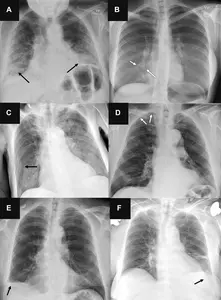
Radiologists outperformed commercially available AI tools in accurately identifying the presence and absence of three common lung diseases on chest X-rays, according to a study published in Radiology. While AI tools showed moderate to high sensitivity rates, they produced more false-positive results than radiologists, especially when multiple findings were present or for smaller targets. The study highlights the need for further testing of AI tools in real-life clinical scenarios and emphasizes the importance of radiologists' expertise in interpreting complex chest X-rays. AI systems could serve as a valuable second opinion for radiologists but should not be autonomous in making diagnoses.

Researchers have developed a tiny device, the size of a grain of rice, that can simultaneously test the effects of up to 20 drugs on brain tumors during surgery. The device, implanted into the tumor and removed afterward, provides real-time insights on drug effects on the tumor microenvironment, offering a more personalized approach to treating challenging brain cancers like gliomas. The device has shown promising results in a pilot clinical trial, with no adverse effects reported.

A new MRI technique has been developed to effectively measure myelin content in brain tissue, which could help assess the progression of multiple sclerosis (MS) and evaluate the effectiveness of treatments. Traditional MRI is not sensitive enough to detect changes in myelin, but this new technique can accurately capture myelin integrity. The researchers validated the technique using brain tissue samples from individuals with MS, and it showed changes in both lesioned and undamaged areas. This technique has the potential to fill the unmet need for noninvasive imaging of myelin in clinical practice and aid in personalized therapy for MS patients.
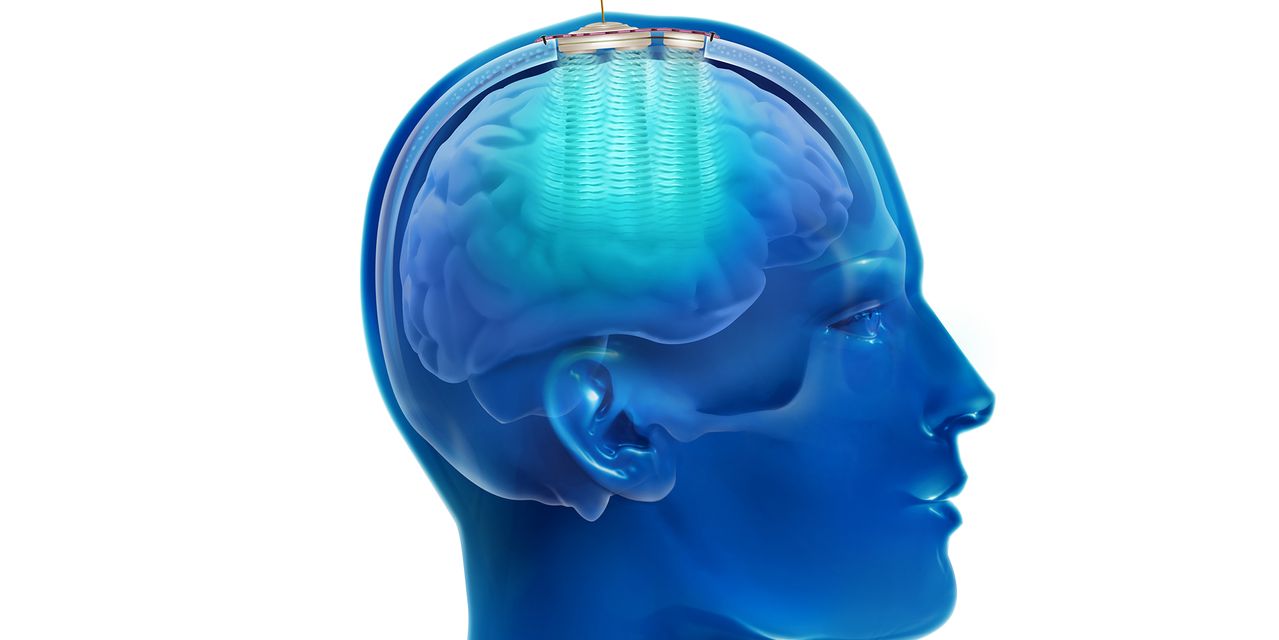
Ultrasound, a technology commonly used for prenatal imaging, may offer a solution to the challenge of delivering drugs to hard-to-reach areas in the treatment of diseases like Alzheimer's and cancer. This new ultrasound therapy has the potential to revolutionize drug delivery and improve treatment outcomes for patients.
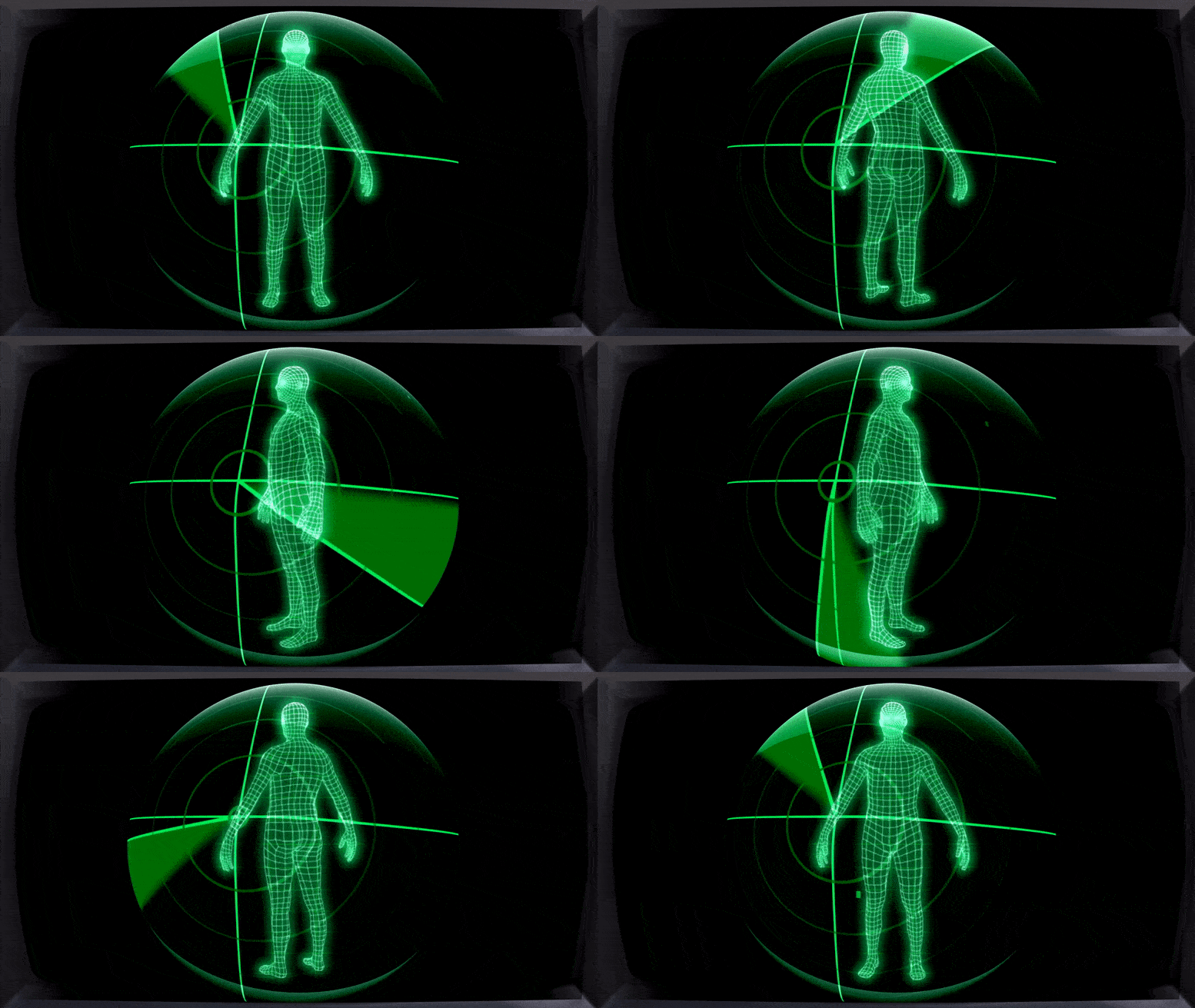
Researchers from Julius-Maximilians-Universität Würzburg have developed a portable, radiation-free scanner using Magnetic Particle Imaging (MPI) that can visualize dynamic processes like blood flow in the human body. The scanner, based on the detection of magnetic nanoparticles administered as markers, offers a sensitive and fast alternative to traditional imaging techniques. The small and lightweight design of the scanner allows for easy mobility, making it a promising tool for radiation-free interventions. The researchers are now working on further improving the image quality and developing the technology for real-time endovascular interventions.
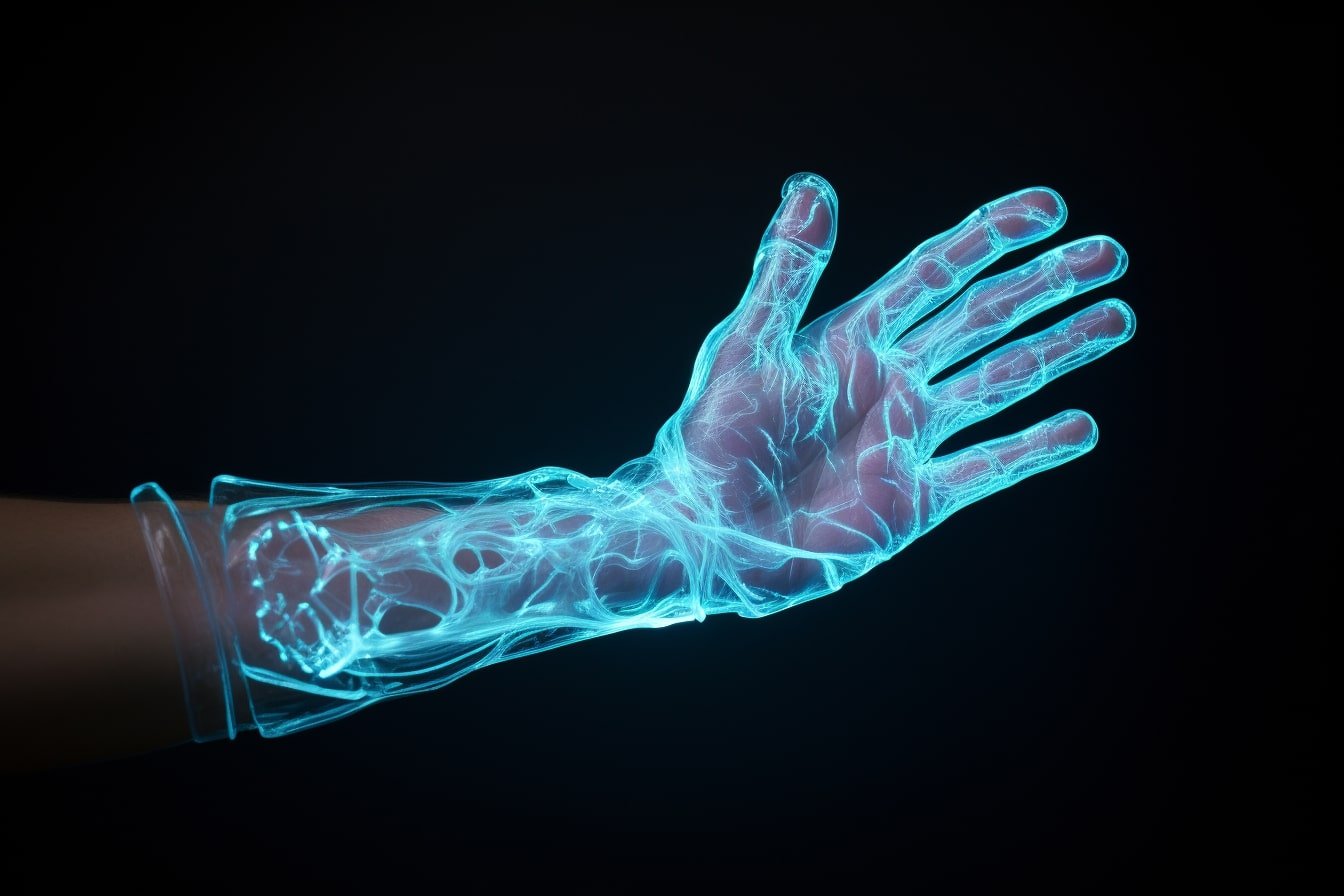
Researchers at Johns Hopkins Applied Physics Laboratory (APL) have developed a wearable thin-film thermoelectric cooler (TFTEC) that can help amputees perceive temperature with their phantom limbs. The TFTEC is lightweight, energy-efficient, and can provide intense cooling in less than a second. It has potential applications in prosthetics, augmented reality haptics, and thermally-modulated therapeutics. The device was tested on amputees and demonstrated faster and more intense cooling sensations compared to traditional thermoelectric technology. The technology also has potential industrial applications in cooling electronics and lasers, as well as energy harvesting in satellites.
Surgeons at Washington University School of Medicine in St. Louis have successfully performed the first-ever robotic liver transplant in the United States. The procedure, carried out in May 2023, was a success, with the patient recovering without complications. The surgery marks a significant advancement in the field of medical surgery.