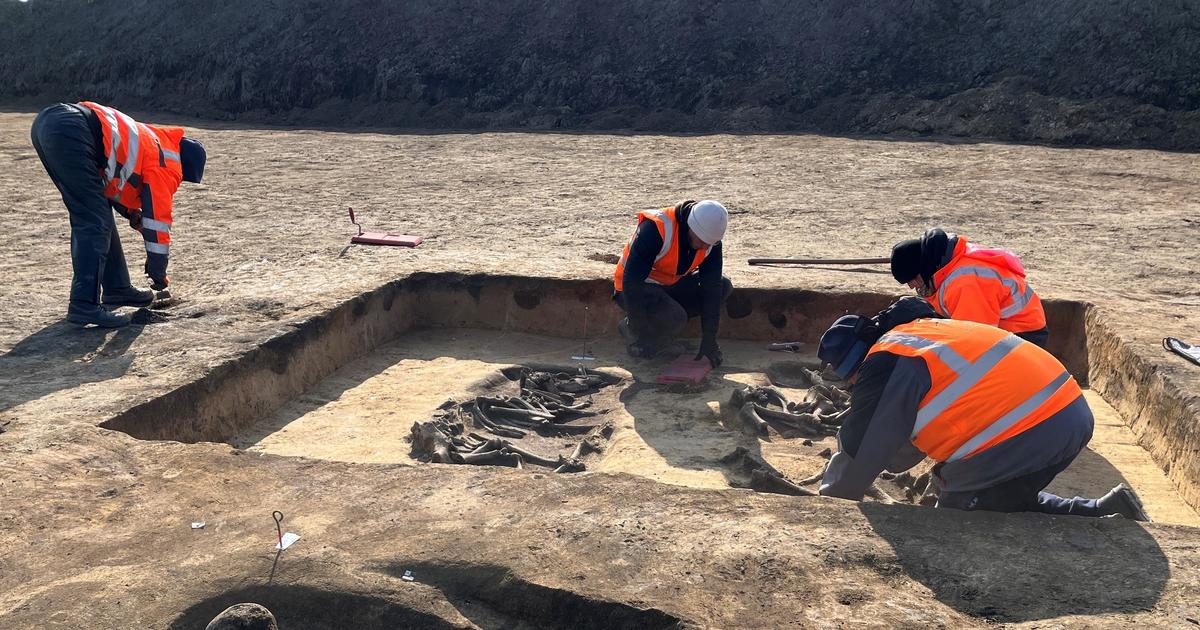
German archaeologists discovered a complex ancient burial ground, including a chariot grave, at a construction site for an Intel facility near Magdeburg, Germany. The burial site, dating back around 6,000 years, contains remnants of ancient rituals and is believed to be associated with the Baalberg group, an ancient Neolithic culture. The findings suggest that the landscape remained important for prehistoric people over a long period of time, and excavations are set to continue through April.

Archaeologists in Egypt have begun a massive project to restore the outer casing of the smallest of Giza's three pyramids, the pyramid of King Menkaure, to its original state. The project aims to reinstall hundreds of granite blocks that once covered the pyramid, using modern methods such as photogrammetry and laser scanning for study and documentation. While some experts have expressed concerns about the project, the team plans to carefully excavate and reinstall the blocks over the course of about three years, with hopes of uncovering additional antiquities in the process.
Archaeologists in Norway have discovered the remains of a Viking ship at a burial mound in the Trøndelag region, where a "seated skeleton" and sword were previously found. The ship, dating back to the Merovingian Era, is believed to have been built around 700 A.D. This discovery suggests that ship burials occurred much earlier than previously thought, indicating the maritime expertise of people during that time. The burial mound, named Herlaugshaugen, has been the site of multiple excavations and is speculated to be the burial place of King Herlaug.
Archaeologists have used 3D scanning techniques and scientific analysis to recreate the face of the "Ice Maiden," a mummified Inca teenager sacrificed and left near the summit of a dormant volcano in the Peruvian Andes about 500 years ago. The well-preserved remains were discovered by archaeologist Dr. Johan Reinhard, and the reconstruction is part of a new exhibit at the Andean Sanctuaries Museum in Peru. In other news, the Lucy mission, designed to study Trojan asteroids, had its first close look at an asteroid and discovered it was actually a pair of space rocks. The critically endangered akikiki bird species native to Hawaii is facing extinction due to global warming, and conservationists are taking measures to protect them. New research suggests that starfish are "just a head crawling along the seafloor," and the James Webb Space Telescope has revealed previously unseen details within the Crab Nebula and captured other intriguing features in the cosmos.
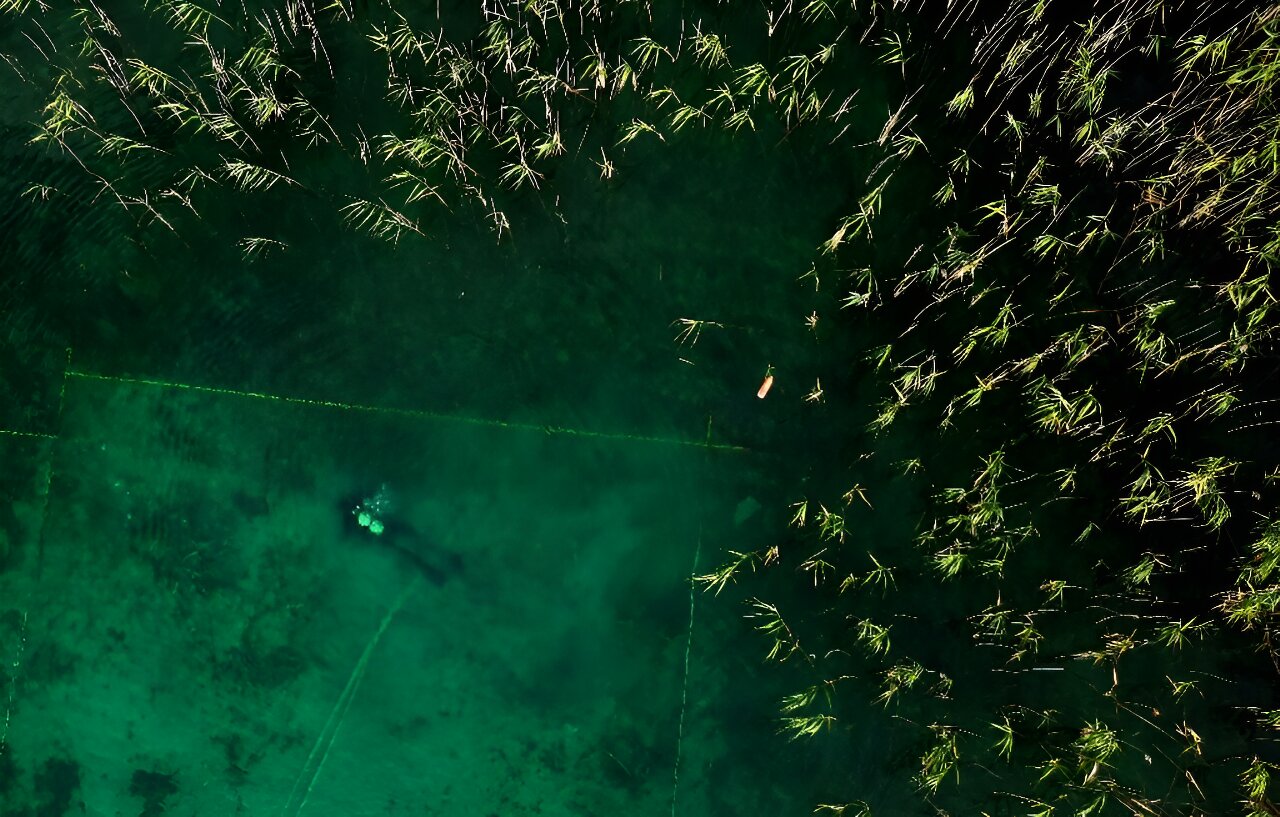
Archaeologists have discovered what may be Europe's oldest stilt village at the bottom of Lake Ohrid in Albania. The settlement, dating back 8,000 years, is believed to be the oldest lakeside village in Europe. The site is fortified with thousands of spiked planks used as defensive barricades, and researchers are still trying to determine why such extensive fortifications were necessary. The excavation has yielded valuable insights into the daily life and environmental conditions of the area's inhabitants, and it is estimated that it will take another two decades to fully explore and study the site.
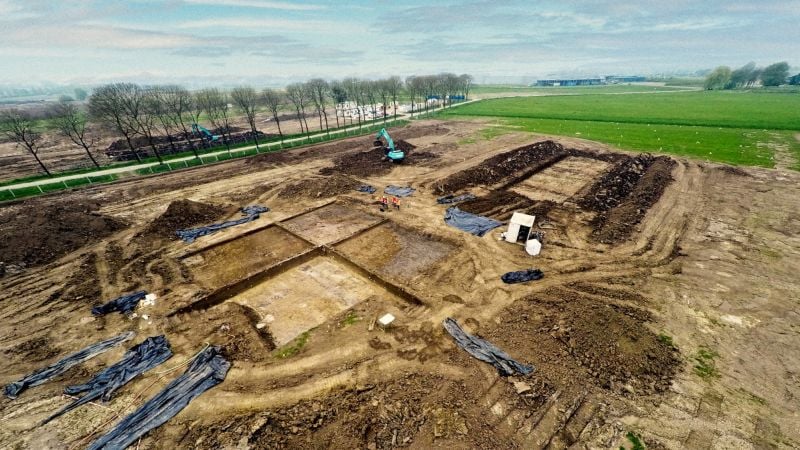
Archaeologists have discovered a 4,000-year-old sanctuary in the Netherlands that was built to align with the sun on the solstices and may have served a similar purpose to Stonehenge. The sanctuary was made up of ditches and burial mounds and was as big as at least three soccer fields. Offerings, including animal skeletons, human skulls, and valuable items, were discovered at the spots where the sun shone through the openings. The site was excavated in the town of Tiel, and some of the discoveries will be showcased in a local museum and the Dutch National Museum of Antiquities.
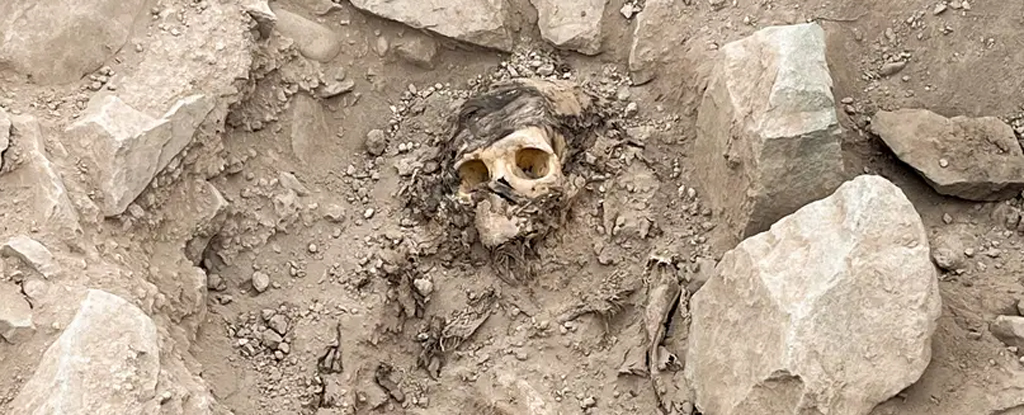
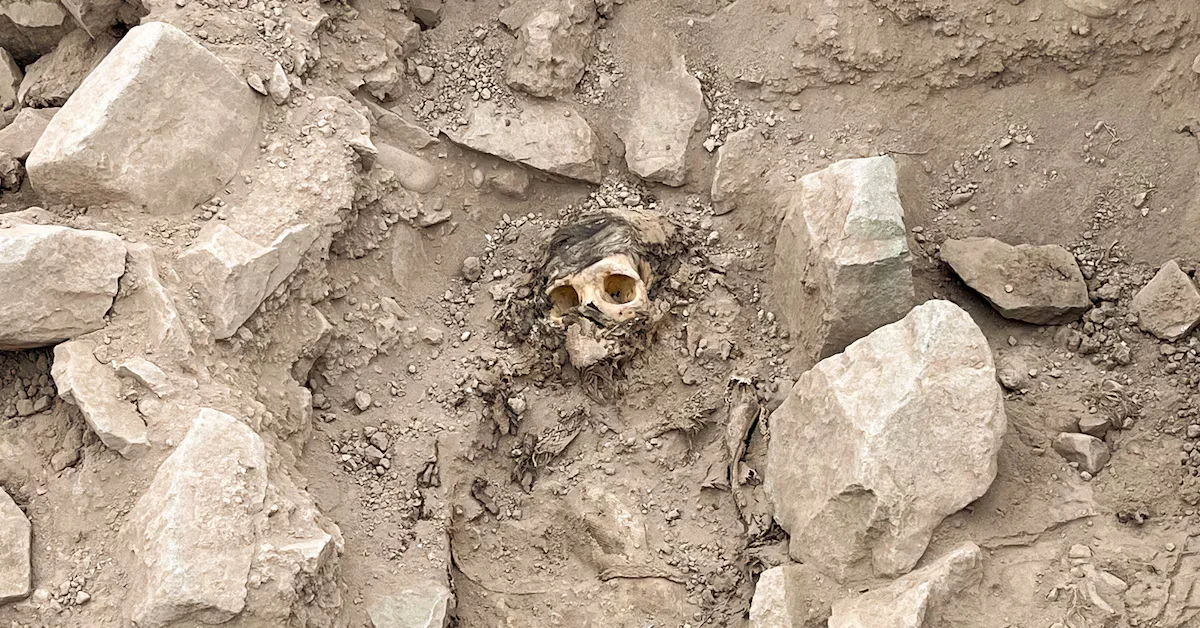
Archaeologists and students from San Marcos University in Lima, Peru, discovered a 3,000-year-old mummy that was likely a sacrifice from the Manchay culture, a group of people who lived around modern-day Lima from 1500 BCE to 1000 BCE. The mummy was found under over 15,000 pounds of trash, and other items buried at the site were also recovered. The Manchay people typically built U-shaped temples pointed towards the rising sun, and the mummy's positioning and location in the temple suggested it was from this culture.
Archaeologists in Peru have discovered a 3,000-year-old mummy in Lima, believed to be from the Manchay culture which developed in the valleys of Lima between 1,500 and 1,000 BCE. The mummy was found with remains of hair and skull in a cotton bundle during excavation, and was associated with the construction of temples built in a U-shape that pointed toward the sunrise. Other items buried with the body, including corn, coca leaves and seeds, may have been part of an offering.
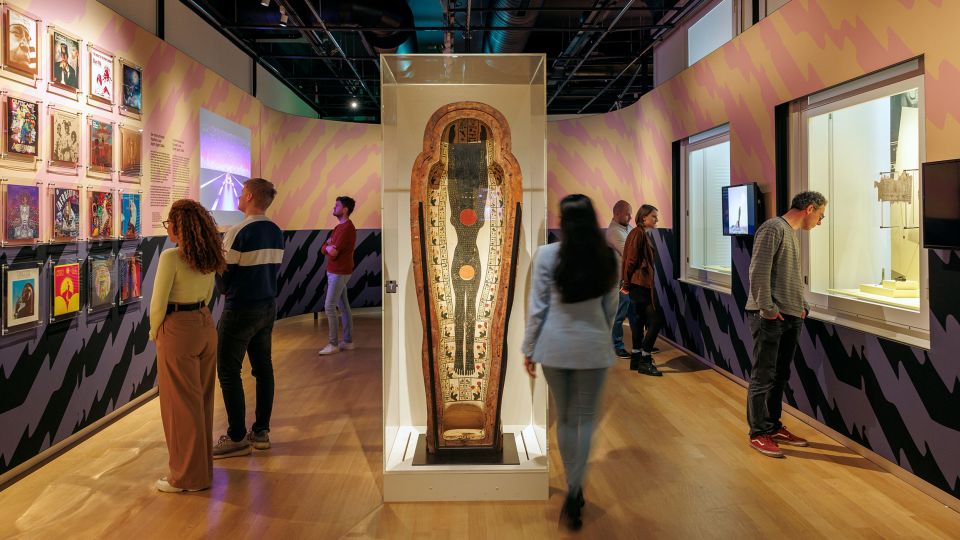
A Dutch museum's archaeology team has been banned from excavating in Egypt's Saqqara necropolis after the museum mounted an exhibition that drew condemnation from Egyptian authorities. The National Museum of Antiquities (RMO) in Leiden received an email from the head of foreign missions of the Egyptian Antiquities Service saying that the museum is "falsifying history" with its "Afrocentric" approach. The museum has been carrying out annual excavations there for more than 40 years.