A Japanese study suggests that nose length is a better predictor of penis size than hand or foot size, with larger noses correlating to longer penises, potentially due to prenatal hormonal influences.
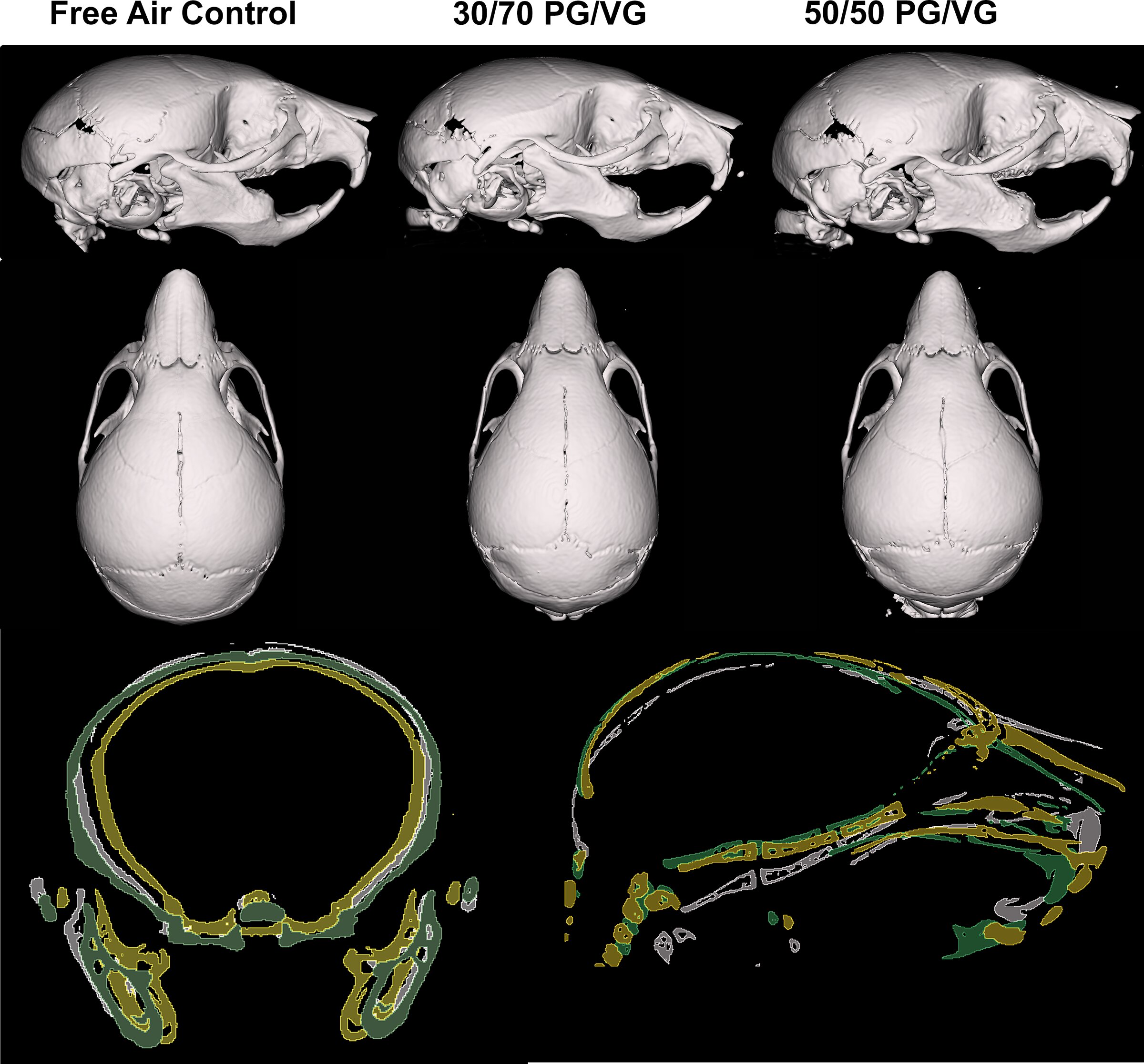
A study in mice found that in utero exposure to certain vape liquids, even without nicotine, can cause changes in skull shape and reduce weight, raising concerns about the safety of nicotine-free e-cigarette products during pregnancy.
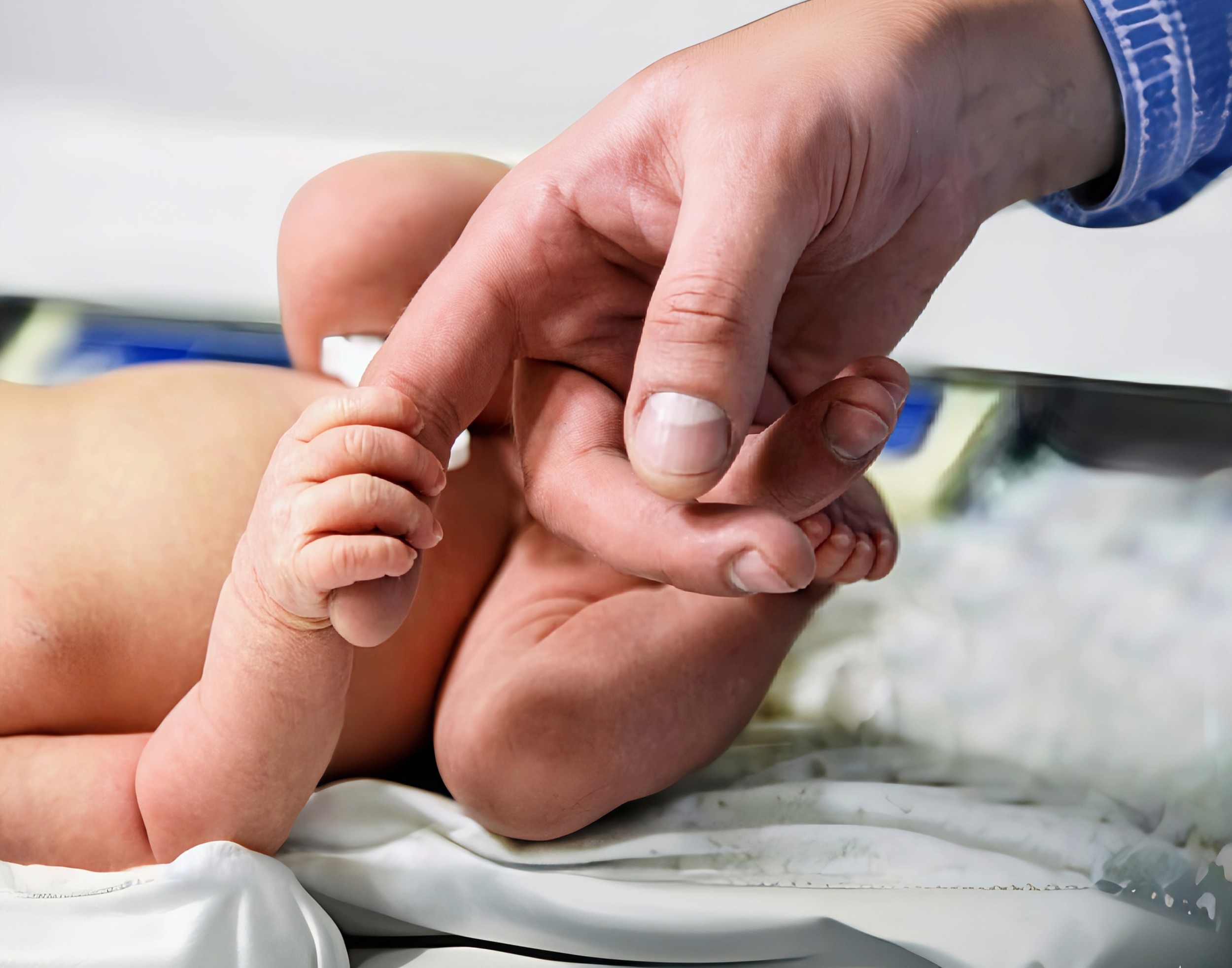
A study from Brazil reveals that a father's health, particularly his weight, significantly influences a baby's birth weight, with higher paternal BMI linked to lower birth weights. This research highlights the importance of considering paternal health and lifestyle, including diet and exercise, in prenatal care. The study emphasizes the role of epigenetics, where a father's lifestyle can affect sperm quality and gene expression, impacting fetal development. These findings suggest that both parents' health should be considered in strategies to ensure healthy birth outcomes.
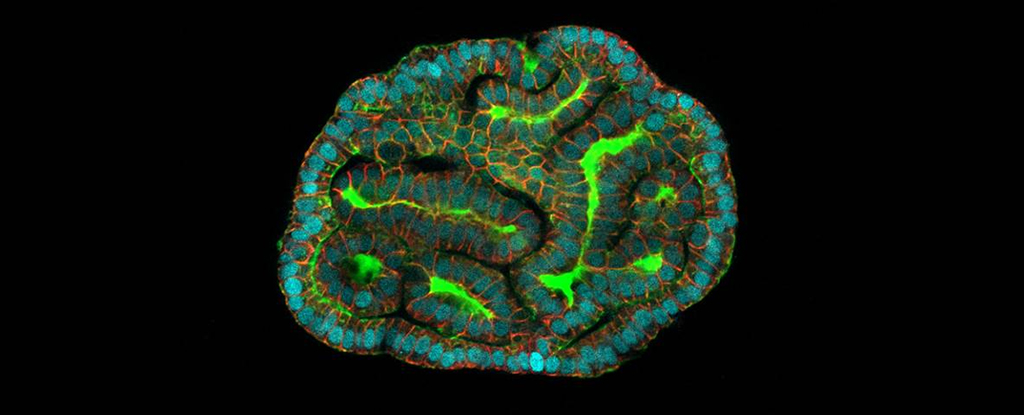
Scientists have successfully grown organoids of human organs from live fetus cells, offering new insights into prenatal development and potential treatments for malformations. These organoids, developed from amniotic fluid cells, mimic the functions of real tissues and can be used to study diseases and human biology. The breakthrough could lead to prenatal diagnosis and treatment of conditions such as congenital diaphragmatic hernia, offering a new avenue for prenatal medicine and drug testing for unborn babies.
Researchers have successfully grown organoids from cells found in amniotic fluid collected from ongoing pregnancies, offering a potential new way to study and understand congenital diseases that develop in the fetus during pregnancy. The organoids, which mimic tissue, were grown from lung, kidney, and small intestine cells and could provide insights into how congenital conditions progress and potentially personalize treatment for individual fetuses in the future. This method could offer a simpler and faster alternative to growing organoids from induced pluripotent stem cells, but further research is needed to determine their usefulness for modeling diseases and drug testing.
A large genetic analysis of Chinese parents and their babies has revealed multiple links between maternal health and fetal development, including genetic variants associated with maternal weight gain, bile acid levels, and liver disease risk. The study, published in Nature, is one of the first to examine the genetic profiles of East Asians and has identified discrepancies in the effects of certain genetic variants on mothers and their babies. While the findings offer new insights, further research is needed to confirm the associations and explore potential causality.
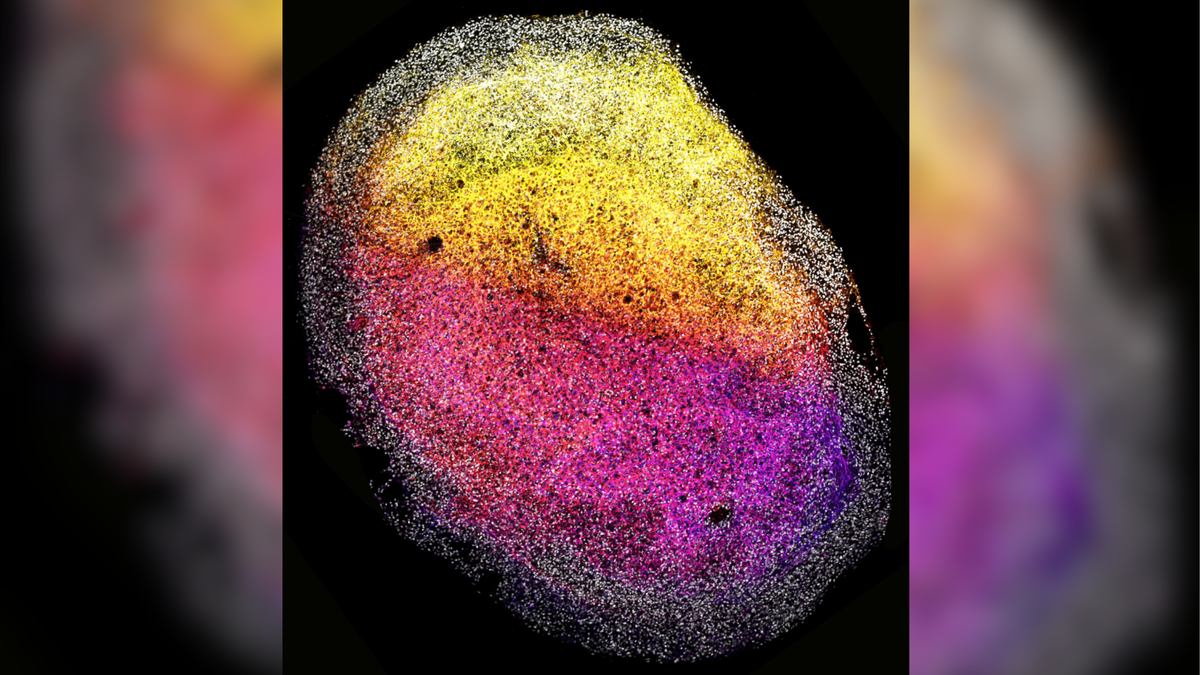
Scientists have successfully grown cerebral organoids, or "minibrains," from human fetal brain tissue for the first time, opening up new possibilities for studying brain health and disease. These minibrains, which mimic aspects of full-size human brains, were grown to the size of a grain of rice and contained various cell types that self-organized into complex 3D structures. The researchers also triggered the growth of brain tumors within the minibrains and tested the tumors' response to existing cancer drugs. This breakthrough could provide fresh insights into brain development and diseases, and the authors aim to create more complex versions of the minibrains from fetal tissues at different stages of development.
Researchers at Texas A&M University have found that the effects of alcohol consumption on a father's sperm can last longer than a month, impacting fetal development and increasing the risk of fetal alcohol syndrome (FAS). The study suggests that men should abstain from drinking for at least three months prior to conceiving to minimize the negative effects on sperm and improve pregnancy outcomes. This research challenges the traditional focus on maternal alcohol consumption and highlights the importance of considering paternal drinking habits in preventing birth defects.
A study conducted on mice found that the microbes in a mother's body influence the activity of genes in the fetal intestine, brain, and placenta. The research revealed significant differences in gene expression associated with the immune system, nervous system, and pregnancy regulation between normal mice and germ-free mice in sterile environments. The findings suggest that the maternal microbiota and the compounds it produces play a crucial role in the development and health of offspring, particularly in the intestine and brain. The study also identified previously unknown metabolites influenced by the maternal microbiota that may impact fetal development.
Historian Kathleen Crowther argues that ancient metaphors and ideas about pregnancy, such as the "bun in the oven," perpetuate a deeply misogynistic view of women's bodies as passive. In her book, "Policing Pregnant Bodies," Crowther explores the historical roots of these metaphors and their influence on modern concepts of pregnancy. She also highlights the significance of the heart as the seat of the soul in ancient Greek philosophy and its connection to the debate over fetal heartbeat laws. Crowther challenges the notion that a beating heart signifies the presence of a person, emphasizing the complex and often contradictory historical perspectives on abortion.
Scientists from the University of Cambridge have discovered that unborn babies inherit a "greedy gene" from their fathers, known as the lgf2 gene, which allows them to manipulate their mothers into releasing more nutrients during pregnancy. This gene is part of the baby's "remote control system" and promotes fetal growth. The research, conducted on pregnant mice, revealed that when the lgf2 gene was deleted in the placenta, the fetus did not grow properly. Understanding this gene could help develop ways to improve the health of mothers and babies in the future.
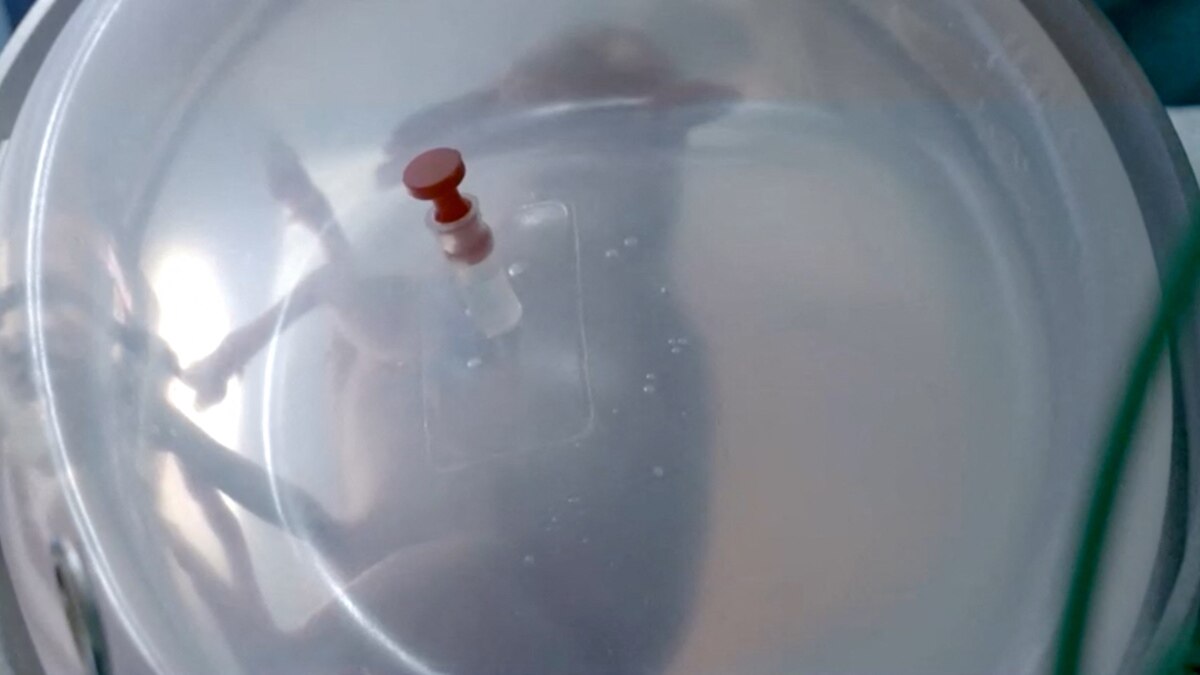
Researchers in Barcelona are developing an artificial uterus made from special materials to protect premature babies who have not fully developed. The artificial uterus, tested on animal fetuses, recreates a protected environment for organ development and is connected to a system that introduces amniotic fluid. The team plans to conduct further tests on pigs before proposing human studies. While the development is interesting, experts emphasize the need for thorough testing on humans and stress the importance of supporting maternal health to reduce preterm birth risks.
A study conducted by Oregon Health & Science University (OHSU) has found that prenatal exposure to Tetrahydrocannabinol (THC), the primary psychoactive ingredient in cannabis, can lead to long-term health risks for offspring. The research, conducted on a non-human primate model, revealed that THC exposure during pregnancy resulted in alterations to the placental and fetal epigenome, similar to those seen in neurobehavioral disorders such as autism spectrum disorder. The study highlights the need for a better understanding of the effects of cannabis use during pregnancy and the importance of informing patients about the potential risks.
Exposure to THC during pregnancy can have significant effects on fetal development and lead to lifelong health impacts on offspring, according to a study conducted on non-human primates. The research found that THC exposure altered the placental and fetal epigenome, resulting in changes consistent with neurobehavioral conditions like autism spectrum disorder. These findings challenge the perception of cannabis as completely safe, especially during pregnancy, and highlight the need for better understanding and communication of the risks associated with cannabis use during the vulnerable prenatal period.
A new study has found that marijuana use during the first trimester of pregnancy can have a significant impact on fetal development, including a decrease in birth weight and smaller head circumference. Even if marijuana use is stopped by the third trimester, the baby may still be born with a smaller head circumference. The study recommends that pregnant women avoid using marijuana altogether, as there is no known safe level of use during pregnancy. The study also found that combining smoking cigarettes and marijuana during pregnancy has an even bigger impact on birth weight than either substance alone.