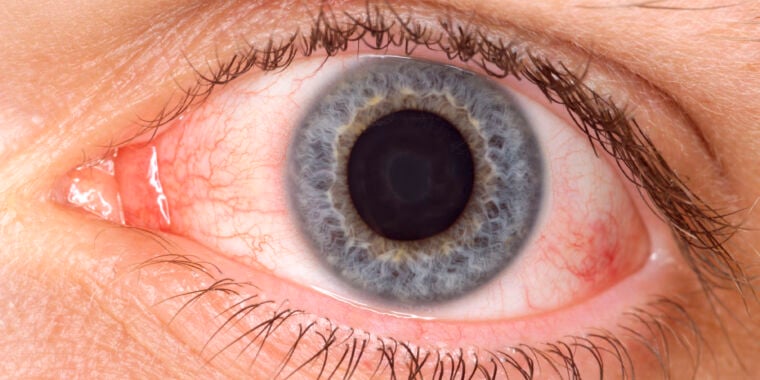
Menopause can affect women's eyesight, particularly causing dry eyes and irritation, which are often overlooked. These symptoms may be linked to hormonal changes, and treatments like eye drops, warm compresses, or hormone therapy can help. Women are encouraged to seek regular eye checks and consult a doctor if symptoms persist.
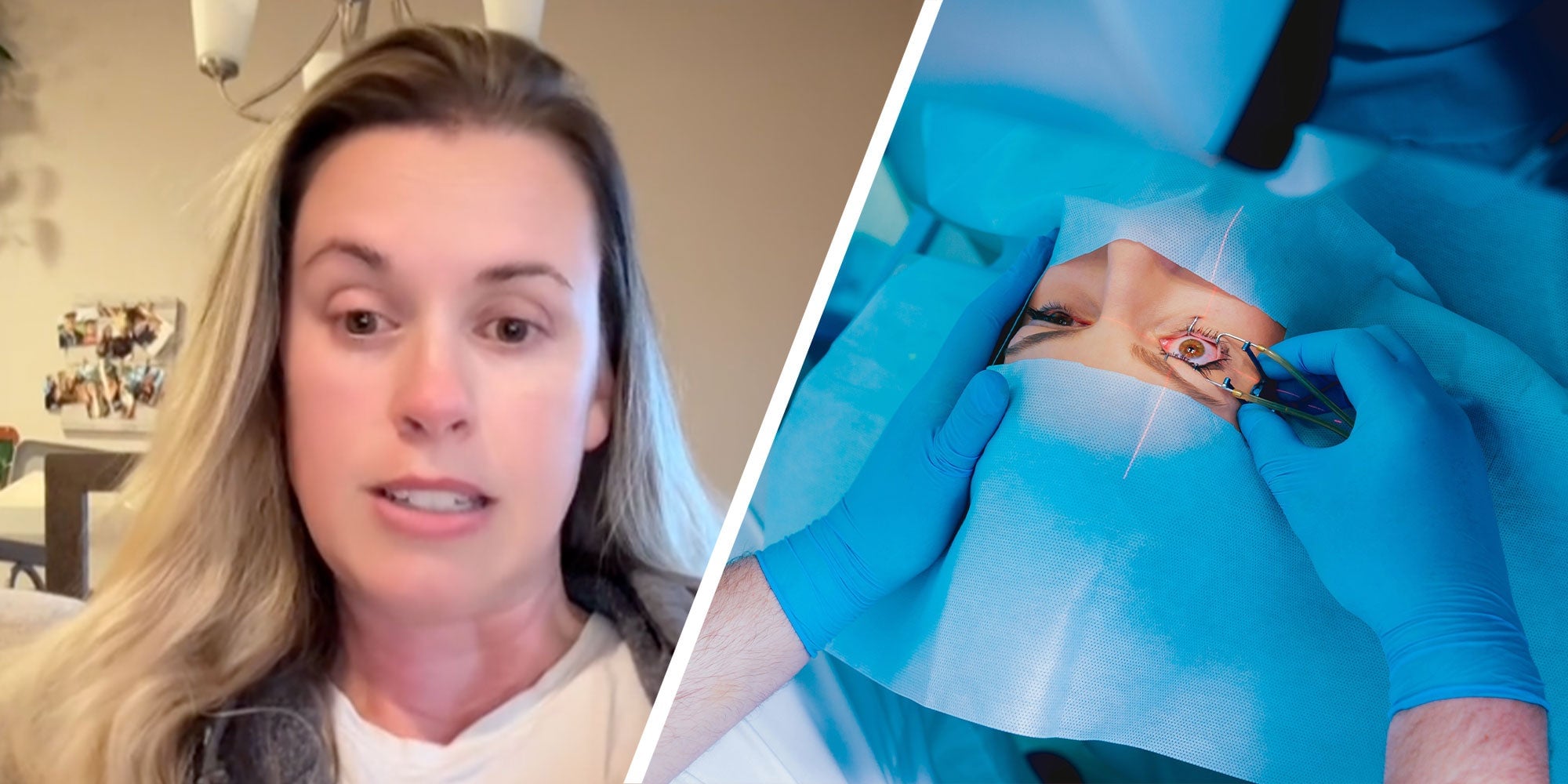
A woman named Maggie Hamill warns against LASIK eye surgery, claiming it has caused her chronic pain and significantly impacted her life. Despite initial success, she developed severe long-term side effects, including chronic dry eye and corneal neuropathy. Hamill has tried various treatments with limited relief and regrets undergoing the procedure. Her story has resonated with many online, prompting discussions about the risks of LASIK.
The FDA has issued a warning to consumers to stop using 27 over-the-counter eye drop products sold by CVS, Rite Aid, Target, Walmart, Leader, Rugby, and Velocity Pharma due to the potential risk of eye infections that could lead to partial vision loss or blindness. The recall was prompted by the discovery of unsanitary conditions and bacteria in the manufacturing facility. Consumers are advised to check the recall list and discontinue use of the affected products, while continuing to use prescription eye drops as directed. Lubricating eye drops are a common treatment for dry eye disease, and patients are encouraged to use preservative-free drops in disposable single-use vials.
Rubbing your eyes may seem harmless, but it can lead to serious problems such as infections, corneal damage, and visual impairment. Common triggers for eye rubbing include conjunctivitis, allergies, dry eyes, eye straining, keratoconus, and blepharitis. It is important to seek medical attention to properly diagnose and treat the underlying cause of eye rubbing, as well as to find appropriate solutions such as eye drops or lubricating ointments to relieve symptoms and prevent further damage.
The FDA has issued a public safety notification warning people not to use eye drops containing amniotic fluid, which is largely fetal urine, to treat eye conditions such as dry eyes and inflammation. The drops are unapproved and require an investigational new drug application and full FDA approval before hitting the market. The agency has found unapproved products on the market, raising potential significant safety concerns, and there is only one published clinical trial of amniotic fluid eye drops, which found them to be ineffective.