
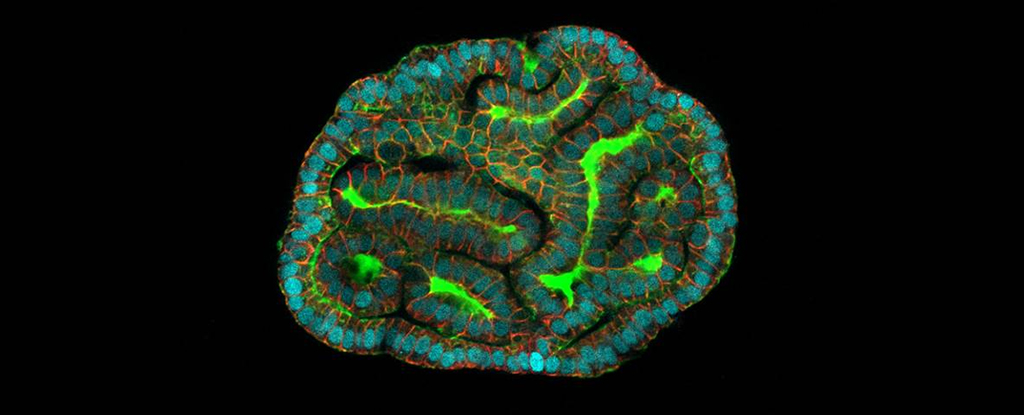
Scientists have successfully grown organoids of human organs from live fetus cells, offering new insights into prenatal development and potential treatments for malformations. These organoids, developed from amniotic fluid cells, mimic the functions of real tissues and can be used to study diseases and human biology. The breakthrough could lead to prenatal diagnosis and treatment of conditions such as congenital diaphragmatic hernia, offering a new avenue for prenatal medicine and drug testing for unborn babies.
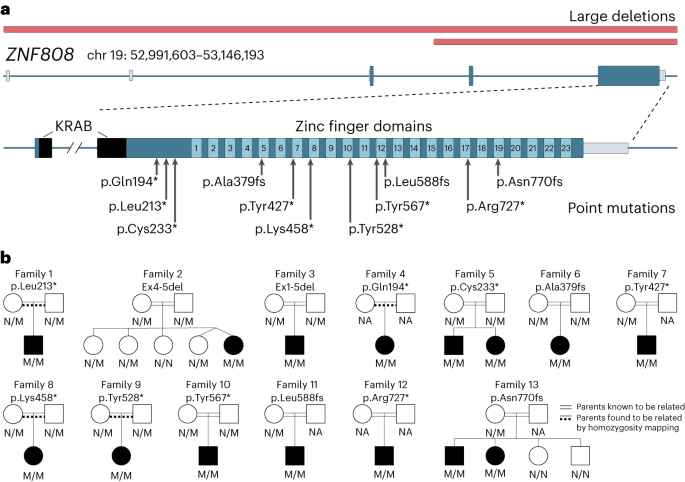
Researchers have identified the primate-specific gene ZNF808 as a crucial factor in pancreatic development in humans. Loss-of-function variants in ZNF808 were found to cause pancreatic agenesis, a rare congenital condition characterized by improper pancreas development. The study revealed that ZNF808 plays a role in repressing primate-specific transposable elements during early pancreas development, preventing the induction of genes associated with liver identity. This research highlights the unique mechanisms involved in human organ development and the contribution of primate-specific regions of the genome to congenital developmental diseases.
Israeli scientists at the Weizmann Institute have achieved a significant breakthrough in synthetic embryo development by creating a stem cell-derived human embryo model that closely resembles a human embryo at day 14 of development. This advancement will enable researchers to study the development of organs, as well as investigate birth defects and congenital diseases that occur during the critical period between day 10 and day 40 of embryonic development.