Tag

Breathing Techniques

All articles tagged with #breathing techniques

Neuroscientists Find Brain Circuit to Instantly Reduce Stress

Originally Published 1 year ago — by Los Angeles Times

Featured image for Neuroscientists Find Brain Circuit to Instantly Reduce Stress
Source: Los Angeles Times

Neuroscientists at the Salk Institute have discovered a brain circuit that regulates voluntary breathing, potentially leading to new anxiety treatments. This breakthrough, published in Nature Neuroscience, could pave the way for drugs that mimic the calming effects of practices like yoga and meditation by targeting specific brain pathways. Such medications might offer more precise anxiety relief with fewer side effects compared to current treatments. The research is a significant step towards understanding how controlled breathing can alleviate anxiety, though practical applications may take years to develop.
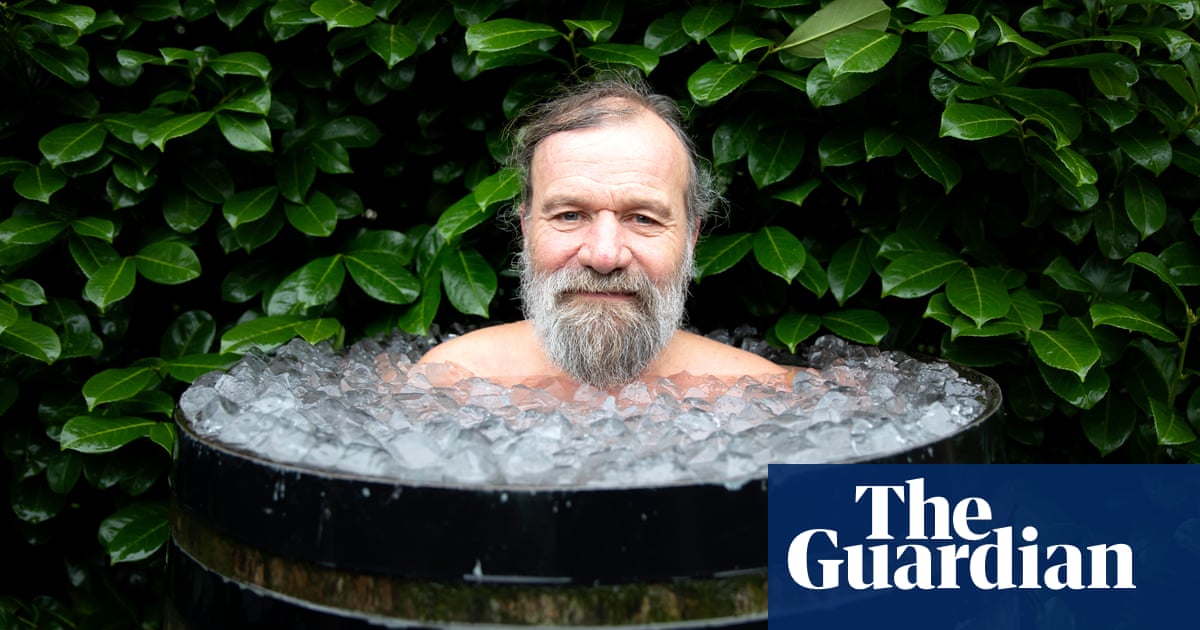
"The Health Benefits of Wim Hof's Breathing and Cold Exposure Method: A Comprehensive Review"

Originally Published 1 year ago — by The Guardian

Featured image for "The Health Benefits of Wim Hof's Breathing and Cold Exposure Method: A Comprehensive Review"
Source: The Guardian

A study suggests that the Wim Hof method, involving conscious breathing and cold exposure, may reduce inflammation in the body and increase adrenaline levels, potentially benefiting overall health. However, experts caution that the method is not without risks and further research is needed to fully understand its effects. While some believe in its potential as a complementary approach to wellness, others emphasize the need for randomized controlled trials and highlight the importance of considering potential risks before engaging in these practices.

"Breathing Techniques: The Path to Health, Happiness, and Psychedelic Experiences"

Originally Published 1 year ago — by The Guardian

Featured image for "Breathing Techniques: The Path to Health, Happiness, and Psychedelic Experiences"
Source: The Guardian

Breathwork, a practice of regulating breathing, has been around for thousands of years and includes various techniques such as pranayama, box breathing, and the Wim Hof method. Slowing the rate of breathing can have physical and mental health benefits, and some fast-paced techniques have yielded results similar to psychedelic experiences. However, intense breathwork exercises may not be suitable for individuals with certain health conditions, and experts recommend starting slow and being cautious with hyperventilation techniques. Overall, breathwork can help improve relaxation and wellbeing, but its effects may vary for different individuals.

"Quick Tips for Falling Asleep with a Racing Mind"

Originally Published 2 years ago — by Self

Featured image for "Quick Tips for Falling Asleep with a Racing Mind"
Source: Self

When stress and anxiety are keeping you up at night, creating a relaxing bedtime routine, setting up a conducive sleep environment, journaling to address worries, and practicing breathing exercises can help calm your mind and promote better sleep. Consistency in your bedtime routine, minimizing light and noise, and focusing on deep breathing can all contribute to falling asleep faster and getting a good night's rest, even during stressful times.

"Instant Anxiety Relief: Master the Art of Pursed Lip Breathing"

Originally Published 2 years ago — by Bustle

Featured image for "Instant Anxiety Relief: Master the Art of Pursed Lip Breathing"
Source: Bustle

Pursed lip breathing is a simple yet effective breathwork technique that can help reduce stress and anxiety. By exhaling slowly through pursed lips, it slows down the breathing rate and activates the parasympathetic nervous system, promoting a sense of calm and safety. This technique can be used in various situations, such as before a big moment or during everyday anxiety. Practicing pursed lip breathing can regulate breathing patterns, lower heart rate, and reduce breathlessness. Pairing it with deep diaphragmatic breathing and mindfulness can enhance its benefits.

"6 Effective Ways to Calm Anxiety"

Originally Published 2 years ago — by Deseret News

Featured image for "6 Effective Ways to Calm Anxiety"
Source: Deseret News

Anxiety is a common mental health concern, affecting millions of adults and children. To manage anxiety, try focusing on breathing techniques such as exhaling longer than inhaling. Engaging in physical activity, even a brisk walk, can release endorphins and reduce anxiety. Improving sleep quality is crucial, as anxiety and sleep deprivation can reinforce each other. Limiting stimulants like caffeine and setting boundaries on media consumption can also help. Making social connections and seeking professional help when needed are important for reducing anxiety.

"Breath for Success: Harnessing the Power of Breathing for Stress Relief, Sleep, Focus, and Performance"

Originally Published 2 years ago — by The Guardian

Featured image for "Breath for Success: Harnessing the Power of Breathing for Stress Relief, Sleep, Focus, and Performance"
Source: The Guardian

Better breathing techniques can have a positive impact on various aspects of life. When exercising, it is important to breathe low and efficiently into the bottom of the lungs, using the nose and expanding the ribs. Humming can help open up airways and improve oxygen delivery. After a workout, incorporating breathwork, stretching, or practicing shavasana can aid in releasing tension. Box breathing can increase focus and calm the mind. Left nostril breathing and conscious breathing with an extended exhale can help with sleep. Focusing on the feet and practicing coherent breathing can reduce stress. Deep abdominal breathing can support a healthy digestive system. During panic attacks, pausing and restarting with slower breaths, focusing on the diaphragm, and prolonging exhales can be helpful. Proper breathing basics include breathing through the nose, finding the "D-spot" below the ribs, and positioning the tongue against the roof of the mouth.

"The Truth About Cold Water Immersion: Debunking Social Media Influencers' Claims"

Originally Published 2 years ago — by BuzzFeed News

Featured image for "The Truth About Cold Water Immersion: Debunking Social Media Influencers' Claims"
Source: BuzzFeed News

Cold plunging, a wellness ritual that involves immersing oneself in freezing water, has gained popularity on social media. While it has potential health benefits such as reducing inflammation and boosting the immune system, it also poses risks such as hypothermia and frostbite. Experts recommend gradually working up to longer times and lower temperatures, and consulting a doctor before trying it. It is also important to practice proper breathing techniques and do it in a regulated environment. More research is needed to determine the extent of its benefits.

"Natural Exercises for Instant Relief from Constipation"

Originally Published 2 years ago — by Eat This, Not That

Featured image for "Natural Exercises for Instant Relief from Constipation"
Source: Eat This, Not That

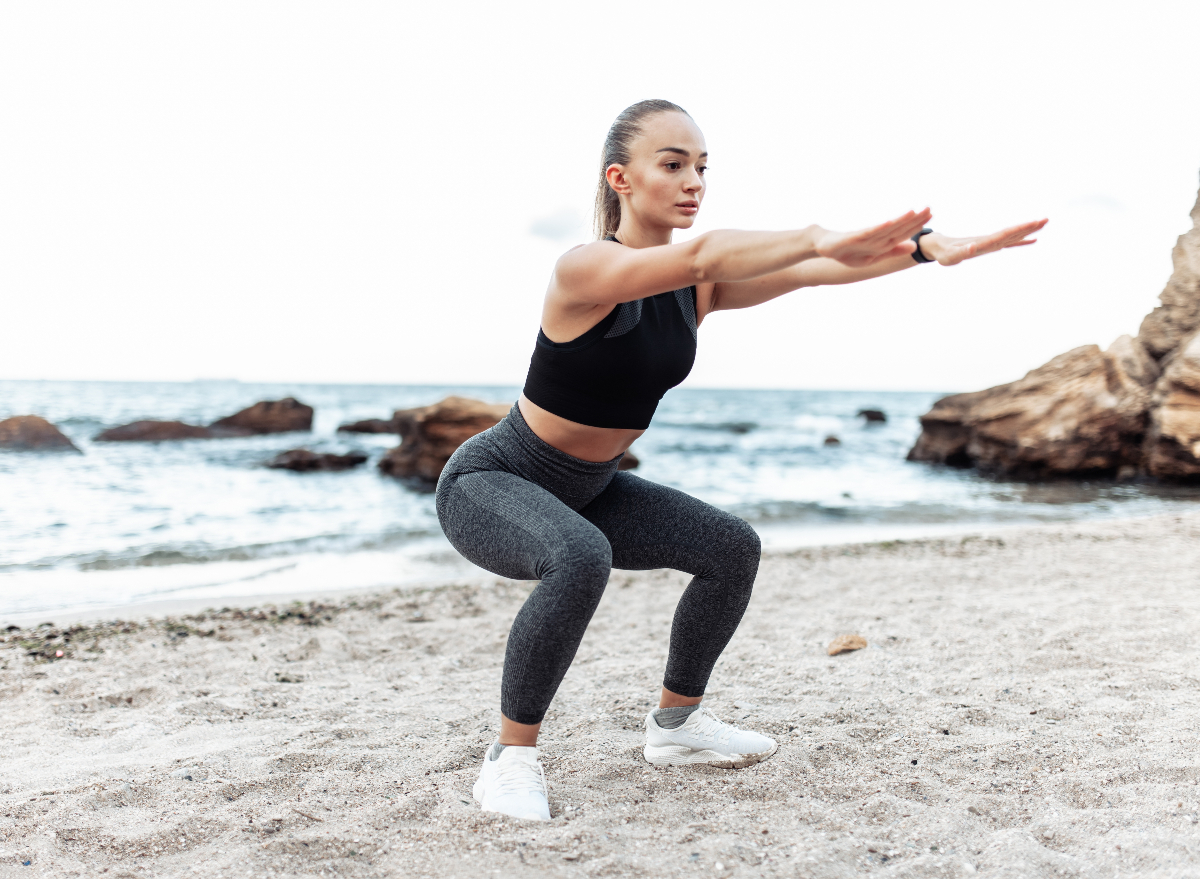
Staying active can help combat constipation by encouraging bowel movements. Here are six exercises that can help relieve constipation and give your digestive system a boost: massaging your abdomen, deep breathing, wind-relieving pose, squats, seated twist, and low-intensity cardio. These exercises stimulate the muscles in the digestive system and promote bowel movements. Practicing deep breathing can trigger the muscles in your digestive system, while yoga poses can help with bowel movements. Low-intensity cardio boosts blood flow and activates the muscles in your digestive system.

Expert Tips for Coping with Panic and Anxiety Attacks

Originally Published 2 years ago — by Daily Mail

Featured image for Expert Tips for Coping with Panic and Anxiety Attacks
Source: Daily Mail

Three psychologists have shared natural ways to prevent and manage panic attacks without medication. The methods include the 4:6 breathing technique, the rainbow technique, identifying the panic attack, maintaining good posture, and breathing slowly and gently through the nose. Therapy, particularly cognitive behavioral therapy, is also recommended to modify behavior and thought patterns that may trigger panic attacks. Panic attacks affect one in ten Americans and can cause symptoms such as chest pains, sweating, and hyperventilation.