Researchers at McMaster University and MIT discovered a new narrow-spectrum antibiotic called enterololin that targets bacteria involved in IBD, using AI to predict its mechanism of action, significantly speeding up the drug development process and offering hope for better treatments for conditions like Crohn's disease.
A study shows that pro-inflammatory diets can worsen IBD symptoms, with those consuming such diets being up to three times more likely to experience moderate to severe disease, emphasizing the importance of an anti-inflammatory diet for managing IBD.
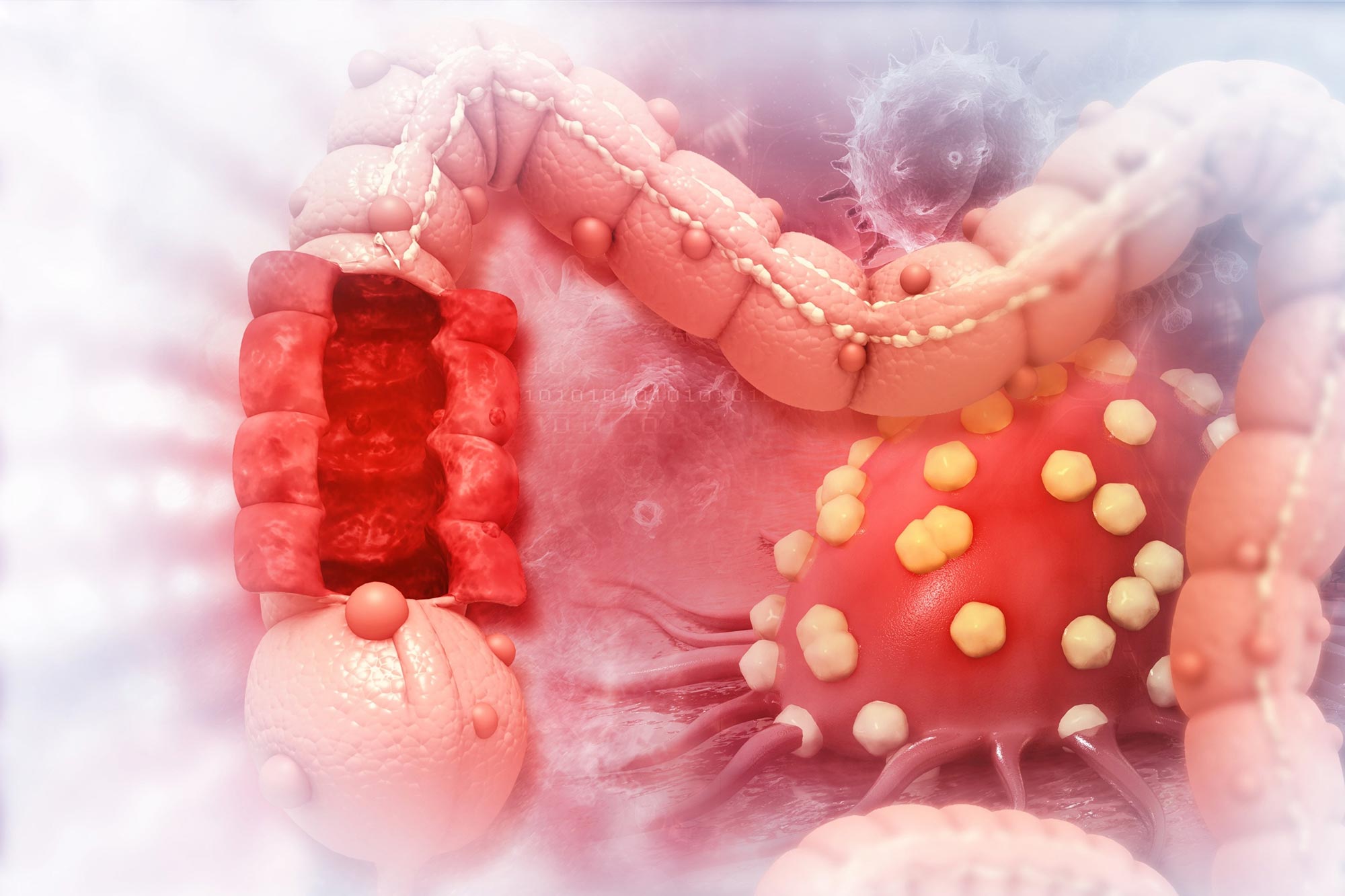
Inflammatory bowel disease (IBD), affecting up to 3.1 million adults in the U.S., is a chronic condition where the immune system attacks the intestines, causing inflammation and damage. Diagnosis involves medical history, physical exams, lab tests, and imaging like endoscopy or MRI. IBD differs from irritable bowel syndrome (IBS), which has similar symptoms but no underlying disease. Managing IBD requires a team approach to find effective medication and lifestyle strategies to prevent flare-ups and address related health issues.
Researchers at Karolinska Institutet have discovered a molecule that promotes intestinal healing and suppresses colorectal cancer growth by activating the Liver X receptor. This finding, published in Nature, could lead to new treatments for inflammatory bowel disease (IBD) and cancer, addressing the need for alternatives to current therapies that often fail to help patients. The study highlights the potential of this molecule to treat chronic bowel disorders resulting from cancer therapies.
Researchers at Duke University have found that stimulating the vagus nerve can reduce gut inflammation in inflammatory bowel disease (IBD) by affecting SUMOylation, a process involved in immune response. This approach, which has shown promising results in mice, could lead to new therapies targeting inflammation directly, offering hope for the growing number of IBD patients worldwide. The study highlights the potential of bioelectronic medicine in managing chronic inflammatory conditions.
IBS and IBD can cause similar digestive symptoms, but they are different conditions. IBD is a disease that causes inflammation in the digestive system and other parts of the body, while IBS is a disorder of gut-brain interaction. Both conditions have different causes, symptoms, and treatments. IBD can lead to serious complications, including extraintestinal manifestations, while IBS is not a risk factor for cancer. Treatment for IBS and IBD includes medication, diet, and lifestyle changes.
Four strangers who took at-home DNA tests found out they were half-sisters from the same sperm donor and all suffer from ulcerative colitis, a chronic inflammation of the gastrointestinal tract. They became friends and shared medical advice and support. Doctors say there is a genetic connection with IBD, but studies show close to 80% of patients don't have a close relative with the disease.