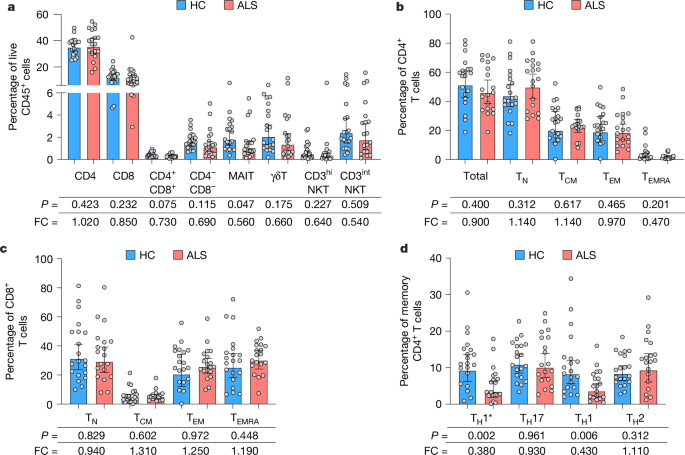
The study identifies C9orf72 as a major autoantigen targeted by CD4+ T cells in ALS patients, with responses skewed towards an anti-inflammatory profile, especially in those with longer survival, suggesting a potential protective immune component in ALS progression.
Researchers have discovered that in ALS, immune cells attack a neuronal protein called C9orf72, triggering inflammation and nerve cell loss, with variations in immune response linked to disease progression, opening new avenues for targeted therapies that could also impact other neurodegenerative diseases.
A common childhood infection, strep throat, can in rare cases trigger Pandas, a disorder causing sudden neuropsychiatric symptoms due to autoimmune reactions affecting the brain, leading to severe behavioral and physical changes, with treatment options like IVIG and plasma exchange often underutilized despite evidence of effectiveness.
Researchers at the Royal Adelaide Hospital are developing a new cell therapy that could prevent or delay the onset of type 1 diabetes. The therapy involves generating new CAR-T Reg cells from the patients' blood, which have the potential to suppress the autoimmune response that attacks the pancreas. The study, supported by a Diabetes Australia Research Program grant, aims to explore a more targeted therapy specifically for the pancreas. The funding will help progress the testing phase of the study, which could potentially prolong the time it takes to develop type 1 diabetes and reduce the need for insulin therapy.
A study conducted by Northwestern Medicine on long COVID has revealed that patients who were hospitalized and placed on ventilators had broader and more severe lasting neurological symptoms compared to non-hospitalized patients who had milder infections. The non-hospitalized patients with long COVID may have experienced an autoimmune response triggered by the virus confusing the immune system. The researchers hope this new information will help guide treatments for both patient groups. Northwestern Medicine offers a support group for survivors and a comprehensive COVID clinic.
Long COVID can cause gastrointestinal problems, including disorders like GERD and IBS, as well as constipation and diarrhea. The risk of developing GI issues after COVID is relatively small, but when you account for the fact that COVID’s burden is so large, the number of long COVID patients dealing with gut issues becomes significant. The most convincing theory as to why some people develop gut problems after COVID is ongoing inflammation in the intestines, but COVID may also disrupt the gut microbiome or ignite an autoimmune response. Our understanding of long COVID and its effects on the body is still evolving.