Tag

Emergency Medicine

All articles tagged with #emergency medicine

Why 'The Pitt' Resonates as a True Healthcare Reflection in 2025

Originally Published 13 days ago — by CBS News

Featured image for Why 'The Pitt' Resonates as a True Healthcare Reflection in 2025
Source: CBS News

A Pittsburgh-based medical professional praises the TV show 'The Pitt' for its realistic portrayal of hospital life, including medical procedures and the emotional challenges faced by healthcare workers, highlighting the importance of support and debriefing in high-stress environments.

Researchers Warn of Rising E-Scooter Injury Expenses

Originally Published 3 months ago — by Gizmodo

Featured image for Researchers Warn of Rising E-Scooter Injury Expenses
Source: Gizmodo

Researchers highlight the rising costs of e-scooter injuries, with Irish hospitals spending over $150,000 annually on such cases, mainly involving musculoskeletal injuries and head traumas, emphasizing the need for stricter safety regulations and helmet laws to reduce injuries and healthcare burden.

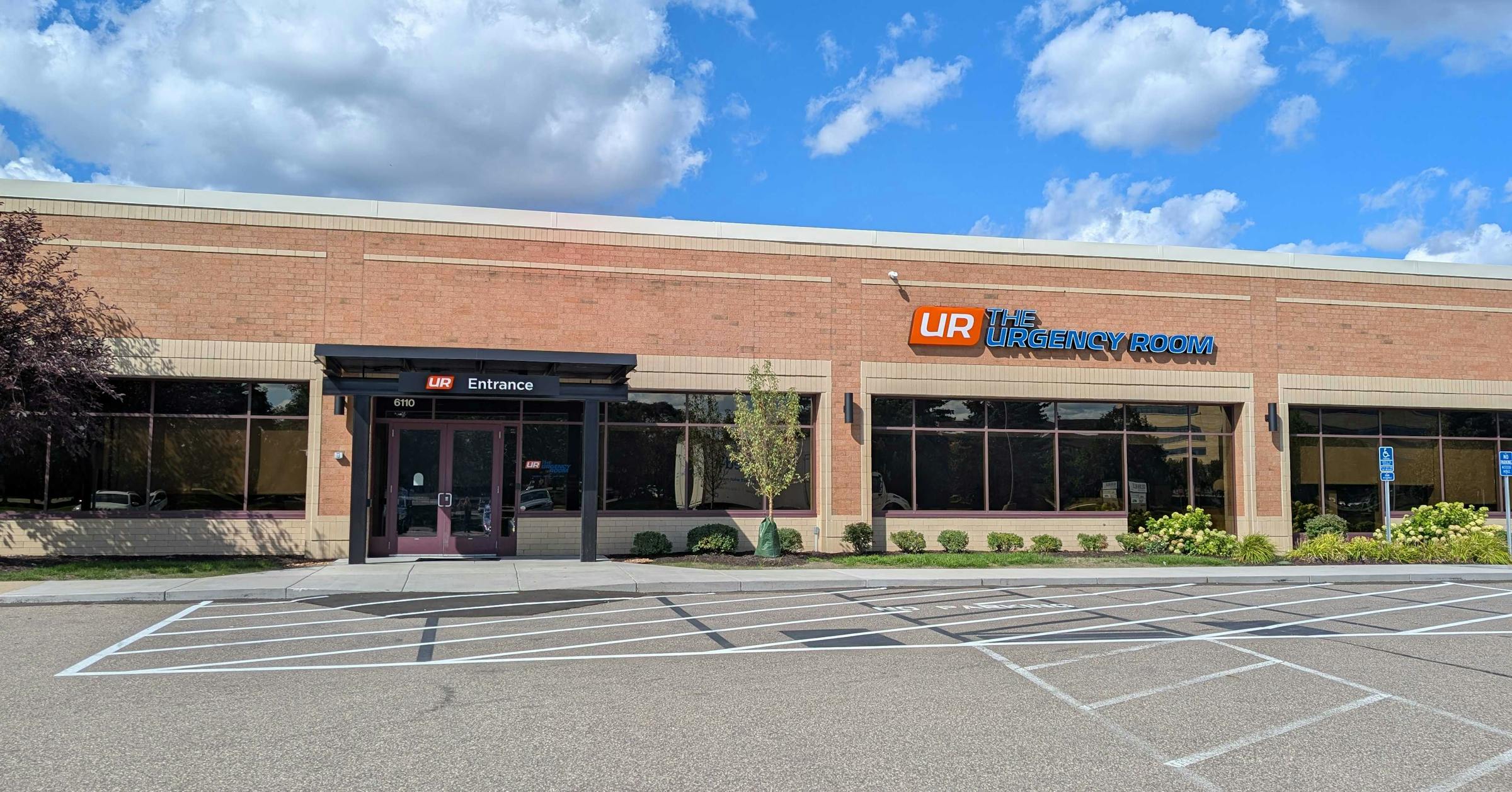
Private Clinic Chain Expands Emergency Care in West Metro

Originally Published 4 months ago — by Star Tribune

Featured image for Private Clinic Chain Expands Emergency Care in West Metro
Source: Star Tribune

Emergency Physicians P.A. is expanding its urgent care model in the Twin Cities by opening a new clinic in Golden Valley, offering advanced diagnostics and ER-level staffing to treat complex cases outside of hospitals, aiming to reduce ER crowding and improve patient care.

ER Physician Reveals 5 Pain Types That Require Immediate Attention

Originally Published 6 months ago — by HuffPost

Featured image for ER Physician Reveals 5 Pain Types That Require Immediate Attention
Source: HuffPost

Emergency physicians highlight five critical types of pain—sudden, persistent pain; chest pain; calf pain with redness; tearing upper back pain; and certain lower abdominal pains—that should prompt immediate medical evaluation due to their potential severity. While all pain warrants attention, these specific symptoms are especially concerning and may indicate serious conditions like heart attacks, blood clots, or vascular issues. Seeking prompt medical care is crucial for proper diagnosis and treatment, even if the pain turns out to be benign.

Surgeons Advocate for Easier EMS Blood Access to Save Lives

Originally Published 1 year ago — by The Washington Post

Featured image for Surgeons Advocate for Easier EMS Blood Access to Save Lives
Source: The Washington Post

Improving access to blood for emergency medical services (EMS) in the field could potentially save up to 10,000 lives annually, according to surgeons at an American College of Surgeons conference. They highlighted the importance of rapid blood availability in enhancing survival rates during emergencies.

"Aspirin Within 4 Hours of Chest Pain Can Prevent Heart Attack Deaths: Study"

Originally Published 1 year ago — by The Times of India

Featured image for "Aspirin Within 4 Hours of Chest Pain Can Prevent Heart Attack Deaths: Study"
Source: The Times of India

A recent study highlights that taking 325mg of aspirin within four hours of severe chest pain can significantly reduce heart attack deaths. Doctors recommend immediate aspirin intake for symptoms like intense chest pain, sweating, and dizziness, but caution against its use for those with allergies or certain medical conditions. While aspirin can thin blood and prevent clot formation, it should not be taken long-term without medical advice due to bleeding risks.

"Local Doctor and Survivor Highlight Key Stroke Warning Signs"

Originally Published 1 year ago — by FOX 5 San Diego

Featured image for "Local Doctor and Survivor Highlight Key Stroke Warning Signs"
Source: FOX 5 San Diego

Dr. Charles Hamori, a San Diego primary care physician, shares his personal experience of suffering a stroke during a tennis match and emphasizes the importance of recognizing stroke symptoms. He highlights the role of stroke carts, which enable remote consultation and immediate intervention, in saving lives. Hamori advocates for greater awareness of stroke symptoms such as slurred speech, facial drooping, arm weakness, or dizziness.

"Preventing Brain Injuries: Strategies to Avoid Neurosurgery Consultations"

Originally Published 1 year ago — by First10EM

Featured image for "Preventing Brain Injuries: Strategies to Avoid Neurosurgery Consultations"
Source: First10EM

A prospective multi-institutional trial validated the Brain Injury Guidelines (BIG) for traumatic brain injury patients, finding that low-risk patients classified by BIG did not require neurosurgical intervention, potentially reducing resource utilization. However, the study's data has limitations, including missing information and loss to follow-up, and lacks statistical analysis, suggesting caution in complete guideline implementation. The study highlights the need for further research and consideration of selection bias and generalizability in applying the guidelines to diverse clinical settings.

"Teen's Vocal Cords Function as Coin Slot in Severe Ingestion Mishap"

Originally Published 1 year ago — by Ars Technica

Featured image for "Teen's Vocal Cords Function as Coin Slot in Severe Ingestion Mishap"
Source: Ars Technica

A 14-year-old boy in California accidentally swallowed a quarter, which ended up getting lodged in his airway, causing hoarseness and difficulty swallowing. Doctors had to use long, optical forceps guided by a camera to remove the coin from its dangerous resting place in the subglottis. The boy's symptoms improved after the retrieval, and he was discharged home with ulcerations on his airway from the coin's ribbed edge.

"Understanding the Difference: ECPR vs CPR"

Originally Published 1 year ago — by The New York Times

Featured image for "Understanding the Difference: ECPR vs CPR"
Source: The New York Times

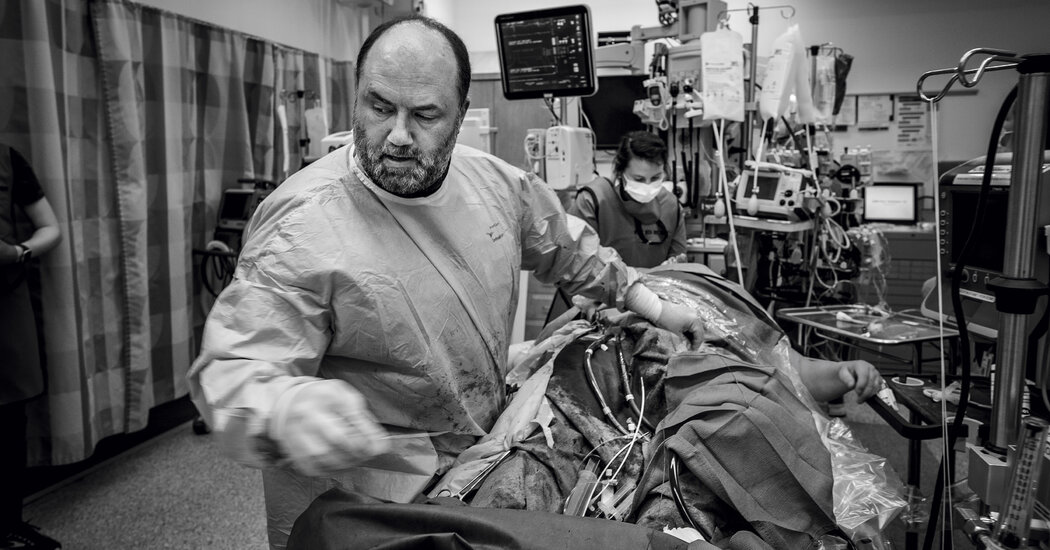
A new life-saving approach called ECPR, which involves connecting patients in cardiac arrest to an ECMO machine to take over the work of their heart and lungs, has shown a nearly 100 percent chance of revival with intact brain function if administered within 30 minutes of collapse. Even after 40 minutes, there is still a 50 percent chance of revival. This high-tech treatment allows the body to rest while doctors address the underlying problem, if fixable, and timing is crucial for its success.

"CPR Reinvention: A Race to Save Lives"

Originally Published 1 year ago — by The New York Times

Featured image for "CPR Reinvention: A Race to Save Lives"
Source: The New York Times

The article discusses the emergence of a high-tech approach called ECPR, which has the potential to restart more hearts and save more lives during cardiac arrests. It follows the story of a man who suffered a sudden cardiac arrest and the efforts of emergency responders to save him using CPR. Despite initial skepticism about the chances of survival, the article highlights the potential of ECPR and raises questions about why more hospitals are not embracing this innovative approach.

"Optimizing Nitroglycerin Dosage: The Case for High Doses"

Originally Published 1 year ago — by First10EM

Featured image for "Optimizing Nitroglycerin Dosage: The Case for High Doses"
Source: First10EM

A recent randomized controlled trial compared high dose intravenous nitroglycerin to low dose for treating sympathetic crashing acute pulmonary edema (SCAPE) and found that high dose nitroglycerin resulted in significantly improved outcomes, with 65% of patients experiencing symptom resolution at 6 hours compared to 12% in the low dose group. The study, although small and single-center, suggests that higher doses of nitroglycerin may be more effective in managing SCAPE, potentially prompting a change in practice while awaiting larger studies.

"NINJA Trial: Fingernail Replacement After Nail Bed Repair"

Originally Published 1 year ago — by First10EM

Featured image for "NINJA Trial: Fingernail Replacement After Nail Bed Repair"
Source: First10EM

The NINJA trial, a multicenter study, investigated the effectiveness of replacing the fingernail after nail bed repair in children. The study found no significant difference in surgical site infections or cosmetic outcomes between replacing the nail and discarding it after repair. The results suggest that there is no benefit in replacing the nail after nail bed repair, but the study does not address the broader question of whether nail bed injuries require any intervention at all. The author advocates for conservative management of most nail bed injuries and highlights the potential bias in the study's inclusion criteria.

"Rising Measles Cases Prompt New Training for Doctors and Global Vaccination Warnings"

Originally Published 1 year ago — by ABC News

Featured image for "Rising Measles Cases Prompt New Training for Doctors and Global Vaccination Warnings"
Source: ABC News

As measles cases resurge in the U.S., a new generation of doctors is being taught to recognize the disease, which many have never encountered due to its previous eradication. With vaccination rates lagging, hospitals are developing response plans and educating healthcare staff to ensure early detection and appropriate precautions. Emergency physicians are being reminded to consider measles as a possible diagnosis when children present with fever and rash, as the disease can lead to serious complications, especially in young children.