Many Asian Americans experience the 'Asian glow,' a facial redness caused by enzyme deficiency when drinking alcohol, leading to emotional and social challenges, with some using remedies like pills or makeup to mitigate the effect.
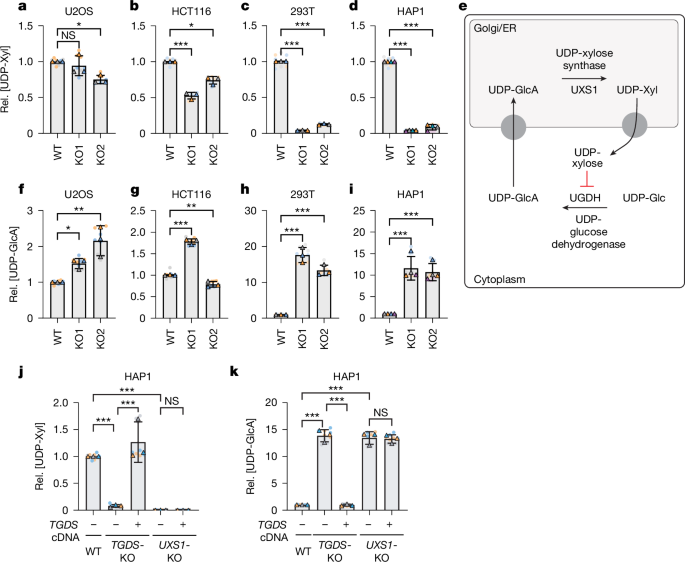
The study identifies TGDS as an enzyme producing UDP-4-keto-6-deoxyglucose, which reactivates UXS1, a key enzyme in glycosaminoglycan synthesis. Deficiency in TGDS impairs this process, leading to Catel–Manzke syndrome, a rare skeletal disorder, with evidence from cell models, patient fibroblasts, and mouse models supporting this molecular mechanism.
A new at-home DNA test can determine if individuals have a genetic intolerance to alcohol, which is linked to a mutated gene affecting the enzyme aldehyde dehydrogenase (ALDH). This enzyme is crucial for breaking down acetaldehyde, a toxic byproduct of alcohol metabolism. Those with the gene mutation experience symptoms like facial flushing, nausea, and heart palpitations after consuming small amounts of alcohol. Experts advise such individuals to drink in moderation, stay hydrated, and maintain a balanced lifestyle. The test also checks for other sensitivities, such as gluten and lactose intolerance.
A new mRNA therapy, mRNA-3927, shows promise in treating propionic acidemia, an ultrarare inherited metabolic disorder that affects around 1 in 100,000 people in the U.S. The therapy aims to replenish stocks of working enzymes in the body by using messenger RNA to produce fully functioning enzymes that are otherwise defective in patients with the disease. Initial findings from a pioneering clinical trial suggest a 70% drop in the rate of metabolic decompensation events in patients with propionic acidemia, although the trial has several limitations and is ongoing.