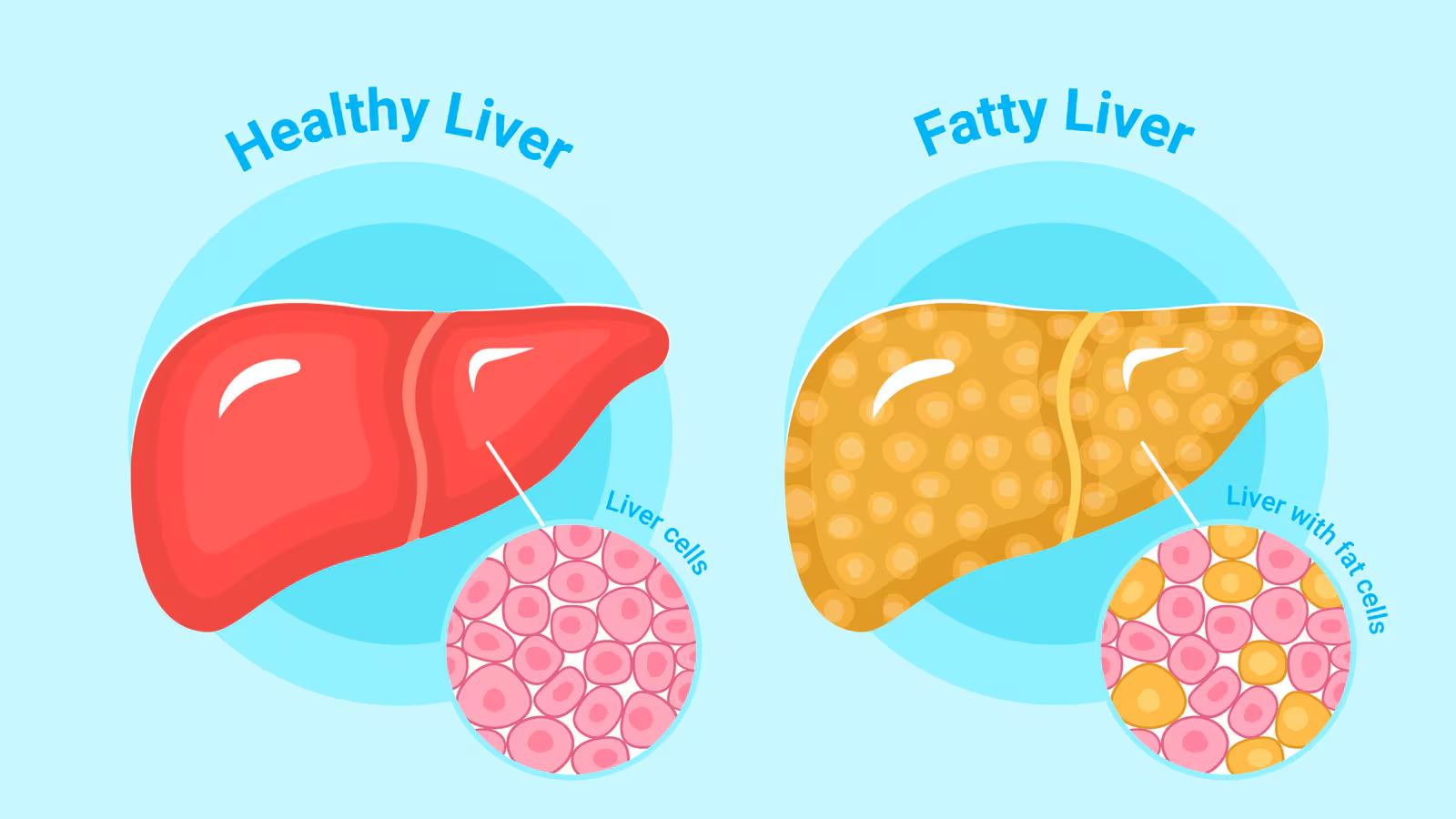
Fatty liver disease, increasingly common due to sedentary lifestyles and obesity, can progress from fat buildup to irreversible scarring and liver failure if not treated early. Dr. Wendi emphasizes the importance of early action to prevent serious liver damage and highlights the stages of disease progression, including fibrosis and cirrhosis.

Researchers in Brazil have found that many Covid-19 patients who required intubation are experiencing long-term lung damage, including inflammation and fibrosis, two years after discharge. The study, involving 237 patients, revealed that 92% had lung abnormalities, with some showing worsening conditions over time. The findings highlight the need for ongoing monitoring and potential interventions to address these serious complications.
MIT engineers have developed a hydrogel adhesive coating for medical implants that prevents fibrosis, or scar tissue formation, which can interfere with device function. This adhesive binds the devices to tissue, preventing the immune system from attacking them. The approach has shown success in animal models and could be used for various implants, including pacemakers and drug delivery devices. The research, published in Nature, was funded by the NIH and NSF.
Pliant Therapeutics' drug bexotegrast shows consistent safety across dose ranges in a Phase IIa trial for primary sclerosing cholangitis (PSC), although the highest dose did not demonstrate improved activity over lower doses based on new biomarker data. Analysts remain optimistic about the drug's overall development, as it inhibits two integrins to block the activation of TGF-beta, a central mediator of fibrosis in PSC patients.
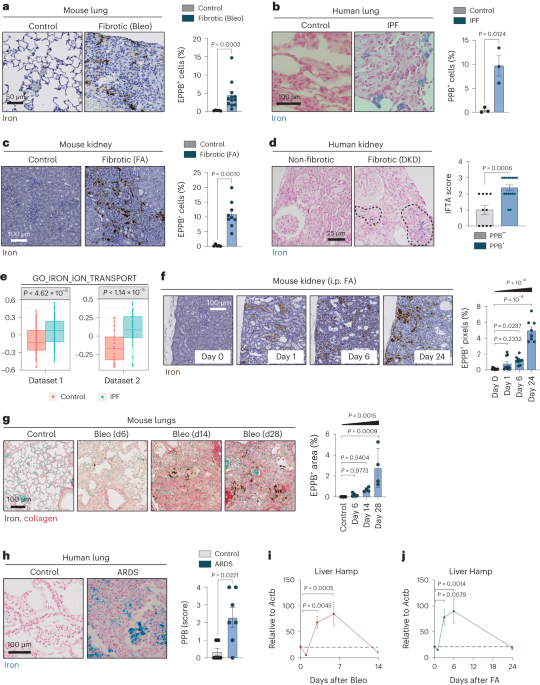
Iron accumulation has been found to play a causative role in fibrogenesis, senescence, and the senescence-associated secretory phenotype (SASP). Fibrogenic injuries can lead to progressive iron accumulation in tissues, which promotes the secretion of pro-fibrotic cytokines, recruitment of immune cells, remodeling of the extracellular matrix, and activation of profibrogenic pathways. Iron accumulation also induces cellular senescence, characterized by the upregulation of senescence markers and DNA damage. These findings suggest that targeting iron accumulation may be a potential therapeutic strategy for fibrotic diseases.
People with Parkinson's disease who have liver scarring, known as fibrosis, are more likely to experience faster cognitive decline compared to those without liver scarring, according to a study. Over a five-year period, liver scarring was associated with a more rapid decline in cognitive assessment test scores. The researchers suggest that liver fibrosis may be an unrecognized determinant of cognitive outcomes in Parkinson's disease and further research is needed to understand the underlying mechanisms and develop strategies to preserve cognitive health in these patients.
Researchers have discovered that the common diabetes drug, Metformin, can prevent muscle atrophy and fibrosis, potentially aiding in faster recovery from injury in the elderly. The drug targets senescent cells, which affect muscle function, and its benefits were observed in a study with older adults during periods of muscle disuse and recovery. This finding opens up new possibilities for using Metformin to improve muscle recovery in aging individuals.
Researchers at Massachusetts General Hospital have discovered that immune cells called macrophages play a significant role in the development of atrial fibrillation (AFib), a common heart condition. These cells contribute to inflammation and fibrosis in the atria, leading to AFib. By targeting macrophages or macrophage-derived signals, such as the SPP1 protein, which promotes tissue scarring, it may be possible to develop immunomodulatory therapies for AFib. This research provides a foundation for future treatments and complements existing care for AFib patients.
A clinical trial led by researchers at the University of California San Diego School of Medicine has identified a potential new treatment for non-alcoholic steatohepatitis (NASH)-related fibrosis. The trial found that a drug called pegozafermin, which mimics a hormone in the body, improved liver fibrosis and inflammation in patients with NASH. Currently, there are no FDA-approved therapies for NASH, a condition that can lead to cirrhosis and other complications. The drug showed promising results in improving liver fibrosis, inflammation, and other biomarkers associated with NASH activity. Further research is needed to assess the drug's safety and efficacy in larger trials.