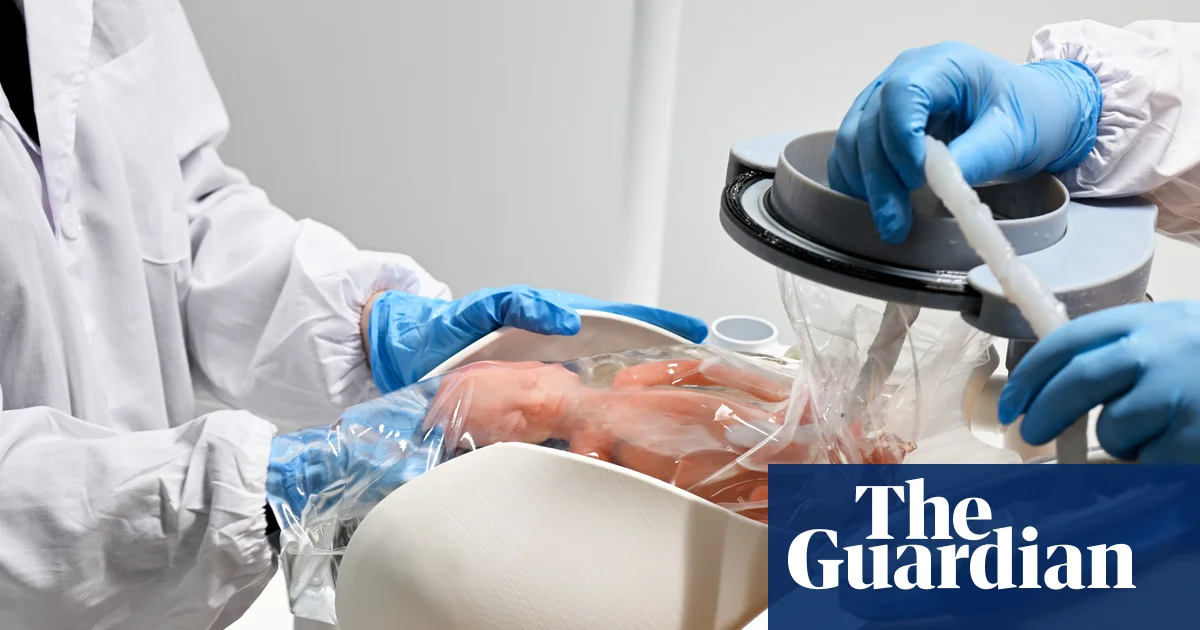
Scientists are developing artificial wombs to help extremely premature infants survive outside the womb, raising ethical, legal, and emotional questions about their use and impact on parenthood, with trials potentially beginning soon in the US.
Researchers in China are developing the world's first humanoid robot capable of experiencing full-term pregnancy using an artificial womb, which could revolutionize medical science and societal notions of family and birth, though it raises significant ethical and legal questions.
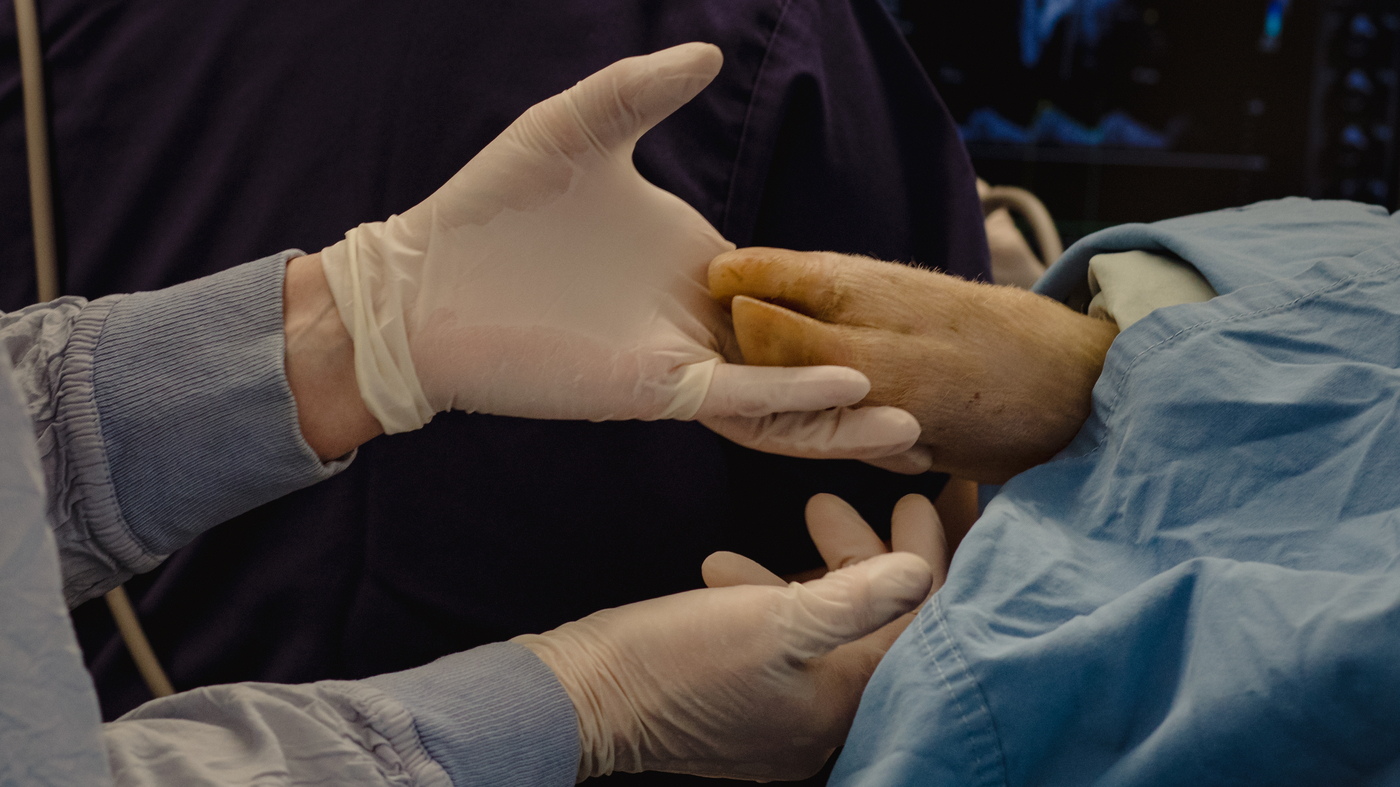
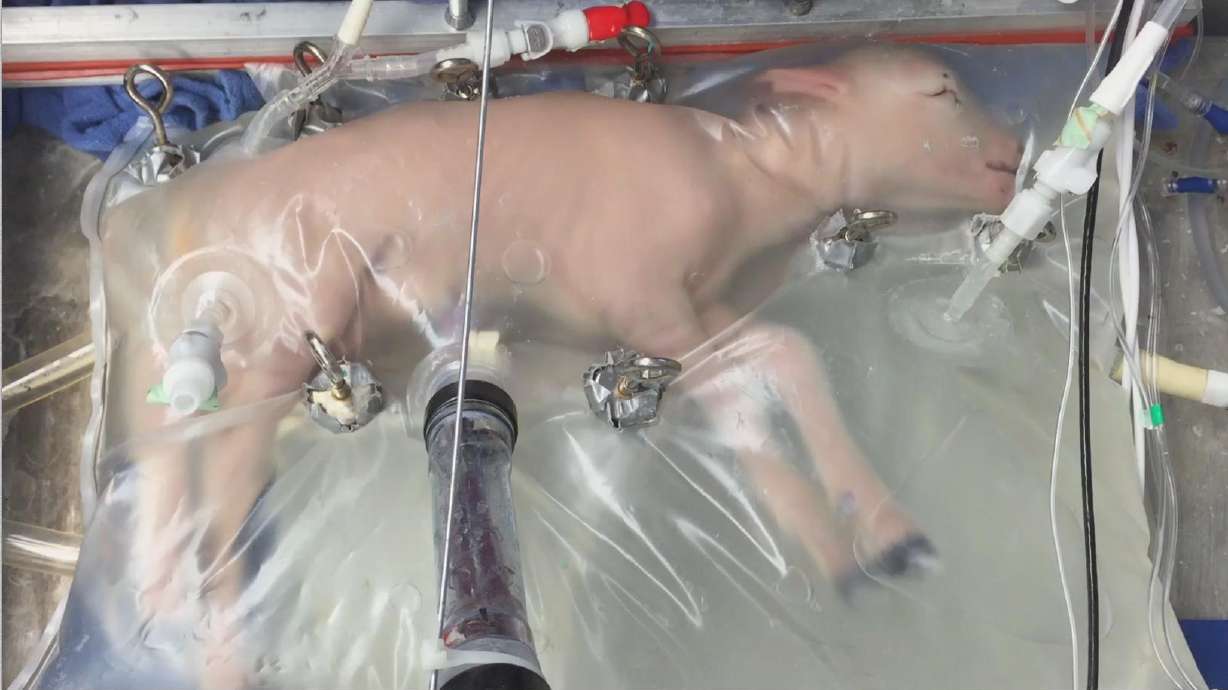
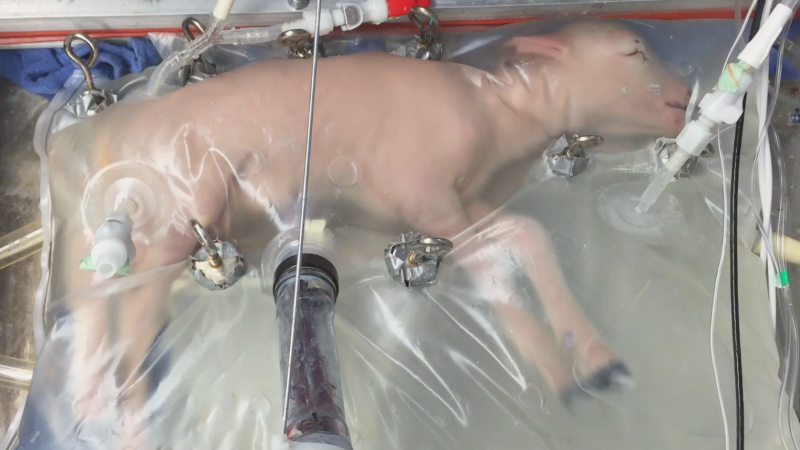
Surgeon Christoph Haller and his team are developing an artificial womb to help extremely premature babies survive and avoid complications, using a pig fetus as a test subject. The technology aims to allow fetuses to mature more physiologically and could be a game changer in treating extreme prematurity. While generating excitement, the prospect of an artificial womb raises ethical concerns and questions about safety, candidacy, and moral status. The FDA is discussing the latest scientific efforts and ethical issues surrounding artificial wombs, while researchers are optimistic about the potential to save babies but acknowledge the need for careful regulation and consideration of potential misuse.
Independent advisers to the U.S. Food and Drug Administration (FDA) are discussing the regulations, ethics, and possibilities of creating an artificial womb to increase the survival chances of extremely premature babies without long-term health problems. While no such device has been tested in humans, similar ones have been used successfully in animals. Prematurity is the leading cause of death in children under 5, and an artificial womb could help address this issue. The FDA committee is considering the data and regulations required for human trials, as well as ethical considerations and long-term effects. The FDA makes its own decisions and is not bound by the advisers' recommendations.
Independent advisers to the US Food and Drug Administration (FDA) are meeting to discuss the regulations, ethics, and possibilities of creating an artificial womb to increase the chances of survival for extremely premature babies without long-term health problems. Preterm births are the leading cause of death for children under the age of 5, and premature babies face a lifetime of health issues. An artificial womb could help a small number of infants born before 28 weeks of pregnancy, delivering oxygen, nutrients, and hormones to aid in their development. The FDA will consider data from animal trials and discuss regulations, ethics, and clinical considerations before potentially approving human trials.