The FBI has issued a warning that a Chinese hacking campaign has expanded its reach to 80 countries, highlighting a significant global cybersecurity threat and ongoing cyber espionage activities.
The Department of Homeland Security was affected by a cyberattack exploiting a zero-day vulnerability in Microsoft SharePoint, with multiple federal agencies potentially compromised. The attack, linked to Chinese state-aligned groups, involved unpatched systems and targeted sensitive government information. Microsoft has issued patches, and authorities are assessing the scope of the breach.
The FBI and CISA are urging Americans to use encrypted messaging and calls to protect against ongoing Chinese cyberattacks targeting US telecommunications networks. The attacks, attributed to the group Salt Typhoon, have compromised networks and stolen metadata, raising concerns about the security of cross-platform communications like RCS, which lacks end-to-end encryption. The agencies recommend using fully encrypted apps like WhatsApp and Signal to ensure privacy and security, as the scale of the hacking campaign prompts political action and scrutiny.
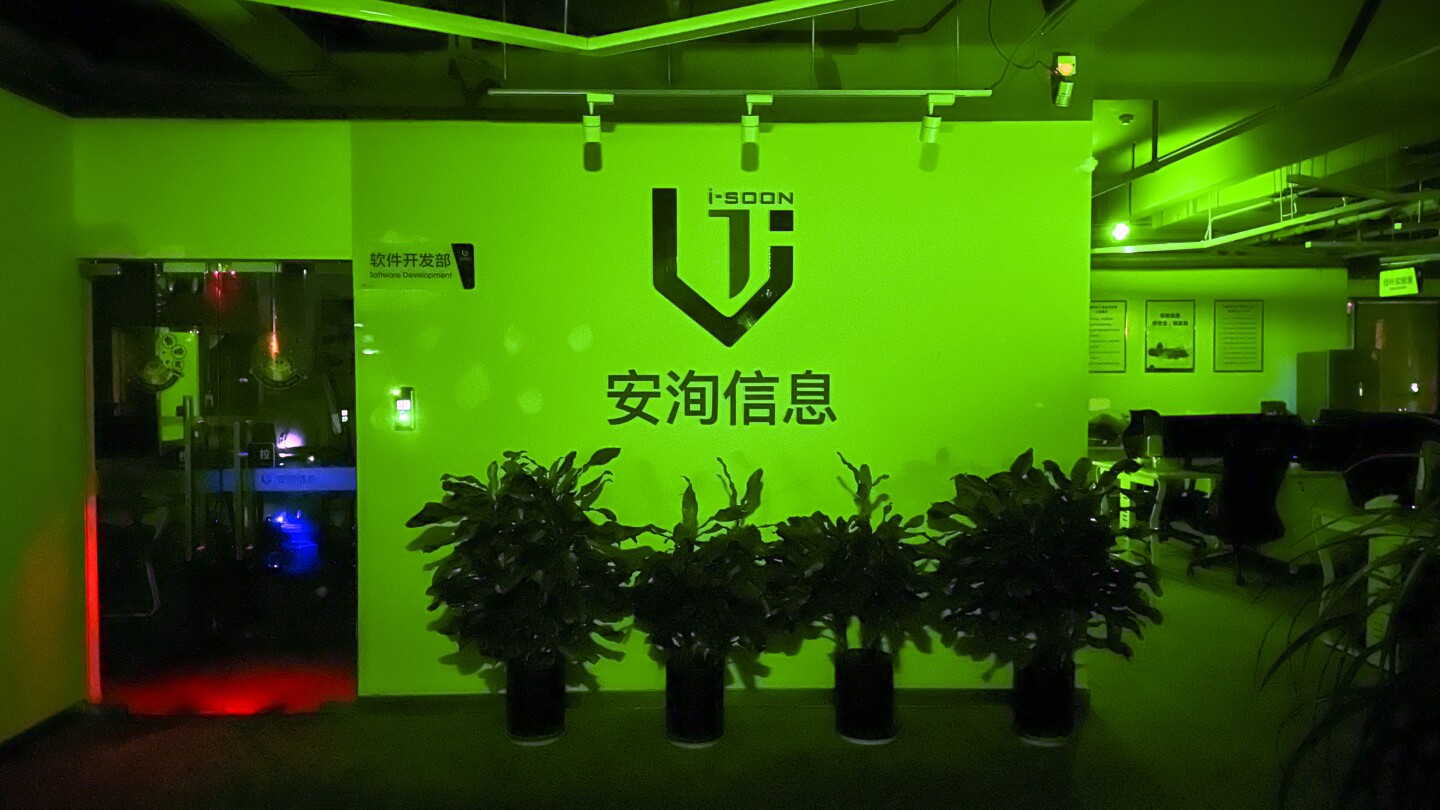
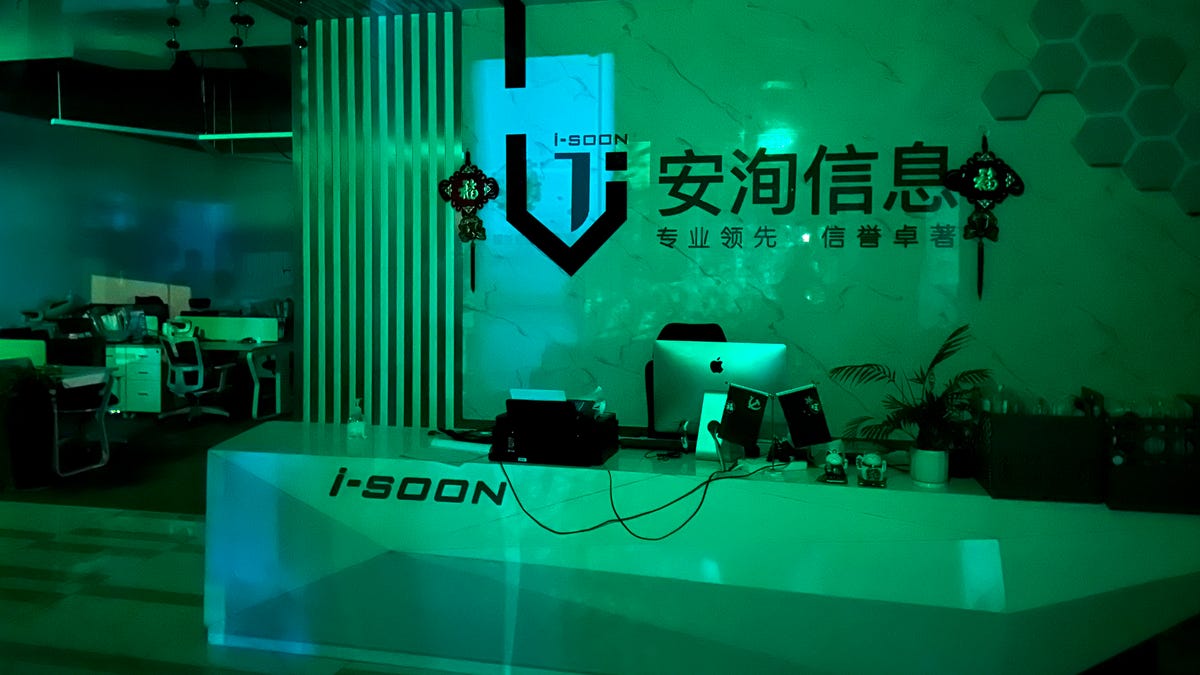
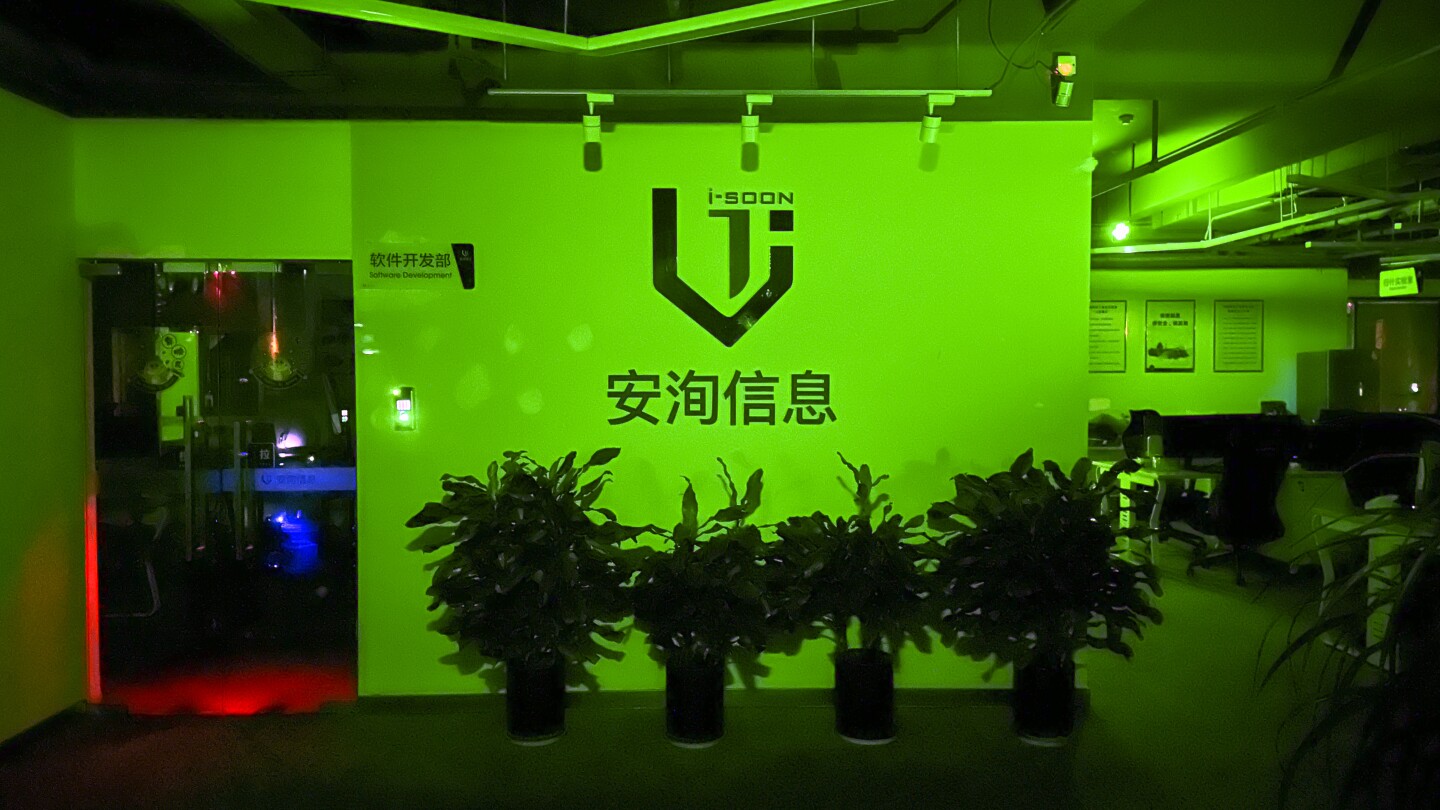
Internal documents from the Chinese hacking company I-Soon have revealed a sordid culture of influence, alcohol, and sex, shedding light on the shady business practices, poor security protocols, and ties to the Chinese state within the country's hacking industry. The leaked records show executives wooing officials over lavish dinners, colluding with competitors, and paying "introduction fees" for lucrative projects. The company's founder, Wu Haibo, aimed to bolster China's hacking capacity, and the leaked documents also expose lax security, poor pay, and an exodus of talent within the booming hackers-for-hire industry in China.
A leaked document obtained by WIRED has revealed the secret placement of gunshot-detection sensors in the US, while 15 years of messages posted to an internal system used by members of the US Congress were also leaked. The LockBit ransomware gang’s operation was disrupted by a coalition of law enforcement agencies, and the Signal Foundation began its rollout of usernames for its encrypted messaging app. Additionally, hundreds of documents linked to a Chinese hacking-for-hire firm were dumped online, providing insight into the secretive world of the industry that supports China’s state-backed hacking.
Alabama lawmakers are working to protect IVF services following a state Supreme Court ruling that considers frozen embryos as children under Alabama law, while a massive leak reveals Chinese hacking operations targeting critics of the Chinese government. Additionally, space company Intuitive Machines has completed the first commercial spacecraft landing on the moon, and Ukraine marks the second anniversary of Russia's invasion with progress in attacking Russian targets in Crimea. Lastly, Taiwan's unique cuisine is explored, and NPR recommends movies, TV shows, books, music, and a quiz for the weekend.
More than 570 documents reportedly from a Chinese state-backed hacking group were leaked, revealing hacking activities in at least 20 countries and territories, including the UK, India, South Korea, Thailand, and Malaysia. The documents, posted on GitHub, detailed the group's ability to exploit vulnerabilities in software made by companies like Microsoft and Google. The leak supports warnings from security officials about China's extensive hacking operations, with FBI chief Christopher Wray stating that China has "stolen more of our personal and corporate data than every nation, big or small, combined."
A leaked trove of over 500 sensitive technical documents reveals a Chinese technology company's hacking operations, target lists, and marketing materials for the Chinese government, with a focus on surveilling and harassing dissidents critical of the Chinese government. The leaked documents also detail the company's bidding for work to surveil the Uyghur population and its relationships with Chinese government agencies. Cybersecurity researchers are analyzing the leak, which includes details on custom spying devices and internal bureaucratic information, providing valuable insights into China's competitive marketplace for hacking operations.
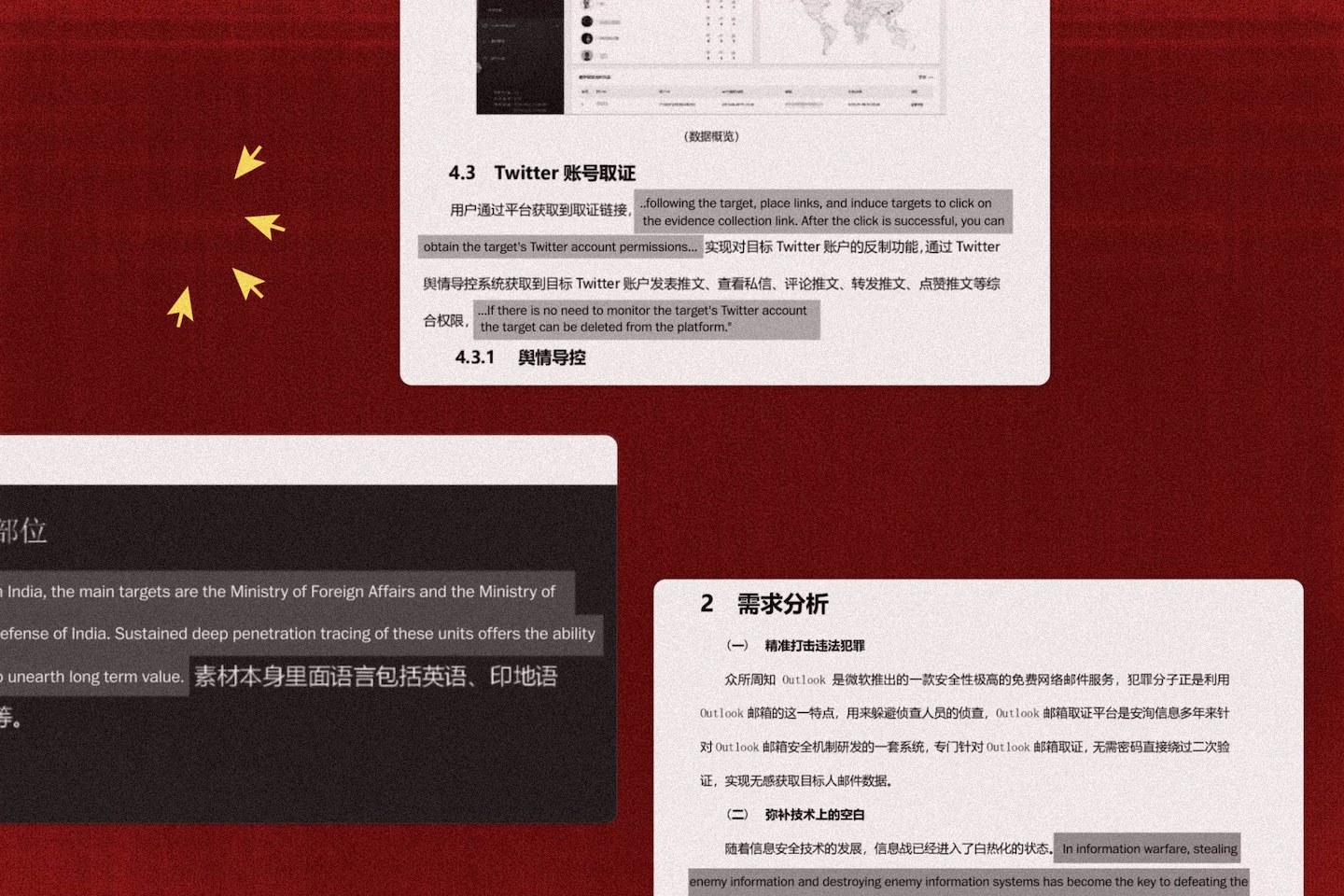
Leaked documents from Chinese hacking company I-Soon have revealed insights into state surveillance, showing the company's services including accessing private websites, disinformation campaigns, and hacking social media accounts for clients. The documents also revealed targets such as foreign governments, telecom providers, and various organizations, shedding light on China's state-backed hacking tactics. The leak has sparked investigations and concerns about Chinese authorities' monitoring tactics and cybersecurity threats.
A cache of leaked Chinese hacking documents from iSoon, a private security contractor with ties to China's Ministry of Public Security, has revealed the extent of China's hacking operations, targeting countries like the UK, India, South Korea, Thailand, and Malaysia, as well as extracting data from foreign telecommunications firms. The leaked files confirm warnings from security officials and experts about China's extensive hacking program, with FBI chief Christopher Wray stating that China has stolen more personal and corporate data than any other nation and that the FBI is outnumbered by Chinese hackers.
Leaked documents from a Chinese firm, iSoon, reveal extensive cyber intrusions by Beijing's intelligence and military groups targeting foreign governments, companies, and infrastructure, exploiting vulnerabilities in U.S. software. The cache includes contracts to extract foreign data over eight years, detailing targets in at least 20 foreign governments and territories. The leaked files offer insight into China's national security data-gathering industry, revealing the intense competition among firms vying for lucrative government contracts. The documents also shed light on the scale and persistence of Chinese hacking operations, as well as the dissatisfaction and infighting within the network of patriotic Chinese hackers.
Chinese police are investigating a significant online leak of documents from a private security contractor, I-Soon, linked to China's top policing agency, revealing methods used for state surveillance and hacking activities targeting both Chinese and foreigners. The leaked documents detail tools used to surveil dissidents overseas, hack other nations, and promote pro-Beijing narratives on social media. The leak, considered highly impactful, includes hundreds of pages of contracts, marketing presentations, product manuals, and client and employee lists. The source of the leak is unknown, and I-Soon's website is fully offline. The leaked documents indicate that I-Soon's sponsors include the Ministry of State Security and China's military, the People's Liberation Army.
US and allied intelligence agencies have revealed that a sophisticated Chinese hacking group known as "Volt Typhoon" has been targeting US critical infrastructure, including aviation, rail, mass transit, and more for the past five years. The group, which is believed to be focused on sabotage rather than espionage, has prompted the US government to seek assistance from private technology companies in tracking its activity. The joint statement from the US, Britain, Australia, Canada, and New Zealand's cybersecurity agencies highlights the ongoing concern over malicious cyber activity from China and the need for coordinated efforts to combat it.