Tag

Electromagnetic Waves

All articles tagged with #electromagnetic waves

Physicists Confirm Existence of 'Time Mirrors' After Decades of Theories

Originally Published 17 days ago — by The Daily Galaxy

Featured image for Physicists Confirm Existence of 'Time Mirrors' After Decades of Theories
Source: The Daily Galaxy

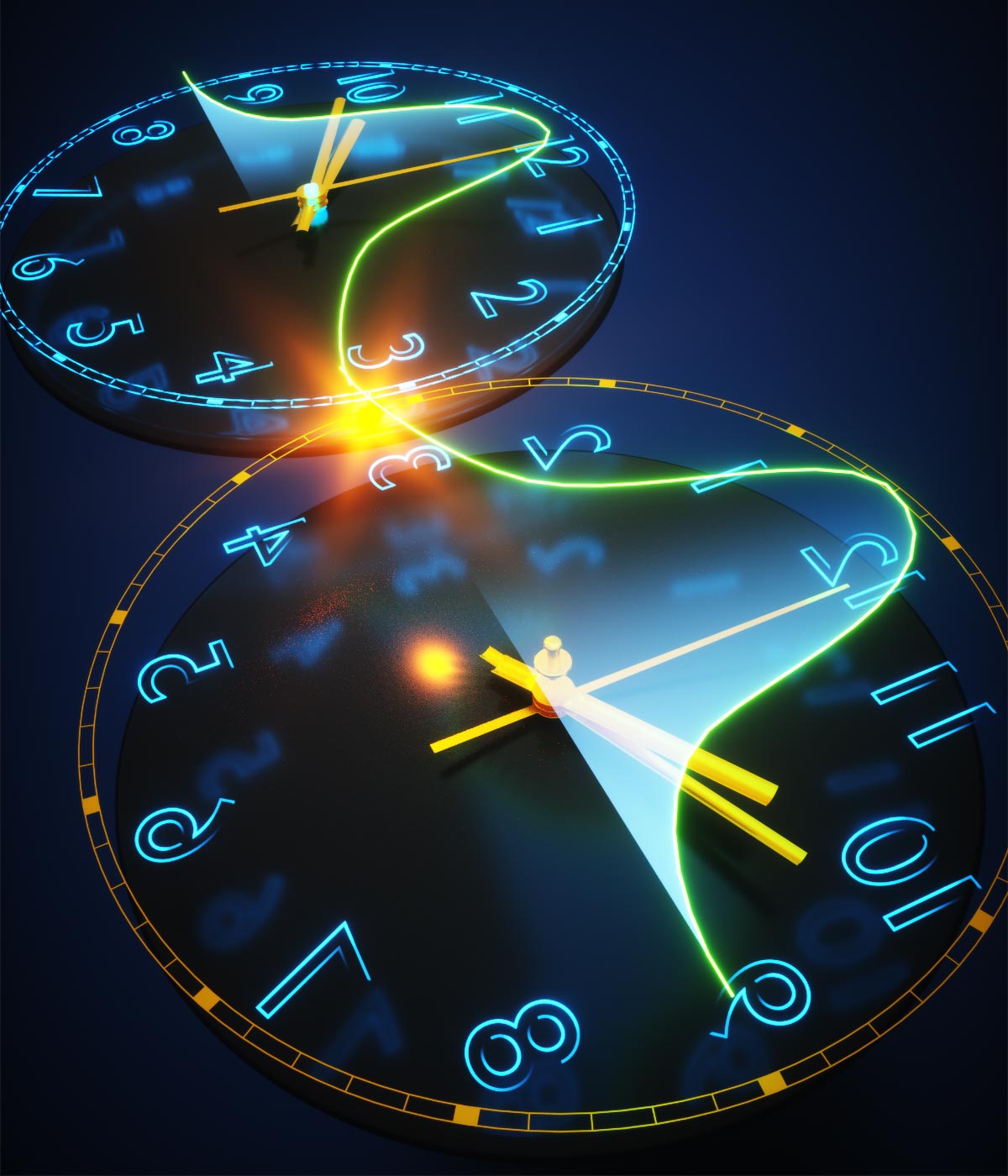
Physicists have experimentally confirmed the long-standing theoretical prediction of 'time mirrors' by reversing electromagnetic waves in time through engineered temporal boundaries in metamaterials, opening new avenues for wave control and potential applications in spectrum engineering and quantum technologies.

Scientists Verify Existence of Time Reflections

Originally Published 6 months ago — by Yahoo

Featured image for Scientists Verify Existence of Time Reflections
Source: Yahoo

Scientists in New York City have experimentally confirmed the existence of time reflections—an elusive phenomenon where electromagnetic waves are reversed in time—using engineered metamaterials that can rapidly change their properties, opening new possibilities for wireless communication and wave-based computing.

"Major Study Debunks Link Between Phones and Cancer Risk"

Originally Published 1 year ago — by Daily Mail

Featured image for "Major Study Debunks Link Between Phones and Cancer Risk"
Source: Daily Mail

A major international study of 250,000 mobile users over 17 years found no evidence linking long-term or heavy mobile phone use to an increased risk of developing brain cancer. Researchers from Imperial College London and Sweden’s Karolinska Institute concluded that newer phones emitting weaker electromagnetic fields and changes in phone usage habits have contributed to the lack of association between mobile phone use and brain tumors. The study's findings were published in the journal Environment International and are considered reassuring in dispelling concerns about the health risks of mobile phone usage.

"Enhancing Satellite Safety Through Space-Physics Error Correction"

Originally Published 1 year ago — by Phys.org

Featured image for "Enhancing Satellite Safety Through Space-Physics Error Correction"
Source: Phys.org

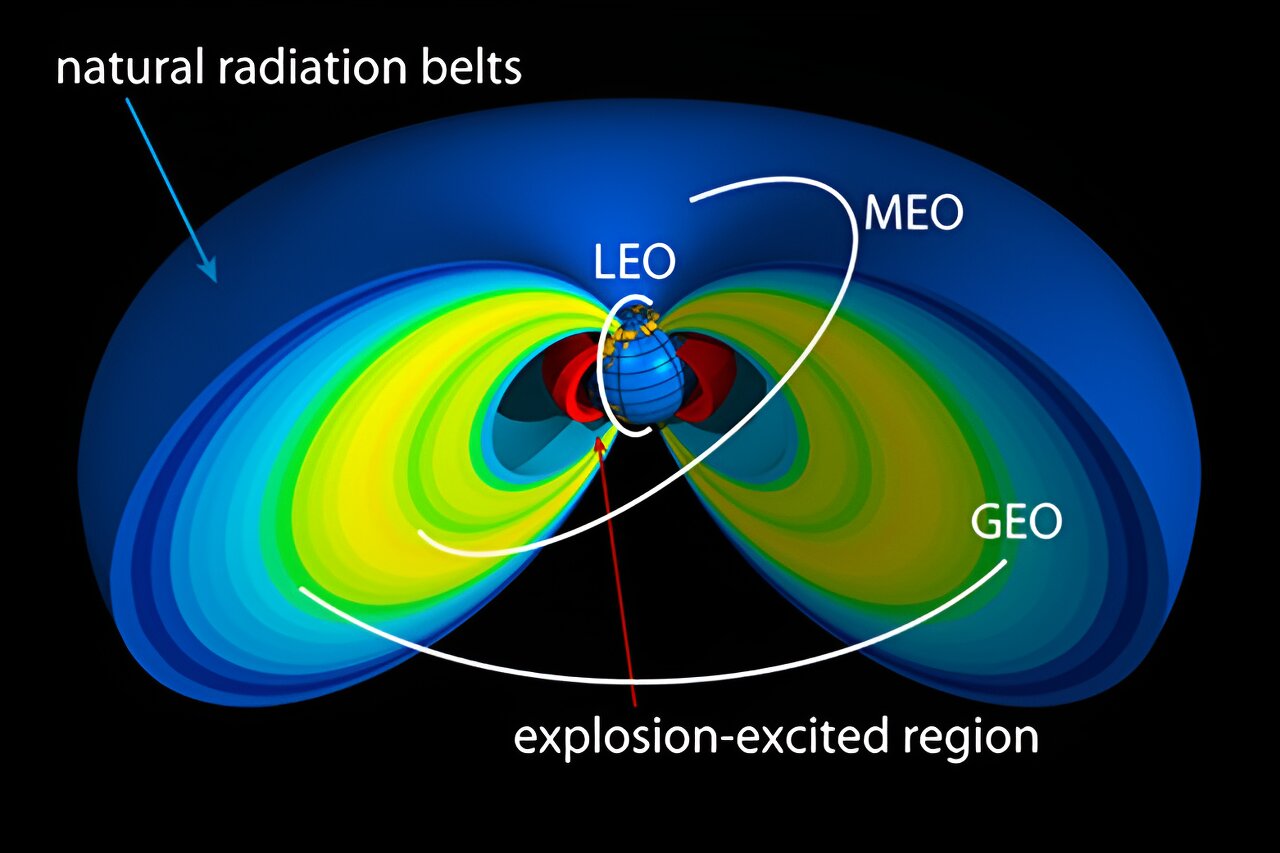
Researchers have corrected a 50-year-old error in the math used to understand how electromagnetic waves scatter electrons trapped in Earth's magnetic fields, leading to improved models of artificial radiation belts and better predictions of their impact on space technology. The discovery of these errors will help scientists improve their understanding of how high-altitude nuclear explosions could produce artificial radiation belts and impact space technology, potentially leading to better protection for satellites and space assets.

"Breakthrough: True One-Way Glass Achieved with Optical Metamaterial"

Originally Published 1 year ago — by Phys.org

Featured image for "Breakthrough: True One-Way Glass Achieved with Optical Metamaterial"
Source: Phys.org

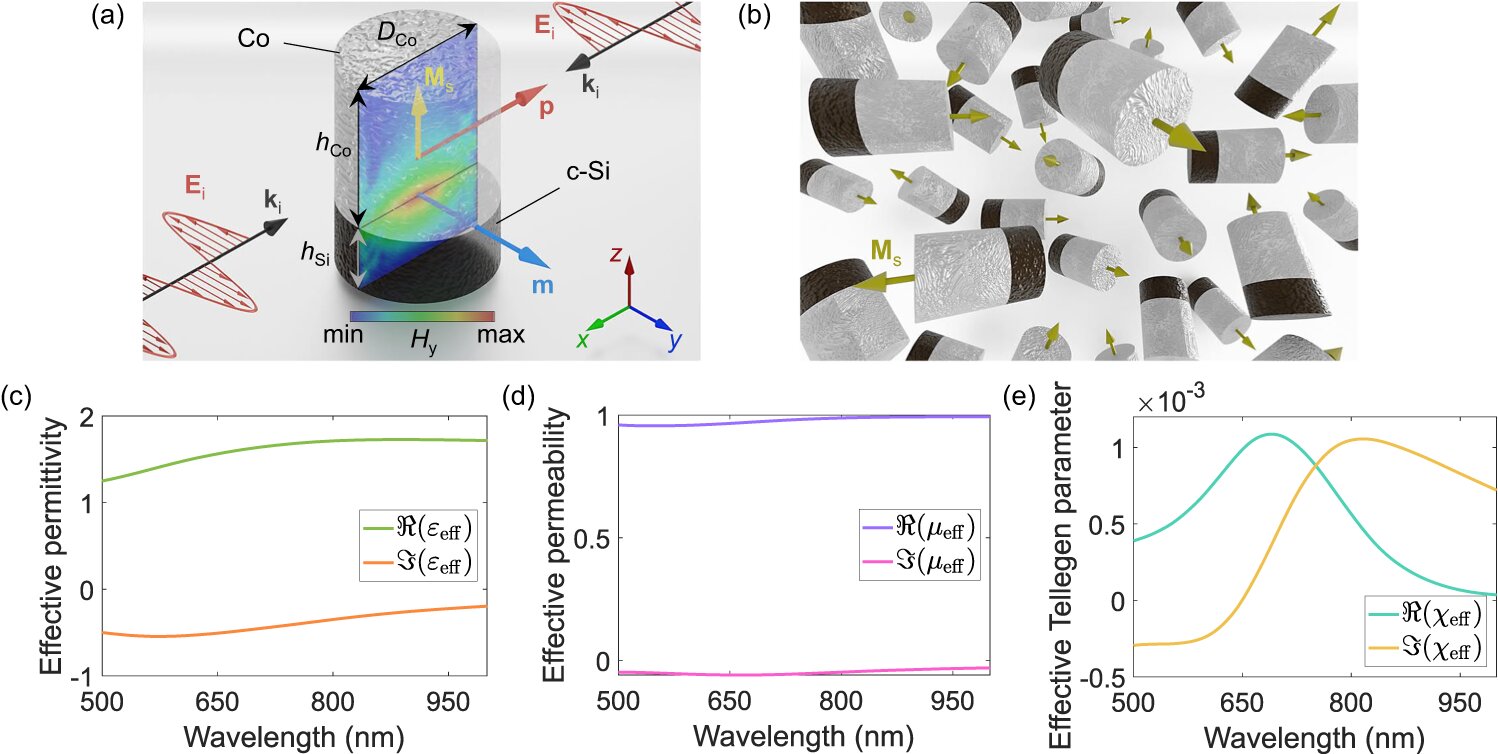
Researchers at Aalto University have developed a new optical metamaterial leveraging the nonreciprocal magnetoelectric effect, which allows for the creation of true one-way glass. This metamaterial, published in Nature Communications, can be fabricated using existing technology and conventional materials, unlike previous approaches. The potential applications of this technology include creating windows that provide one-way visibility regardless of external brightness, as well as improving the efficiency of solar cells by blocking thermal emissions.

Unveiling the Cosmic Wave: Revolutionizing Our Understanding of Plasma Instability and Cosmic Rays

Originally Published 2 years ago — by SciTechDaily

Featured image for Unveiling the Cosmic Wave: Revolutionizing Our Understanding of Plasma Instability and Cosmic Rays
Source: SciTechDaily

Scientists have discovered a new plasma instability that generates electromagnetic waves in cosmic rays, challenging previous theories and providing insights into cosmic ray transport in galaxies and their role in galactic evolution. This breakthrough allows for a deeper understanding of the acceleration process and explains why supernova remnants shine in radio and gamma rays. The discovery opens the door to unraveling the fundamental processes of cosmic ray transport in galaxies, which is a major mystery in our understanding of galactic evolution.

France Bans iPhone 12 Sales Due to Radiation Worries

Originally Published 2 years ago — by MacRumors

Featured image for France Bans iPhone 12 Sales Due to Radiation Worries
Source: MacRumors

France has ordered Apple to stop selling iPhone 12 models and recall all devices sold in the country due to concerns over excessive electromagnetic radiation. The French agency responsible for regulating radio frequencies found that the iPhone 12 emits more electromagnetic waves than permitted, posing a potential risk to users. Apple has contested the findings and stated that the device is compliant with all relevant regulations. This is not the first time Apple has faced regulatory scrutiny in France, as the country has previously required retailers to display radiation values on product packaging. Apple has two weeks to respond to the order.

Groundbreaking Experiment Reveals Electromagnetic Waves on Collision Course

Originally Published 2 years ago — by SciTechDaily

Featured image for Groundbreaking Experiment Reveals Electromagnetic Waves on Collision Course
Source: SciTechDaily

Researchers at CUNY ASRC have discovered a method to manipulate photons so they can collide and interact using tailored metamaterials, leading to potential advancements in telecommunications, optical computing, and energy applications. By creating time interfaces, the scientists were able to demonstrate strong photon-photon interactions and control the nature of the collision. This breakthrough could pave the way for shaping electromagnetic pulses and bringing benefits to wireless communications, imaging, computing, and energy harvesting technologies.

Electromagnetic Waves Collide in Unprecedented Encounters

Originally Published 2 years ago — by Phys.org

Featured image for Electromagnetic Waves Collide in Unprecedented Encounters
Source: Phys.org

Researchers at the CUNY Graduate Center have discovered a way to manipulate photons so that they can collide and interact with each other, similar to how massive objects collide. By creating time interfaces in tailored metamaterials, the scientists were able to control the nature of the collision and whether the waves exchanged, gained, or lost energy. This breakthrough has significant implications for telecommunications, optical computing, and energy applications, allowing for advancements in wireless communications, imaging, computing, and energy harvesting technologies.

"Unveiling the Potential of Photonic Time Crystals in Optics"

Originally Published 2 years ago — by Phys.org

Featured image for "Unveiling the Potential of Photonic Time Crystals in Optics"
Source: Phys.org

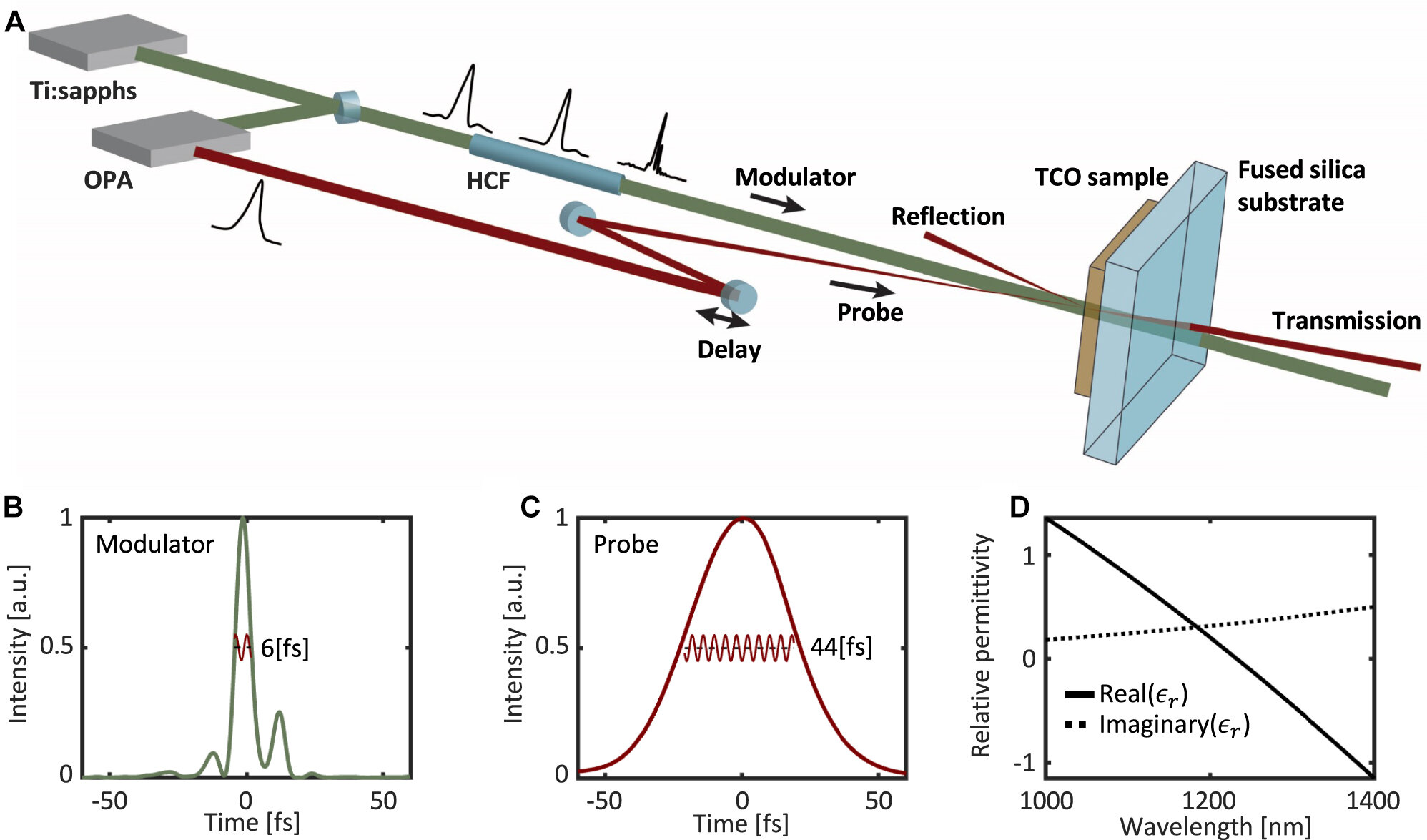
Researchers have demonstrated the ability to modulate the refractive index fast enough to generate photonic time crystals (PTCs) in the near-visible part of the spectrum. PTCs are materials in which the refractive index rises and falls rapidly in time, similar to how photonic crystals oscillate periodically in space. This breakthrough in sustaining PTCs in the optical domain could have significant implications for the science of light and enable disruptive applications in the future.

Trapped Waves Settle Debate on Localizing Light.

Originally Published 2 years ago — by Phys.org

Featured image for Trapped Waves Settle Debate on Localizing Light.
Source: Phys.org

Researchers have used numerical simulations to definitively show that Anderson localization of electromagnetic waves in three dimensions is possible in random packings of metallic spheres, despite the loss of common metals such as aluminum, silver, and copper. This discovery could have applications in enhancing optical nonlinearities, light-matter interactions, and controlling random lasing, among other possibilities. The team's simulations were made possible by a recent breakthrough in accelerating numerical solutions by orders of magnitude with FDTD Software Tidy3D.

Light Behaves Differently in Newly Created Time Crystal

Originally Published 2 years ago — by ScienceAlert

Featured image for Light Behaves Differently in Newly Created Time Crystal
Source: ScienceAlert

Scientists have created a new kind of photonic time crystal that can neaten and amplify electromagnetic waves, which could have potential applications in wireless communication systems, laser development, and electronic circuits. The crystal is made of ultra-thin sheets of artificial materials known as metasurfaces, which makes it easier to produce and examine photonic time crystals. The discovery of electromagnetic wave amplification along surfaces could improve integrated circuits and wireless communications.

"Physicists Develop Photonic Time Crystal to Enhance Light"

Originally Published 2 years ago — by Phys.org

Featured image for "Physicists Develop Photonic Time Crystal to Enhance Light"
Source: Phys.org

Researchers have created photonic time crystals that operate at microwave frequencies, which can amplify electromagnetic waves. The two-dimensional photonic time crystals have potential applications in wireless communication, integrated circuits, and lasers. The periodic arrangement of photons in the crystal leads to constructive interference and amplification of light, which can boost the efficiency of wireless transmitters and receivers. Coating surfaces with 2D photonic time crystals could also help with signal decay, and the crystals could simplify laser designs by removing the need for bulk mirrors.