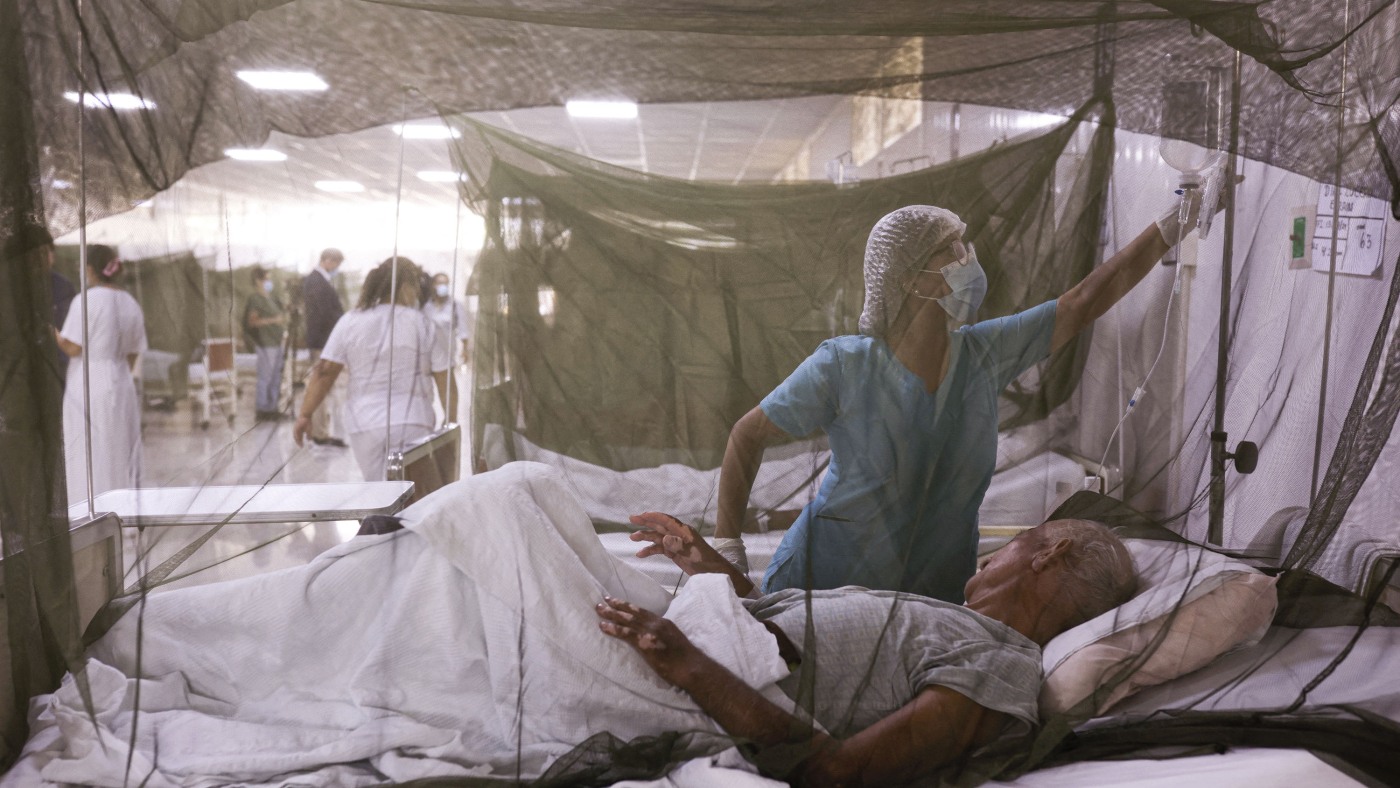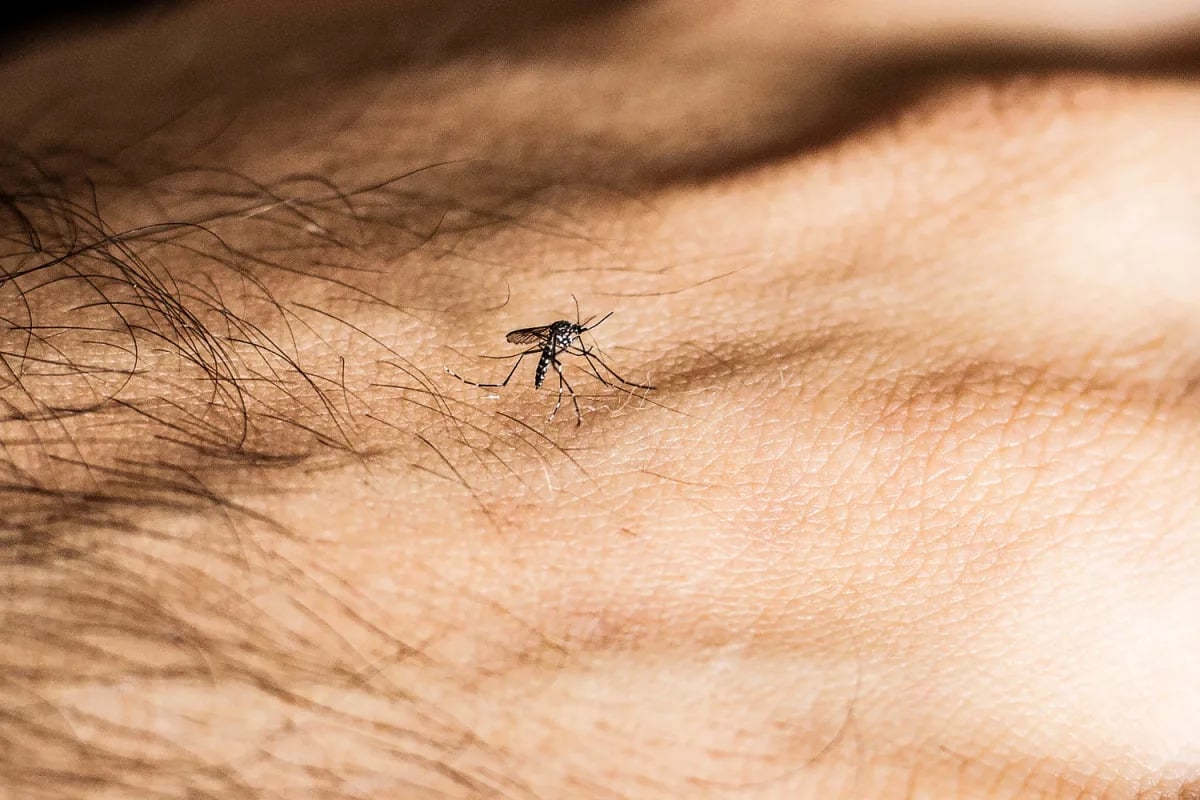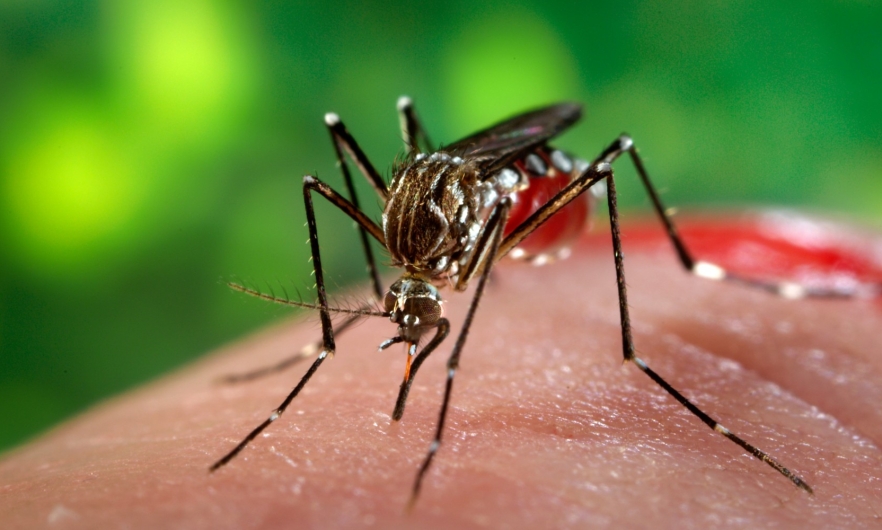
Panama is experiencing a severe dengue fever outbreak in 2025, with 25 deaths and over 15,000 cases reported, primarily affecting the metropolitan area and San Miguelito, raising concerns about the health system due to the circulation of multiple dengue serotypes and a significant increase in cases compared to previous years.
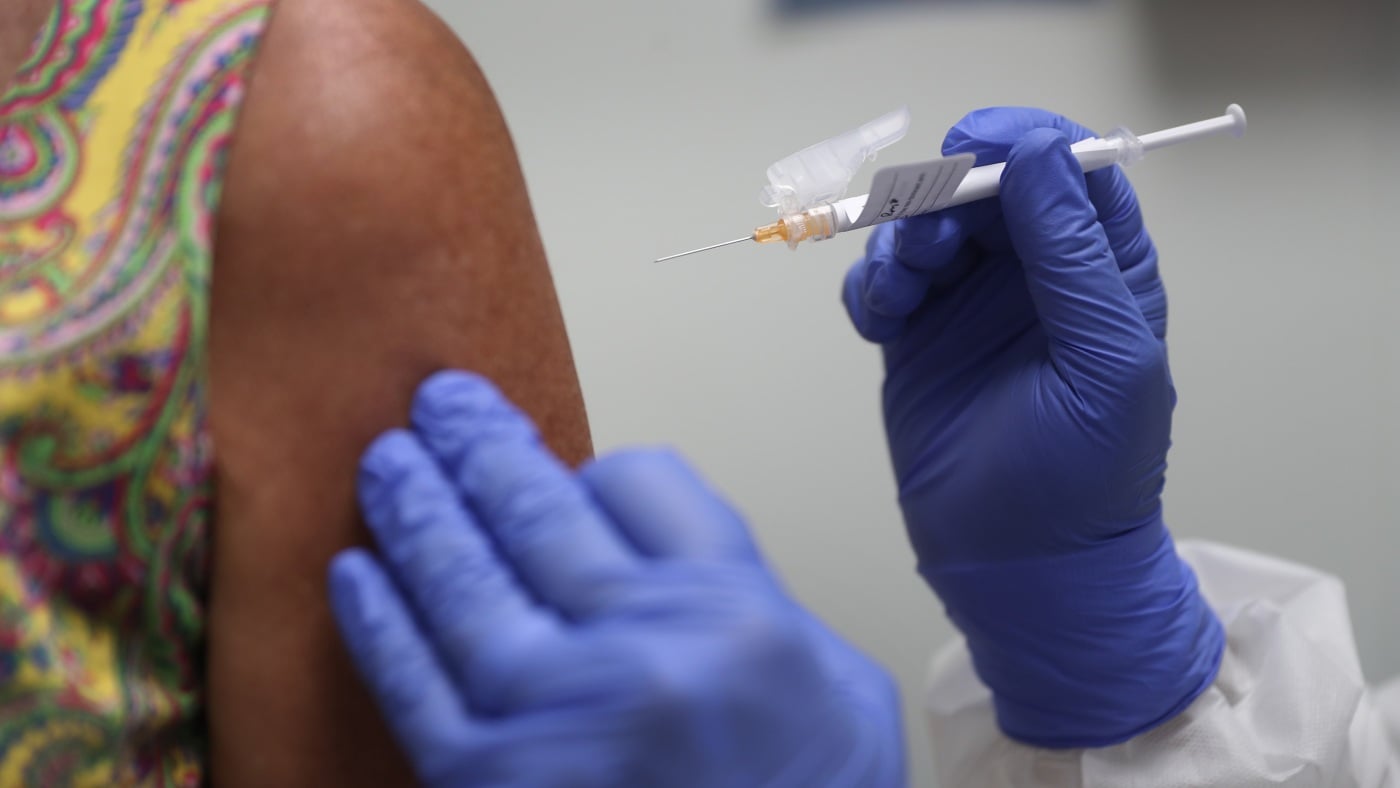
The article explores the author's experience volunteering for a dengue fever clinical trial, highlighting the ethical considerations, risks, informed consent process, and motivations behind participation, including altruism and financial compensation, within the broader context of medical research.
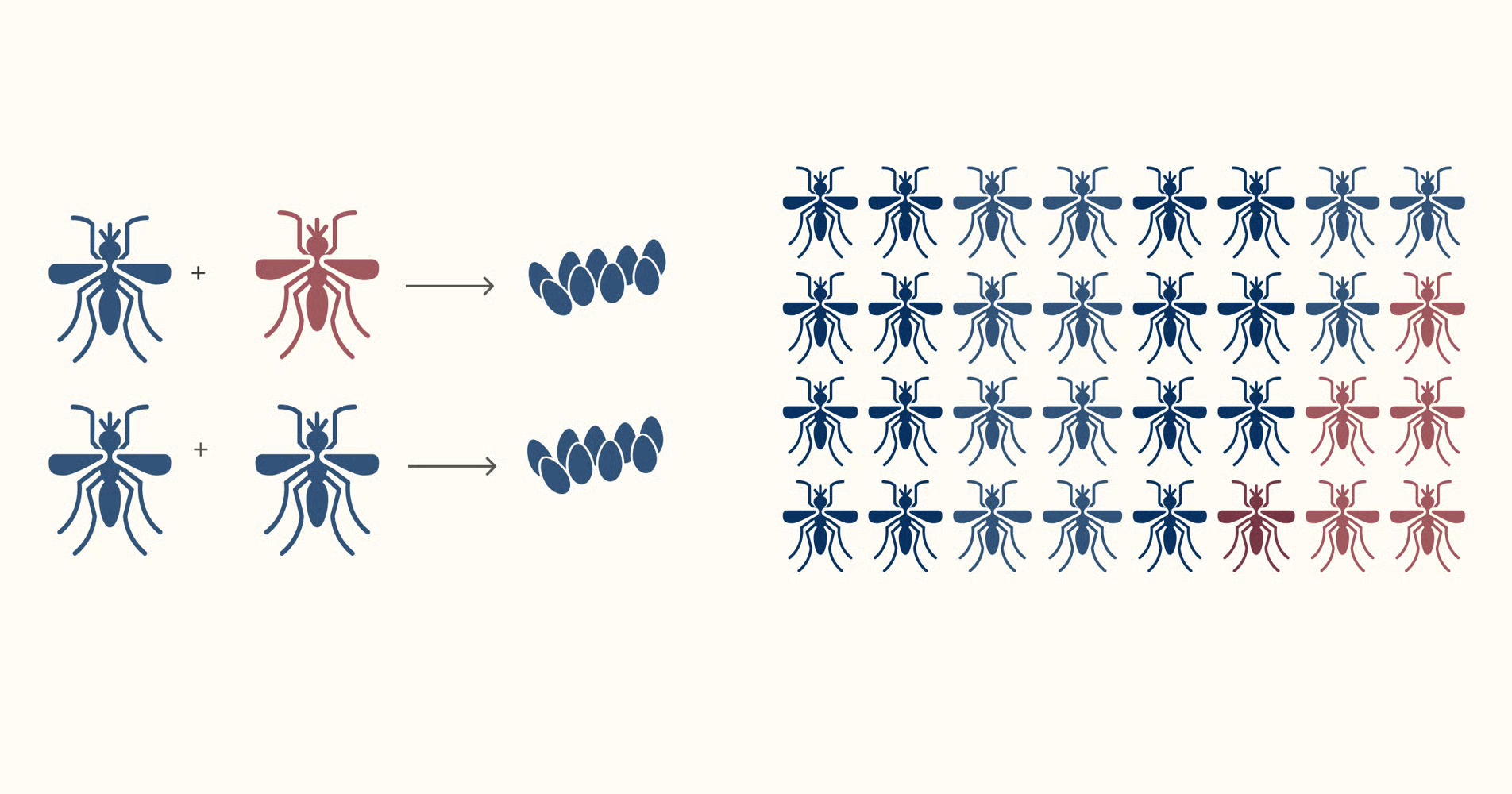
The article discusses how the bacterium Wolbachia, naturally found in many insects, can be used to reduce the spread of dengue fever and other tropical diseases by making mosquitoes less capable of transmitting viruses. Trials in Indonesia, Australia, Brazil, and Colombia show significant reductions in disease incidence, and the method is self-sustaining and non-GMO. Challenges for scaling include public acceptance, funding, and logistical issues, but the potential to protect millions makes it a promising solution.
A severe outbreak of dengue fever is spreading across Pacific Islands due to rising global temperatures, with cases and deaths increasing, and experts warning that some areas are at risk year-round, prompting increased health measures and global research efforts.
The article criticizes cruises, highlighting the risk of dengue fever outbreaks at popular ports, which are caused by mosquito-borne transmission and worsened by crowded ships, suggesting that traveling to places like Toronto might be safer and more enjoyable.
The CDC has issued a warning about dengue fever outbreaks in popular Caribbean and other international travel destinations, urging travelers to take precautions against mosquito bites and be aware of symptoms, as the disease can be severe and even fatal in some cases.
A surge in dengue fever cases in the US, linked to climate change, is raising alarms as recent budget cuts to health agencies may hinder research and prevention efforts, potentially leading to a significant outbreak.
The Florida Department of Health has confirmed a fifth human case of Dengue Fever in Hillsborough County, prompting continued mosquito-borne illness alerts and aerial spraying efforts. Residents are advised to use insect repellent and eliminate standing water to prevent mosquito bites. The disease, while sometimes painful, is rarely fatal. The DOH is also monitoring other mosquito-borne illnesses across the state.
A new study links climate change to the global rise in dengue fever cases, with 2024 seeing over 12 million cases reported worldwide. The research suggests that warming temperatures, driven by human activity, have expanded the habitats of dengue-carrying mosquitoes, increasing disease incidence by 20% in some regions. The study highlights the need for climate action and public health measures to mitigate the spread of dengue, as projections indicate a potential 60% rise in cases by mid-century if current warming trends continue.
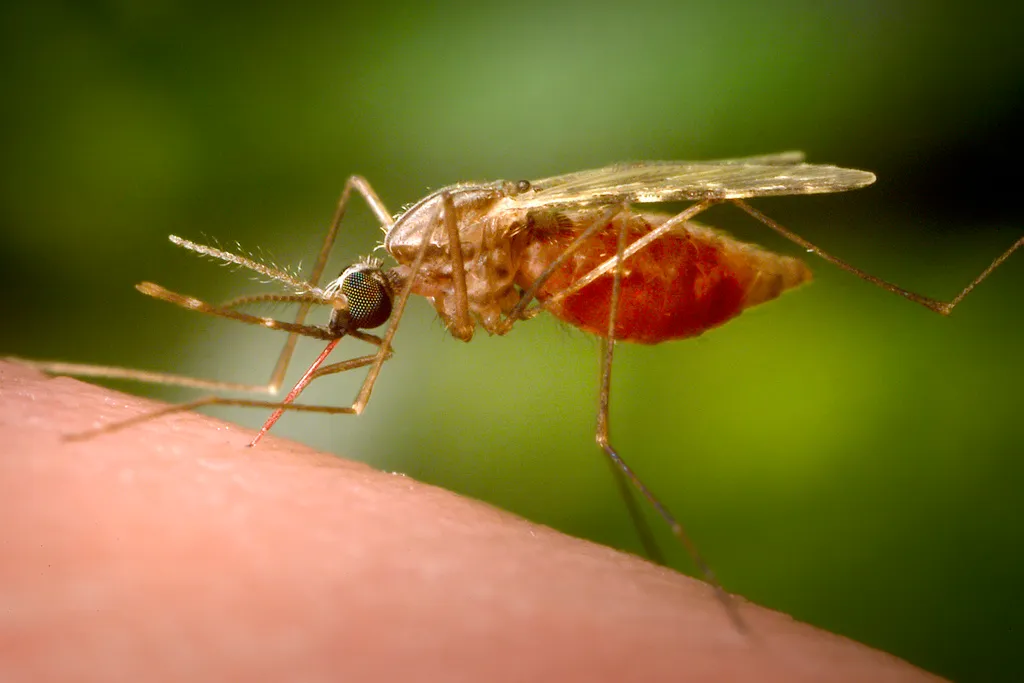
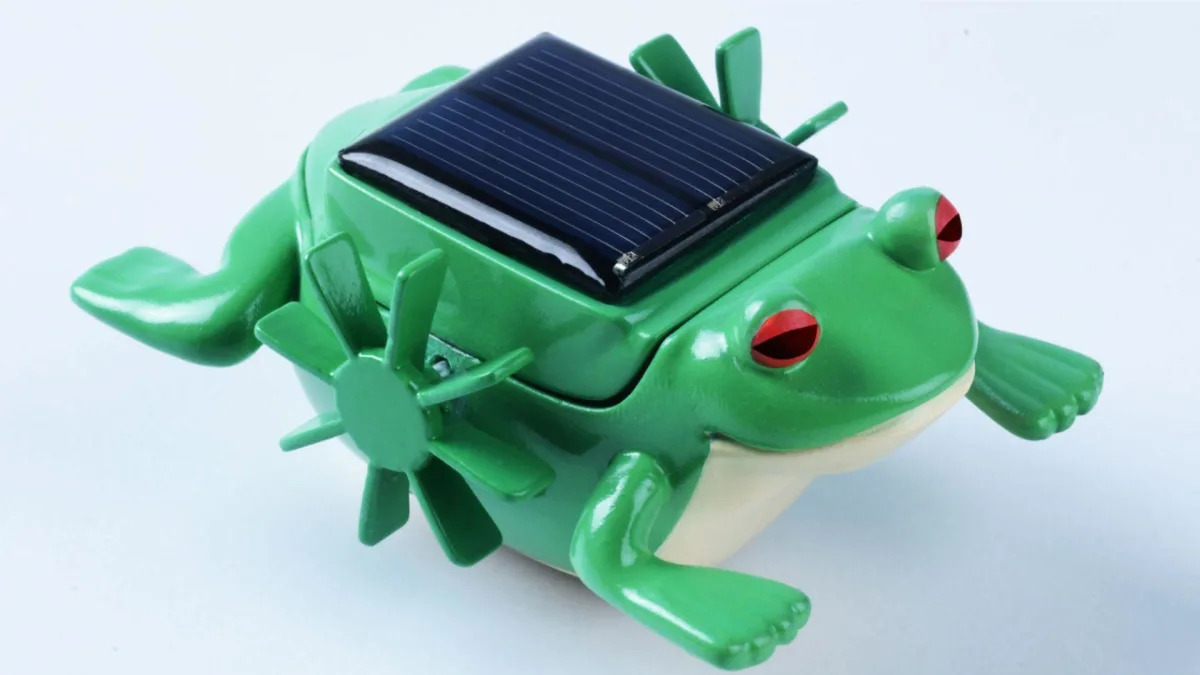
The "Guardian Toad," a solar-powered device created by Sapolio and VML, helps control mosquito populations by disrupting water surfaces to prevent egg-laying, offering a chemical-free solution to combat dengue fever in Peru, where standing water is a breeding ground for mosquitoes.
Erika Van Meir from Birmingham, Alabama, recounts her severe battle with dengue fever, which she contracted during a family trip to Mexico. She experienced extreme symptoms, including rapid platelet loss, liver enzyme spikes, and plasma leakage from her lungs, leading to a five-day hospital stay and a five-month recovery period. Van Meir hopes her story will raise awareness and encourage travelers to Latin America and the Caribbean to take preventive measures against mosquito bites.
Harris County has reported its first human case of dengue fever this year, linked to recent travel. While the risk of local transmission remains low, residents are reminded that mosquitoes can carry dangerous diseases, including dengue and West Nile virus.
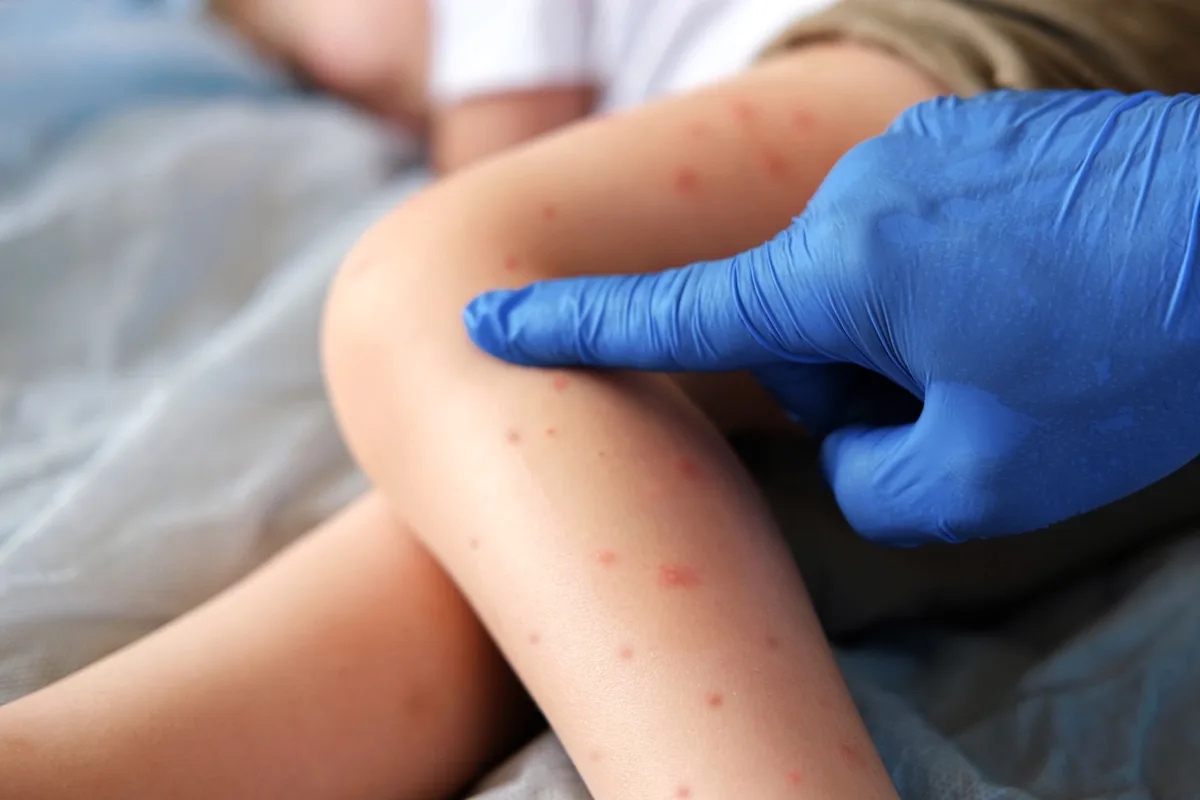
Latin America is experiencing its worst outbreak of dengue fever, a mosquito-spread virus, with cases also emerging in the U.S., including Alabama. The CDC reports local transmission in Florida, Hawaii, Texas, Arizona, and California. Dr. Wes Stubblefield from the Alabama Department of Public Health advises precautions like using insect repellent and wearing protective clothing when traveling to affected areas. Symptoms can include fever, headache, eye pain, muscle and joint aches, rash, and redness of the face or throat.
Dengue fever, traditionally confined to tropical regions, is now threatening the U.S. due to climate change, which is expanding the habitat of the mosquitoes that carry the virus. The U.S. has seen its first locally transmitted cases in states like California, Arizona, Florida, and Texas. Experts warn that rising global temperatures and increased travel could lead to more frequent and widespread outbreaks in temperate regions, including North America and Europe.
Dengue fever, traditionally confined to tropical regions, is now threatening the U.S. due to climate change, which is expanding the habitat of the mosquitoes that spread the virus. Latin America is experiencing its worst dengue outbreak on record, with cases significantly higher than previous years. Experts warn that the U.S. and Europe could see more frequent and severe outbreaks as warmer temperatures allow mosquitoes to breed year-round and carry more viral copies. Local transmission has already been reported in several U.S. states, raising concerns about future public health impacts.