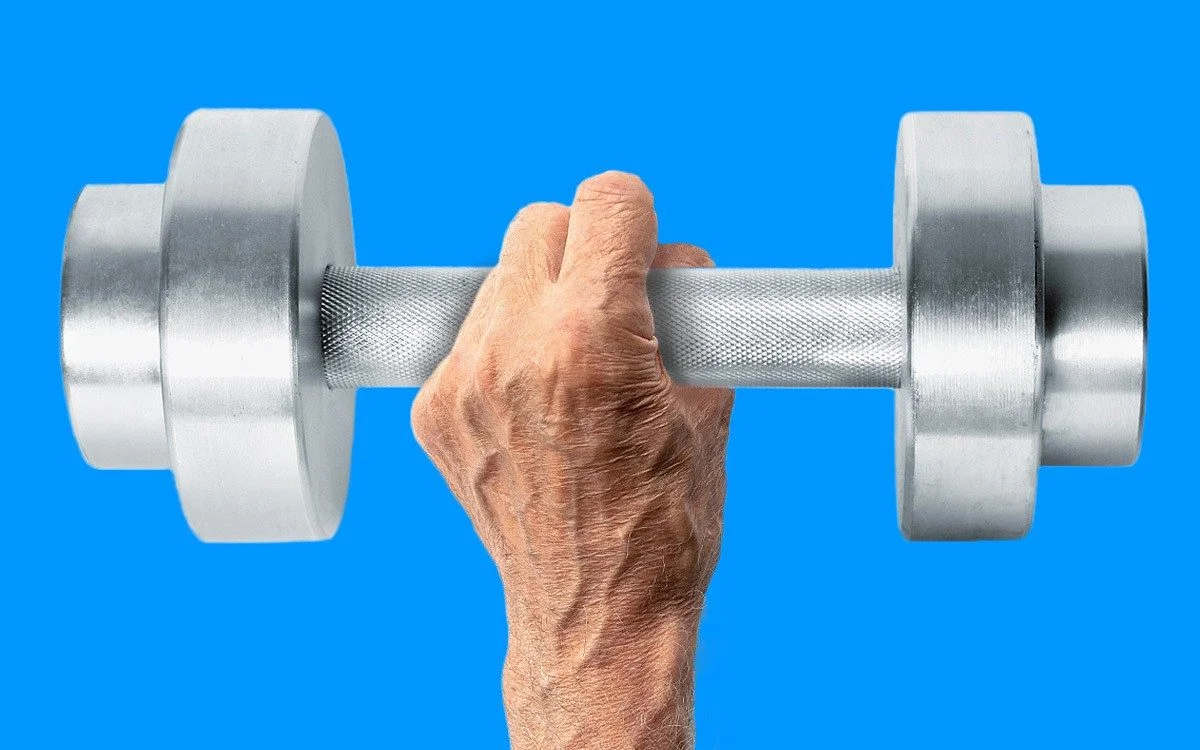
A mouse study suggests weightlifting may be more effective than cardio for blood sugar control and fat reduction, challenging traditional exercise guidelines, though human research is needed to confirm these findings.
Emerging research suggests that weight lifting and resistance training can significantly improve blood sugar control, insulin sensitivity, and metabolic health in people with or at risk of Type-2 diabetes, potentially leading to remission and offering a powerful alternative or complement to traditional treatments.
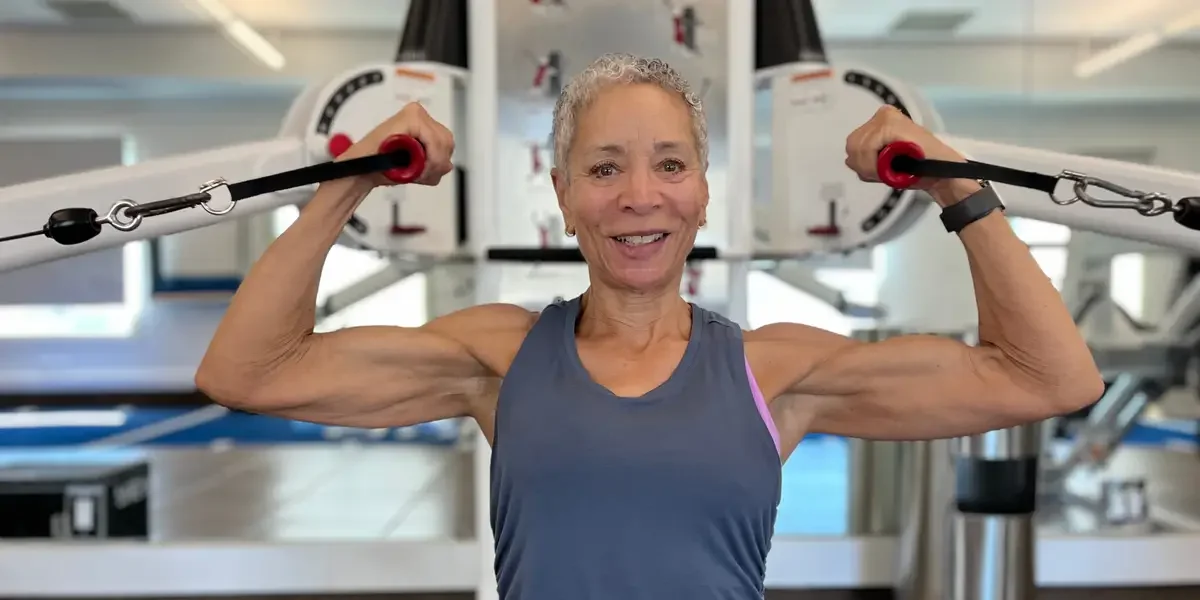
A 73-year-old fitness instructor, Nancy Mimms, shares her longevity secrets including staying active through daily movement, lifting heavy weights, and maintaining a balanced diet rich in protein and vegetables, which have helped her stay youthful and energetic.
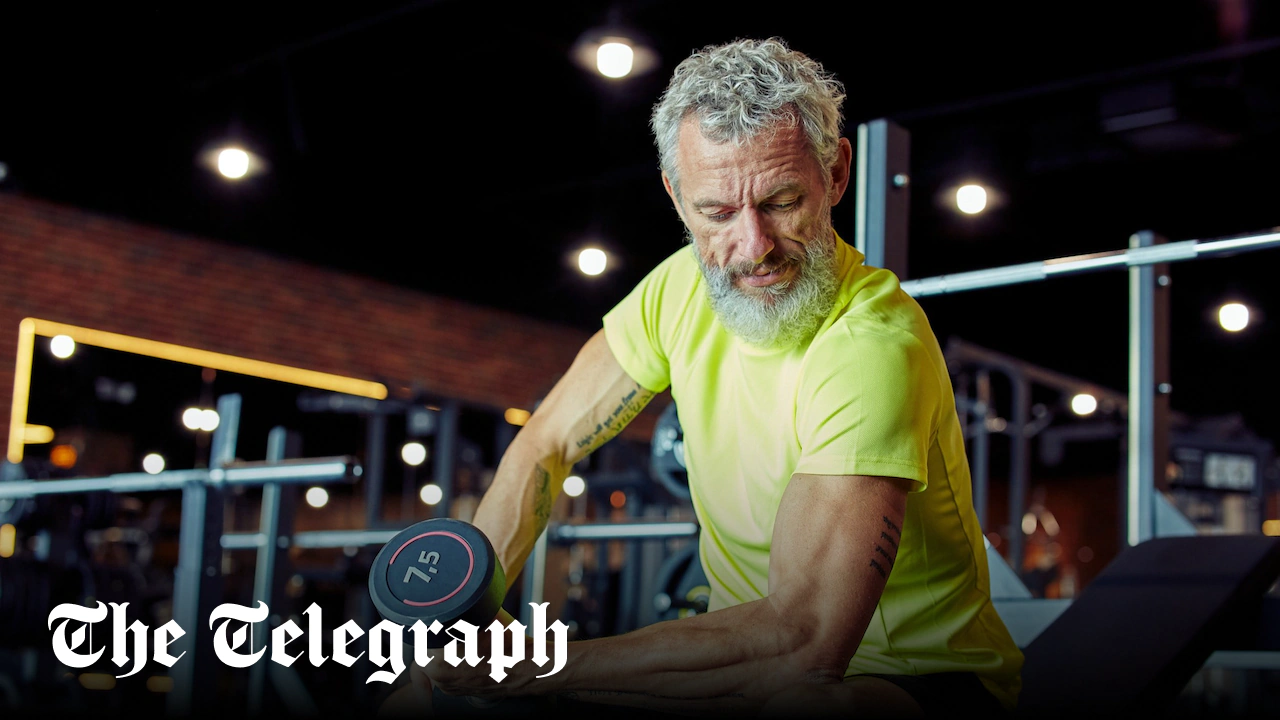
Weightlifting is beneficial for boosting immunity, preventing cognitive decline, and increasing longevity, and can be safely started at any age with proper guidance. It is important to train progressively, use the right amount of weight, and incorporate a balanced routine targeting all major muscle groups. Beginners can start with machines or free weights, and supplements like creatine may enhance results. Consistency, proper recovery, and aligning workouts with personal schedules are key to success.
Originally Published 6 months ago — by MindBodyGreen
Starting a weight-lifting program offers numerous benefits backed by science, including stimulating muscle regeneration, building stronger bones, boosting metabolism, improving sleep quality, and enhancing brain health, especially as we age.
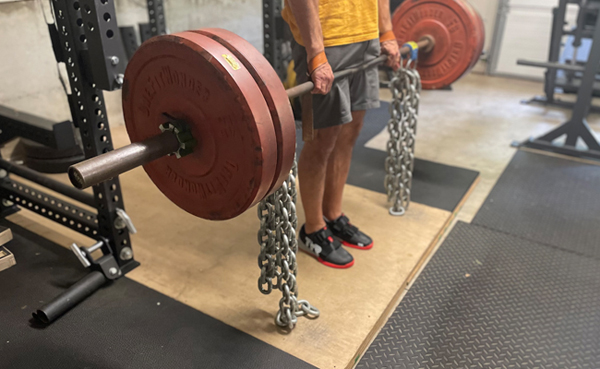
The article explains the benefits and methods of using accommodating resistance, such as chains and bands, in weightlifting to improve strength, overcome sticking points, and match the body's strength curve, with guidance on setup and programming for optimal results.
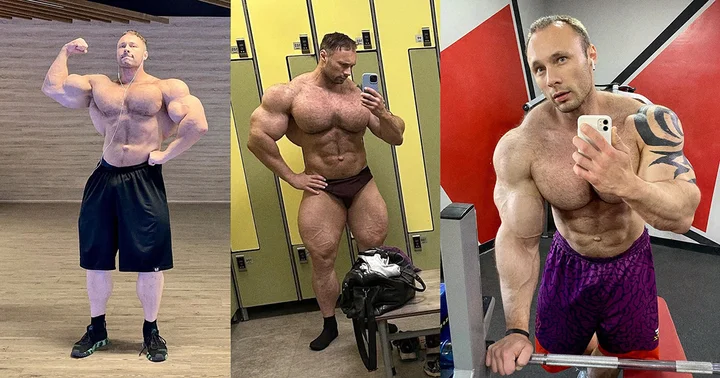
A Russian bodybuilder, Nikita Tkachuk, died of a heart attack after years of injecting synthol to enhance muscle appearance, despite later expressing regret and warning others about the health dangers. His death highlights the risks associated with unsafe bodybuilding practices and substance abuse.
A study involving 4,800 participants suggests that weightlifting three times a week can reduce biological age by up to eight years, as indicated by longer telomeres, which are DNA segments linked to aging. The research, led by Professor Larry Tucker from Brigham Young University, found that 90 minutes of weekly strength training is associated with 3.9 years less biological aging. While the study shows a strong correlation between weightlifting and longer telomeres, it does not establish causation. The findings highlight the potential health benefits of weightlifting, including improved muscle and bone health, metabolism, and cardiovascular health.
This week's Well+Being newsletter offers advice on life changes, including successful New Year's resolutions, weightlifting benefits for older adults, and insights on Lyme disease. Highlights include diet tips for lowering blood pressure, the impact of fatherhood on men's brains, and the importance of joy snacks.
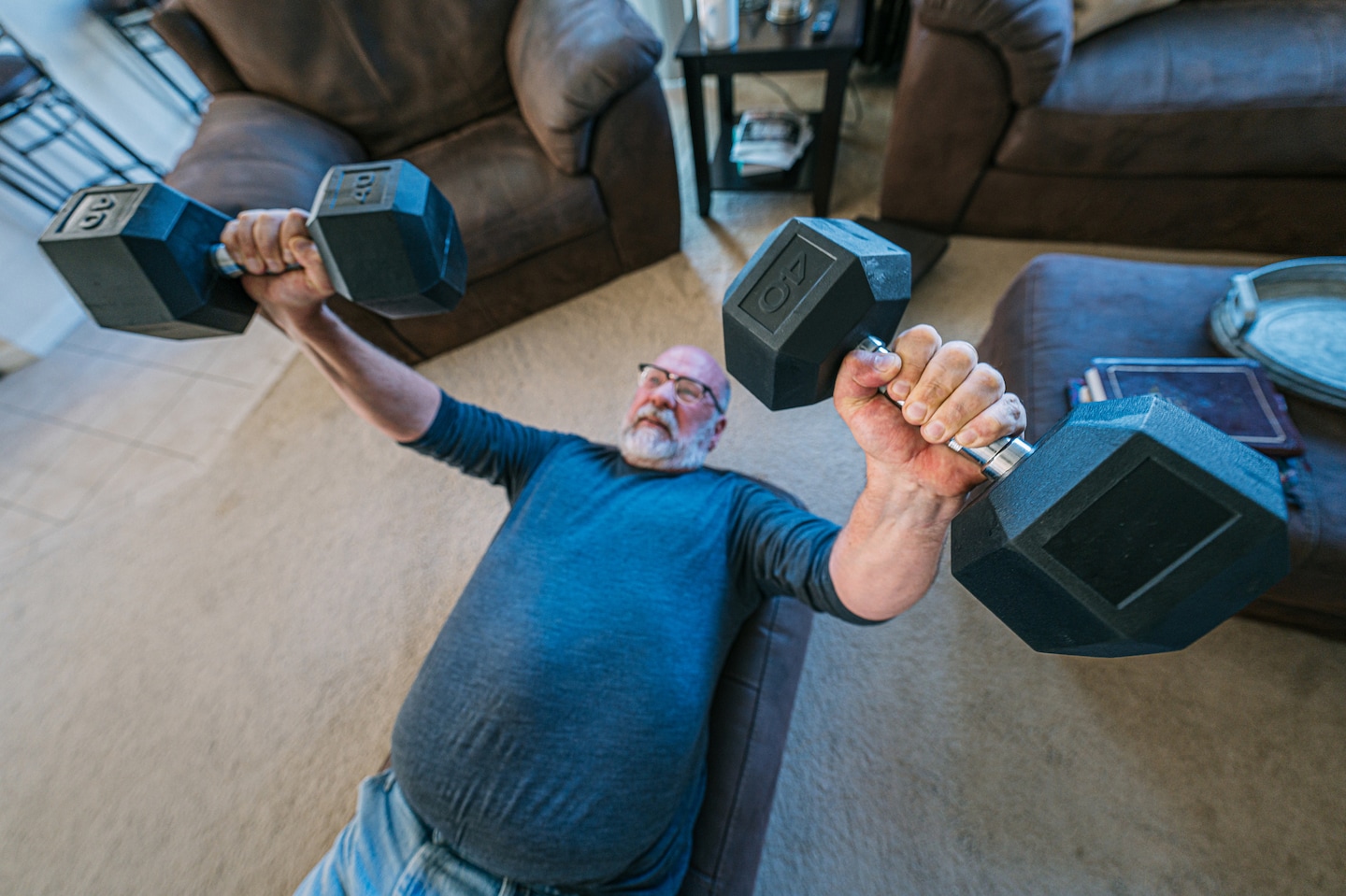
A study by the University of Copenhagen found that a year-long weightlifting regimen in one's mid-60s can preserve leg muscle strength for years. Participants who lifted heavy weights (70-85% of their maximum capacity) three times a week maintained their leg strength three years after the program ended, unlike those who did moderate exercises or none at all. This highlights the importance of leg strength for mobility and overall health in older adults.
Popular mukbang YouTuber Tzuyang, known for her large appetite and slim figure, revealed on RAIN's YouTube channel that she gains weight from exercising, specifically weightlifting, which caused her to gain 26 pounds. She stopped exercising to lose the weight again, highlighting her unique metabolism.
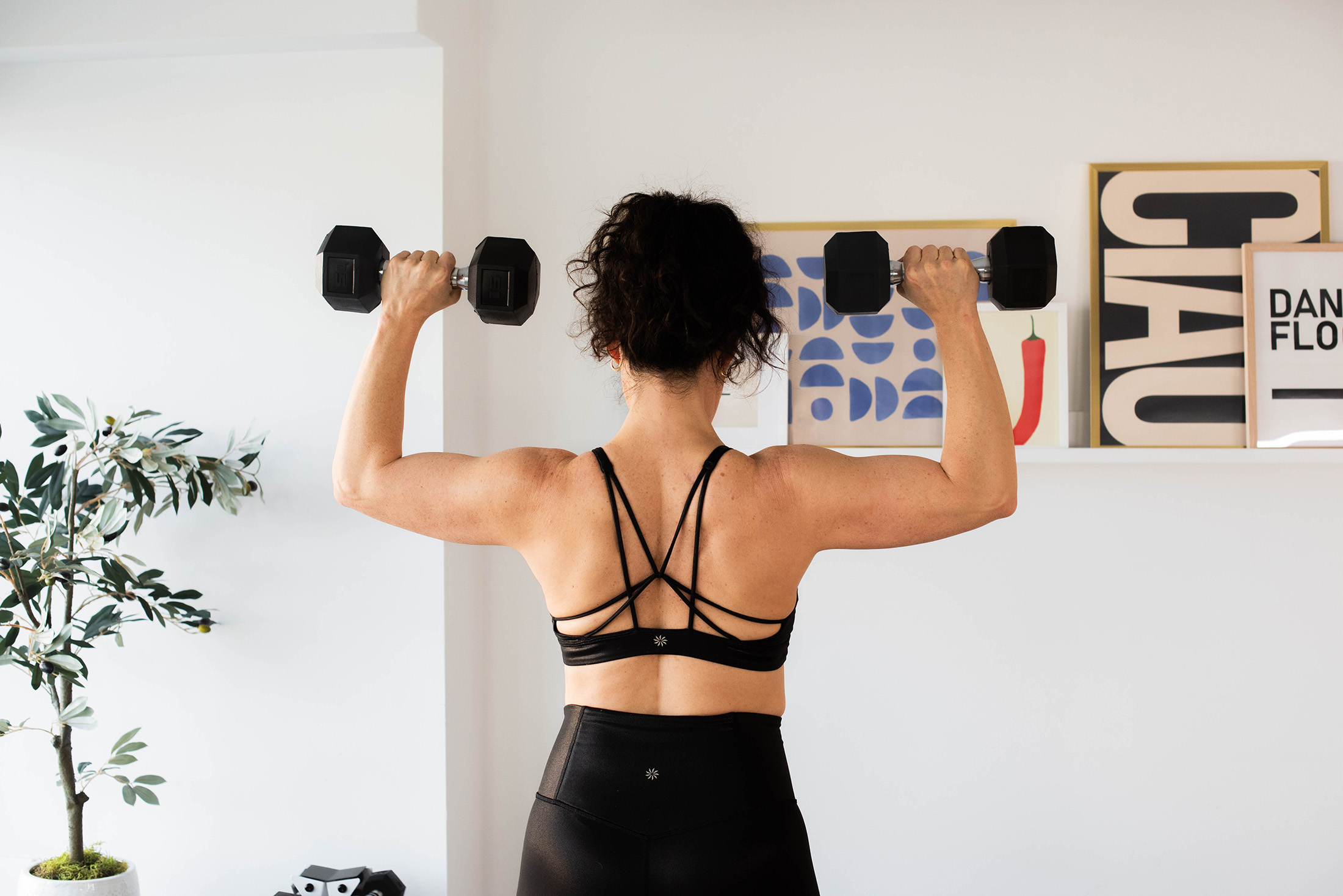
Coach Laurel introduces a 4-week beginner weightlifting workout series, "STRONGER," designed for women over 40 to build muscle, mobility, and strength, with upper and lower body workouts to be repeated twice weekly, available for free on YouTube. The program includes a pocket guide, equipment recommendations, and emphasizes lifting heavy for optimal benefits. Laurel encourages tracking progress and offers outfit inspiration and a pre-workout smoothie recipe, aiming to support and motivate participants throughout the program.
A study in the Journal of Craniofacial Surgery found that exercise-related head and face injuries have increased by almost 33 percent from 2013 to 2022, with men accounting for nearly 56 percent of those injured. The study suggests that the high rate of injury among adolescents may stem from a combination of inexperience and an inclination to lift weights and exercise at high intensity, while for men, so-called ego-lifting may be a contributing factor, as they are often impelled by social pressures to exercise and lift weights beyond their current capacity.
To prepare for a half marathon, incorporating strength training into your routine is crucial for improving tissue capacity and withstanding the forces sustained during race training. During the base-building phase, focus on total-body workouts with 3-4 sessions per week, gradually increasing weight and reps. In the training cycle, adjust to 2-3 strength workouts per week, incorporating heavier loads and plyometric moves. During the taper, maintain 1-2 strength workouts per week with reduced volume and intensity. Pay attention to soreness and adjust your program accordingly, and remember to prioritize rest and recovery.
Lifting weights is a crucial strategy for preventing and reversing osteoporosis, a condition that weakens bones and increases the risk of fractures. Traditional advice of gentle exercises for osteoporosis has shifted to emphasizing heavy weightlifting, as it stimulates bone-building and can help offset age-related declines in bone mass. Other tips for maintaining strong bones include weight-bearing exercises, high-impact activities, quitting smoking, limiting alcohol intake, consuming calcium-rich foods, getting enough vitamin D, and avoiding excessive caffeine consumption.