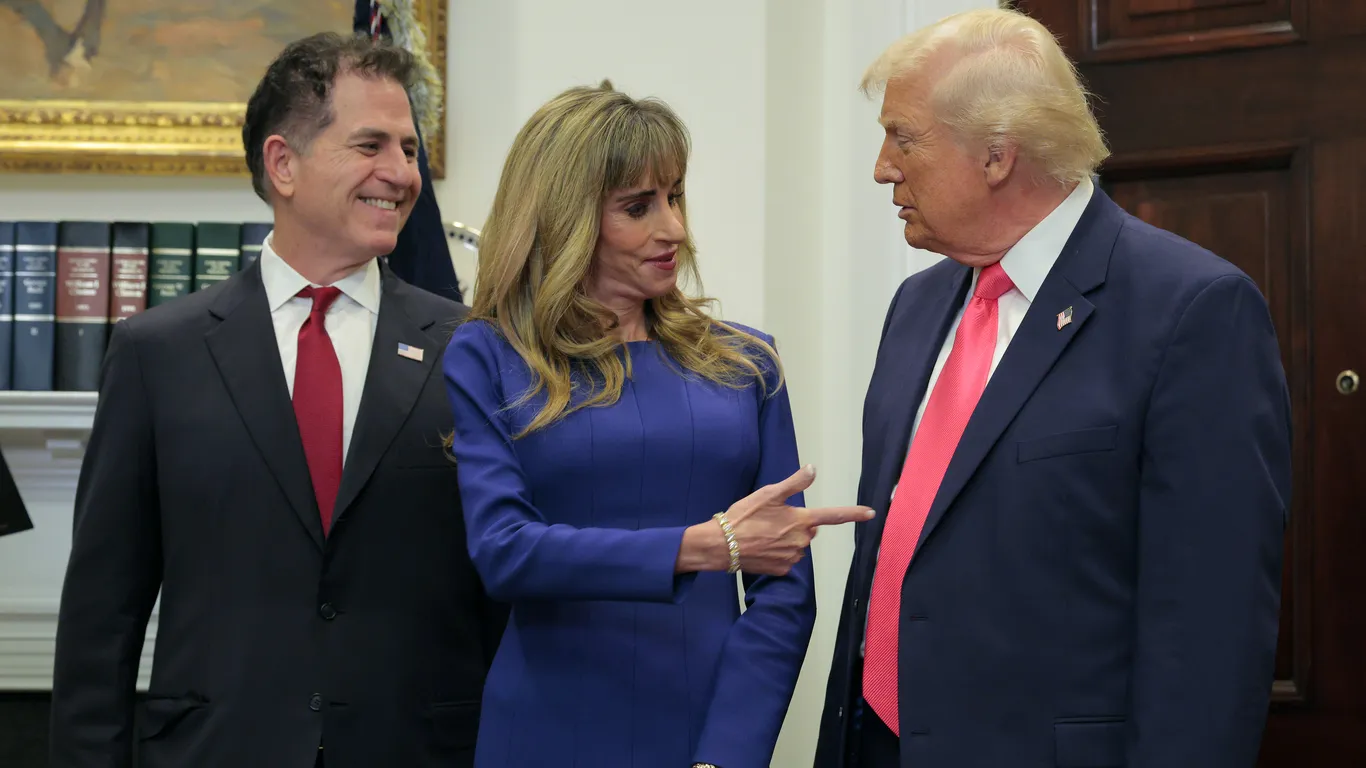
The article discusses a proposed initiative called Universal Basic Investment, exemplified by the Trump Accounts program, where newborns receive federal seed money in tax-deferred investment accounts to help address America's aging crisis and low fertility rate. Billionaires like the Dells and Dalios are contributing significant funds to expand this program, aiming to give children a financial head start and promote collective action to bridge the wealth gap and secure future economic stability.
The U.S. economy is currently experiencing a 'K-shaped' recovery, where wealthier Americans are benefiting from strong stock market gains and increased spending, while lower- and middle-income households face ongoing financial struggles due to inflation, stagnant wages, and higher debt, leading to a widening economic divide.
In February, over one-third of home purchases were made with cash, nearing the record high set in 2013, as mortgage rates remain high despite a slight decrease from their peak in October. With home prices up 6.6 percent from the previous year, buyers are opting for larger down payments to reduce monthly mortgage payments, leading to a median down payment increase of 24.1 percent. However, this trend is widening the wealth gap, making it difficult for many, especially first-time buyers, to afford homeownership.
Despite increasing education and representation in senior leadership, women still face a persistent gender pay gap and financial vulnerability, leading to 93% feeling stressed about money. Experts recommend building a cash reserve, with three to six months' worth of expenses, to provide financial independence and security. Creating a budget with designated percentages for essential expenses, retirement, and emergency savings, as well as seeking financial advice and utilizing employer-sponsored plans, can help women establish a strong financial roadmap and feel empowered in managing their finances.
The homeownership gap between Black and White Americans has widened over the past decade, with the Black homeownership rate at 44.1% compared to the White rate of 72%. While other minority groups have seen increases in homeownership, systemic barriers and disparities in income and wealth continue to hinder Black homebuyers. Affordability challenges, student debt, income disparities, and higher mortgage loan denial rates contribute to the difficulties faced by Black Americans in achieving homeownership. Despite these challenges, individuals like Sharan White-Jenkins are championing homeownership and helping others navigate the process.
Economist Harry Dent predicts that 2024 will be the biggest crash year in our lifetimes, attributing it to overvalued markets and excessive stimulus spending. Dent warns against listening to financial advisers and urges investors to get out of the way, as he believes the crash will be more severe than the Great Depression, with an 86% crash in the S&P, a 92% crash in the NASDAQ, and a 96% crash in crypto. He predicts a lasting slowdown impact for 12 to 14 years, widening the wealth gap and affecting the rich more than the average person.
Generation X, born between 1965 and 1980, is facing the largest wealth gap of any generation and is not financially prepared for retirement, according to multiple reports. On average, Gen Xers believe they need over $1.1 million in savings to retire comfortably, but expect to have around $660,000 saved. Only 14% have a pension, and many are relying on 401(k) plans. With rising costs, stagnant wages, and the burden of student loan debt, the American dream of retirement is likely to be a nightmare for many Gen Xers. However, there is still time for them to save and benefit from compound interest if they make a significant shift in behavior.
Generation X (Gen X), born between 1965 and 1980, is facing the largest wealth gap of any generation and is not financially prepared for retirement, according to multiple reports. On average, Gen X workers believe they need over $1.1 million in savings to retire comfortably, but expect to have around $660,000 saved. Only 14% of Gen Xers have a pension, and retirement savings are highly concentrated among top earners. Gen X is also burdened with student loan debt and higher healthcare costs, and they are projected to live longer than previous generations. While some still have time to save, many are not participating in workplace retirement plans, making the American dream of retirement a nightmare for too many Gen Xers.
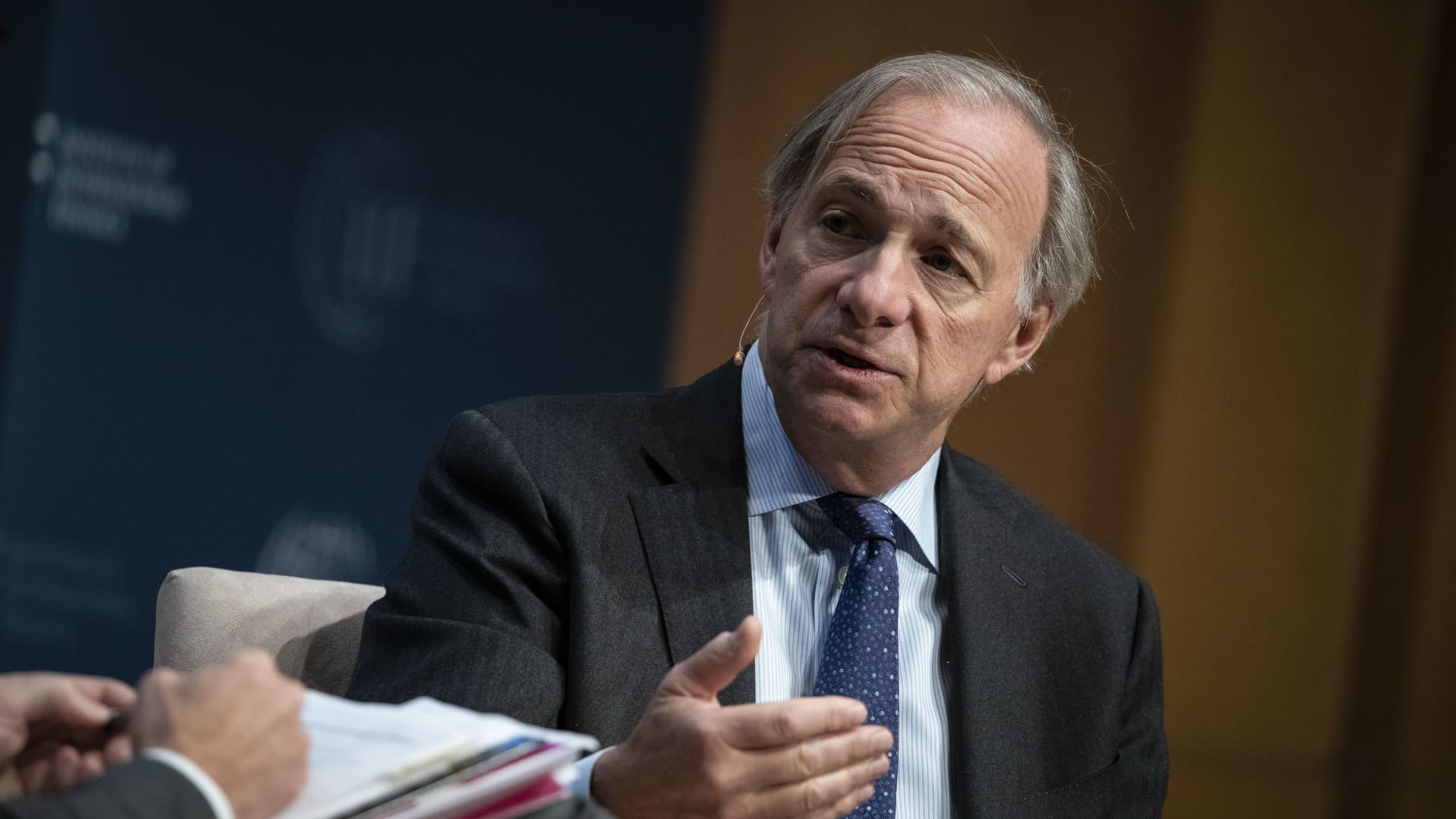
Ray Dalio, founder of Bridgewater, emphasizes the need for a "strong middle" political ground and bipartisan cooperation in the U.S. to address issues such as the wealth gap. Dalio suggests alienating those with extreme political views and bringing together smart moderates to make important reforms. As concerns about wealth inequality grow, the wealthiest 10% of U.S. households hold an average of $7 million, while the bottom 50% have an average of $51,000. With the upcoming presidential election, both parties face questions about their prospective nominees, and Dalio expects the emergence of an alternative candidate to Trump among Republicans. Democrats, on the other hand, face internal divisions and concerns about Biden's age. Dalio believes that addressing the country's differences in values and wealth is crucial for a more productive and peaceful future.
A study conducted by researchers from the University of Cambridge, Humboldt University Berlin, and Sciences Po reveals that there is a growing wealth gap between millennials and baby boomers. Millennials are less likely to enter high-status occupations and more likely to work in low-skilled service jobs, resulting in economic disadvantage compared to boomers with similar career trajectories. They are also less likely to own homes and more likely to have debt outweighing their assets. However, middle-class millennials have accumulated more wealth than their boomer counterparts. Millennials also tend to delay marriage and childbirth, with a decline in marriage rates over the years. The study suggests that the wealth gap is not solely driven by different life choices and calls for measures such as progressive wealth taxation and universal health insurance to address the issue of extreme wealth inequality.
The net worth of the typical American family surged by 37% during the pandemic era, driven by higher home and stock prices and government stimulus measures, according to the Federal Reserve's triennial Survey of Consumer Finances. This increase in net worth was the largest on record since 1989. However, wealth gaps remain significant, with families in the bottom 25% having a median net worth of $3,500, while the top 10% had $3.8 million. The pandemic relief funds and government support helped alleviate debt burdens and increase asset values, but the expanded social safety net has since diminished, and inflation has impacted household wealth.
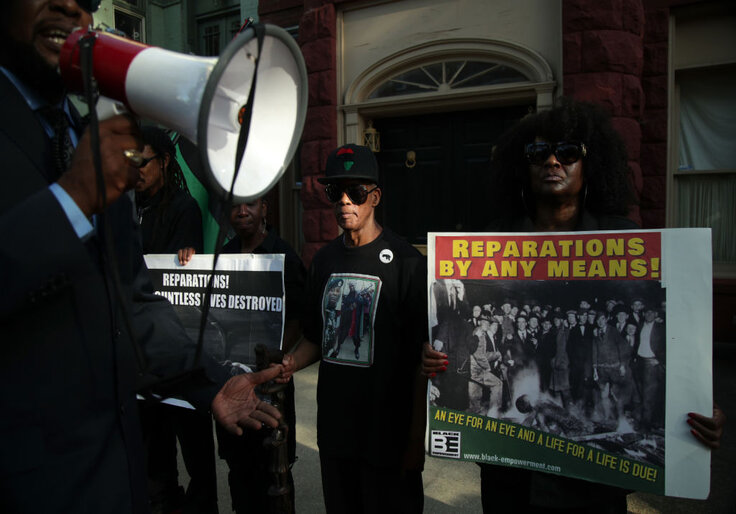
The question of who will pay for reparations for slavery poses a significant challenge for advocates, as many Americans are descendants of immigrants who arrived after the Civil War and have limited or no benefit from slavery. The estimated cost of reparations, which could be as high as $15 trillion, cannot be covered by colleges or businesses. The only plausible source of funding is the U.S. government and taxpayers, but it raises the question of why individuals who cannot trace their ancestry to slaveholders should pay for reparations. As America continues to diversify, the issue of who should bear the financial burden of reparations becomes even more complex.
A Federal Reserve survey revealed that while American families experienced overall gains in income and wealth from 2019 to 2022, income inequality grew during the pandemic years. The highest-earning and white families saw the largest income gains, while Hispanic and Black families experienced small declines in median income. Median net worth increased for all ethnic and income groups, except for the lowest-earning 20% of households who experienced a 2% decline. The survey also highlighted disparities in net worth among racial and ethnic groups, with Black households having the lowest median net worth. Education levels played a significant role, with households where the reference person had at least some college or a college degree seeing income increases, while those with only a high school diploma or less experienced no change or income drops. The survey aligns with other data showing a concentration of wealth and income since the 1980s, with the housing and stock markets contributing to the gains.
According to a survey by the Federal Reserve, the average American family's net worth increased by 37% between 2019 and 2022, the largest three-year increase on record. The survey also revealed a narrowing of the wealth gap between rich and poor. Temporary government relief measures during the pandemic may have contributed to these gains. While median family income rose by 3%, it was concentrated among higher-income individuals. Debt levels remained stable, and the share of families filing for bankruptcy decreased. Homeownership increased, but rising home values made homes less affordable for new buyers.
A new survey reveals that 65% of millennials and Gen Zers are concerned about the influence of baby boomers on their financial future. Both generations feel that the current financial challenges they face are partly due to the choices made by boomers. Rising costs in education, housing, and healthcare, along with the burden of student debt, are seen as consequences of policy decisions and economic conditions influenced by previous generations. While millennials and Gen Zers acknowledge their own responsibility for their money habits, they believe that boomers have inherited a more favorable economic situation and hold a significant portion of the nation's wealth. The impact of boomers on younger generations' financial futures can be positive through the Great Wealth Transfer, but it does not address the systemic gaps that leave millennials and Gen Zers struggling.