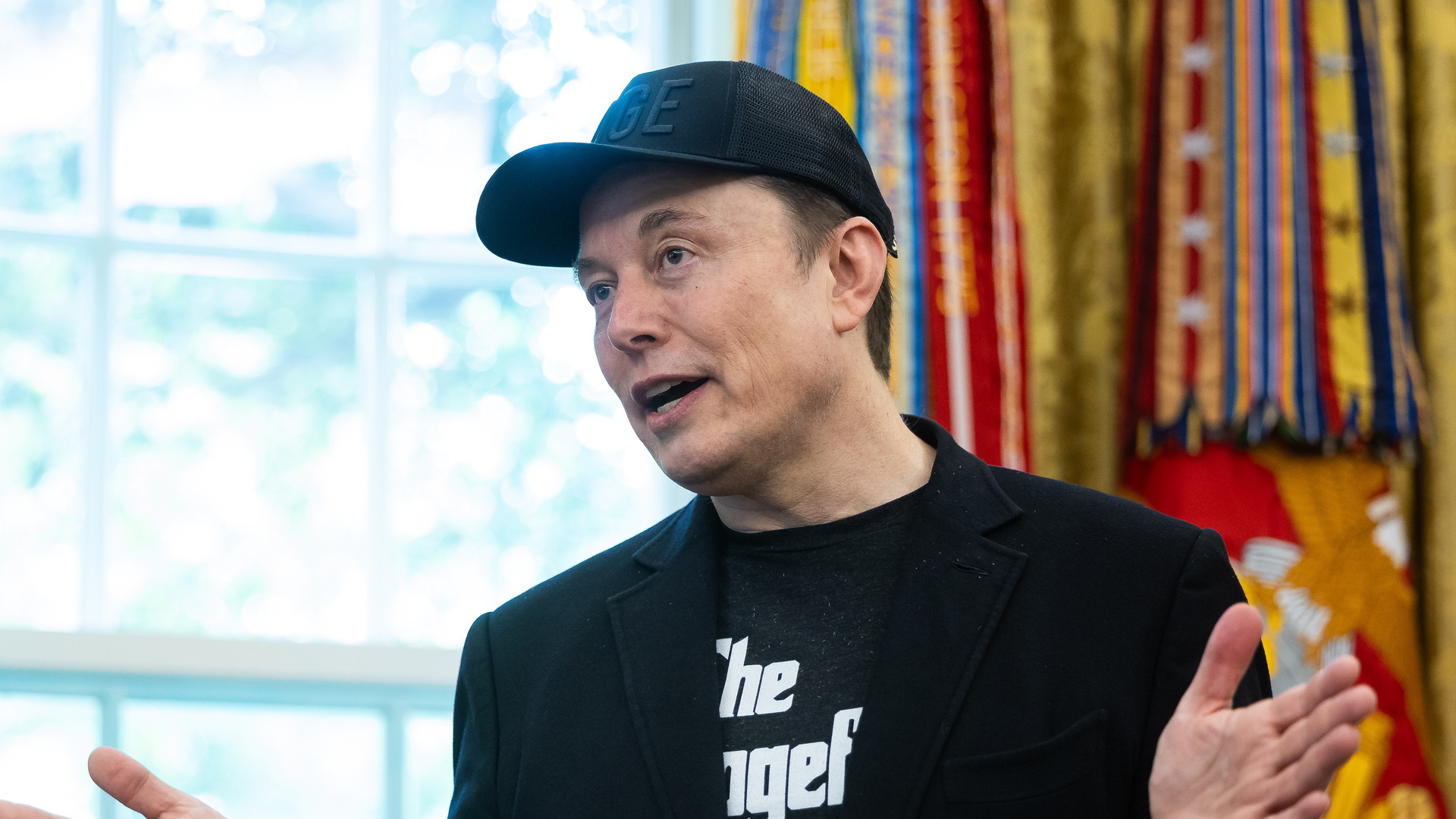
If Elon Musk's $368 billion wealth were evenly distributed among the U.S. population of 341 million, each person would receive about $1,079, highlighting the vast disparity in wealth and sparking discussions on redistribution.
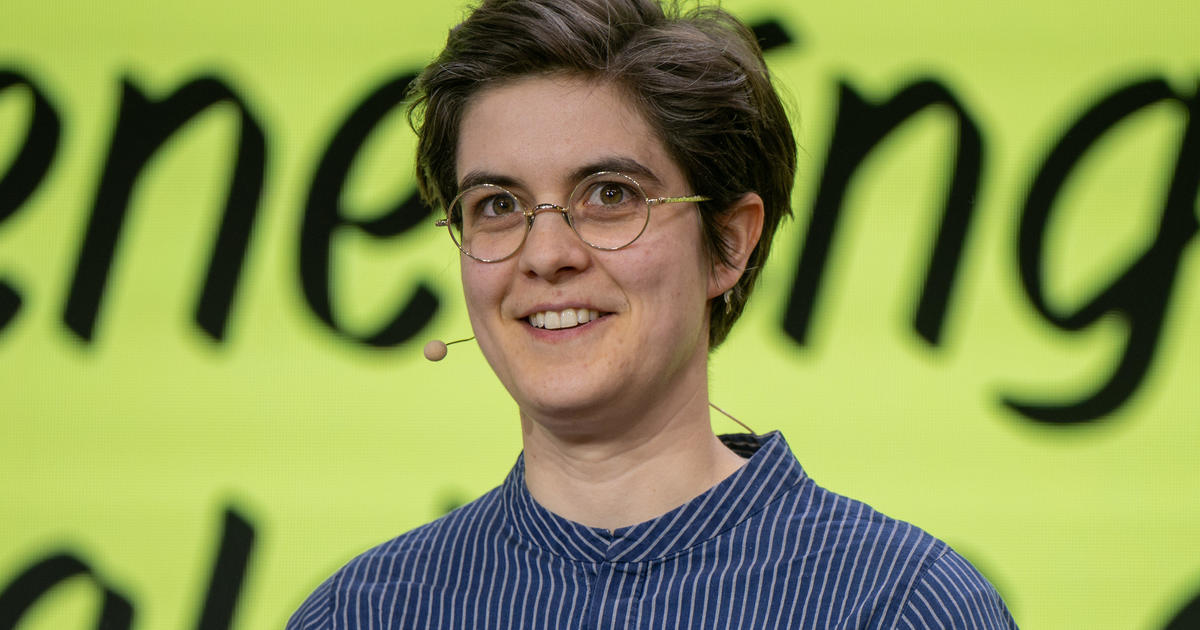
Marlene Engelhorn, an heiress from a European business dynasty, is allowing 50 strangers to advise her on how to distribute over $27 million of her inheritance in an effort to fight wealth inequality and advocate for wealth and inheritance taxes in Austria. She believes that inheriting wealth is an imposition on society and wants to involve others in redistributing her wealth to create change. The council of 50 will meet over six weekends to discuss ideas for using the money, with Engelhorn covering their expenses and compensating them.
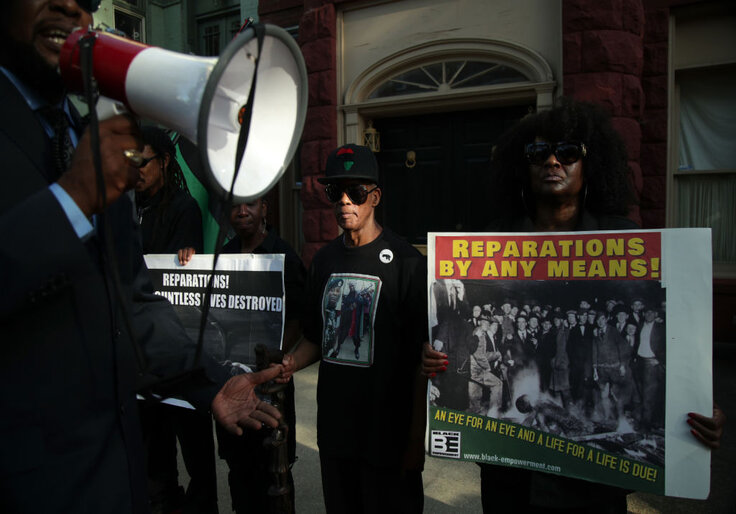
The question of who will pay for reparations for slavery poses a significant challenge for advocates, as many Americans are descendants of immigrants who arrived after the Civil War and have limited or no benefit from slavery. The estimated cost of reparations, which could be as high as $15 trillion, cannot be covered by colleges or businesses. The only plausible source of funding is the U.S. government and taxpayers, but it raises the question of why individuals who cannot trace their ancestry to slaveholders should pay for reparations. As America continues to diversify, the issue of who should bear the financial burden of reparations becomes even more complex.