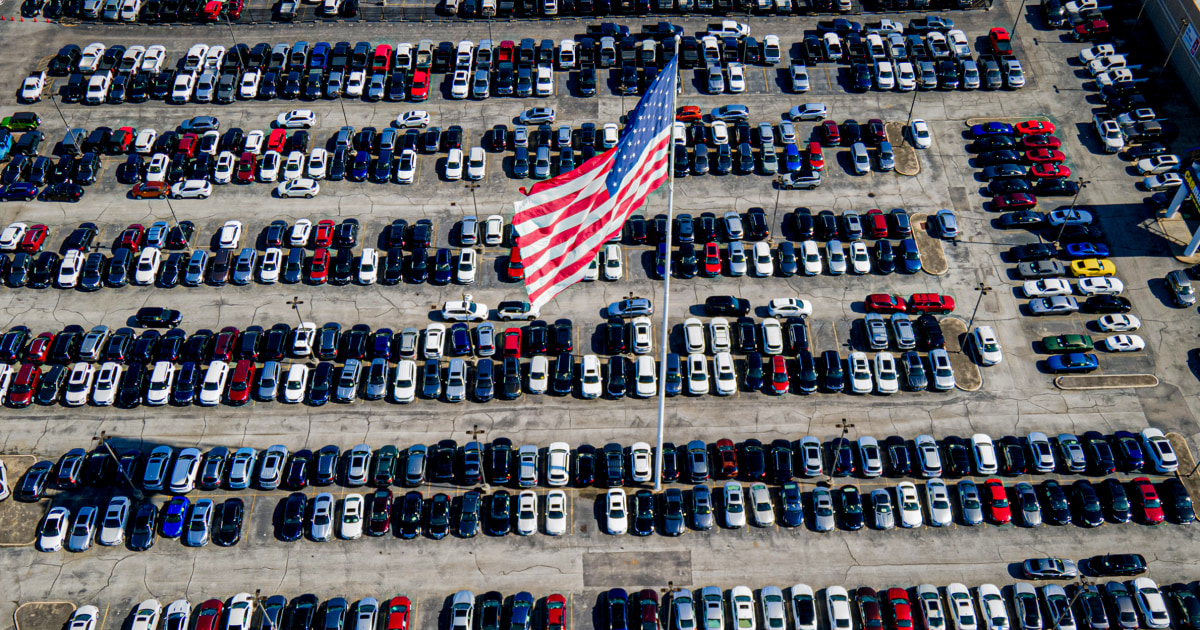
The average price of a new car has surpassed $50,000 for the first time, driven by rising costs, a shift towards electric vehicles, and increased incentives, with the market showing a steady upward trend since 2016 and no signs of reversing soon.
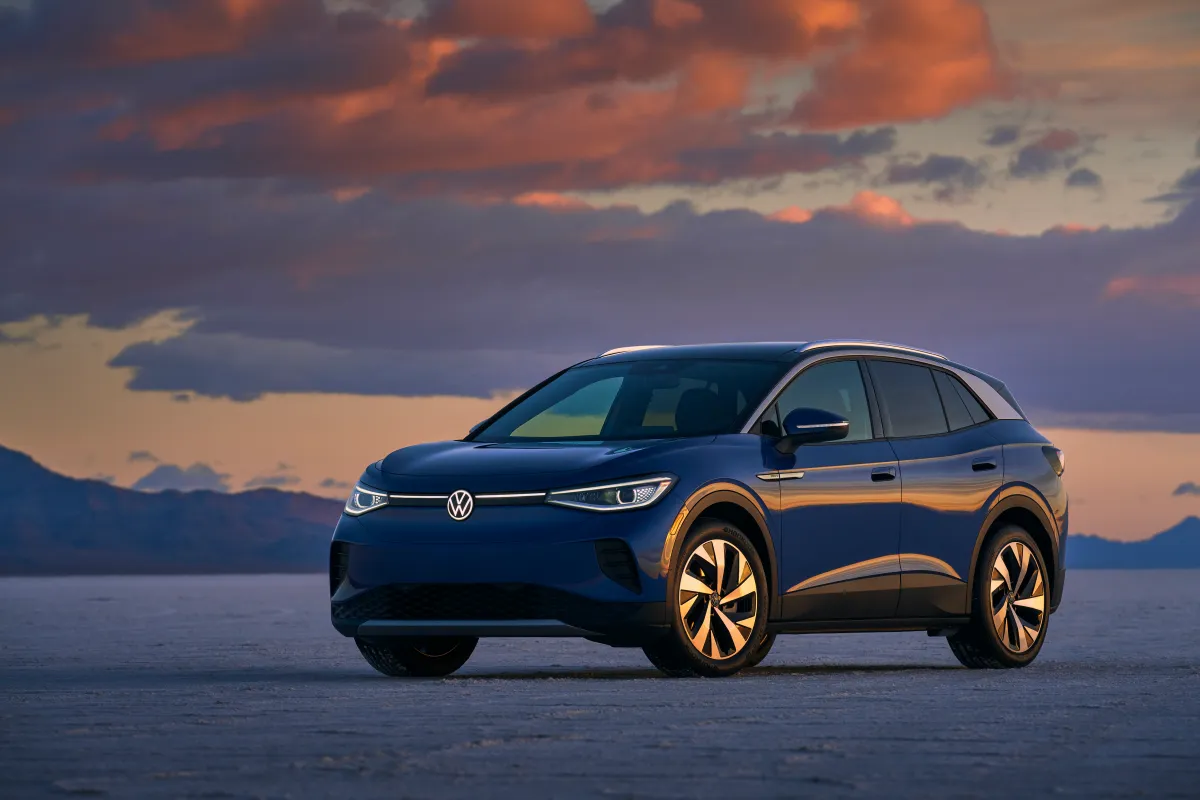
The average price of a new car in the US surpassed $50,000 for the first time, driven by a surge in electric vehicle and luxury car sales, with prices up over 25% in five years, reflecting a shift towards higher-end models and an affordability crisis.
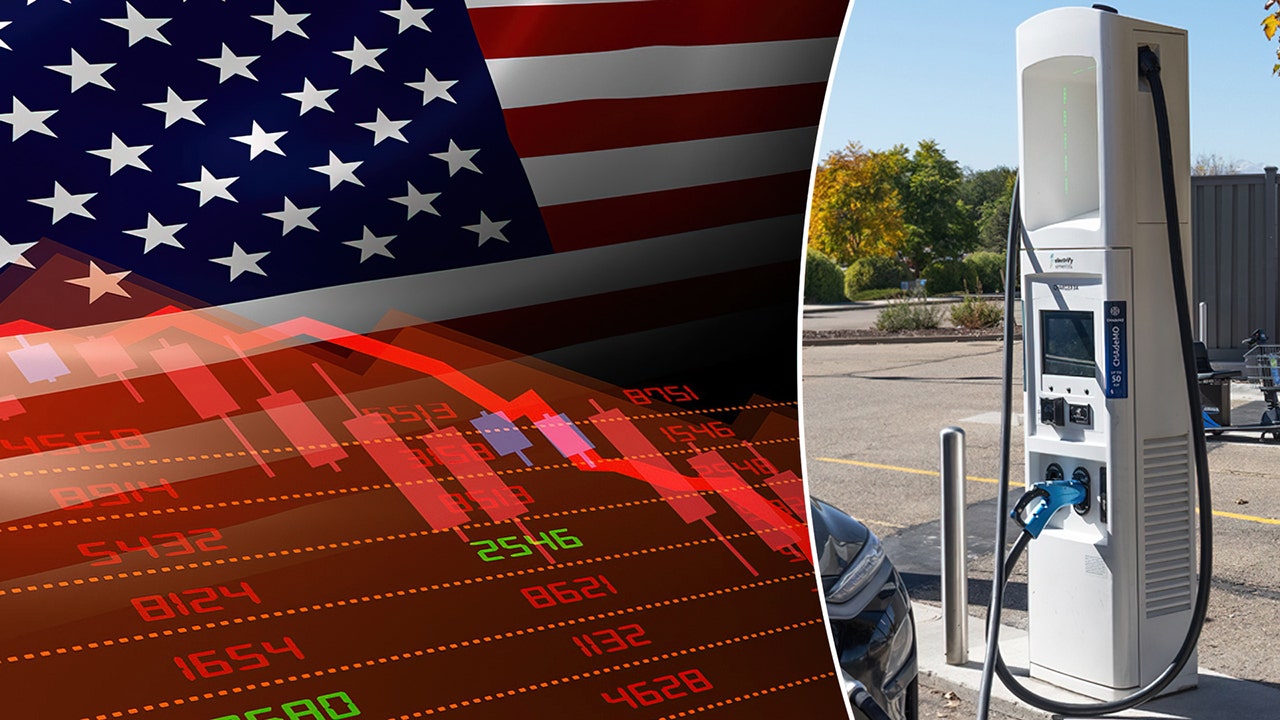
EV sales in the U.S. surged ahead of the September 30 deadline for federal tax credits, prompting a rush of purchases and a temporary boost in the auto market, but the end of the credits may slow future sales and impact consumer interest.
China's auto industry association corrected a report claiming the Ministry of Industry and Information Technology planned to ban resale of new cars within six months, clarifying that the regulation aims to manage zero-mileage used cars without specifying a ban, amidst ongoing industry concerns over aggressive sales practices.
Four former Volkswagen executives were sentenced to prison for their roles in the emissions-cheating scandal, which significantly impacted Europe's auto industry by reducing diesel vehicle sales from over 50% to 10% and accelerating the shift towards electric vehicles, with Volkswagen now leading in EV sales.
Car buyers can expect better deals this Memorial Day weekend as dealerships face higher inventories of 2023 models, leading to significant discounts and lower interest rates. The market has shifted from a seller's to a buyer's market, with average discounts on 2023 models more than doubling compared to last year. While new vehicle costs have mostly held steady, used car prices have dropped significantly. Buyers are advised to research discounts and financing options to maximize savings.
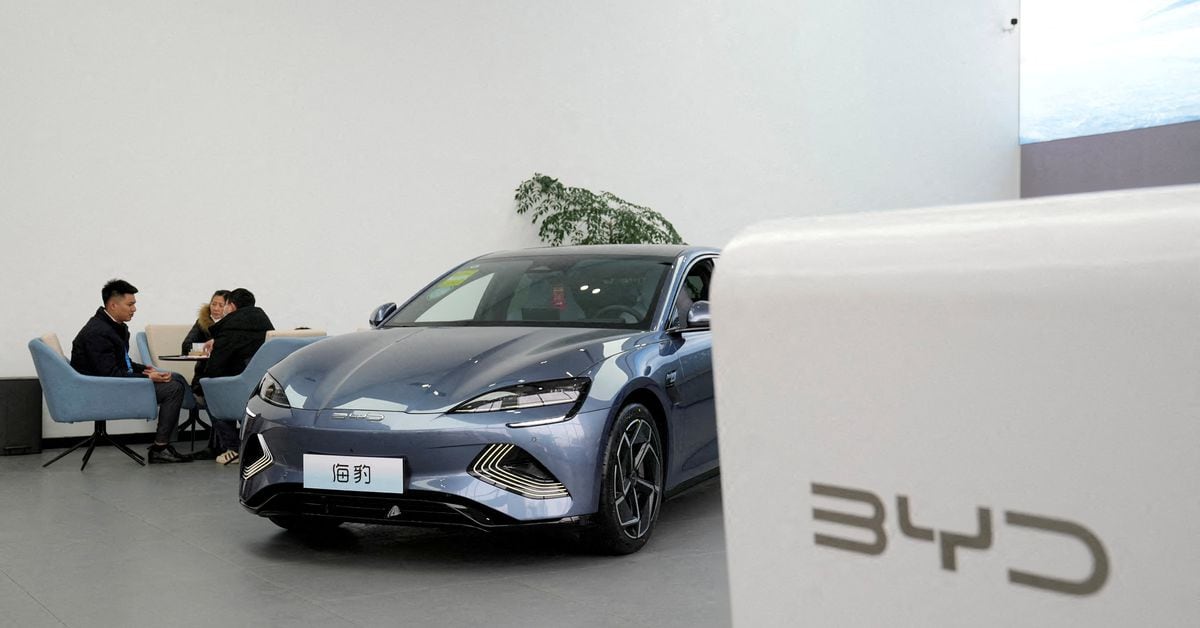
Chinese EV giant BYD has launched a new version of its plug-in hybrid sedan, the Qin Plus DM-i, with a lower starting price of 79,800 yuan ($11,090), marking a 20% decrease from the previous version, in a bid to stay competitive in the world's largest auto market. The new model aims to compete with popular gasoline sedans such as Nissan's Sylphy and VW's Lavida.
Economist Steve Moore, a former Trump administration economist, has warned that the electric vehicle (EV) market could become the "next big flop" similar to Ford's failed Edsel model in the 1950s. Moore argues that car buyers do not want EVs, citing the financial losses suffered by automakers like Ford and General Motors due to the EV push. Both companies have experienced setbacks in their EV plans, including production cuts and delayed investments. Moore suggests that hybrid vehicles may be a smarter option, but government mandates for EVs have hindered their production.
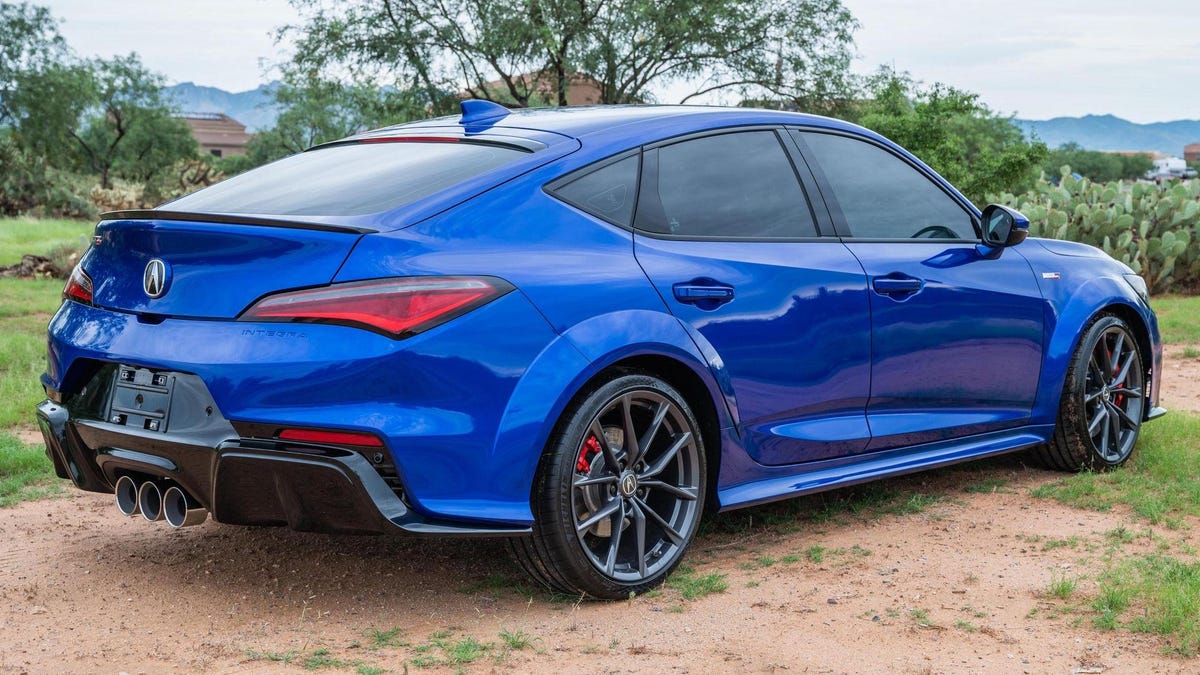
An attempted flip for an Acura Integra Type S failed when the auction received only two bids, with the highest bid falling below the car's sticker price. This failure highlights the cooling of the auto market, even for performance versions of mass-produced cars. The market for these cars has stabilized, with dealers now selling them at MSRP instead of pushing markups. The article advises against car flipping and encourages enthusiasts to enjoy their cars instead.
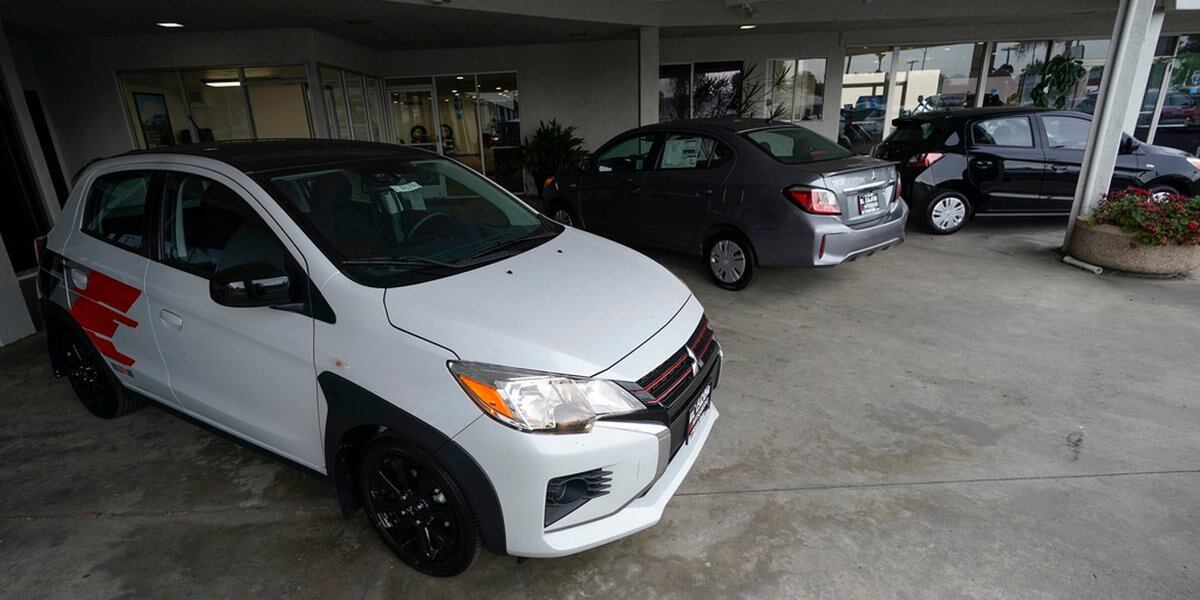
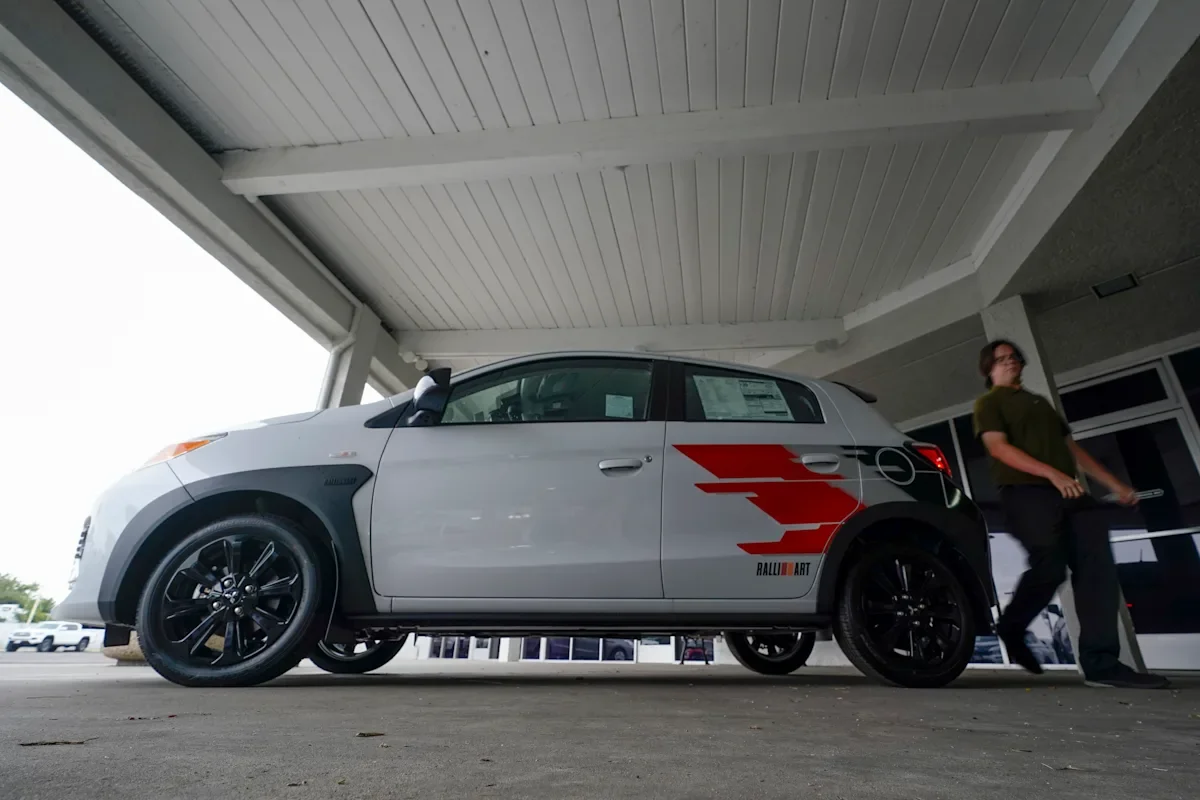
The Mitsubishi Mirage is now the only new car available in the United States with an average sale price under $20,000, as Americans increasingly prefer SUVs and trucks over small cars. The Mirage, which costs less than half the average price of a new vehicle, remains affordable for budget-conscious buyers. However, the scarcity of small cars at dealerships has driven up the average price of new vehicles to over $48,000. The Mirage's future is uncertain, as Mitsubishi is reportedly planning to stop selling it by mid-decade. As prices continue to rise, buyers are turning to certified pre-owned small cars as a more affordable option.
The Mitsubishi Mirage is now the only new car available in the United States with an average sale price under $20,000, as Americans increasingly prefer SUVs and trucks over small cars. The Mirage, which costs less than half the average price of a new vehicle, remains affordable for budget-conscious buyers. However, the scarcity of small cars at dealerships has driven up the average price of new vehicles to over $48,000. The Mirage's future is uncertain, as Mitsubishi is reportedly planning to stop selling it by mid-decade. As prices continue to rise, buyers are turning to certified pre-owned small cars as a more affordable option.
The Mitsubishi Mirage is now the only new car available in the United States with an average sale price under $20,000, as Americans increasingly prefer SUVs and trucks over small cars. The Mirage, which costs less than half the average price of a new vehicle, remains affordable for budget-conscious buyers. However, the scarcity of small cars at dealerships has driven up the average price of new vehicles to over $48,000. The Mirage's future is uncertain, as Mitsubishi is reportedly planning to stop selling it by mid-decade. As prices continue to rise, buyers are turning to certified pre-owned small cars as a more affordable option.
The Mitsubishi Mirage is now the only new vehicle available in the US with an average sale price under $20,000, as prices of new and used cars have soared since the pandemic. With Americans increasingly preferring SUVs and trucks over small cars, the Mirage remains an affordable option, selling for an average of $19,205 last month. However, the Mirage may not be available in the next few years, as Mitsubishi is reportedly planning to stop selling it by mid-decade.
The Mitsubishi Mirage is now the only new car in the United States with an average sale price under $20,000, as Americans increasingly opt for SUVs and trucks over small cars. The Mirage, which costs less than half the average price of a new vehicle, is facing dwindling sales and potential discontinuation. The scarcity of small cars at dealerships, coupled with a pandemic-related chip shortage and the rising prices of new and used cars, has made it difficult for price-conscious buyers to find affordable options. While some other cars and SUVs have average prices slightly above $20,000, the days of the sub-$20,000 new car may be gone for good.
China's auto market is shifting towards an electric future, with China-made brands leading in key segments, powered by new electric-drive models that are gaining share at home and overseas. BYD, in particular, has seen sales in China rise almost 69% this year, giving it an 11% share of the overall car market, more than the Volkswagen or Toyota brands. The rise of EVs and plug-in hybrids has led to a double whammy for established global brands, with sales down and market share shrinking.