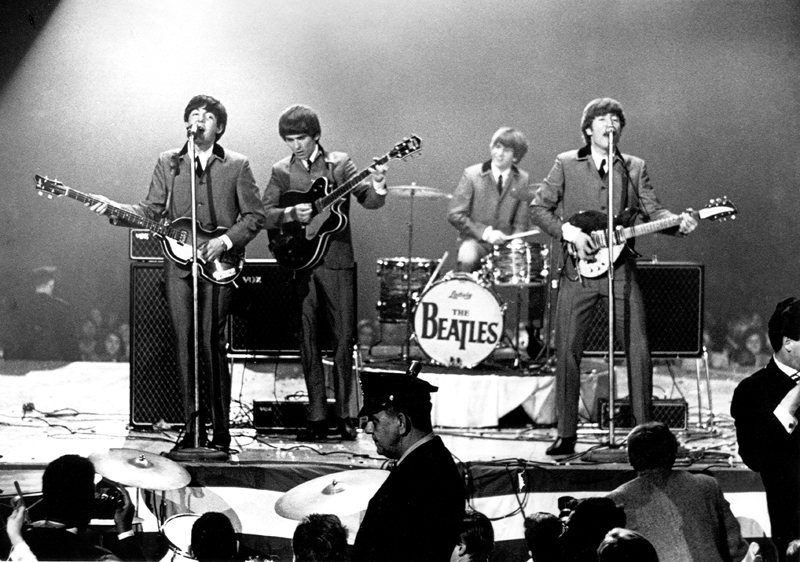
The article highlights the cultural impact of baby boomers, who began turning 80 in 2026, and presents a fun pop culture quiz testing knowledge about their era, including questions about TV shows, music, space exploration, and iconic figures from the 1960s and 1970s.

The article highlights five high-quality, safe monthly dividend stocks favored by Baby Boomers for generating reliable passive income to supplement Social Security, emphasizing the importance of dividend income for a secure retirement and noting the increasing popularity of monthly pay stocks and ETFs.
Baby boomers are remaining in their jobs, homes, and positions of power longer than previous generations, driven by increased longevity, financial stability, and cultural factors, which is causing intergenerational tensions in areas like politics, housing, and business leadership.
While younger consumers, especially Gen Z, prefer online shopping and are influenced by social media, baby boomers continue to favor traditional department stores due to perks like generous return policies, personalized service, and in-store experiences, highlighting a generational divide in retail preferences.
A survey indicates that many Baby Boomers are experiencing digital overuse, with significant portions spending over three hours daily on their smartphones and showing signs of emotional dependence and anxiety when disconnected, raising concerns about potential mental health impacts.
A study shows that Americans over 75 have become significantly wealthier in recent decades due to increased homeownership, stock market gains, and lower debt, while younger generations have seen their wealth stagnate or decline, exacerbating wealth inequality across age groups.
Berkshire Hathaway predicts a major shift in the housing market as Baby Boomers prepare to sell their homes, potentially worsening affordability issues for younger buyers and leading to a surplus of unoccupied homes that could impact market prices.
The "great wealth transfer" refers to the anticipated $124 trillion that will be passed from older to younger generations over the next 25 years, primarily benefiting already wealthy families. This transfer, driven by baby boomers' accumulated wealth, will mostly benefit Gen Xers initially, with millennials and Gen Zers becoming major inheritors by 2039. However, the wealth will largely remain concentrated among the top 2% of households, raising concerns about equitable distribution. Many younger people expect inheritances, but financial planners caution against relying on them for financial security.
Andrea, a 64-year-old laid-off professional, faces a dilemma between finding a new job or starting Social Security benefits earlier than planned. Many older Americans, like Andrea, struggle with financial insecurity due to unexpected layoffs and insufficient retirement savings. Despite her husband's pension and Social Security, Andrea worries about covering expenses without depleting their savings. Ageism and past career choices have impacted her Social Security earnings, complicating her job search. She advises younger generations to prioritize retirement savings early.
Many older Americans regret not being better prepared financially for retirement, with common themes including a lack of investing knowledge, starting to save too late, and not having a long-term financial plan. Some respondents to a Business Insider survey expressed regret over not hiring financial advisors, making expensive purchases, or taking Social Security too early. Unexpected life events like health issues or job loss further complicated their financial situations. The article highlights the importance of early and informed financial planning to avoid such regrets.
Baby boomers are set to transfer approximately $83.5 trillion to Gen X and millennials over the next 20 to 35 years, with the largest transfers occurring in the Americas. This wealth transfer, which includes $9 trillion moving between spouses, is expected to be one of the largest in history. Women, who generally outlive men, will play a significant role in this process. The average age of recipients is estimated to be around 59.
A new study by the National Cancer Institute projects that Generation X will face higher cancer rates at age 60 compared to Baby Boomers, with increases in various types of cancer such as thyroid, kidney, and colorectal cancers. Factors like early detection, obesity, sedentary lifestyles, and environmental pollutants may contribute to this rise. The study highlights the need for continued investment in cancer prevention research.
Many Gen Z and baby boomers are experiencing a paradox of feeling both happy and lonely simultaneously. Despite engaging in various social activities, individuals like Harry Samtur and Donna Basztura find that loneliness persists due to a lack of deep, meaningful connections. Research indicates that loneliness and happiness follow a U-shaped curve throughout life, with both being higher in younger and older adulthood. Social isolation and loneliness are distinct, and while social interactions can boost happiness, they don't necessarily alleviate loneliness.
Fidelity's analysis of 23.3 million 401(k) participants shows Gen Z's retirement savings grew 15% last quarter, outpacing millennials' 11% growth. Gen X's average balance surpassed boomers' for the first time among long-term savers, indicating their readiness for retirement. Despite market volatility, the number of 401(k) millionaires increased by 15% from the previous quarter.
Market veteran Ed Yardeni argues that baby boomers' rising spending habits, fueled by a transition into retirement with a record $76 trillion in net worth, have been instrumental in fending off a consumer recession. Despite concerns about a looming economic downturn, Yardeni points to the resilience of the services sector and the impact of retirees' consumption on boosting real incomes. He also highlights how the Federal Reserve's actions and the focus on service spending may have distorted recession indicators, offering a fresh perspective on the role of the postwar generation in the economy.