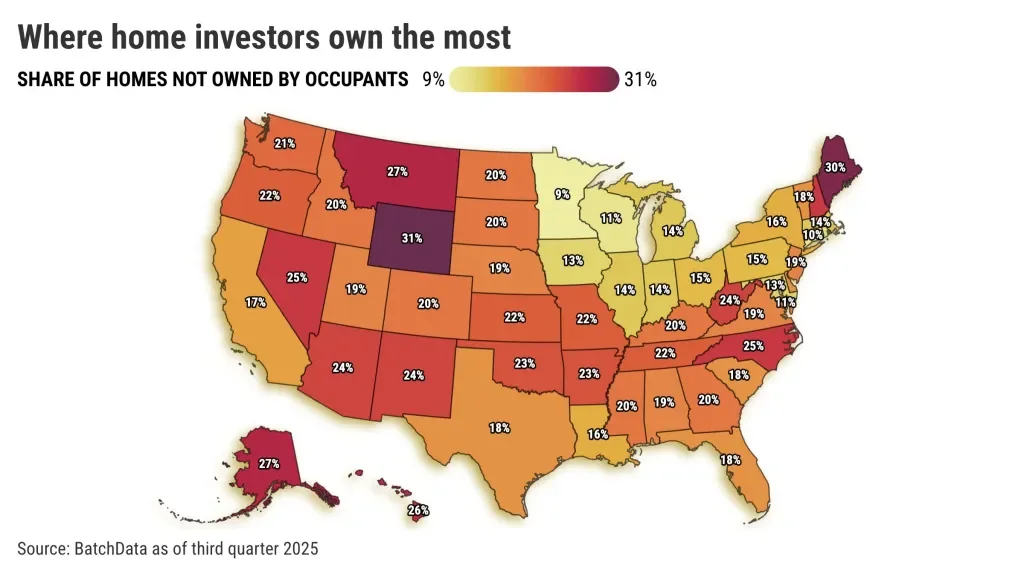
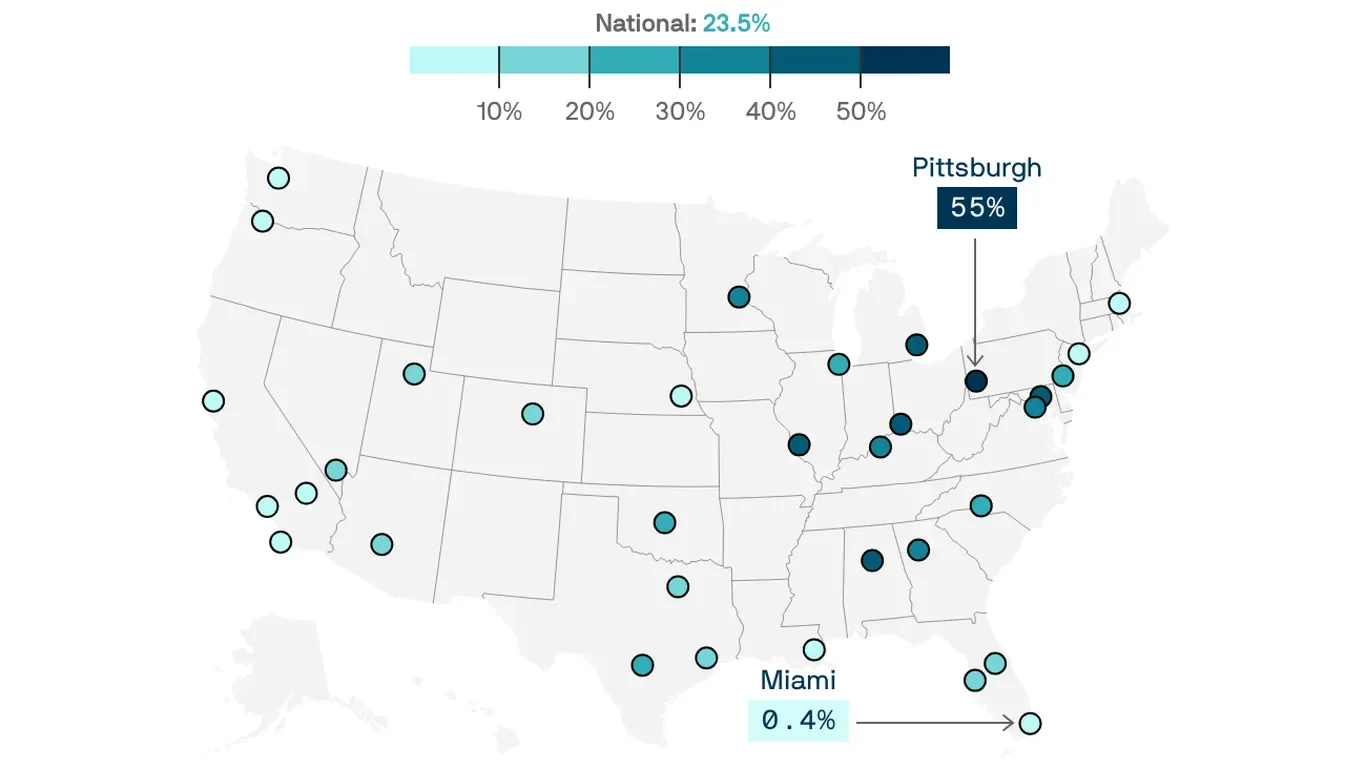
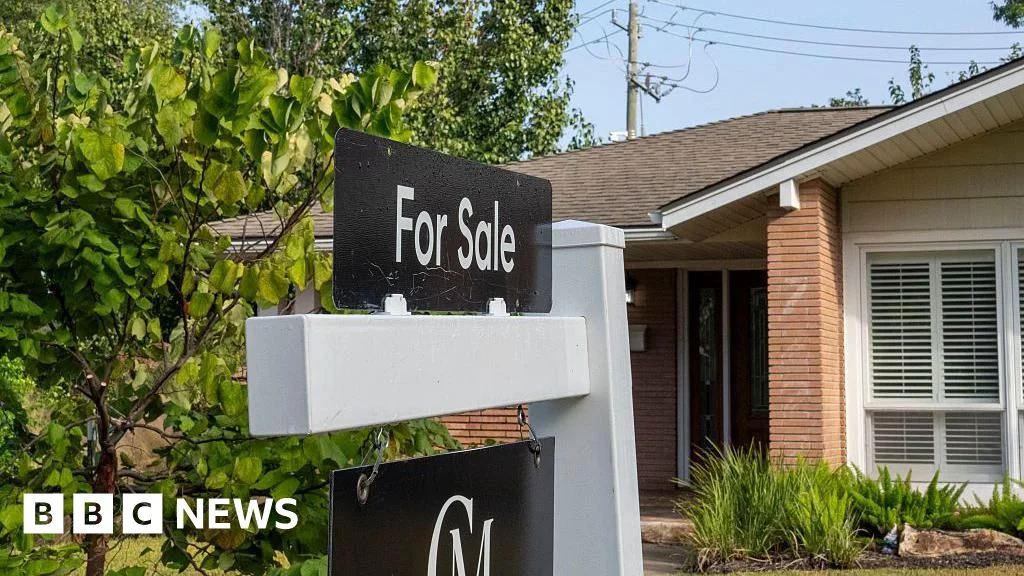
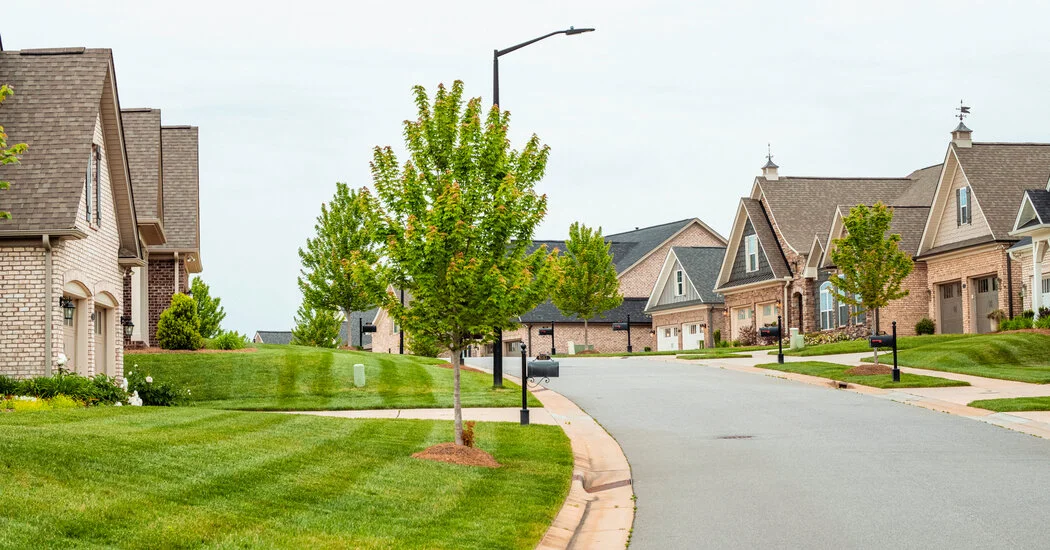
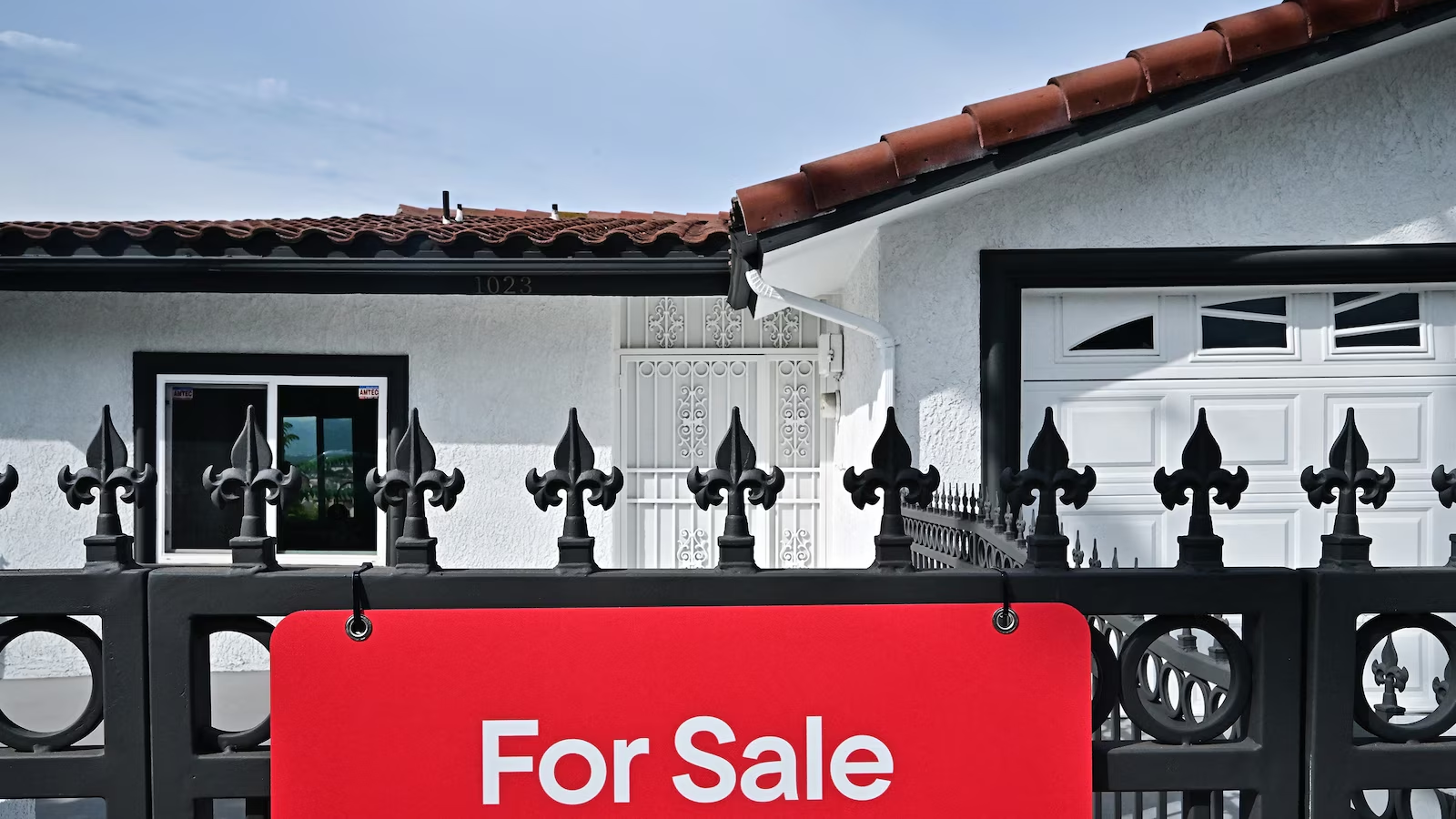
President Trump proposed banning large institutional investors from buying single-family homes to lower prices and improve affordability, but analysts believe the impact would be minimal due to the small market share of such investors and regional variations in ownership.
Experts predict that the US economy in 2026 will see modest improvements in housing affordability and job growth, with inflation remaining above the Fed's target, leading to cautious optimism about economic stability. The Federal Reserve may continue to cut interest rates, and stock markets could perform well, but concerns about overvalued AI stocks and ongoing inflation challenges persist.
The article discusses the 10 most expensive ZIP codes in the U.S., highlighting that these areas, often oceanfront and gated, command multimillion-dollar estates. Newport Coast, California, is the most expensive, with a median listing price of $11.8 million and an estimated required income of over $2.3 million to afford a home there, based on the 30% rule. These markets attract ultra-wealthy buyers, often purchasing with cash, and are driven by scarcity, privacy, and proximity to major economic hubs.
Next year may mark a turning point for the US housing market with expectations of increased inventory, stable home prices, and a focus on affordability reforms by the Trump administration, although significant price drops are unlikely in 2026.
Next year may mark a turning point for the US housing market with expectations of increased inventory, stable home prices, and a focus on housing reform by the Trump administration, potentially leading to a more balanced market in 2026.
Maryland's government cites a 96,000-unit housing underproduction as a key statistic to address the state's housing shortage, but experts warn that this figure is complex and does not directly reflect the number of unhoused people, highlighting ongoing challenges in housing affordability and policy solutions.
The article uses the movie 'Elf' to explore the high cost of living in New York City, highlighting that buying a home there is often more expensive than renting, with current median prices around $2.5 million and rent around $9,175 per month. It discusses the financial considerations of buying versus renting, including the impact of rising home prices, mortgage rates, and personal financial planning, emphasizing that housing decisions are also influenced by lifestyle preferences and financial security. The piece illustrates how high living costs can affect savings and retirement planning, especially for those moving to big cities for success.
The Los Angeles City Council approved significant updates to the Rent Stabilization Ordinance, setting a new allowable rent increase range of 1% to 4%, removing additional utility charges, and aiming to balance tenant affordability with landlord interests, amid ongoing housing affordability concerns.
A proposed 50-year mortgage by the Trump administration could lower monthly payments by about $119 but would double the total interest paid over the loan's life, according to UBS, raising concerns about long-term debt and demographic implications, while also suggesting that government investment in housing infrastructure might be a more effective solution.
Kate Wilson, a progressive candidate with a focus on affordability and homelessness, is on the verge of winning the Seattle mayor race, outperforming her opponent Harrell, who had the backing of the Democratic establishment. Wilson's campaign resonated with voters concerned about housing costs and social issues, signaling a shift in local political dynamics.
President Trump defends the idea of a 50-year mortgage to make home payments more affordable, though it would slow equity buildup and increase total interest paid. The administration is studying the proposal, possibly requiring legislative action, amid ongoing concerns about housing affordability and rising mortgage rates.
President Donald Trump has proposed a 50-year mortgage plan to make homeownership more affordable, sparking mixed reactions from politicians and industry experts. The plan aims to lower monthly payments by extending the loan term, but faces legal and political hurdles, with some critics warning it could lead to higher total interest payments and long-term debt.
Experts criticize President Trump's proposal for 50-year mortgages, arguing it may temporarily lower monthly payments but could slow home equity building and pose long-term financial challenges, especially for older first-time buyers. The White House states that any policy changes will be officially announced, but analysts see the idea as a potential band-aid rather than a solution to housing affordability.
President Trump faces criticism for proposing a 50-year mortgage plan to address housing costs, a move that critics say would lead to lifelong debt for Americans and benefit banks, while supporters argue it could lower homebuying costs. The proposal has sparked debate among politicians and pundits, with many warning of potential financial risks and questioning its conservative credentials.
President Trump proposed a 50-year mortgage to improve housing affordability by lowering monthly payments, but legal and practical challenges, including current restrictions under the Dodd-Frank Act, pose obstacles to its implementation.