The article covers various political developments including Senate hearings on health and finance, with focus on Robert F. Kennedy Jr.'s testimony, Republican strategies for 2024, and bipartisan efforts on government funding and border issues.
Maryland Governor Wes Moore urges bipartisan cooperation in Congress to approve federal funding for rebuilding the collapsed bridge in Baltimore's harbor, which has left the Port of Baltimore closed and 15,000 jobs in limbo. The Biden administration has released initial emergency aid, but the final cost of rebuilding could reach $2 billion. Secretary of Transportation Pete Buttigieg is optimistic about Congress approving the necessary funds, and President Biden is expected to visit the site. Cleanup efforts are underway, but the reopening of the port and the rebuilding of the bridge have no estimated timeline.
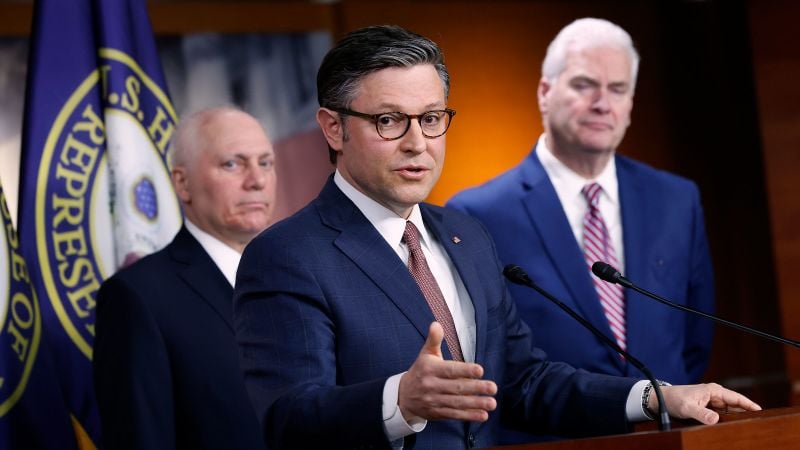
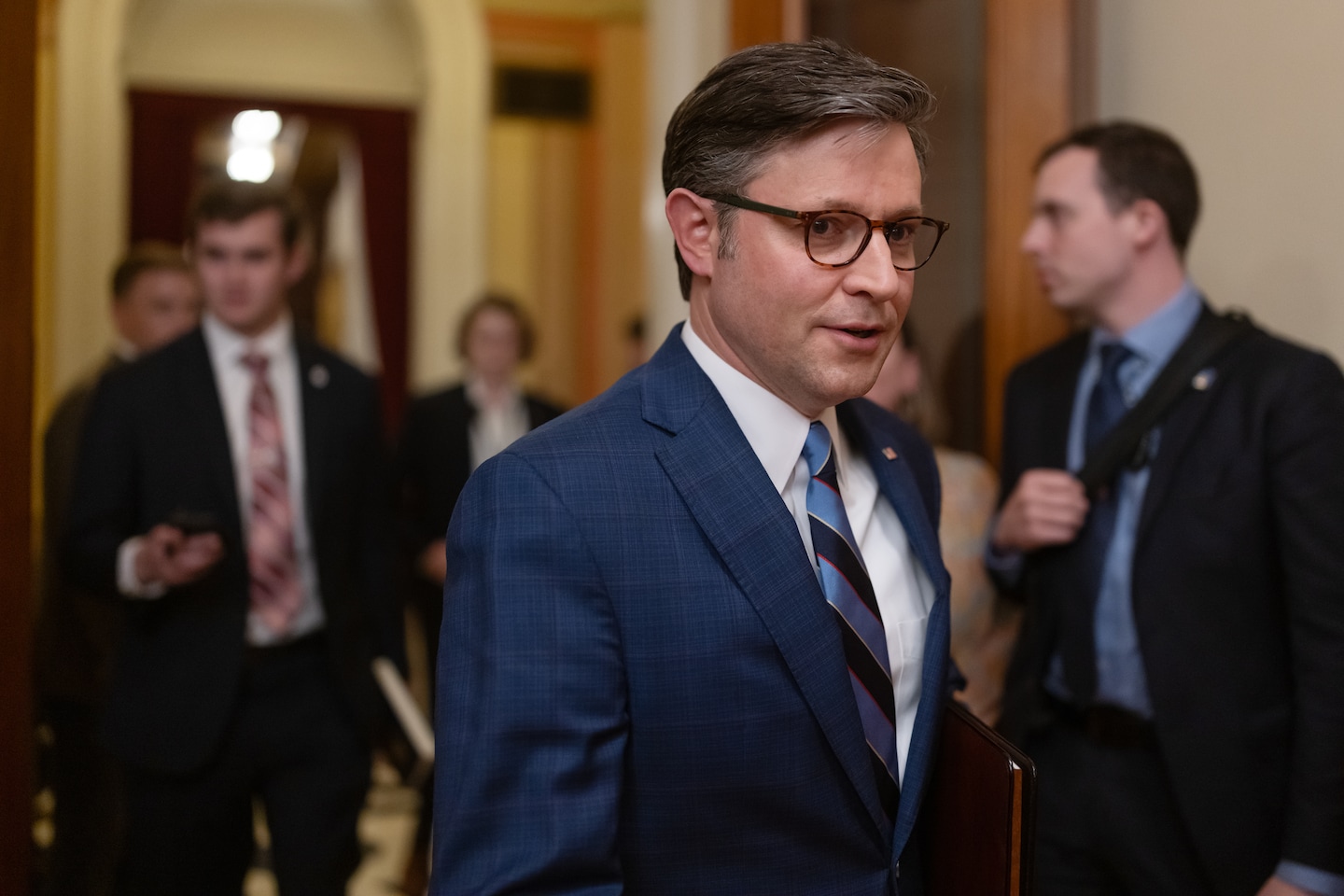
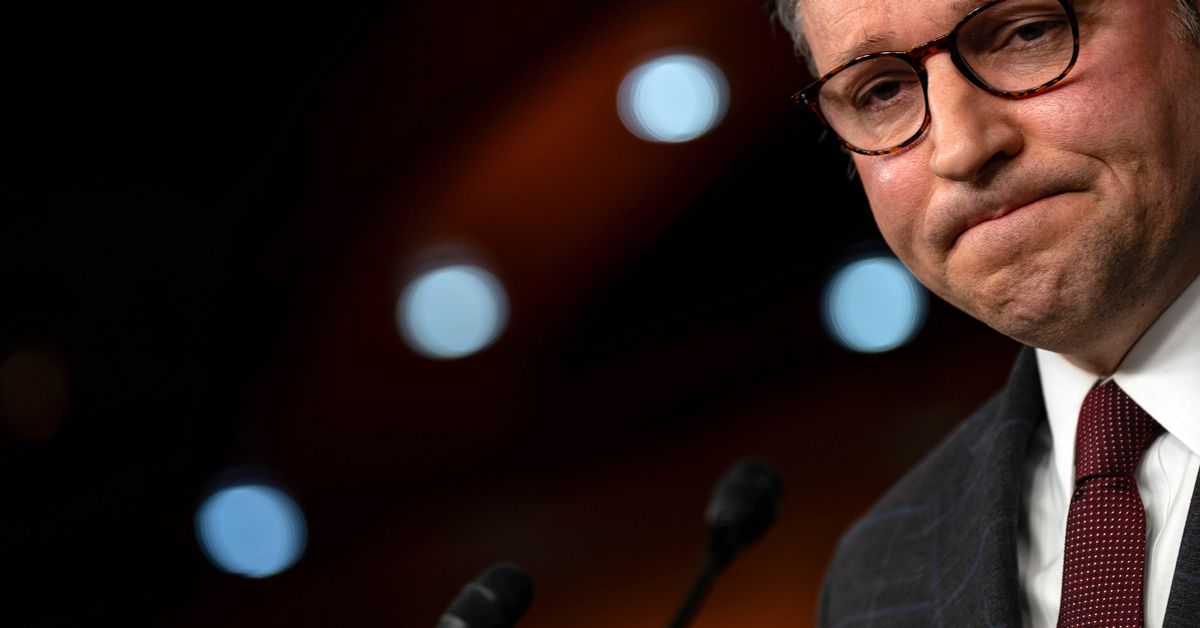
The House has passed government spending bills, prompting the Senate to act quickly to avoid a shutdown before the midnight deadline. The legislation addresses critical government operations, and failure to pass it before the deadline could trigger a partial shutdown. The $1.2 trillion funding package, over 1,000 pages long, requires bipartisan cooperation for timely passage. Lawmakers are under pressure to prevent a shutdown amid concerns from both progressives and far-right members, with the fate of Speaker Mike Johnson also under scrutiny.
President Joe Biden signed a package of six government funding bills into law, averting a shutdown and representing a major breakthrough for lawmakers. The bills, backed by bipartisan support, fund critical government departments and agencies through the remainder of the fiscal year. While agencies have ceased shutdown preparations, lawmakers still need to finalize and pass a second slate of funding bills ahead of a March 22 deadline. The package includes funding for various departments and programs, with Democrats emphasizing social safety net programs and Republicans touting spending cuts and conservative policy riders.
The House has passed a bill for $459 billion in new government spending to fund federal agencies for the next six months, sending it to the Senate to avert a partial shutdown. The Senate must pass it by midnight Saturday to prevent agencies from shuttering when funding lapses. While a larger shutdown deadline looms in two weeks, lawmakers remain divided over funding and policies. The bill covers roughly 30% of the federal government for the rest of the fiscal year and is the result of bipartisan compromises, facing scrutiny and threats from far-right legislators.
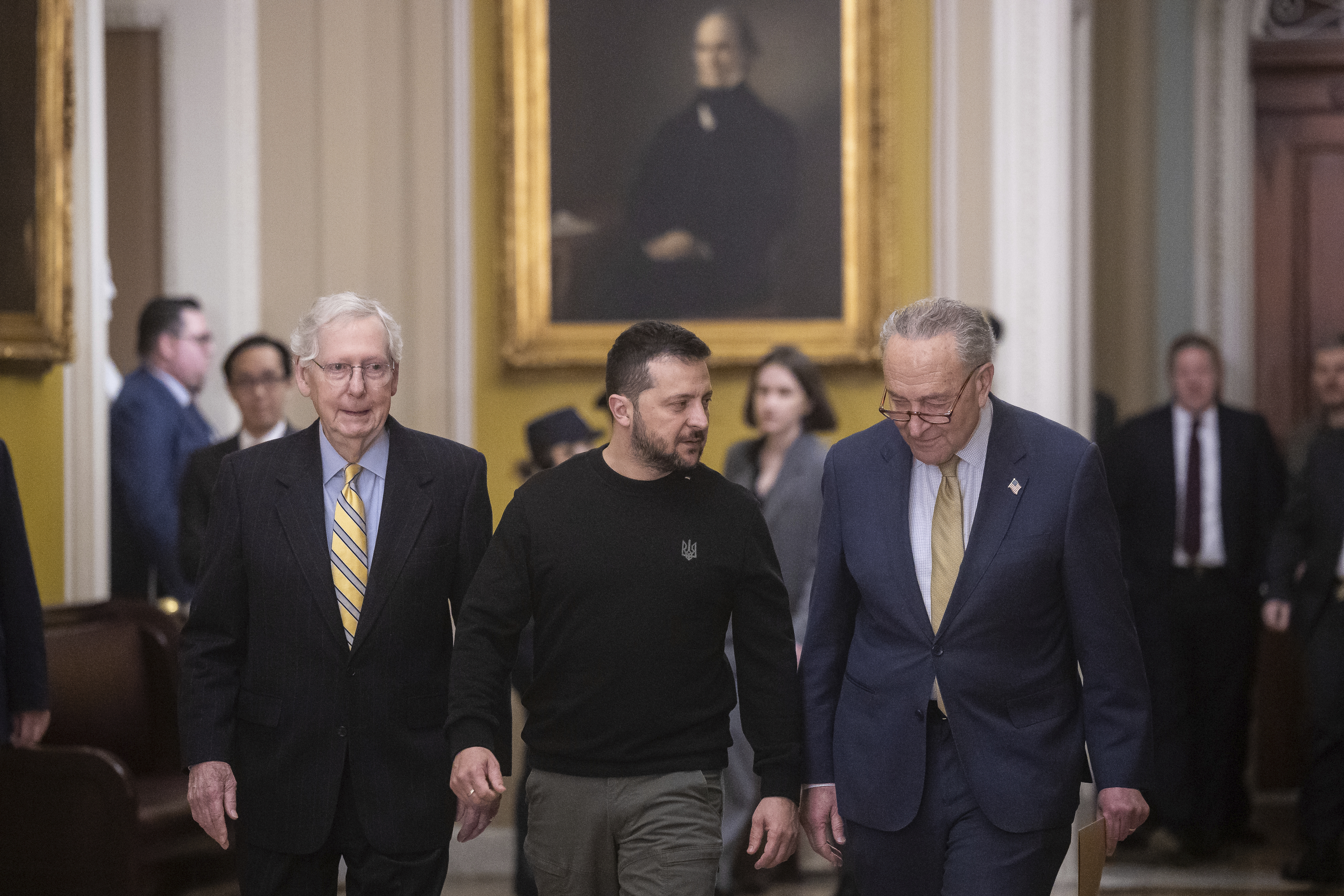
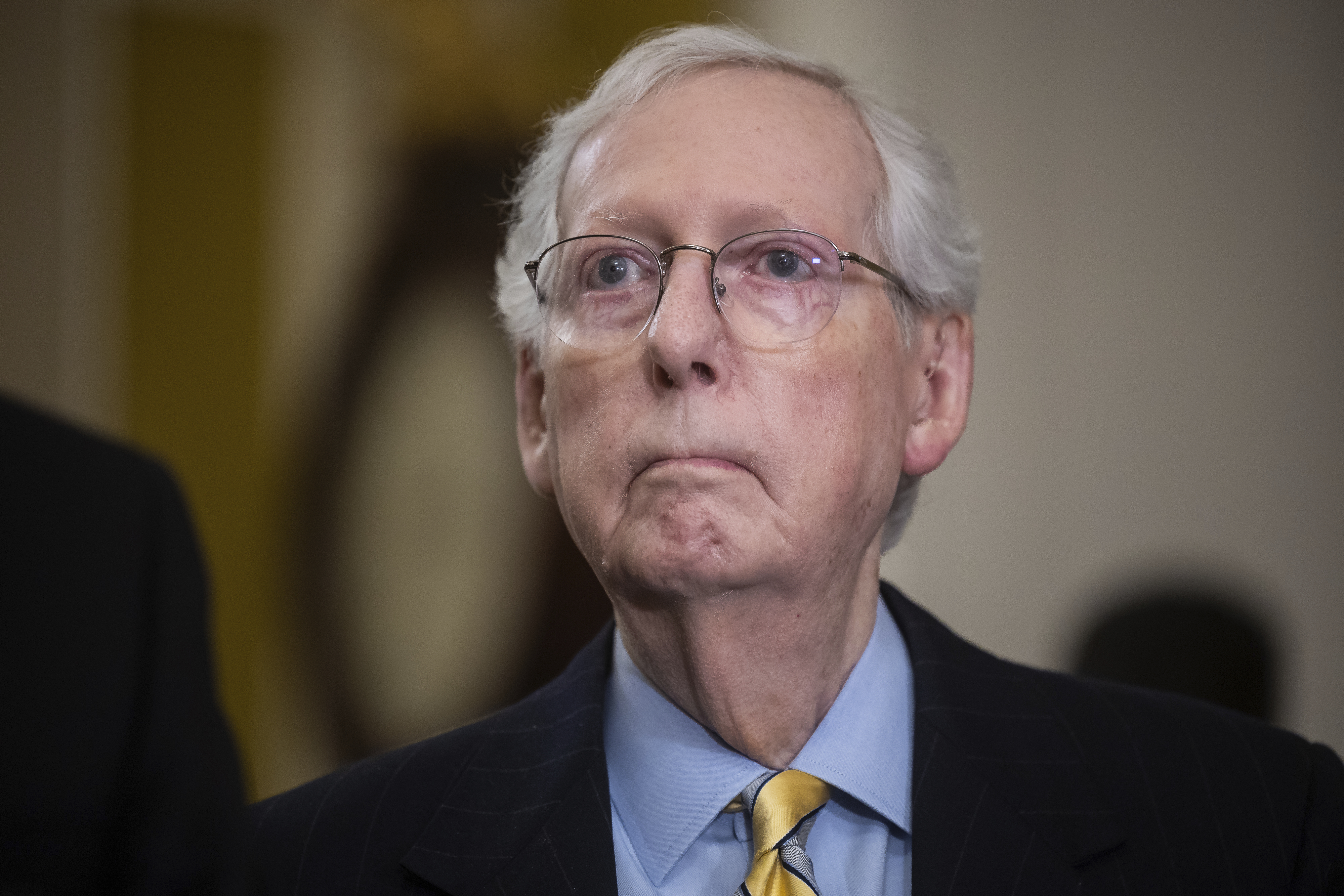
Senate leaders Mitch McConnell and Chuck Schumer, who have a history of bitter clashes, have surprisingly united to secure Ukraine aid, demonstrating a rare bipartisan cooperation. Despite their ongoing battle for the Senate majority, they coordinated closely to navigate the volatile Ukraine aid issue, with McConnell benefiting from Schumer's patience and willingness to work together. Their joint effort resulted in a $95 billion foreign aid package, including $60 billion for Ukraine, and they now face the challenge of pushing the House to act.
The GOP is facing internal struggles as different factions within the party clash over legislative compromises and government funding. While Senate Republicans have shown a willingness to engage in bipartisan cooperation, the House GOP has struggled to pass a budget for 2024 and keep the government running, with some members effectively voting to force a government shutdown. The party's internal divisions reflect a split between more moderate and extreme elements, with some members prioritizing ideological purity and performative politics over pragmatic governance.
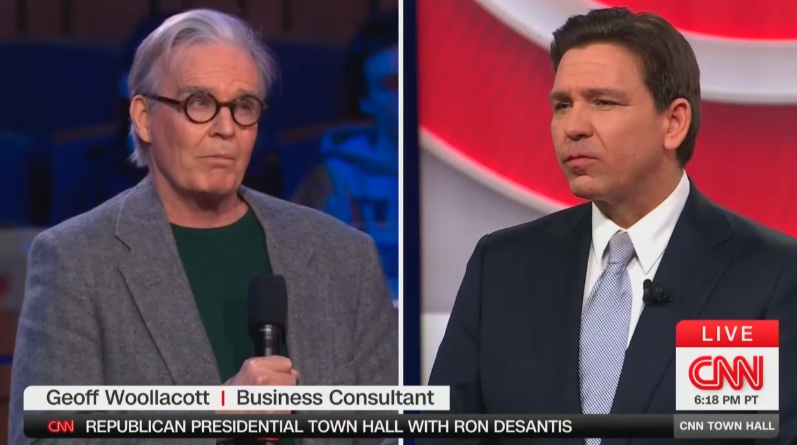
During a CNN town hall, a voter questioned Florida Governor Ron DeSantis for sending migrants to Martha’s Vineyard, calling it a "cheap stunt." DeSantis defended the action, stating it was to highlight the issue of sanctuary jurisdictions and open borders. He emphasized the need to address immigration problems and expressed willingness to work with anyone to solve the issue.
Congressional leaders have agreed on a short-term spending bill to extend current funding levels through March 1 and March 8, aiming to provide more time for the passage of year-long spending bills and avoid a government shutdown. The bill is the result of bipartisan negotiations and aims to adhere to a $1.6 trillion spending cap deal reached last week. While the Senate is expected to pass the stop-gap with significant bipartisan support, the process in the House is less clear, with Speaker Mike Johnson facing opposition from far-right members and the need for significant Democratic support to pass the bill.
Senators from both parties, along with senior officials from the Biden administration, are working on legislation that would provide funding for Ukraine's security assistance in exchange for changes to immigration policy. This grand bargain would not only address vital U.S. interests in Ukraine's defense and border stability but also demonstrate that democracy can still function and bipartisan cooperation is possible. The proposed changes to immigration policy include tougher criteria for asylum claims, requiring migrants to wait in a third country while their claims are processed, and making it easier to remove those who cross the border illegally. While there should ideally be no linkage between border policy and military aid, Republicans have leverage due to public opinion turning against the Biden administration on immigration. Progressives should not rally against a deal, as the asylum system requires fixes, and failure could lead to a Trump victory in 2024. A successful deal would show Biden's ability to bring parties together on immigration, but it will require support from both Republicans and Democrats in Congress.
The Senate has passed a compromise defense policy bill, removing controversial provisions on abortion and transgender troops. The $886 billion legislation will now go to the House for a vote before reaching President Joe Biden. The bill faced little obstruction in the Senate but may face resistance from conservatives in the House due to the exclusion of their social policy priorities. The compromise bill includes conservative wins such as a pay cap and hiring freeze for defense employees involved in diversity programs, as well as provisions against critical race theory and unapproved flags at military installations. The bill also includes provisions related to Ukraine assistance and the AUKUS submarine-sharing pact.
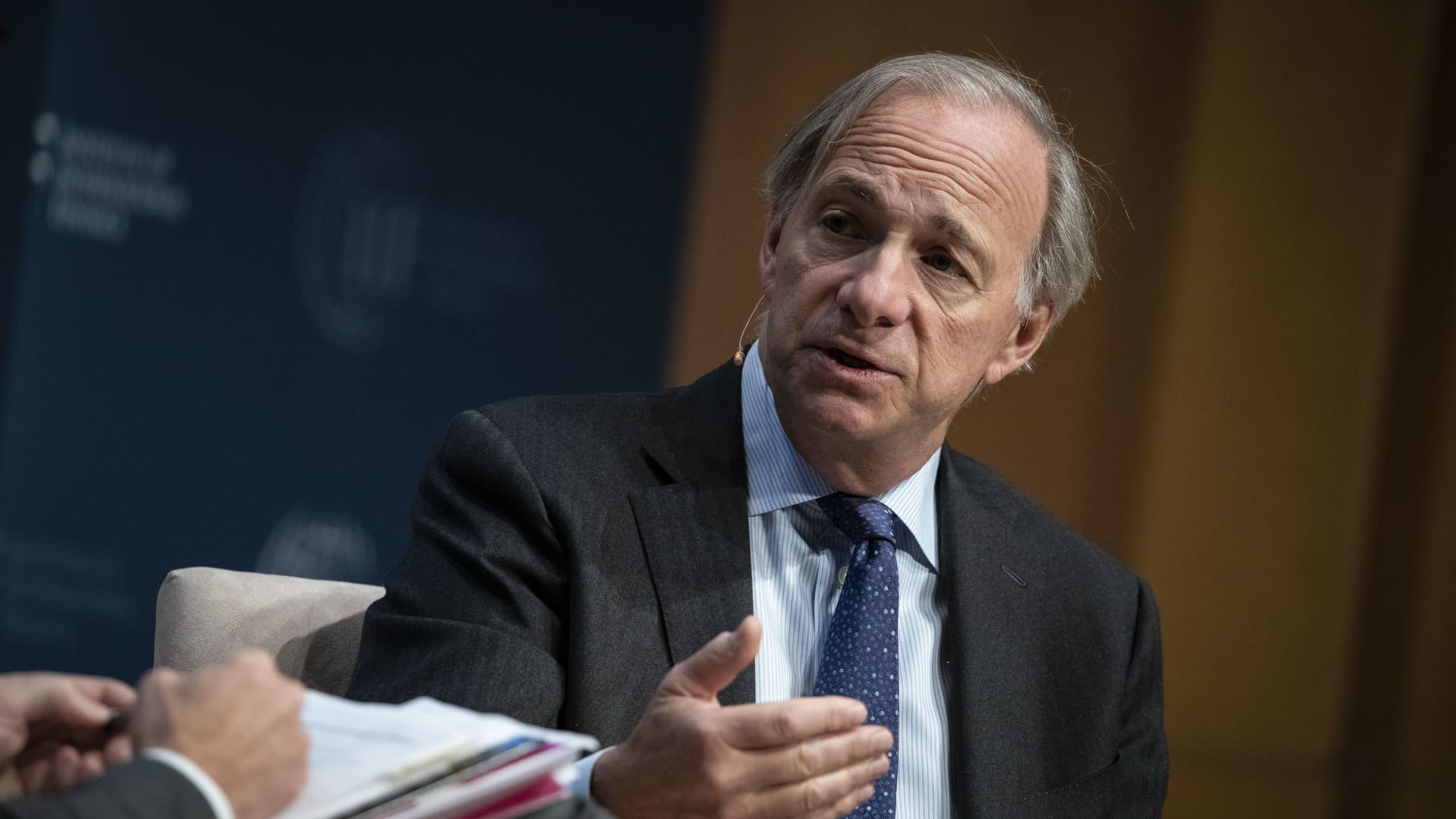
Ray Dalio, founder of Bridgewater, emphasizes the need for a "strong middle" political ground and bipartisan cooperation in the U.S. to address issues such as the wealth gap. Dalio suggests alienating those with extreme political views and bringing together smart moderates to make important reforms. As concerns about wealth inequality grow, the wealthiest 10% of U.S. households hold an average of $7 million, while the bottom 50% have an average of $51,000. With the upcoming presidential election, both parties face questions about their prospective nominees, and Dalio expects the emergence of an alternative candidate to Trump among Republicans. Democrats, on the other hand, face internal divisions and concerns about Biden's age. Dalio believes that addressing the country's differences in values and wealth is crucial for a more productive and peaceful future.
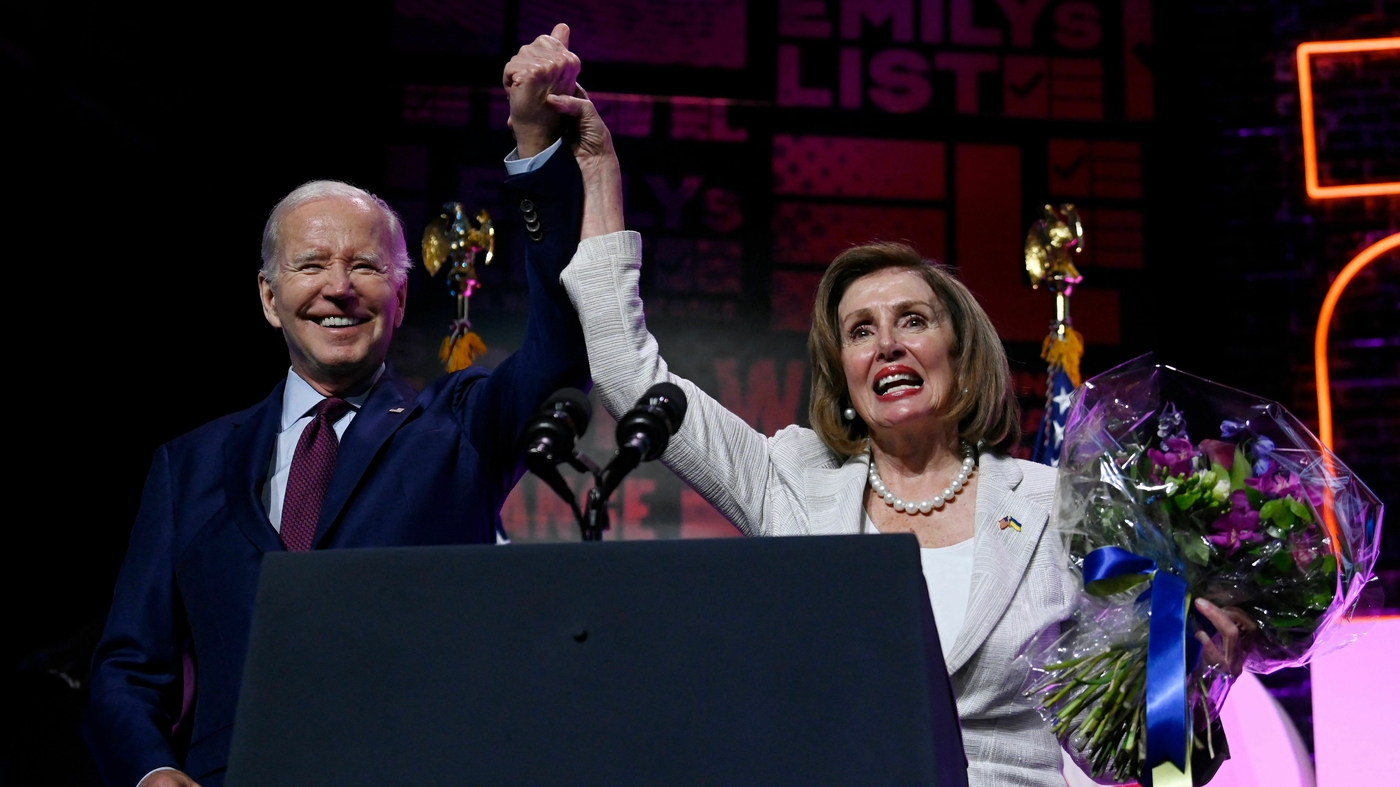
Democrats, including former House Speaker Nancy Pelosi, are expressing concerns over a potential third-party presidential run backed by No Labels, a group aimed at promoting bipartisan cooperation. Pelosi argues that the group is not truly nonpartisan and is instead advancing Republican policies. The White House is also reportedly worried about the possibility of No Labels electing Donald Trump. No Labels, which initially focused on monitoring elected officials, has been laying the groundwork for a 2024 presidential run. It argues that both President Biden and Trump have low favorability ratings, and voters would benefit from a more enthusiastic candidate. The impact of a third-party candidate in 2024 is uncertain, but No Labels' own polling suggests a Republican candidate would fare better in swing states. Pelosi contends that No Labels is using the guise of nonpartisanship to push conservative ideology.
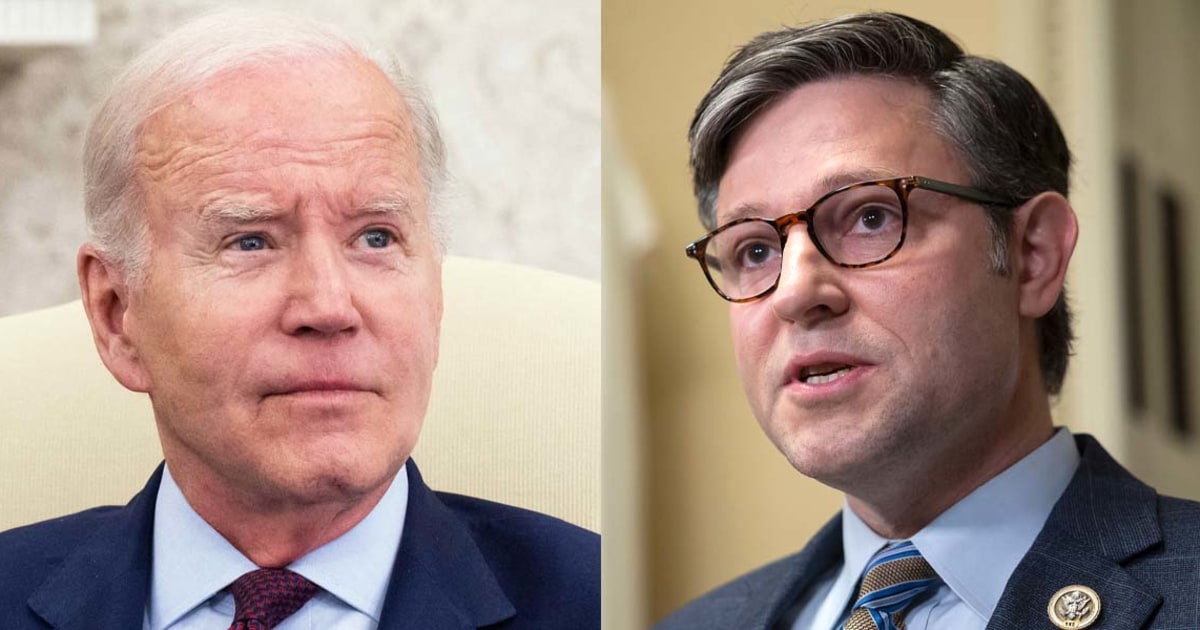
The White House is cautiously assessing the possibility of working with newly elected House Speaker Mike Johnson to avoid a government shutdown in three weeks. President Joe Biden plans to collaborate with Johnson on securing aid for Ukraine and Israel, as well as other domestic priorities. While it is too early to determine their working relationship, Biden has already reached out to Johnson and invited him to a classified briefing on national security issues. Johnson's governing style remains unknown, but there is hope among Democrats that he will be given flexibility in spending negotiations. Johnson has proposed a short-term bill to keep funds flowing until January or April, and some far-right Republicans are willing to give him latitude.
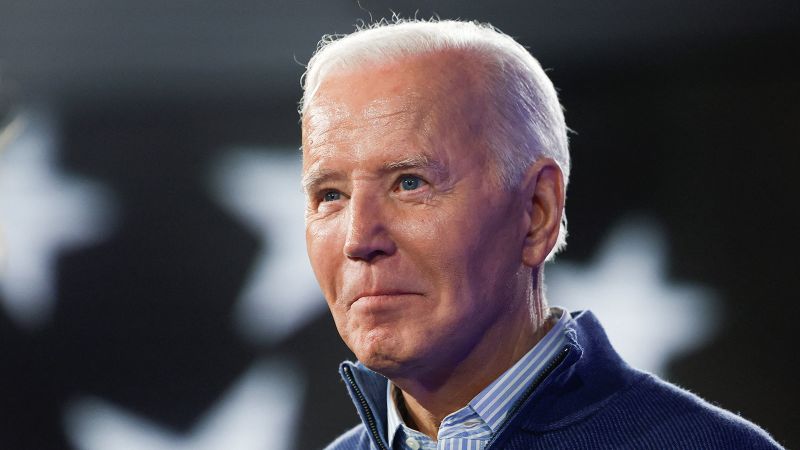
President Biden is urging Republicans to fulfill their promises on government funding and Ukraine aid, calling on them to "stop playing games" and get the necessary legislation passed. This comes as negotiations continue on a short-term spending bill to avert a government shutdown. Biden's message emphasizes the need for bipartisan cooperation and for Republicans to follow through on their commitments.