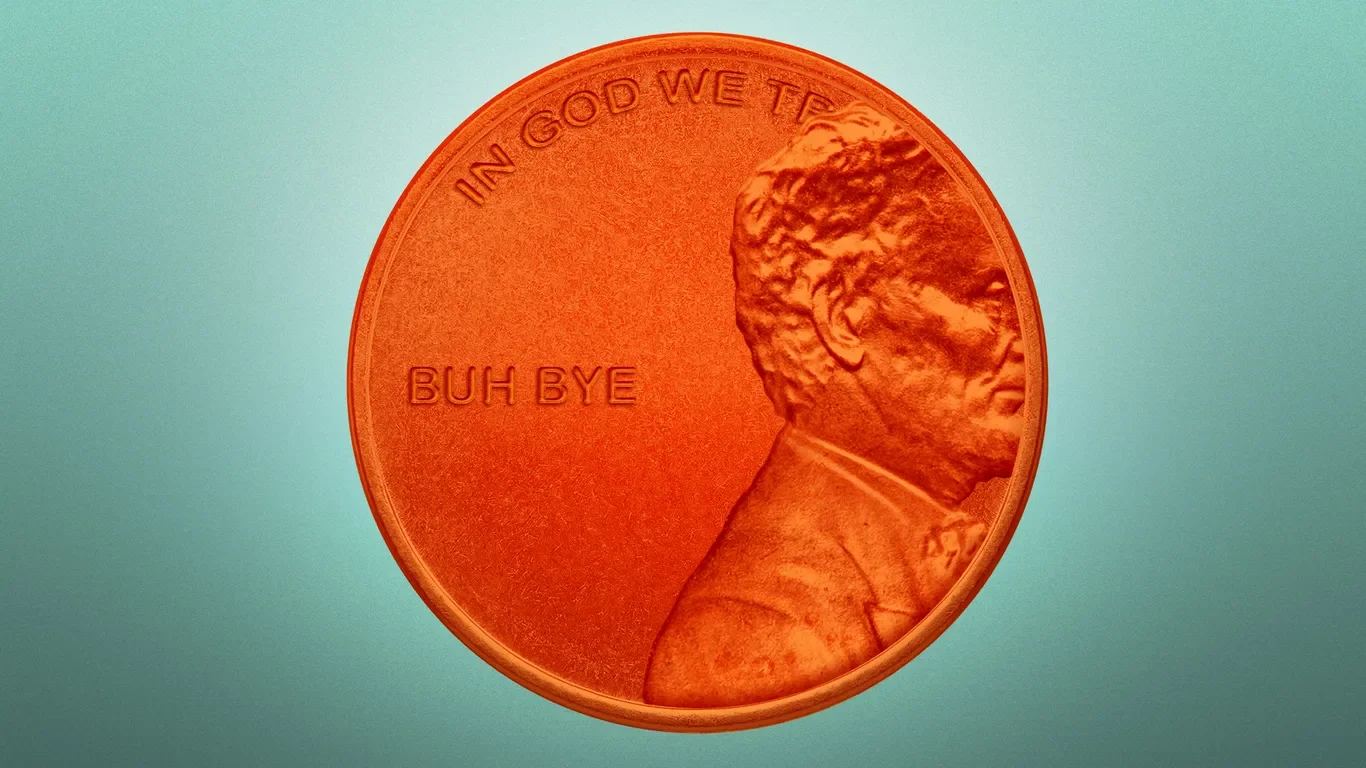
The U.S. Treasury has stopped producing pennies, leading to a shortage and prompting guidance for merchants to round transactions to the nearest five cents, while lawmakers call for legislation to provide legal safe harbors and ensure smooth cash circulation amid ongoing debates about penny recirculation and costs.
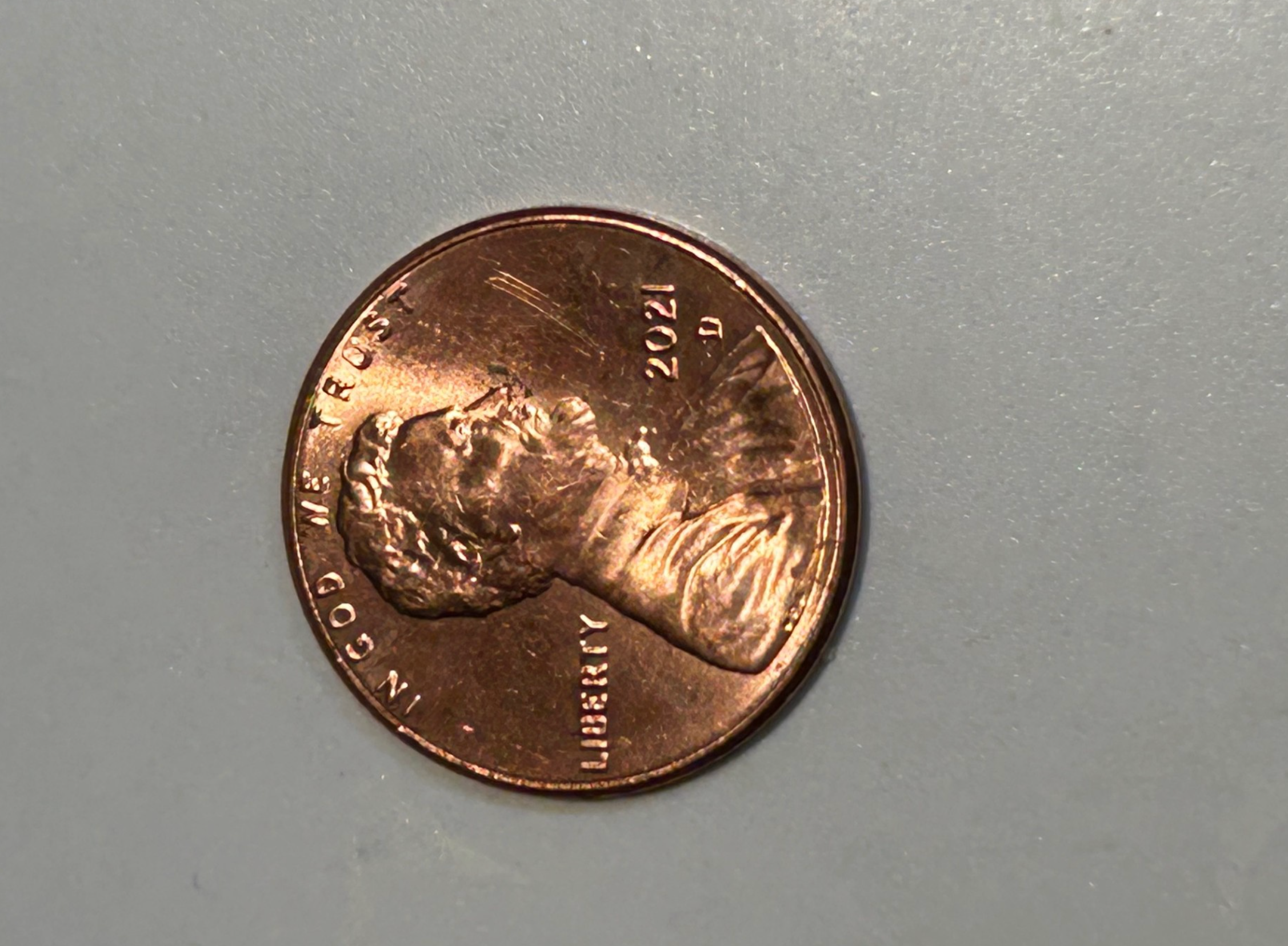
As pennies are phased out in the U.S., states are considering or implementing policies for rounding cash transactions to the nearest five cents, raising legal and consumer protection questions, with some advocating for federal guidance to ensure fairness and consistency.
The US Mint has stopped producing pennies, leading to a coin shortage that is affecting cash transactions in stores, complicating legal and operational issues, especially around SNAP benefits, with retailers seeking guidance from the government on handling exact change and rounding policies.
The US plans to stop minting pennies by 2026, but existing coins will remain legal tender for years, leading to a gradual transition where cash transactions are rounded to the nearest nickel, especially in cash-heavy retail settings, while electronic payments remain unaffected.
In February, over one-third of home purchases were made with cash, nearing the record high set in 2013, as mortgage rates remain high despite a slight decrease from their peak in October. With home prices up 6.6 percent from the previous year, buyers are opting for larger down payments to reduce monthly mortgage payments, leading to a median down payment increase of 24.1 percent. However, this trend is widening the wealth gap, making it difficult for many, especially first-time buyers, to afford homeownership.