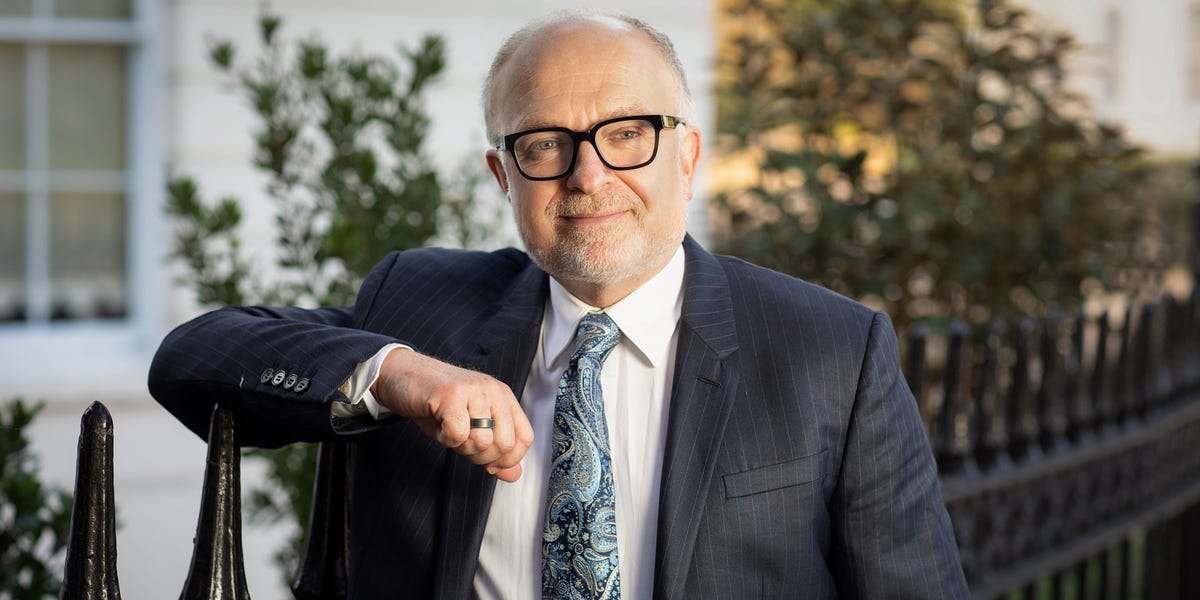
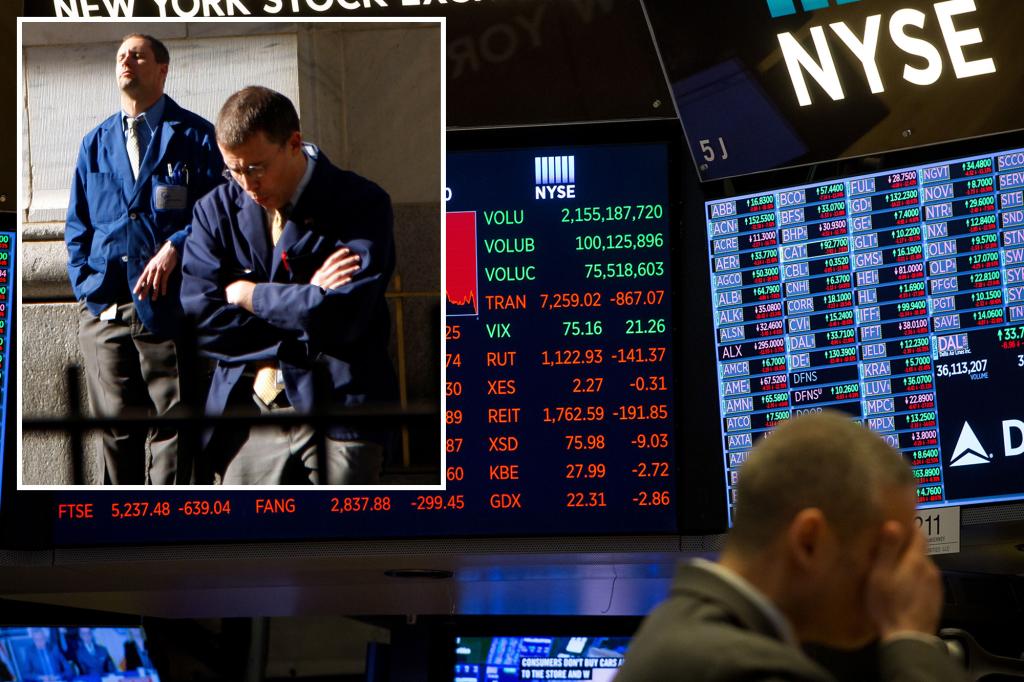
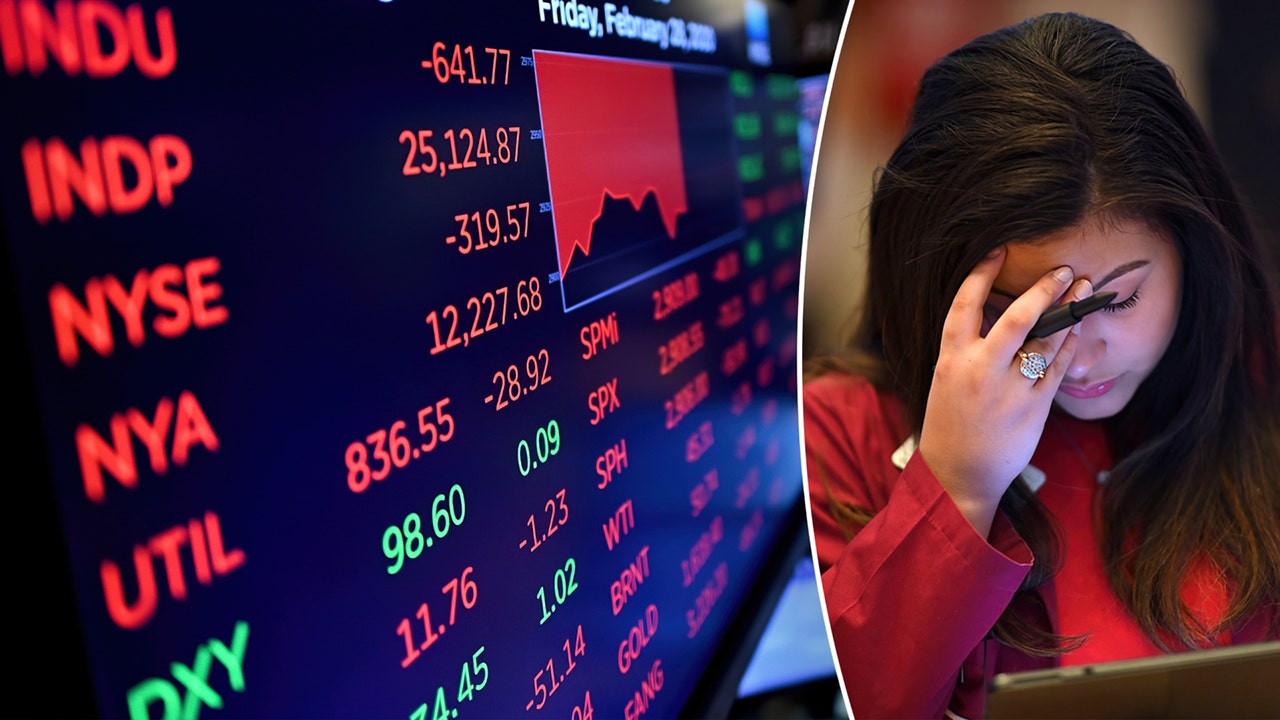
President Donald Trump criticized Goldman Sachs and its chief economist after a report predicted that consumers would bear the majority of the costs from tariffs, calling for a change in the bank's economic leadership and dismissing the report's findings.
President Trump criticized Goldman Sachs and its chief economist for their analysis that consumers will bear most of the costs of tariffs, urging the bank to replace its economist. Despite Goldman Sachs' report predicting increased consumer burden from tariffs, inflation remains steady at 2.7%.
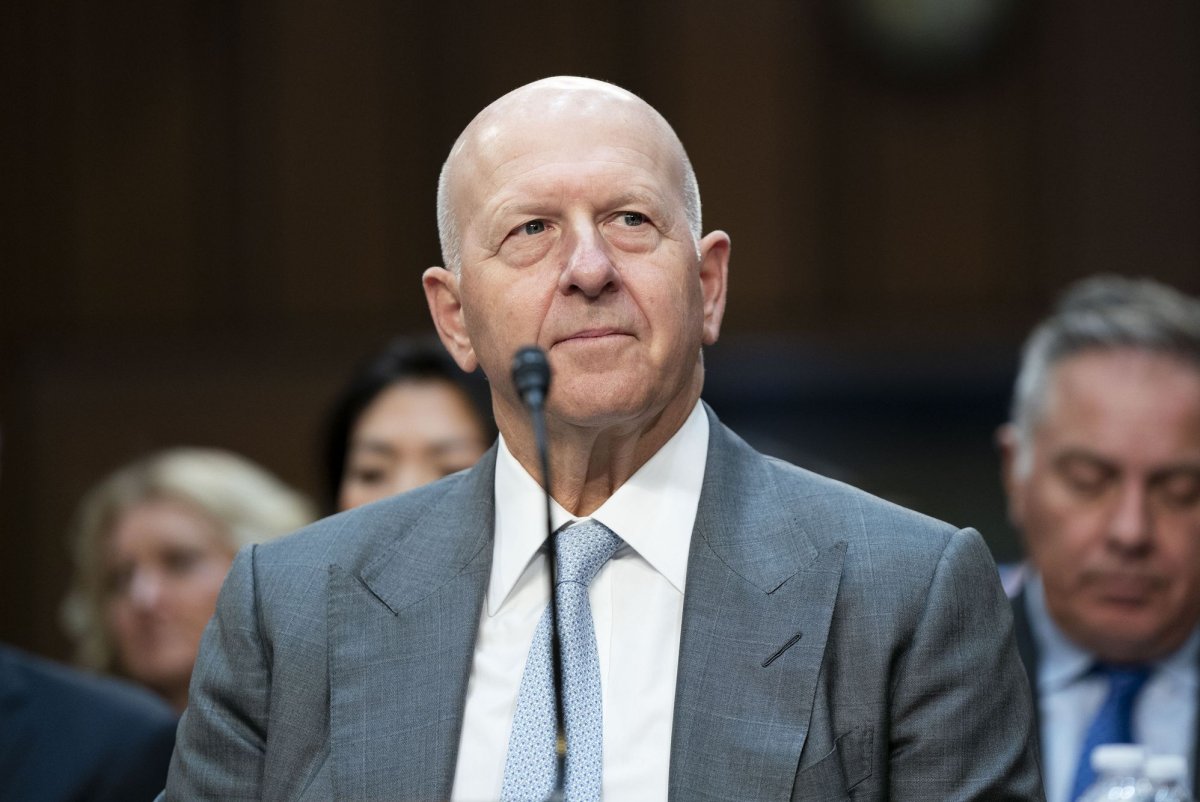
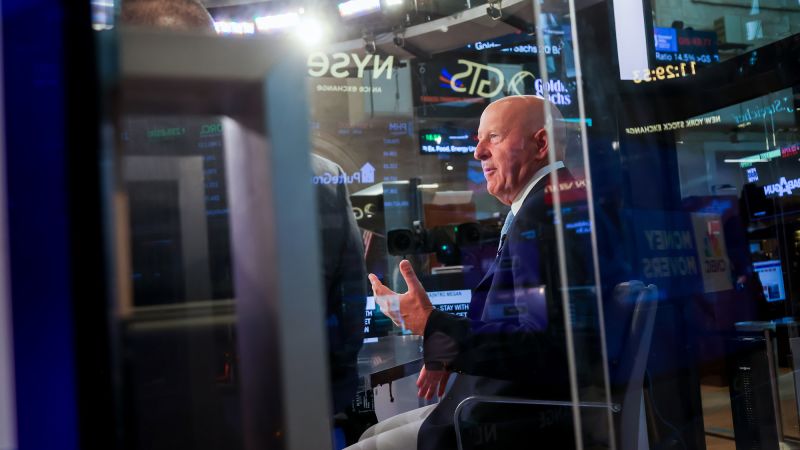
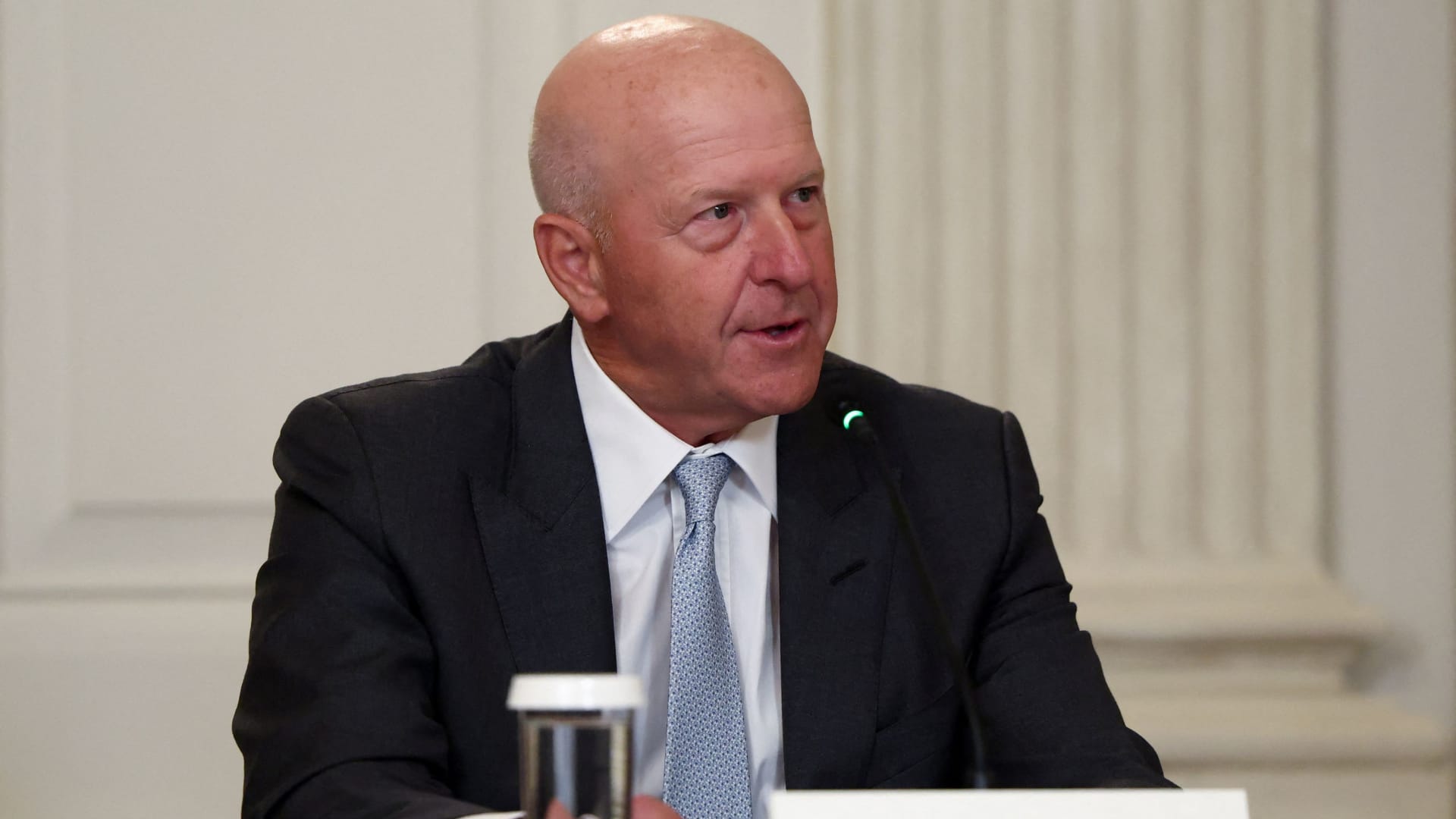
President Trump criticized Goldman Sachs CEO David Solomon for his economist's warnings about the impact of tariffs on consumers, suggesting Solomon should replace the economist or focus on his DJ career, amid ongoing debates about the economic effects of tariffs and government revenue.
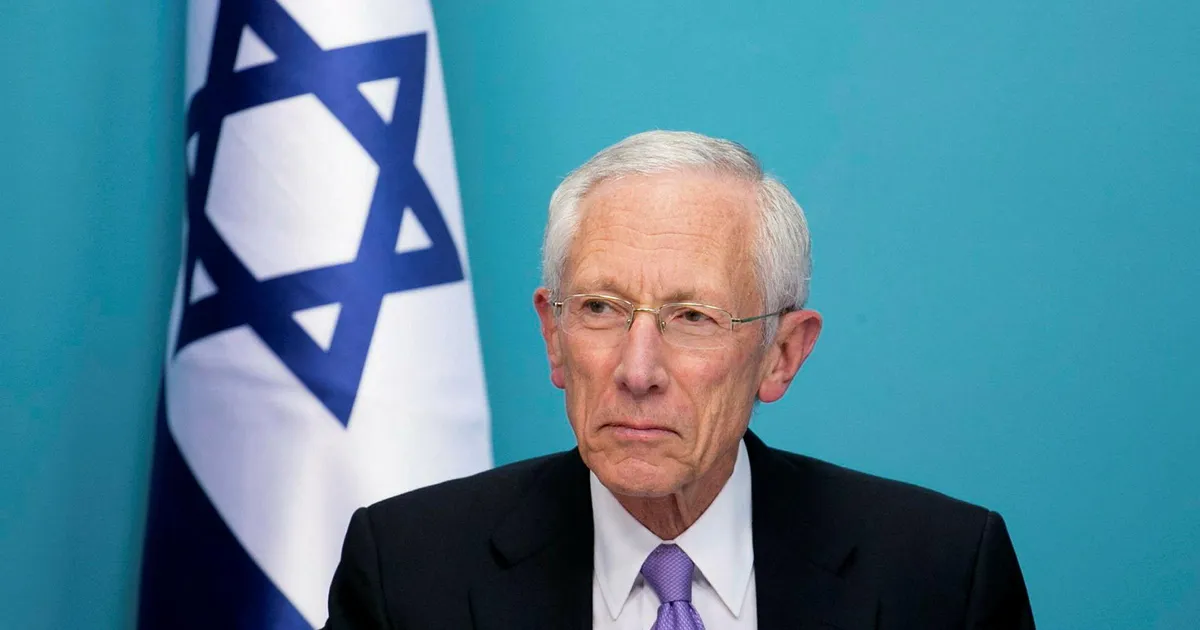
Stanley Fischer, a prominent American-Israeli economist and former head of the Bank of Israel who also served as vice chair of the U.S. Federal Reserve, has died at age 81, leaving a significant legacy in global and Israeli economic policy.
Biden's chief economist reflects on the recent election results with feelings of confusion and guilt, as the administration navigates the political landscape and its implications for economic policy.
A senior economist in China has highlighted the unexpected and significant challenges facing the country's economy, including deeper-than-anticipated effects from Covid-19, rapid structural adjustments, and seismic global shifts. Despite China's better-than-expected 5.3% growth in the first quarter, the economist emphasized persistent imbalances, particularly in the property sector, and expanding economic risks amid geopolitical uncertainties. While some foreign small and medium-sized enterprises are cautiously returning to invest in China, the economist cautioned that achieving a new balance in the economy will take time.
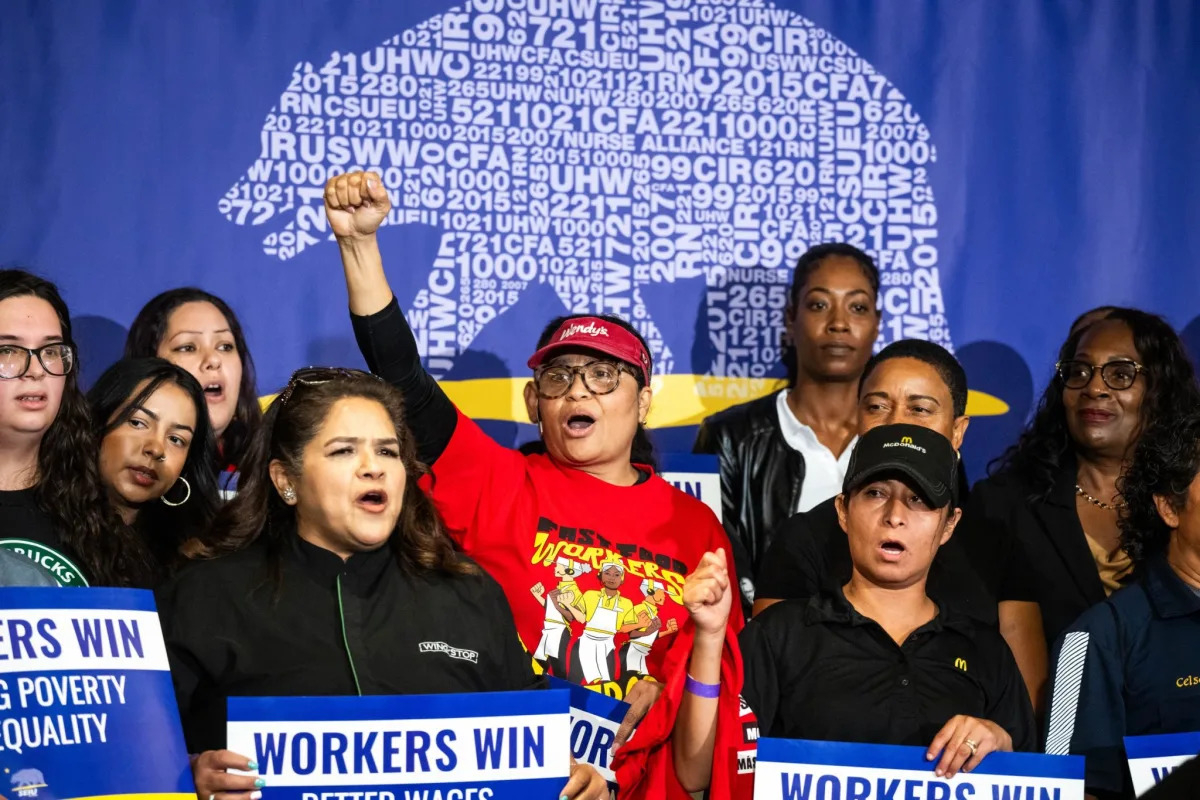
California implemented a $20 minimum wage for fast-food workers, sparking concerns about potential long-term unemployment. Economist Scott Sumner believes the mandate could increase the state's natural rate of unemployment, as businesses may lay off workers or raise prices to offset higher operation costs. While some studies show no negative impact on employment from raising the minimum wage, Sumner argues that higher wages could make businesses more selective in hiring. Additionally, recent wage increases for hospitality workers in Southern California may also contribute to a potential rise in unemployment. These movements could impact where people live and find jobs, potentially leading to a shift in workforce migration patterns.
Economist David Rosenberg warns that the Federal Reserve's projection of a 150 basis-point reduction in interest rates by 2025 signals an imminent recession, contrary to the Fed's optimistic GDP growth and unemployment rate forecasts. He points out that such a significant rate cut has historically only occurred during economic downturns, and warns investors about the potential risks in the leveraged loan market as defaults are on the rise.
Economist Andrew J. Scott believes that the aging population will be one of the defining issues of the 21st century, calling for a transition to an "evergreen economy" that channels the world's aging population to address inequality and boost growth. As life expectancy increases, challenges such as strain on the pensions system, labor-market shortages, and a rise in age-related diseases are becoming more prominent. Scott emphasizes the need for governments, companies, and individuals to rethink aging, invest in preventive health initiatives, and adapt to the reality of living longer, in order to address the looming retirement crisis and ensure sustainable health and skills for older individuals.
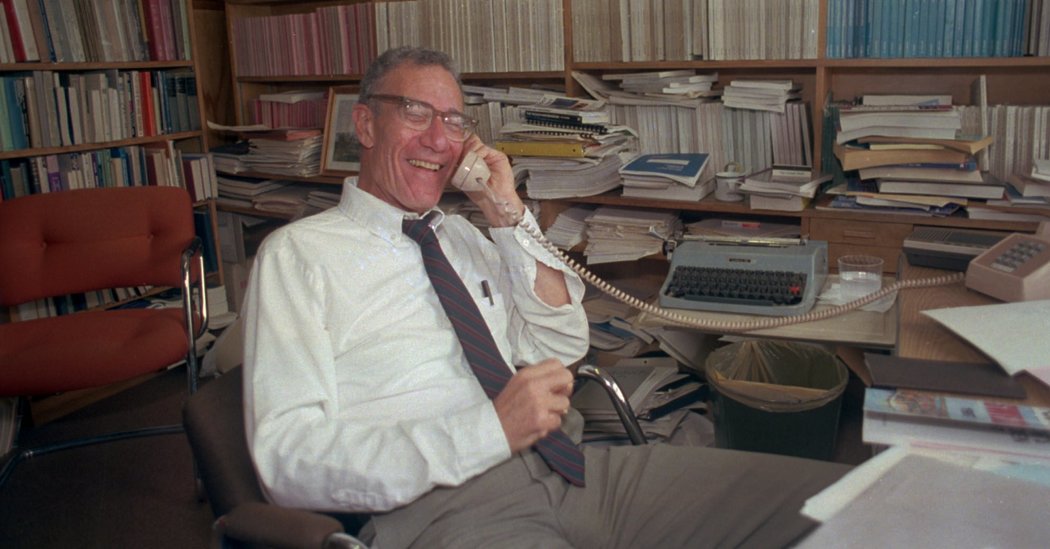
Robert M. Solow, the groundbreaking economist and Nobel laureate, has passed away at the age of 99. Solow's influential work emphasized that technological advancements, rather than increases in capital and labor, were the primary drivers of economic growth. He taught at MIT and played a significant role in shaping economic analysis and policymaking. Solow's research and mentorship also helped launch the careers of several future Nobel laureates. He received numerous accolades, including the John Bates Clark Medal, the National Medal of Science, and the Presidential Medal of Freedom.
Economist Harry Dent predicts that 2024 will be the biggest crash year in our lifetimes, attributing it to overvalued markets and excessive stimulus spending. Dent warns against listening to financial advisers and urges investors to get out of the way, as he believes the crash will be more severe than the Great Depression, with an 86% crash in the S&P, a 92% crash in the NASDAQ, and a 96% crash in crypto. He predicts a lasting slowdown impact for 12 to 14 years, widening the wealth gap and affecting the rich more than the average person.
Economist Harry Dent predicts that 2024 will bring the "biggest crash of our lifetime" due to overvalued markets and excessive stimulus spending. Dent warns that the current market bubble, which started in late 2021, will burst next year, resulting in significant declines in stocks, real estate, and cryptocurrencies. He advises investors to get out of the way and save themselves from massive losses. Dent criticizes the year-end market rally and urges Americans to prepare for a deep depression and deflation, which will widen the wealth gap. He believes the impact of the "everything" bubble will last for 12 to 14 years, with the millennial boom following thereafter.
Economist Stephen Moore cautions that President Biden's $400 billion allocation to the green energy agenda is reminiscent of the Obama administration's failed Solyndra "scheme." Moore argues that Biden's plan, which is 10 times larger than Obama's, risks subsidizing solar and wind panel companies that may go bankrupt. He suggests cutting the allocation as it primarily benefits liberal groups. Additionally, Moore criticizes the push for electric vehicles (EVs), citing low demand and insufficient charging infrastructure. He also questions the effectiveness of climate change conferences, highlighting China's absence and the continued increase in carbon emissions despite massive spending on the climate change industrial complex.
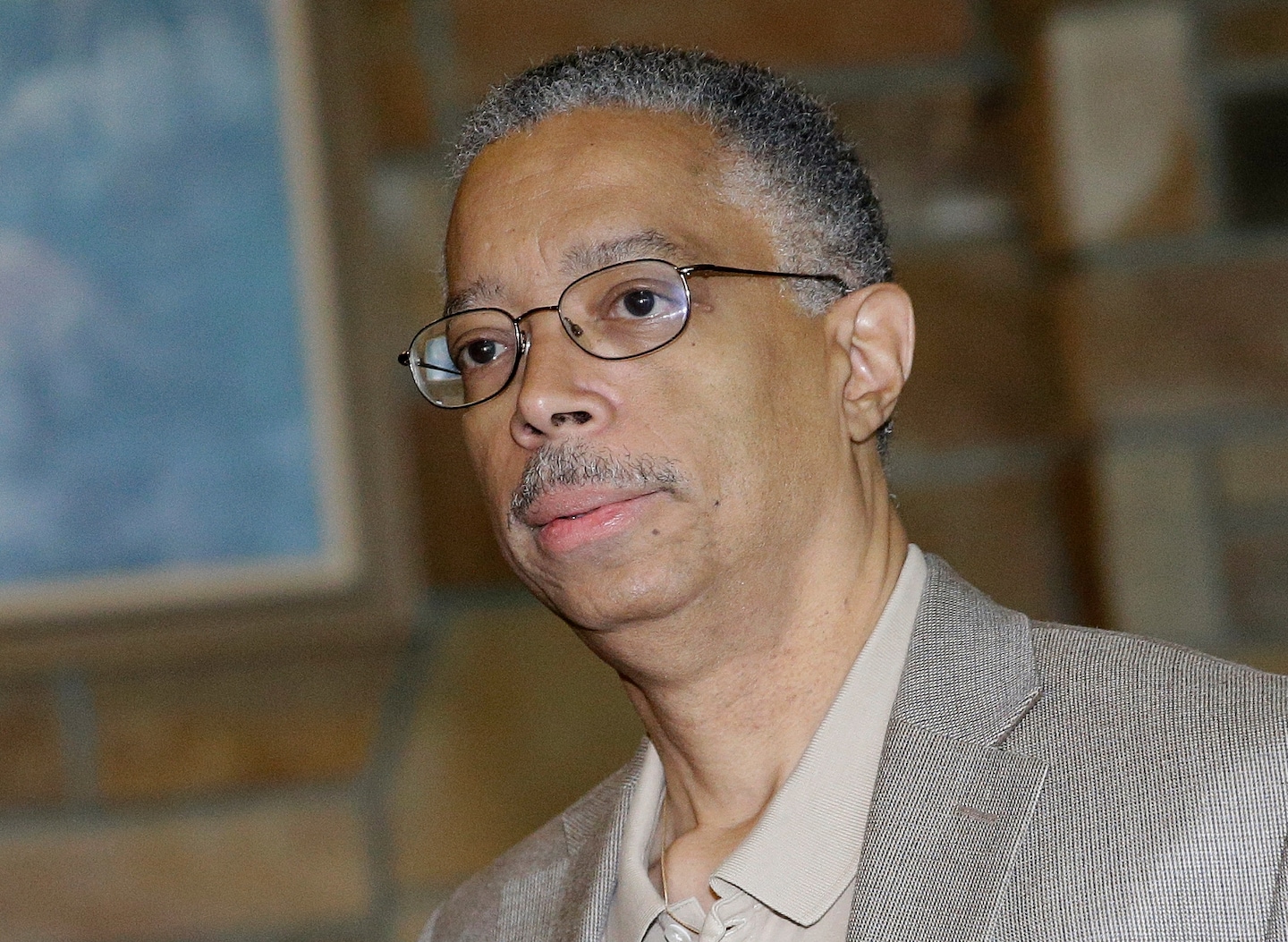
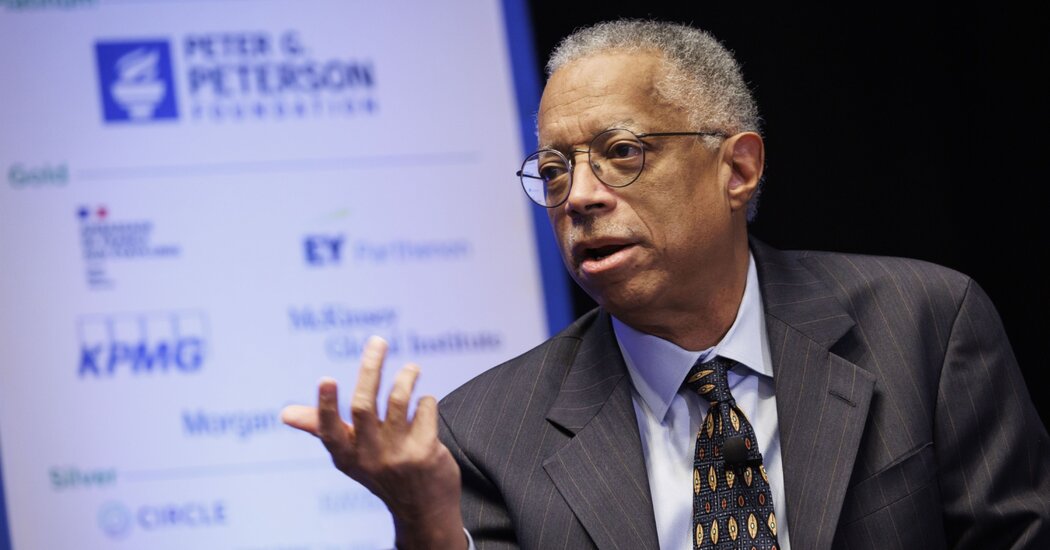
William E. Spriggs, an economist who fought for racial and economic justice, died at the age of 68. He was known for highlighting racial disparities in America's economy and challenging the basic assumptions of his peers. Spriggs conducted studies on the higher unemployment rate for Black workers and how the failure to raise the federal minimum wage has disproportionately hurt workers of color. He worked in the Clinton and Obama administrations and was the chief economist for the AFL-CIO labor federation. Spriggs was a committed political activist who bridged the economic establishment and the world of activism.
William E. Spriggs, a prominent Black economist and advocate for workers, especially Black workers, died at the age of 68. He served as the chief economist for the A.F.L.-C.I.O. for over a decade and was an assistant secretary of labor in the Obama administration. Dr. Spriggs was a vocal critic of racial disparities in the labor market and challenged his profession’s assumptions about race. He mentored a generation of Black economists while pushing for change within a field dominated by white men.