Tag

Emergency Savings

All articles tagged with #emergency savings

personal-finance5 months ago

Facing a Costly and Disgusting Repetition: My Frustration Grows

A person recounts their stressful experience with a bedbug infestation that depleted their savings, and now faces a repeat situation. They feel guilty and overwhelmed but are advised to seek rent abatement, understand tenant rights, and plan long-term financial stability with family support. The article emphasizes separating emotional guilt from financial reality and taking proactive steps to manage the situation.

finance1 year ago

"Empowering Women: Minimizing Financial Stress and Closing the Pensions Gender Gap"

Despite increasing education and representation in senior leadership, women still face a persistent gender pay gap and financial vulnerability, leading to 93% feeling stressed about money. Experts recommend building a cash reserve, with three to six months' worth of expenses, to provide financial independence and security. Creating a budget with designated percentages for essential expenses, retirement, and emergency savings, as well as seeking financial advice and utilizing employer-sponsored plans, can help women establish a strong financial roadmap and feel empowered in managing their finances.

personal-finance2 years ago

Americans Struggle with Expenses and Savings, Turning to 401(k) Withdrawals

More Americans are resorting to hardship withdrawals from their 401(k) accounts to cover emergency expenses, such as medical bills or to prevent foreclosure. Reports from Fidelity Investments and Vanguard show a significant increase in hardship withdrawals in recent years. However, financial planners caution against this move as it comes with tax penalties and missed investment growth. The rise in hardship withdrawals is attributed to a combination of factors, including rising prices, high interest rates, and a decrease in savings rates. Experts recommend building emergency savings and exploring alternatives like borrowing against a 401(k) before resorting to hardship withdrawals.

personal-finance2 years ago

"Financial Health Concerns: Low Emergency Savings and Scary Savings Mistakes Plague Americans"

A new report from Bankrate reveals that 81% of Americans did not contribute to their emergency savings in 2023, with 60% feeling behind in building a cash cushion. Rising prices and high household expenses have made it difficult for households to save, putting them in a bind. The injection of stimulus money in 2020 provided a temporary safety net, but those savings have now largely been depleted. Soaring inflation and rising interest rates have further exacerbated the situation. Financial experts recommend finding alternative sources of income, such as side hustles or freelance work, to boost savings in the face of increasing expenses.

personal-finance2 years ago

Delta's Global Emergency Savings Program Provides Up to $1,000 for Employees

Delta Air Lines has introduced an emergency savings program for its employees, offering up to $1,000 each to help address the savings crisis in America. Under the program, employees below the director level receive $750 directly deposited into a Fidelity account after completing a financial coaching session, and the airline will match up to $250 of an employee's contributions made with payroll deductions. The initiative aims to improve financial literacy and prevent workers from resorting to high-interest credit cards or retirement account withdrawals during emergencies. Other companies, including Starbucks, Best Buy, and Levi's, have also introduced similar emergency-savings benefits.

personal-finance2 years ago

"Financial Experts Recommend 3 Steps to Combat Rising Debt and Inflation for Retirees"

Americans are facing declining financial well-being as emergency savings drop and credit card balances rise due to record high inflation and higher interest rates on debt. Experts suggest taking three steps to ease financial stress: seeking help from lenders or credit counselors before missing a payment, delaying discretionary purchases, and scheduling time to manage household finances to keep tabs on subscriptions and other monthly charges to trim costs. High-yield savings is also a great opportunity to get a better return on extra cash.

economics2 years ago

Preparing for a Recession: Expert Insights and Investment Strategies.

Federal Reserve economists predict a mild recession later this year, with a recovery over the subsequent two years, due to recent turmoil in the banking industry. Historical recessions related to financial market problems tend to be more severe and persistent than average recessions. The Federal Reserve is deliberately trying to slow economic growth to control inflation, which may prolong the recession. Experts recommend updating resumes, keeping in touch with networks, and having a solid emergency savings account to ride out the downturn without going into debt.

personal-finance2 years ago

Americans' Financial Comfort: The Price Tag.

According to the CNBC Your Money Financial Confidence Survey, 1 in 5 Americans say they need $1 million to feel "financially comfortable." Nearly 75% of respondents say they need $100,000 or more, with the majority steady across all income levels. Rising costs have left Americans struggling to keep up, with credit card debt hitting an all-time high and more people finding it difficult to pay their bills. Financial vulnerability is felt across income levels, with a majority of Americans earning less than $100,000 saying they live paycheck to paycheck. Additionally, 53% of survey respondents say they don't have any emergency savings.

personal-finance2 years ago

"The Importance of Cash and Bubble Investing Tips"

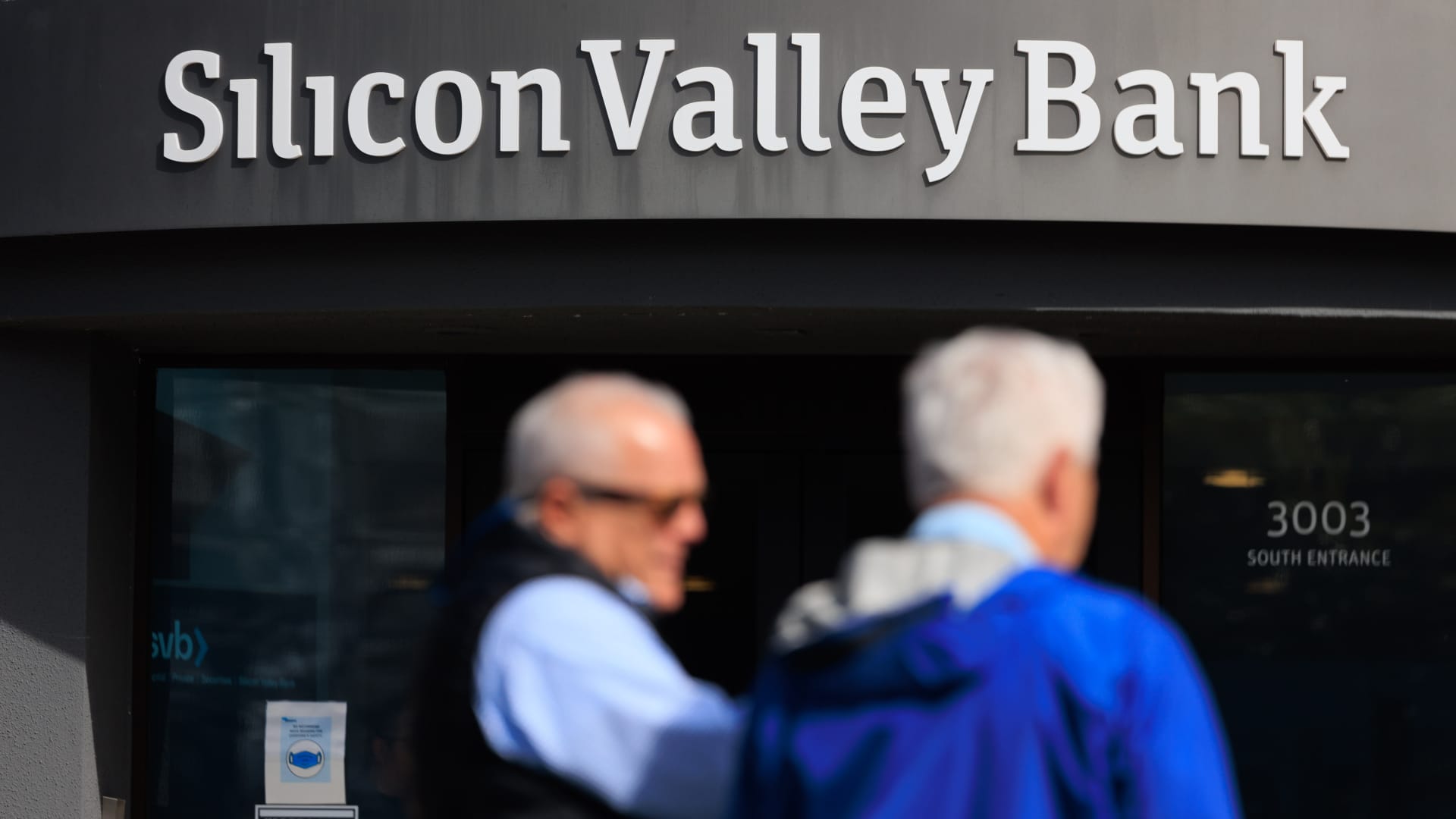
The collapse of Silicon Valley Bank provides a valuable lesson for investors, according to financial planner Lazetta Rainey Braxton. She advises clients to maintain a six-month "cash cushion" to avoid being forced to sell investments at the wrong time. Without liquidity, SVB couldn't "absorb the shock of the cash run," and had to sell its assets at a steep loss. A cash cushion may also provide more options for tackling financial emergencies and offer more flexibility to pivot.