A group of governors, led by New Jersey's Phil Murphy, has petitioned the EPA to monitor microplastics in tap water, highlighting concerns about their widespread presence and potential health risks, and urging regulatory action to better understand and address this invisible threat.
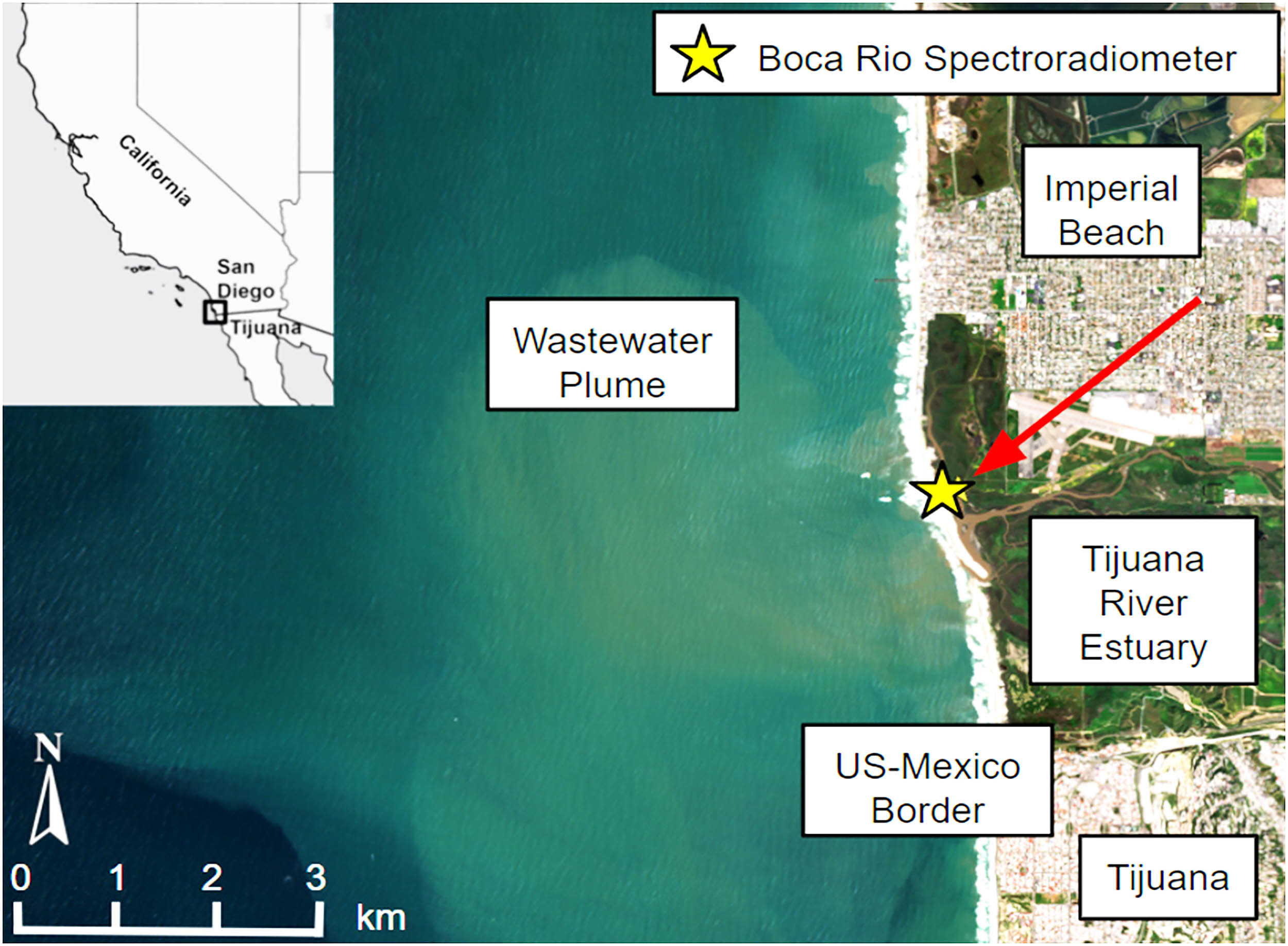
NASA's satellite imaging spectrometer on the International Space Station has detected a large sewage spill from the Tijuana River into the Pacific Ocean, using a specific spectral feature at 620 nanometers to track the pollution's extent and movement, aiding in environmental monitoring and public health efforts.
A study found that 95% of beers tested in the U.S. contain PFAS 'forever chemicals,' especially in areas with contaminated water sources, raising concerns about environmental persistence and health risks, and highlighting the need for improved water treatment and regulation.
A study found that 95% of tested beers in the U.S. contain toxic forever chemicals (PFAS), especially in regions with contaminated water supplies, raising concerns about environmental and health impacts.
A recent study warns that microplastic pollution in water bodies, especially the Ganges, may increase the risk of gallbladder cancer in India, highlighting the urgent need for action to reduce plastic waste and prevent a potential public health crisis.
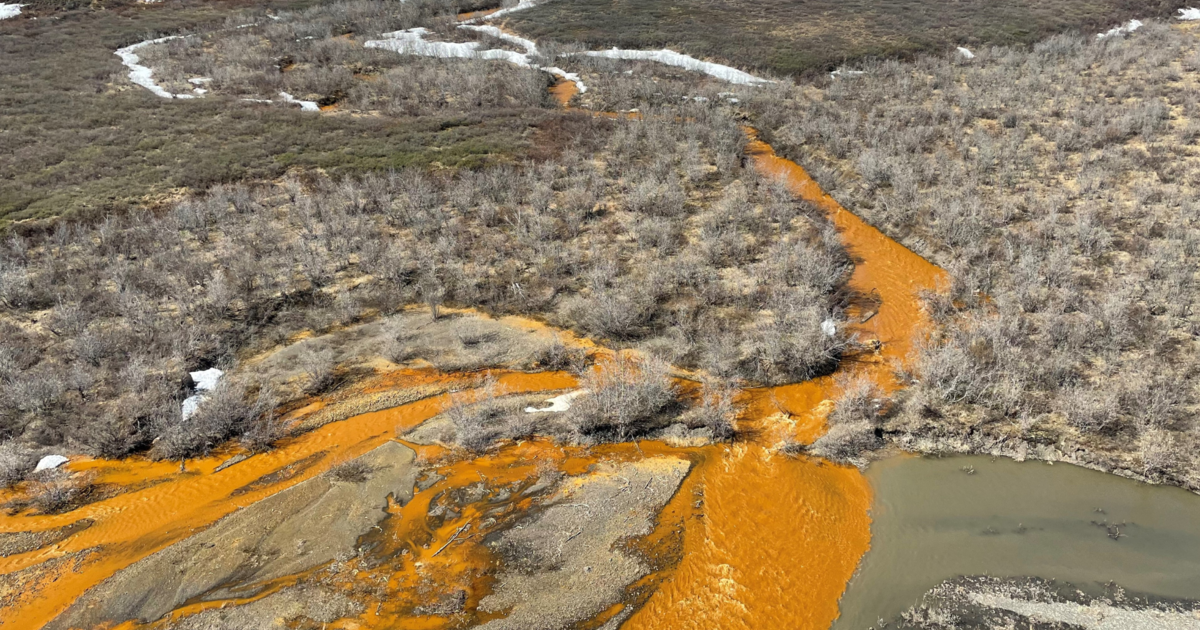
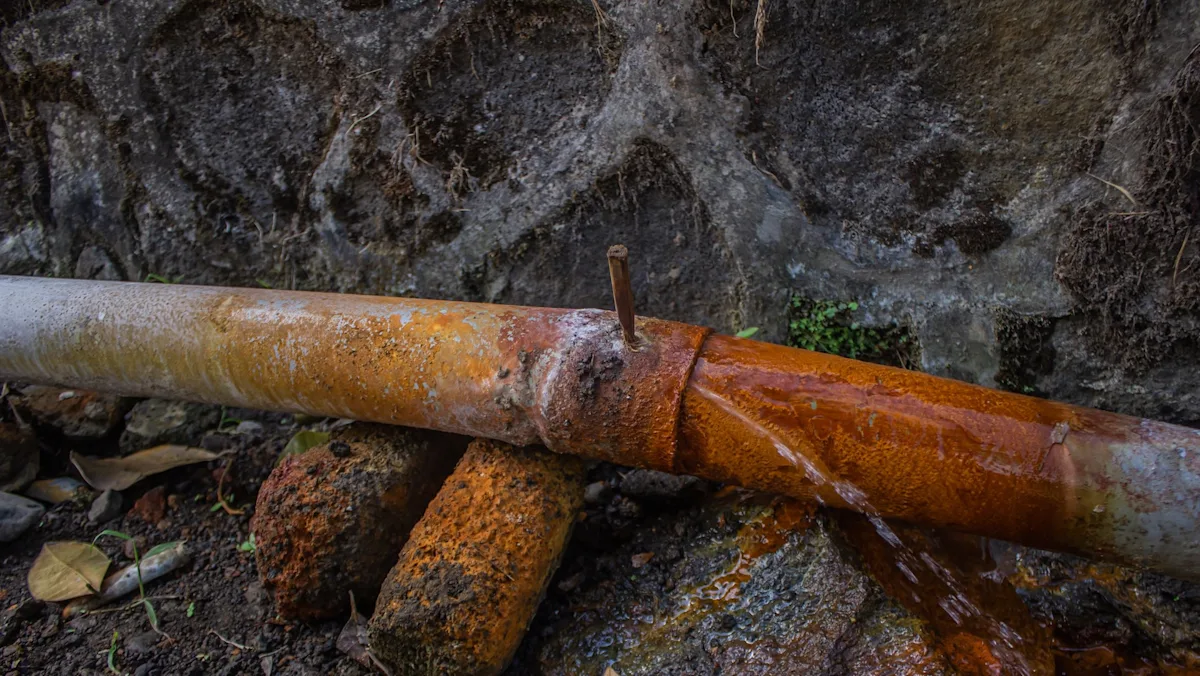
Researchers have discovered that Alaska's rivers are turning orange due to thawing permafrost releasing minerals into the water, a phenomenon linked to climate change. This discoloration, visible even from space, poses risks to drinking water and fish populations, with elevated levels of metals like iron, zinc, and copper making the water more acidic and potentially toxic. The issue is spreading, and scientists are studying its long-term impacts and potential recovery if permafrost refreezes.
Dozens of rivers and streams in Alaska are turning rusty orange due to thawing permafrost, which releases minerals into the water and increases its acidity, dissolving metals like zinc, copper, cadmium, and iron. This phenomenon poses a risk to drinking water and fisheries in the Arctic, with observed impacts on aquatic health and local fish species. The researchers are working to understand the long-term implications and are collaborating with tribal liaisons to provide accurate information to local communities.
Scientists have introduced a new method to detect pharmaceutical toxins in water, addressing the environmental and public health threats posed by the release of active pharmaceutical ingredients and other chemicals into the environment through manufacturing, use, and disposal. The traditional methods for treating these chemicals are often insufficient, leading to direct and indirect threats to human health and the environment, such as increased antibacterial resistance when antibiotics enter waterways.
Boiling tap water could remove up to 90% of microplastics, with the process involving the formation of calcium carbonate crystals around the microplastics that can be filtered out. Microplastics are increasingly found in drinking water and food supplies and have been found to affect the gut microbiome. Chronic exposure to microplastics can lead to various health issues, particularly affecting low-income and Indigenous communities. Maintaining a healthy gut microbiome through pre- and probiotic supplements, fermented foods, fiber-rich foods, omega-3s, polyphenols, and binders may help mitigate the effects of microplastic consumption.
New research suggests that boiling and filtering water could reduce microplastics in drinking water by up to nearly 90 percent, as reported in the journal Environmental Science & Technology Letters. The study found that boiling water, especially "hard" water with high mineral concentrations, can solidify and encapsulate the plastic particles, making them easier to remove through simple filtration. While more research is needed to understand the health risks of consuming microplastics, boiling water also offers benefits in killing harmful microbes. However, the effectiveness of this method may vary depending on water quality and regional differences.
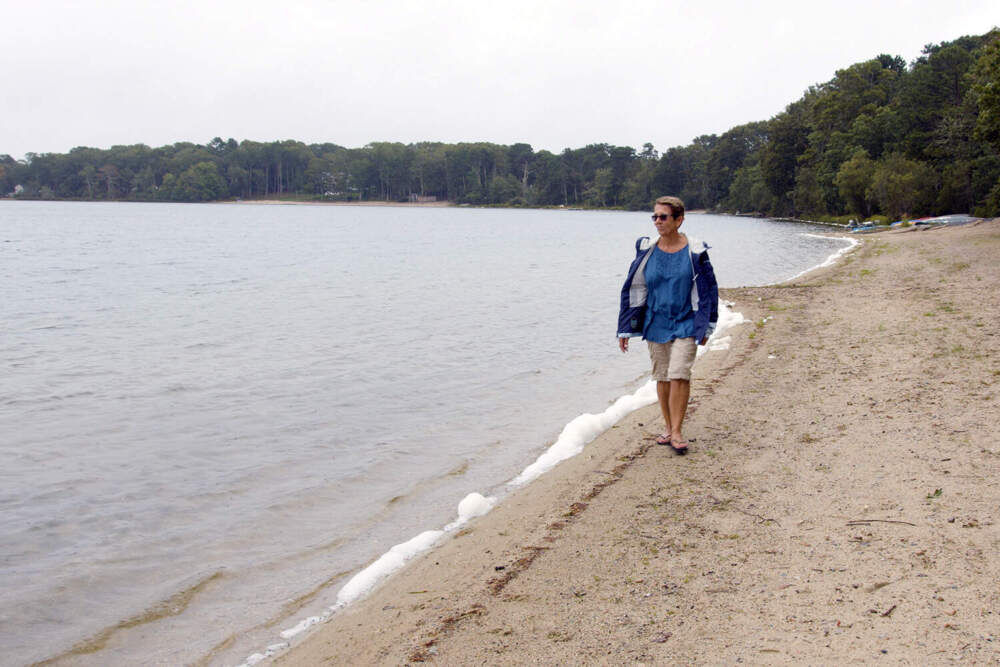
Cape Cod is facing worsening water pollution due to algal blooms caused by septic systems leaching nitrogen and phosphorus into the groundwater, leading to low-oxygen dead zones in coastal bays and ponds. The cleanup efforts are estimated to cost billions, with towns like Barnstable planning to switch to sewage pipes and upgrade treatment plants, while some residents are opting for new improved septic systems designed to remove nitrogen. The high costs and disruptive construction pose significant challenges, but the urgency to preserve the region's ecosystems, economies, and property values is driving communities to seek solutions before it's too late.
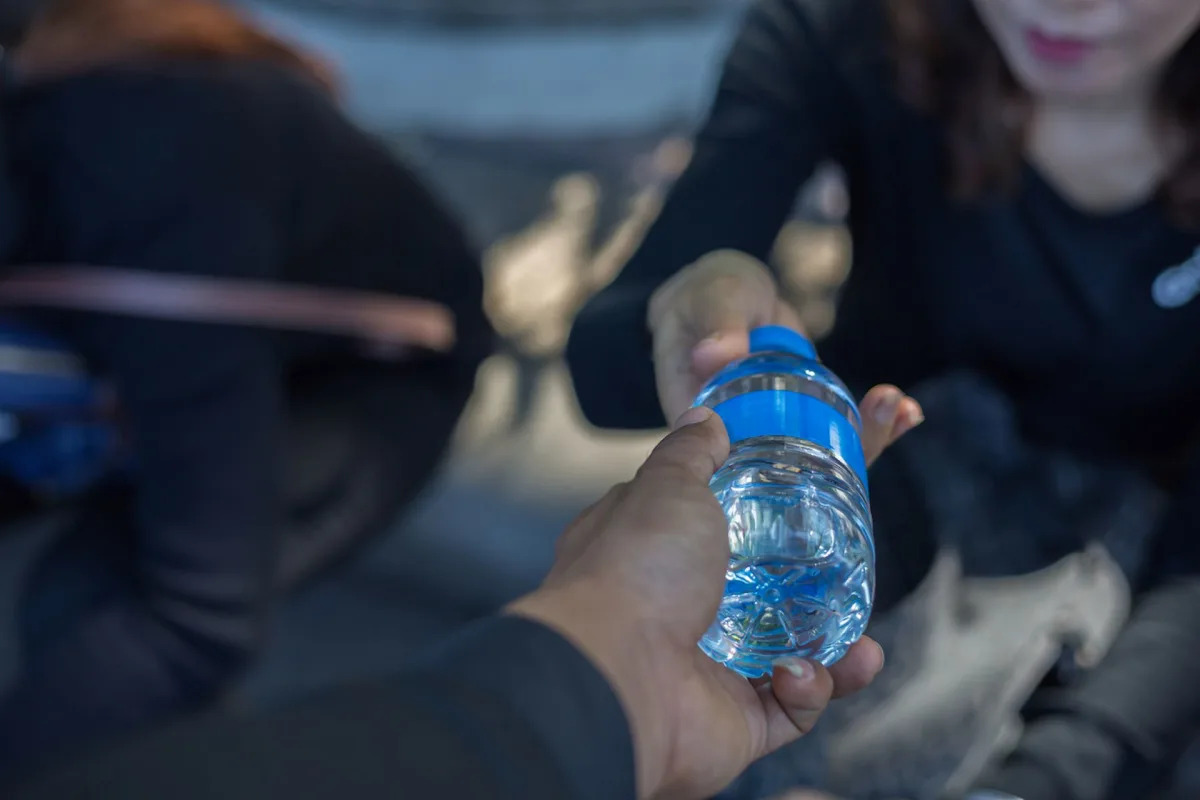
Researchers at Columbia and Rutgers have used new laser technology to detect nearly a quarter of a million nanoplastics per liter in bottled water, about 10 to 100 times more than previously estimated. Nanoplastics, smaller than one micrometer, can invade cells, damage DNA, and negatively affect human health and the environment. Individuals can reduce exposure by avoiding plastic water bottles and harmful plastic types, while researchers are working on biodegradable plastics and methods to prevent plastic particles from entering waterways.
Israel's military has reportedly begun pumping seawater into tunnels used by Hamas in Gaza, with the aim of dismantling the network and weakening Palestinian armed groups. However, experts warn that this flooding could have damaging ecological effects, including the pollution of Gaza's already devastated water supply and damage to its crops. The flooding plan could potentially breach international humanitarian law, and concerns have been raised about the safety of Israeli captives who may be held in the tunnels. The long-term damage to the environment and the essential water needs of the civilian population are also major concerns.
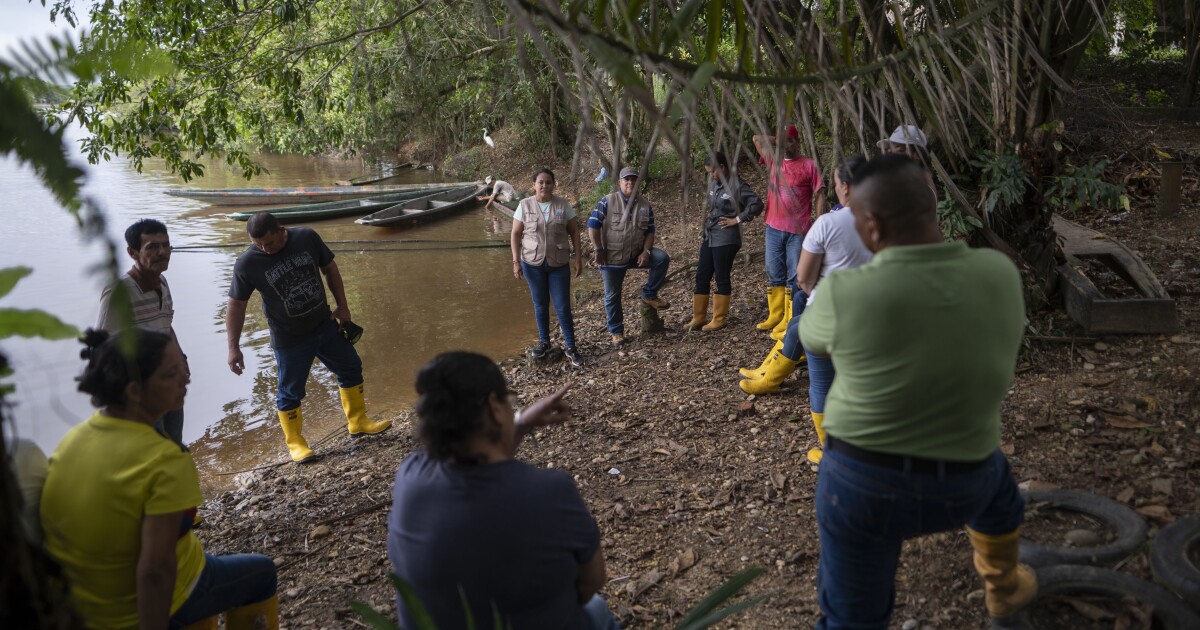
Colombia has been ranked as the most dangerous country in the world for environmental defenders, with 60 green activists murdered last year, according to a report by Global Witness. The country's rich biodiversity and natural resources make it a target for criminal gangs involved in illegal activities such as logging and mining. Environmentalists who speak out against water pollution and land rights violations face threats, violence, and even assassination attempts. Despite some improvements in security, successful prosecutions are rare, leading to a culture of impunity.
Sonu Shivdasani, founder of Soneva and Six Senses hotel brands, suggests two indicators of a sustainable hotel: the absence of branded water, which reduces single-use plastic bottles and potential chemical pollution, and the use of refillable ceramic bottles for toiletries instead of plastic containers. Shivdasani emphasizes the economic benefits of sustainability, such as cost savings from solar energy and on-site produce, and challenges the notion that operating sustainably is more expensive. He also highlights the importance of businesses taking responsibility for sustainability and introduces a guest environmental levy to fund initiatives that address carbon emissions and support various projects.