Tag

Cape Cod

All articles tagged with #cape cod

Coastal Storm Brings Winds, Snow, and Flood Risks to Massachusetts Coast
weather24 days ago

Coastal Storm Brings Winds, Snow, and Flood Risks to Massachusetts Coast

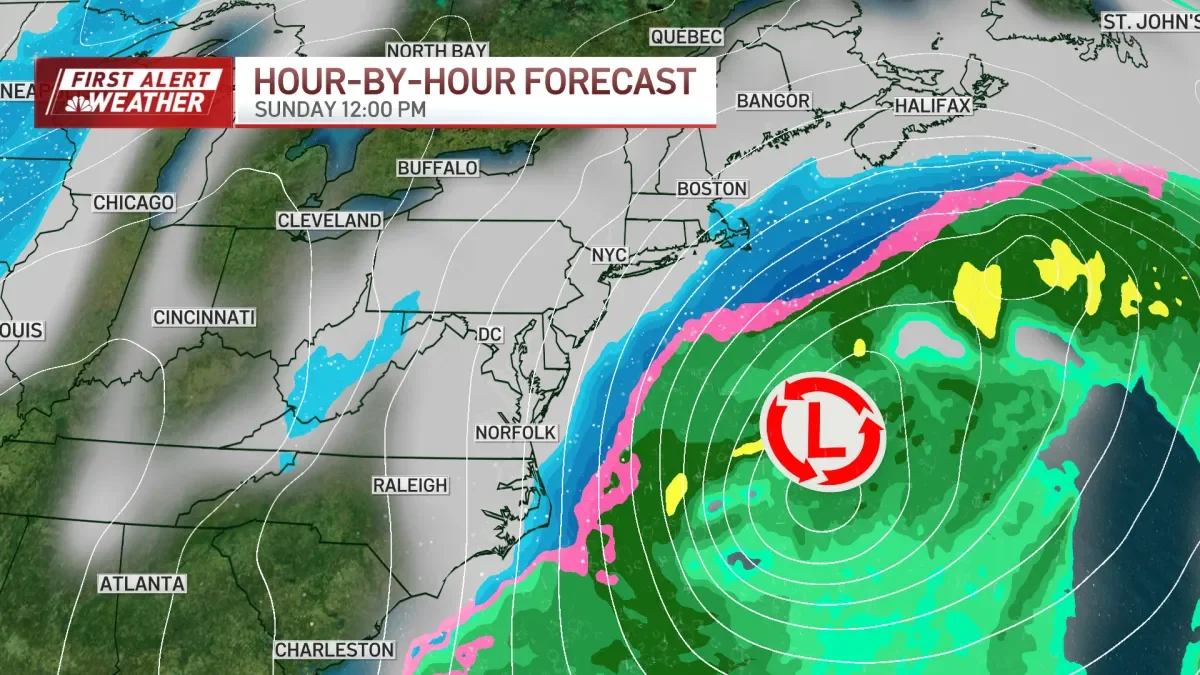
A coastal storm will skim the Massachusetts coast, bringing gusty winds of 40–50+ mph, a risk of coastal flooding on the Cape, South Shore and North Shore, and snow accumulations mainly 1–3 inches (Nantucket nearer 4 inches) with parts of Cape Cod and the Islands possibly reaching about 5 inches. The highest impacts are expected Sunday morning through Monday afternoon around high tides; cold air will keep snow and ice in place, delaying melt into next week.

Bomb Cyclone Weekend Threat Targets Cape Cod and Coastal MA
weather27 days ago

Bomb Cyclone Weekend Threat Targets Cape Cod and Coastal MA

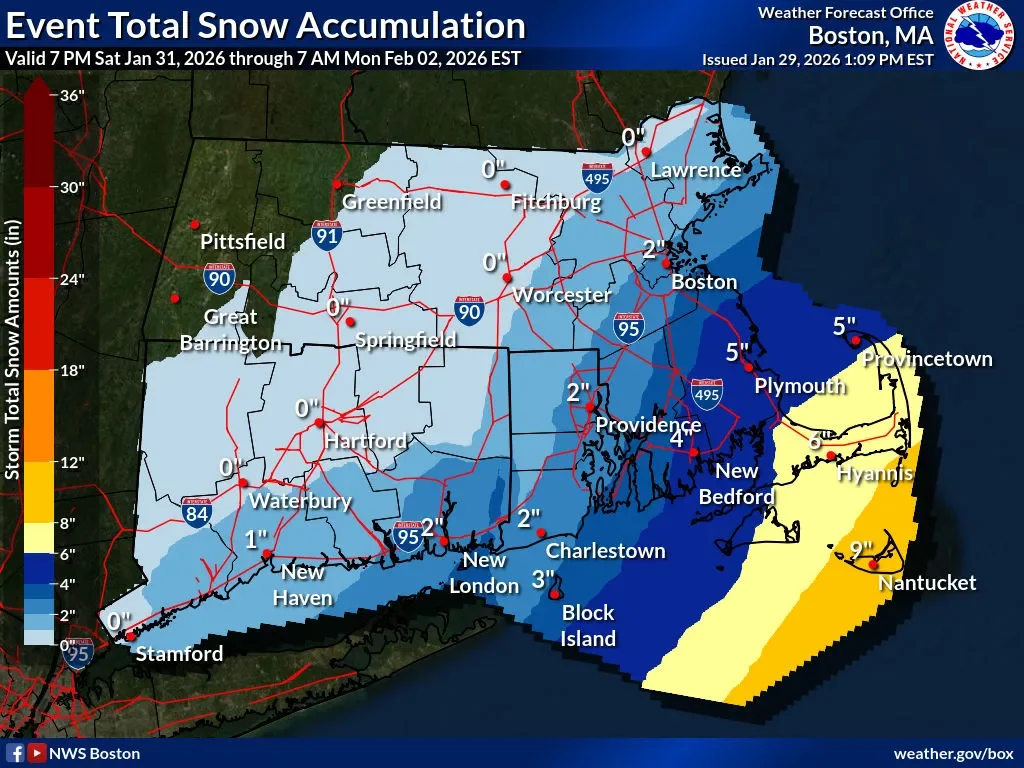
A bomb cyclone nor'easter is forecast to sweep Massachusetts this weekend, delivering heavy snow (about 6 inches or more in parts, including Cape Cod and the Islands), 50–55 mph wind gusts, and coastal flooding due to a full moon; blizzard-like conditions could develop on Cape Cod, Nantucket and Martha’s Vineyard Sunday, with travel disruptions and potential power outages.

Public health alert issued as flesh-eating bacteria detected in Cape Cod waters
health6 months ago

Public health alert issued as flesh-eating bacteria detected in Cape Cod waters

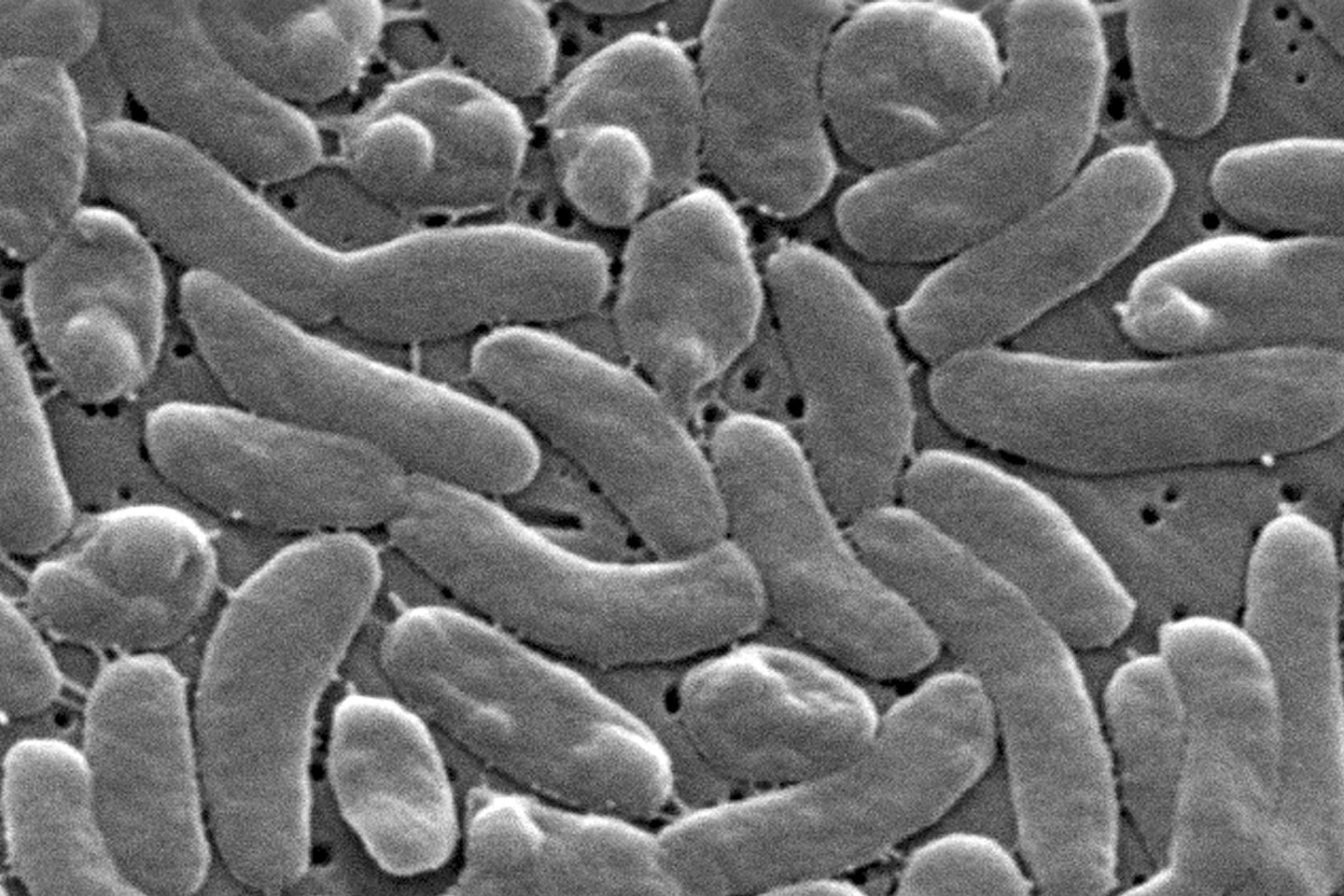
A case of flesh-eating Vibrio vulnificus bacteria has been confirmed at Cape Cod, Massachusetts, marking a concerning spread of this bacteria beyond its usual Gulf Coast range, likely due to rising ocean temperatures linked to climate change. The bacteria pose serious health risks, especially to those with open wounds or compromised immune systems, and are commonly contracted through seawater exposure or eating raw seafood. Precautions include avoiding swimming with open cuts and thoroughly cooking seafood.

Multiple Flesh-Eating Bacteria Cases Reported at Cape Cod and Louisiana Beaches
local6 months ago

Multiple Flesh-Eating Bacteria Cases Reported at Cape Cod and Louisiana Beaches

A swimmer at Old Silver Beach in Falmouth contracted a rare Vibrio vulnificus infection, which can cause severe illness including flesh-eating disease, prompting health officials to warn the public about the risks of coastal water exposure, especially for vulnerable groups. The bacteria thrive in warm, salty waters, and precautions such as avoiding open wounds in the water are advised to prevent infection.

Rising Ocean Temperatures Elevate Flesh-Eating Bacteria Risks for Swimmers
health6 months ago

Rising Ocean Temperatures Elevate Flesh-Eating Bacteria Risks for Swimmers

A rare case of Vibrio vulnificus infection, a bacteria that can cause flesh-eating disease, has been confirmed in Cape Cod, prompting health advisories for residents and visitors to take precautions when swimming or consuming shellfish in warm coastal waters, especially for vulnerable groups. The bacteria thrive in warm, salt or brackish waters, and rising temperatures are leading to more cases further north.

Hepatitis A Alert for Cape Cod Restaurant Patrons
health9 months ago

Hepatitis A Alert for Cape Cod Restaurant Patrons

Diners at The Red Inn in Provincetown, Massachusetts, may have been exposed to hepatitis A due to a food service employee infected with the virus between April 30 and May 15. The health department recommends those potentially exposed to consult healthcare providers and consider vaccination, especially if they are under 34 or unvaccinated. Hepatitis A spreads through contact with infected feces or contaminated food and drinks, and symptoms include fever, fatigue, and jaundice.

Rabid Raccoon Found on Cape Cod Sparks Health Alert
health1 year ago

Rabid Raccoon Found on Cape Cod Sparks Health Alert

A raccoon found dead in Eastham, Cape Cod, tested positive for rabies, prompting state health officials to urge anyone who had contact with the animal to seek a risk assessment. The raccoon, identified by porcupine quills, was tested by the US Centers for Disease Control and Prevention. Rabies is a deadly but preventable virus spread through saliva, and residents are advised to contact health authorities for post-exposure prophylaxis.