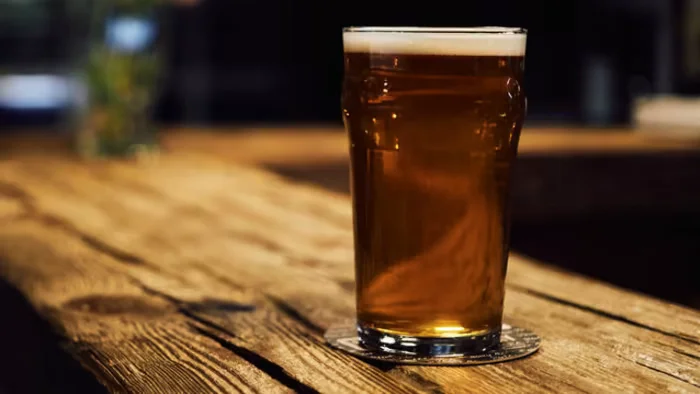
Detroit brewery hits pause after 31-year run
Detroit's longtime brewery staple is taking a break after 31 years, pausing operations for now.

All articles tagged with #beer
Detroit's longtime brewery staple is taking a break after 31 years, pausing operations for now.
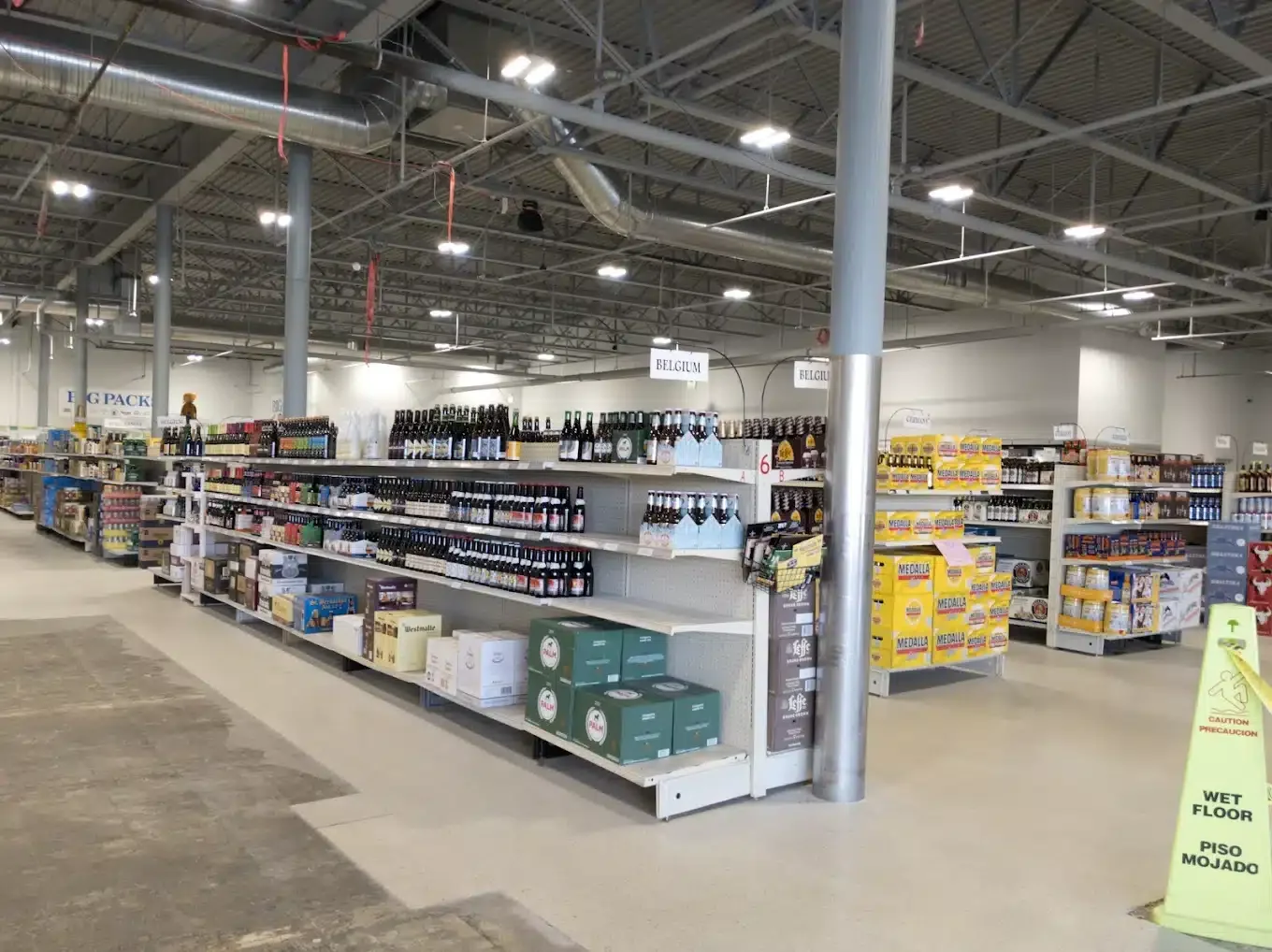
Two longstanding breweries in the Rochester area, Beers of the World and Fifth Frame Brewing Company, are closing due to economic and industry shifts, marking a significant change in the local craft beer scene.

The 2025 Great American Beer Festival in Denver showcased winners across 108 beer categories, highlighting popular styles like IPAs and lagers, with new categories reflecting evolving trends. Awards were given in various beer and cider styles, with breweries of different sizes recognized as Brewery of the Year and Cidermaker of the Year.
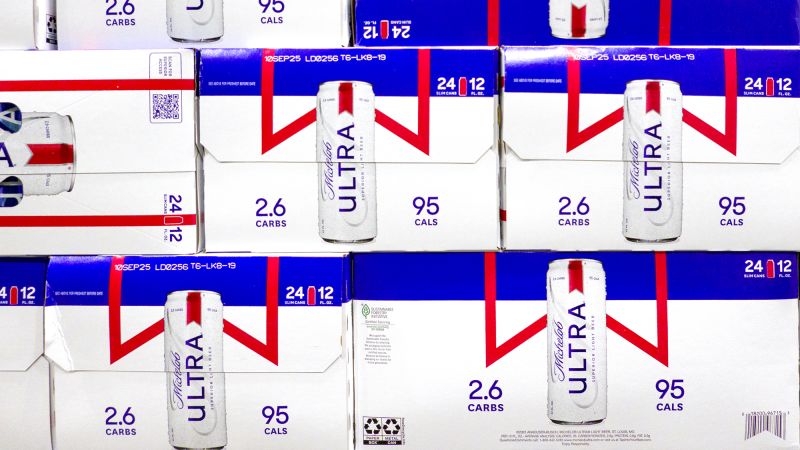
Michelob Ultra has become the top-selling beer in the US, overtaking Modelo Especial, driven by successful marketing and the launch of Michelob Ultra Zero, amidst a challenging industry environment and previous setbacks for Bud Light.
A study found that 95% of beers tested in the U.S. contain PFAS 'forever chemicals,' especially in areas with contaminated water sources, raising concerns about environmental persistence and health risks, and highlighting the need for improved water treatment and regulation.
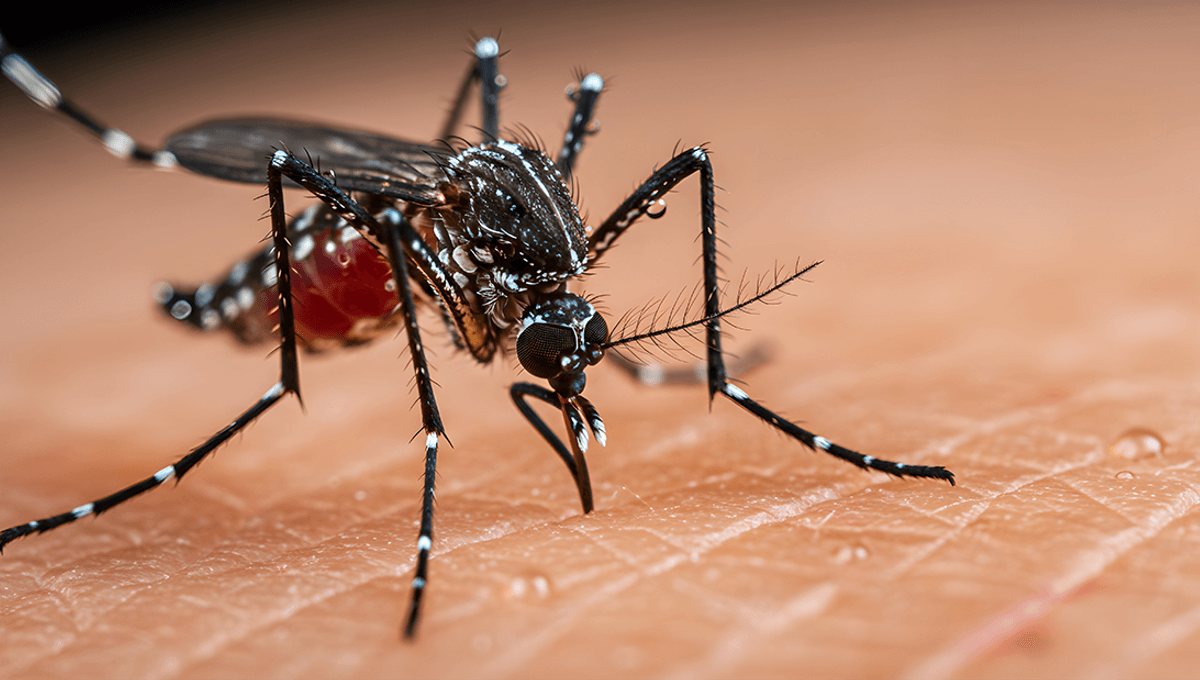
A study at a Dutch music festival found that mosquitoes prefer individuals who have consumed beer, haven't showered, and haven't applied sunscreen, with skin microbiota and behavior influencing attraction; however, factors like blood type were not supported as influential, and further research is needed.
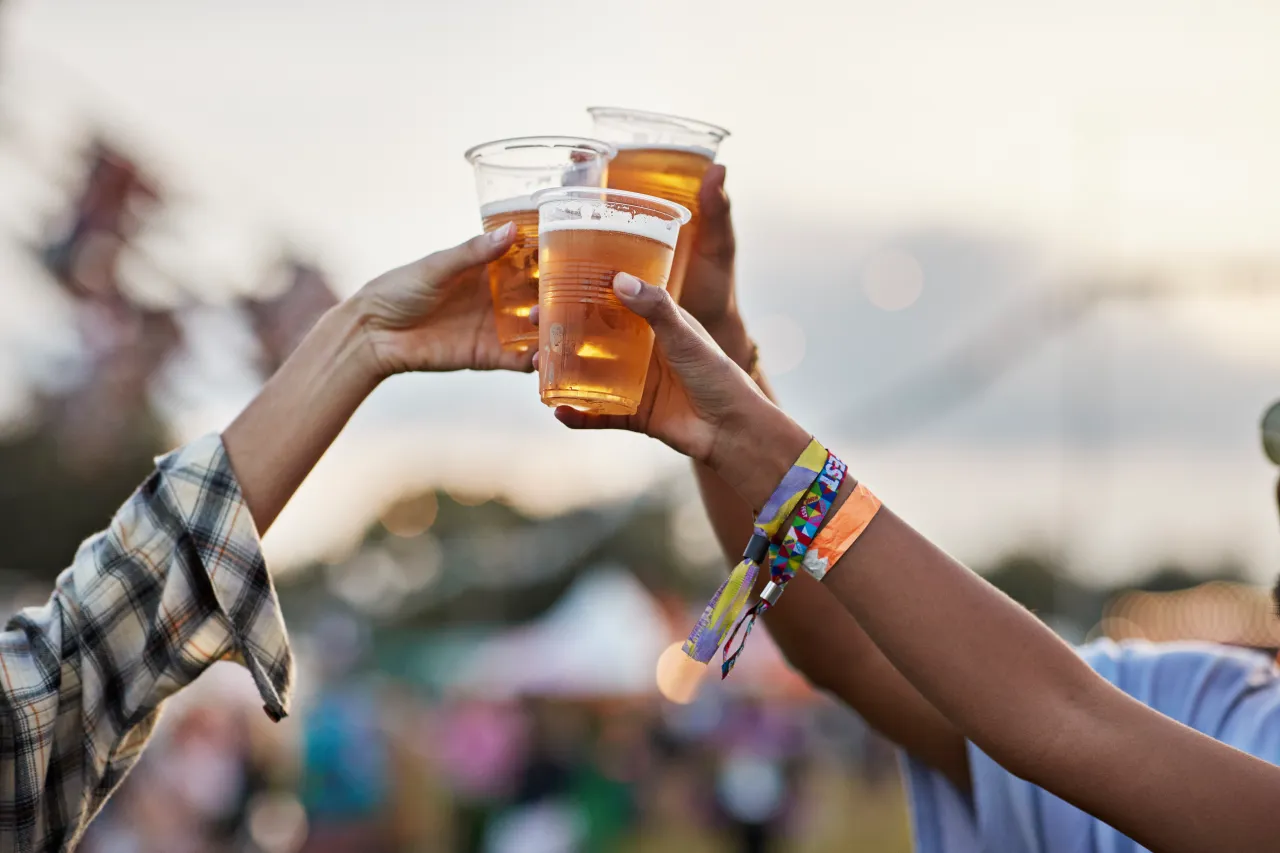
A study by Radboud University Nijmegen found that mosquitoes are more attracted to beer drinkers, especially those who avoid sunscreen and share beds, with beer drinkers being 1.35 times more likely to encounter mosquitoes at a festival in Amsterdam.
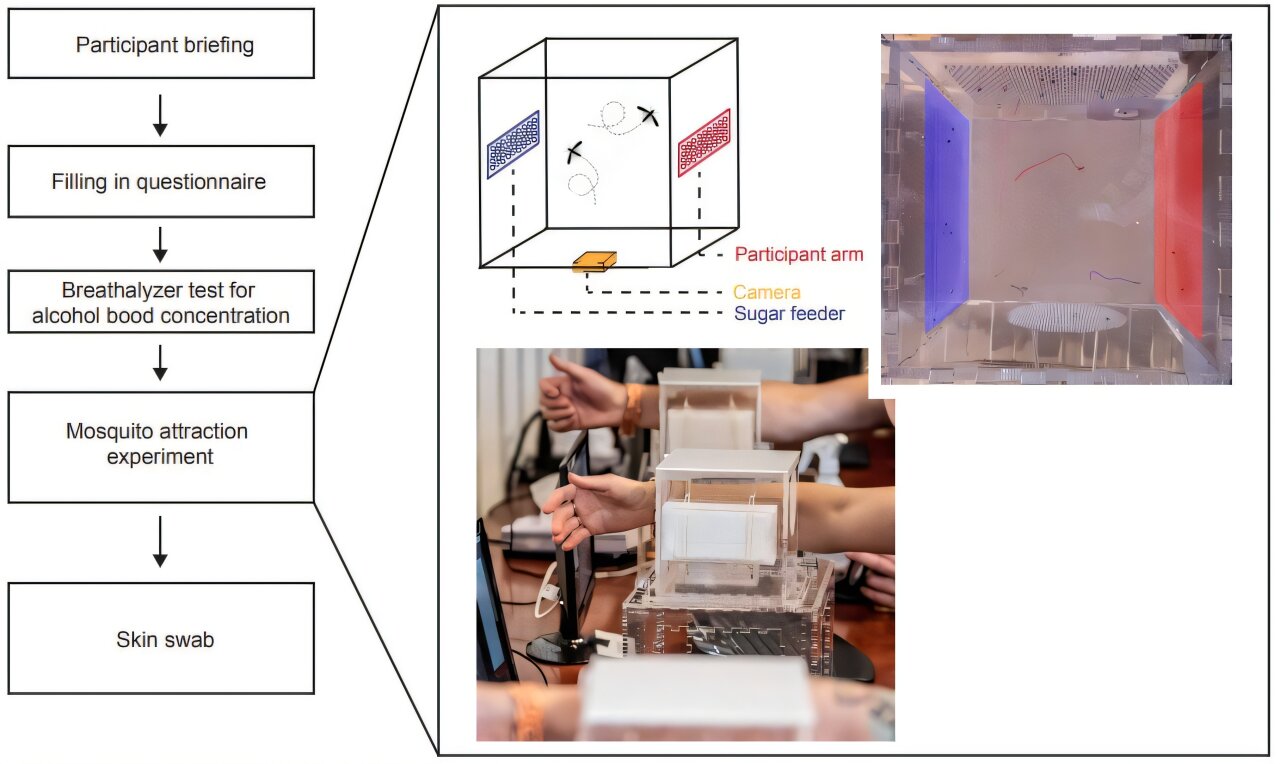
A study at a Dutch music festival found that people who drank beer, shared a bed, or avoided sunscreen were more attractive to mosquitoes, highlighting factors that influence mosquito biting preferences and potential ways to reduce bites for public health benefits.
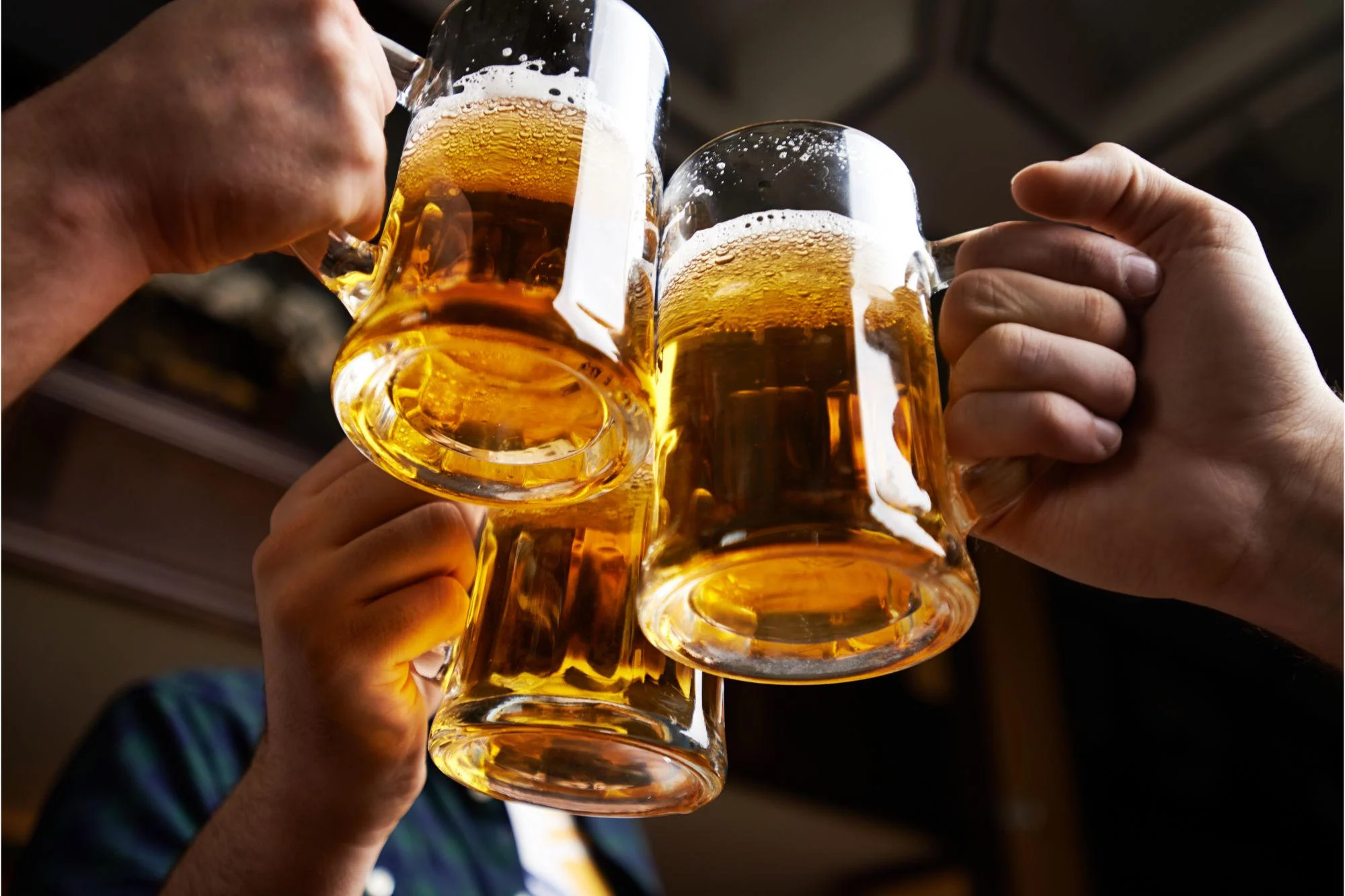
A study found that 95% of tested beers in the U.S. contain toxic forever chemicals (PFAS), especially in regions with contaminated water supplies, raising concerns about environmental and health impacts.

Philadelphia Eagles' Pro Bowl guard Landon Dickerson, currently injured, surprised Browns players by bringing a cooler of beer to their joint practice, sharing a friendly moment despite his recent meniscus injury and upcoming surgery.

To avoid 'hangxiety,' or anxiety after drinking, experts suggest opting for low-alcohol options like beer and hard seltzer, which have fewer congeners that contribute to hangover symptoms. Dark liquors like brandy and whiskey, as well as red wine, are more likely to cause anxiety due to their complex composition and higher levels of congeners. These drinks can lead to increased stress hormones and dehydration, exacerbating anxiety the next day.
A recent study suggests beer drinkers have lower diet quality and are less active compared to wine or liquor drinkers, but the findings are based on limited data and may not establish cause and effect. The study, using NHANES data, found beer drinkers scored lower on the Healthy Eating Index, but the overall diet quality of all groups was below recommended levels. The study highlights demographic differences among drinkers and suggests lifestyle recommendations, but these may not address underlying socioeconomic factors affecting nutrition.

A study presented at The Liver Meeting highlights that beer drinkers tend to have poorer diets and health behaviors compared to wine or liquor drinkers, which may contribute to increased risks of liver disease and other health issues. Beer drinkers scored lowest on the Healthy Eating Index and reported higher caloric intake and lower physical activity. The study suggests that the context in which alcohol is consumed, such as beer with low-fiber, high-carb foods, may influence these dietary patterns. Physicians are encouraged to consider the type of alcohol consumed when advising on lifestyle changes to prevent liver disease.
A study presented at The Liver Meeting by the American Association for the Study of Liver Diseases reveals that beer-only drinkers have poorer diets, higher caloric intake, and lower physical activity levels compared to those who consume wine, liquor, or a combination. Beer drinkers scored lowest on the Healthy Eating Index, while wine drinkers scored highest. The study suggests that social and contextual factors, such as the types of foods typically consumed with beer, contribute to these differences. Understanding these patterns can help guide interventions for preventing liver disease and promoting healthier lifestyles.

A study comparing the diets of over 1,900 US alcohol drinkers found that beer drinkers tend to have poorer diets, exercise less, and smoke more than those who drink wine, liquor, or a combination. Beer-only drinkers scored the lowest on the Healthy Eating Index, while wine drinkers scored the highest. The study suggests that dietary choices may influence alcohol preferences, with beer being popular in areas with low-fiber, high-carb diets. The findings highlight the importance of understanding the link between alcohol consumption and nutrition for managing liver health.