Tag

Volcanism

All articles tagged with #volcanism

science1 year ago

Juno Mission Challenges Understanding of Io's Volcanic Activity

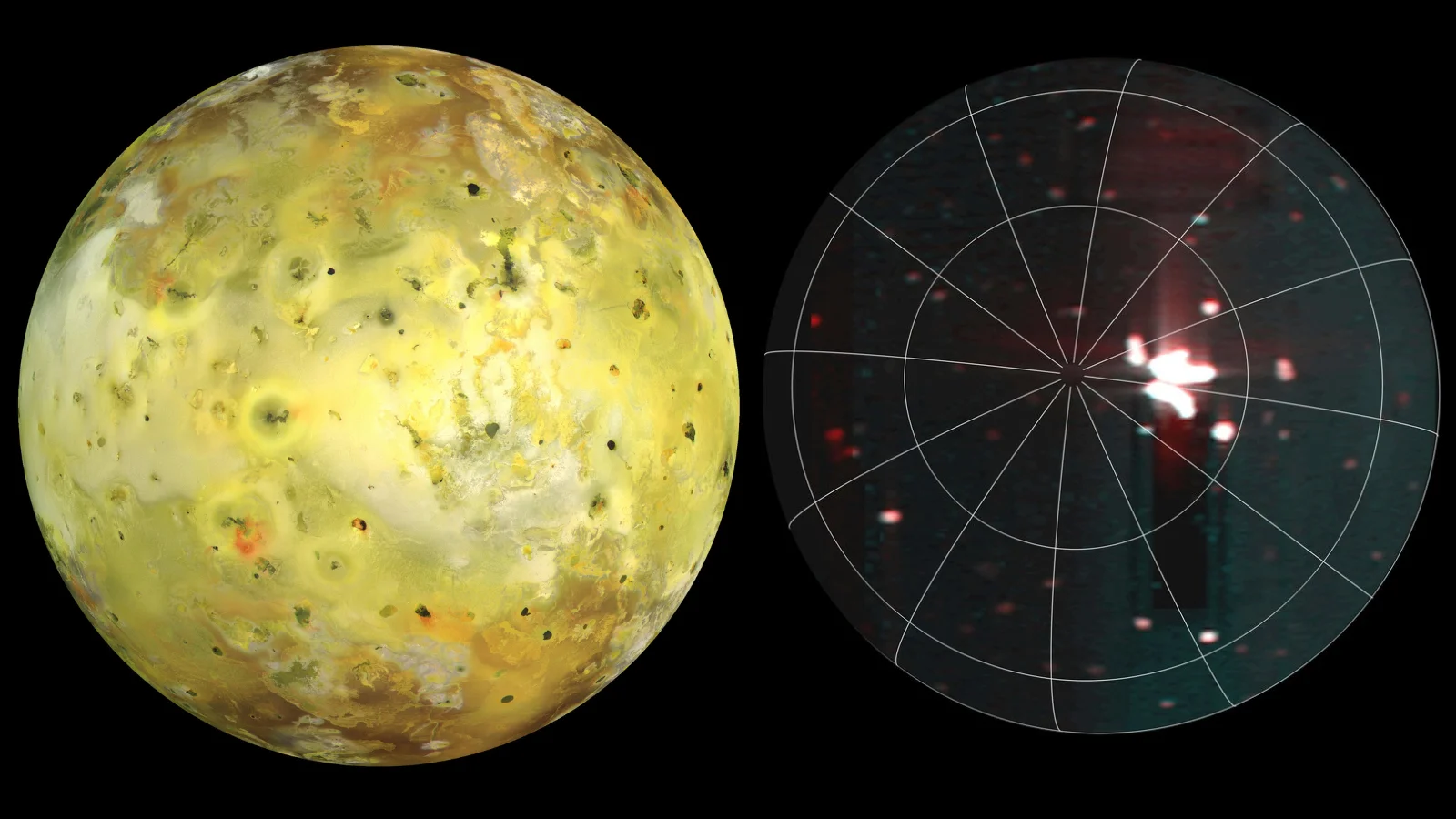
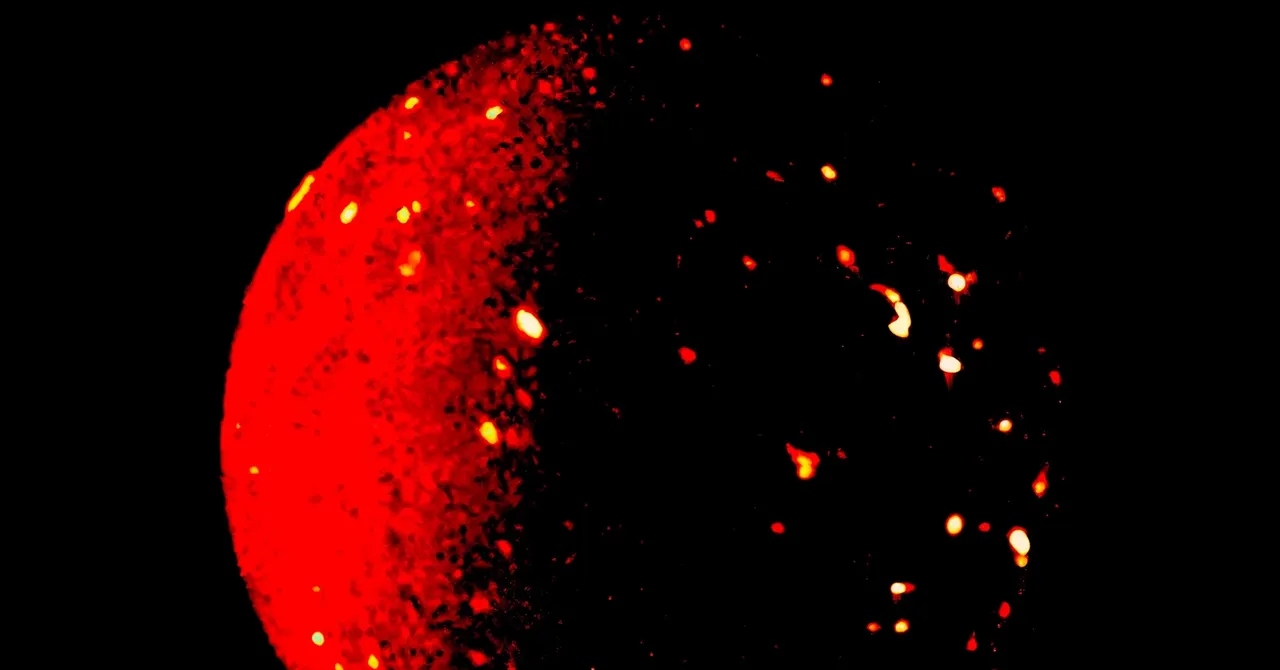
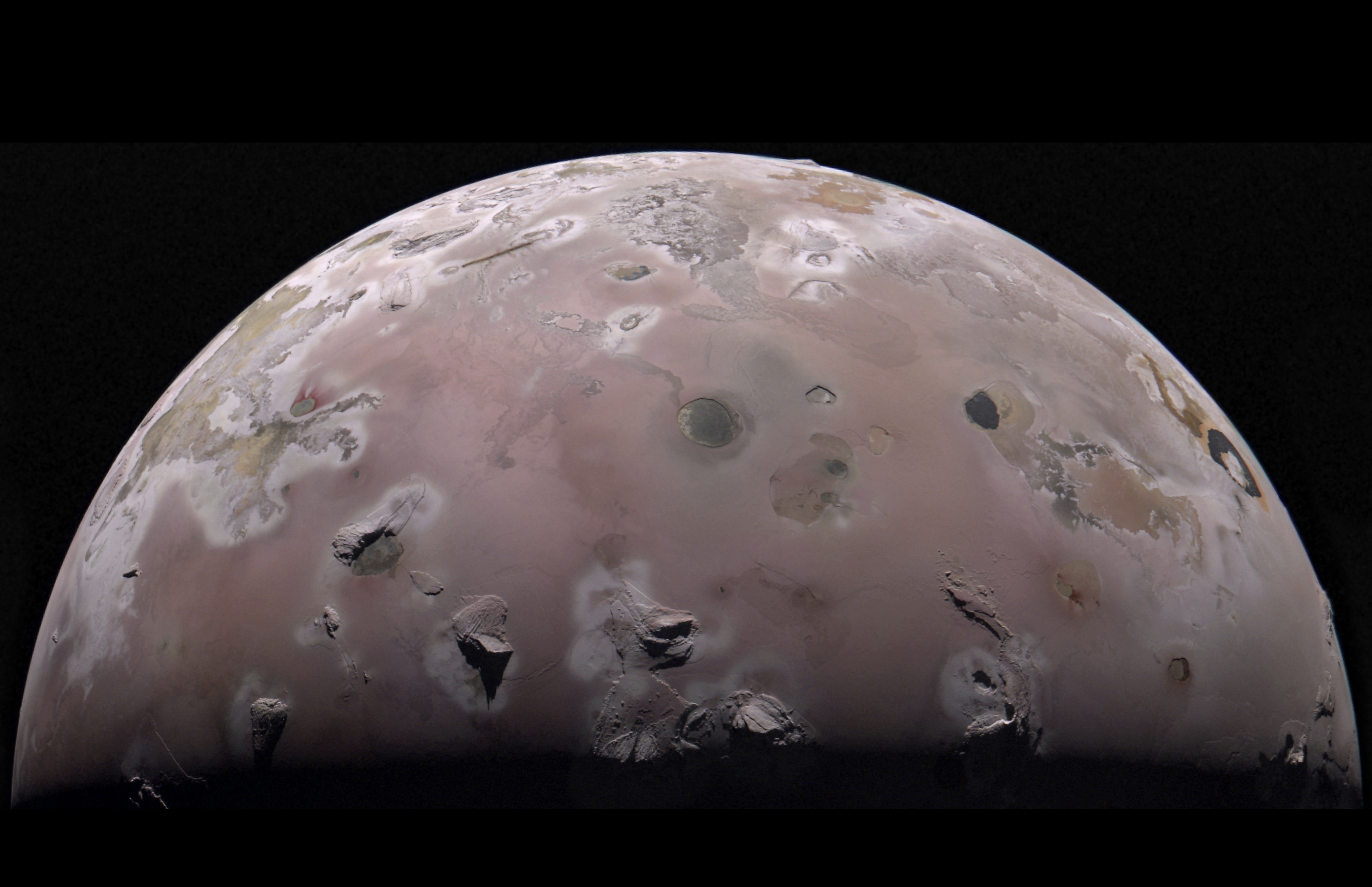
NASA's Juno mission has revealed that the volcanoes on Jupiter's moon Io are powered by individual magma chambers rather than a global magma ocean, solving a long-standing mystery about Io's volcanic activity. This discovery, based on data from Juno's close flybys, suggests that tidal flexing from Jupiter's gravitational pull generates internal heat, melting parts of Io's interior. The findings have broader implications for understanding other celestial bodies, including moons like Enceladus and Europa, as well as exoplanets.

science1 year ago

Reevaluating Venus: New Insights on Water and Habitability

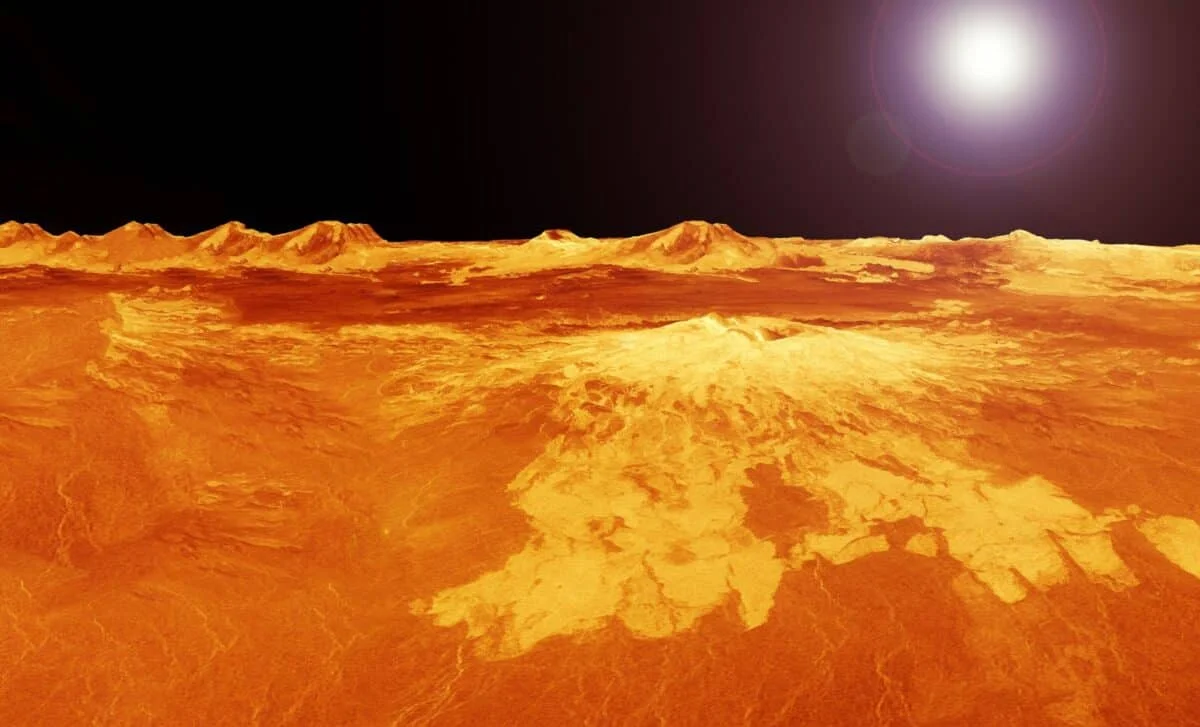
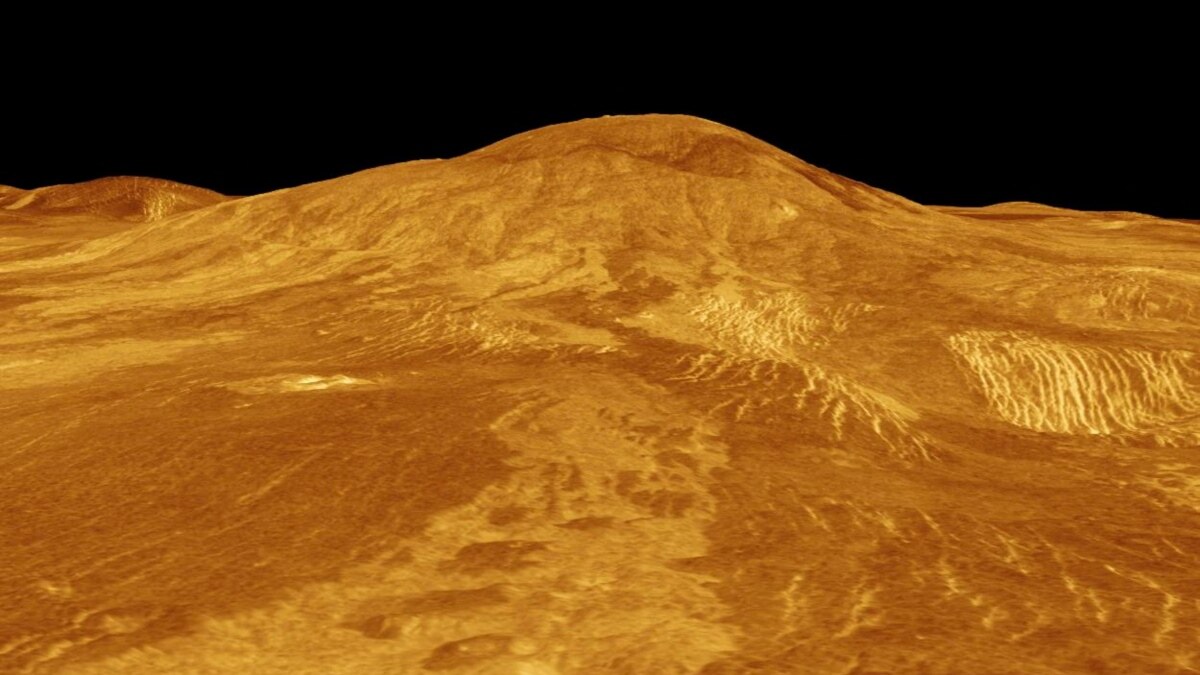
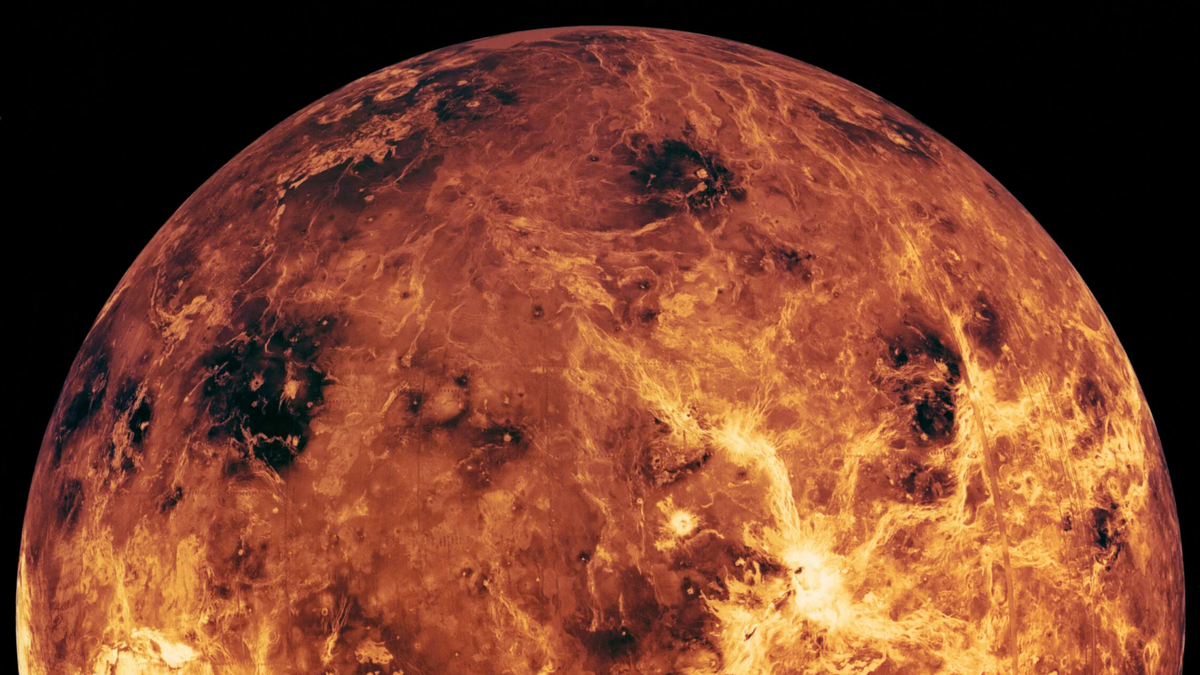
A new study by researchers from the University of Cambridge suggests that Venus likely never had liquid water on its surface, challenging previous theories that it might have once harbored oceans. The study, published in Nature Astronomy, analyzed the chemical composition of Venus' atmosphere and found that volcanic gases released on the planet contain less than 6% water vapor, indicating a very dry interior. This suggests Venus was never habitable, as water is crucial for supporting life.

science1 year ago

New Research Suggests Venus Never Had Oceans or Earth-like Life

New research from the University of Cambridge suggests that Venus never had oceans and was always a hot, inhospitable planet, challenging the idea that it could have once supported life. By analyzing the chemical composition of Venus's atmosphere, scientists found that its volcanic gases contain minimal steam, indicating a dry interior. This finding has implications for the search for habitable exoplanets, as it suggests Venus-like planets may not be suitable for life. NASA's upcoming DAVINCI mission may provide further insights into Venus's history.

science1 year ago

China's Moon Sample Unveils Unexpected Volcanic Activity

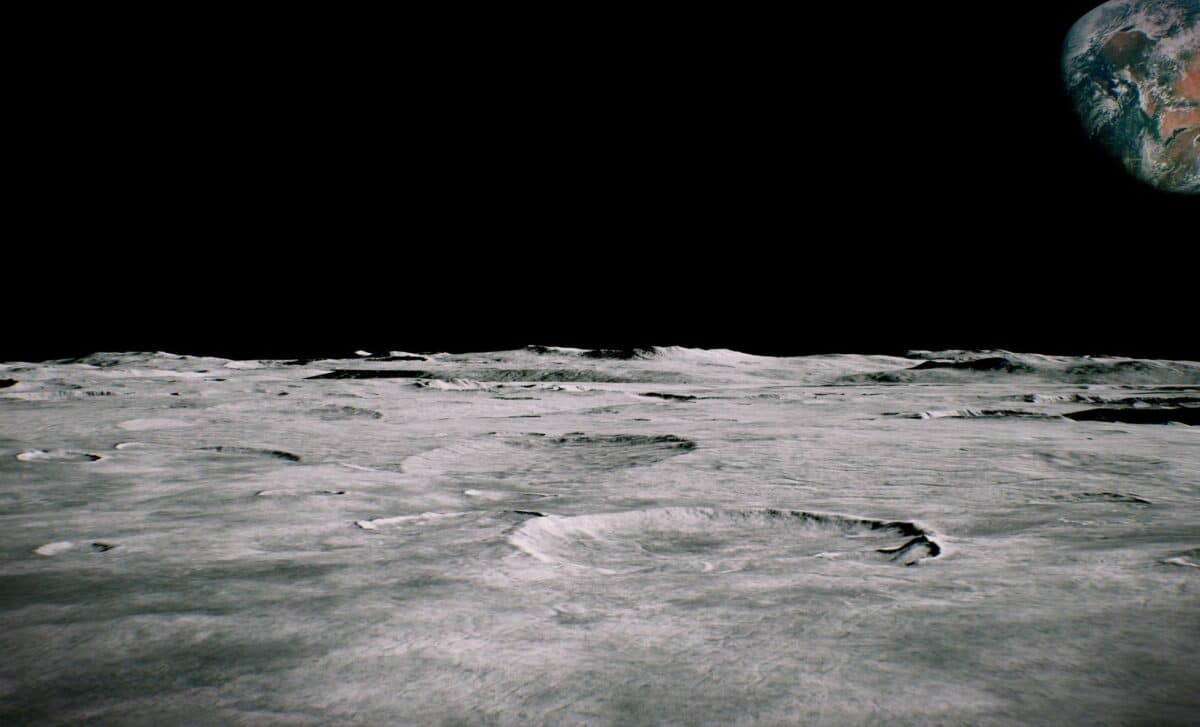
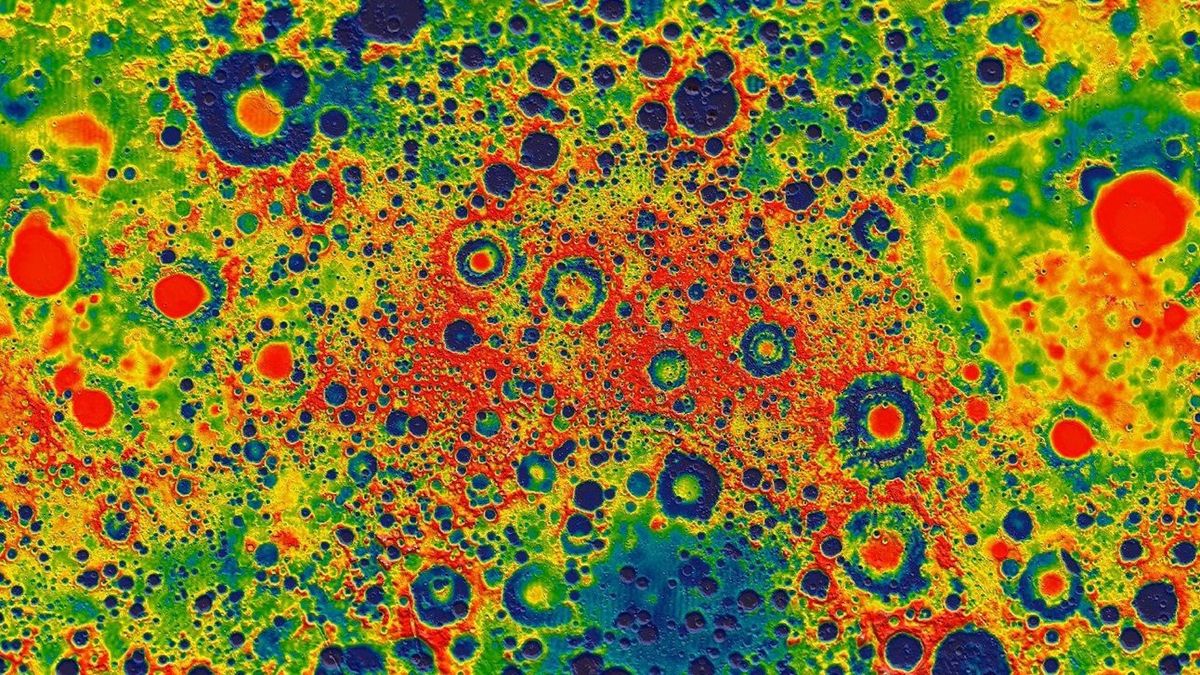
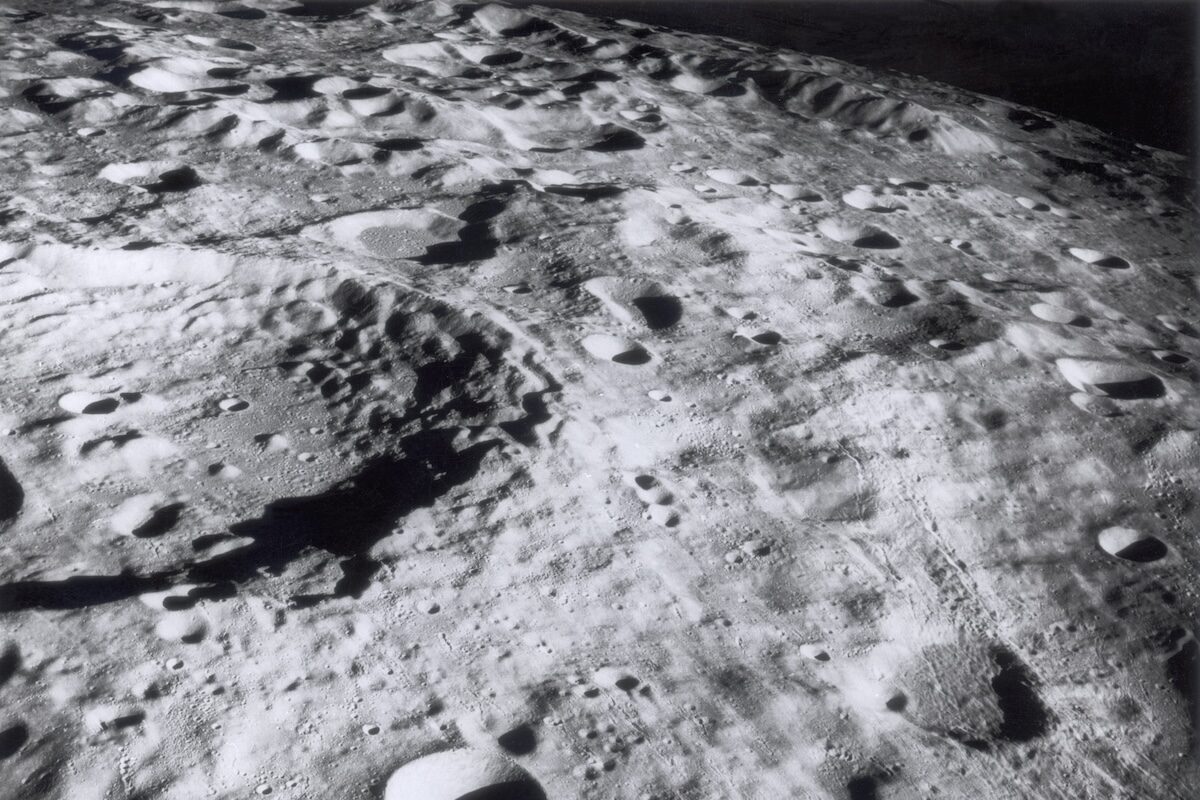
China's Chang'e 6 mission has returned the first samples from the moon's far side, revealing volcanic activity 2.8 billion years ago. The analysis of these basalt samples shows a lack of potassium, rare Earth elements, and phosphorus, possibly due to the South Pole-Aitken basin impact. This elemental imbalance may explain why the far side has fewer mare basalts compared to the near side, as the absence of radioactive elements like potassium and uranium could have reduced heat production and volcanic activity.

science1 year ago

Lunar Far Side Samples Unveil Ancient Volcanic Activity

China's Chang'e 6 mission has returned the first samples from the moon's far side, revealing volcanic activity 2.8 billion years ago. The analysis of these basalt samples shows a lack of potassium, rare Earth elements, and phosphorus, possibly due to the South Pole-Aitken basin impact. This elemental imbalance may explain why the far side has fewer mare basalts compared to the near side. The findings provide new insights into the moon's geological history and the differences between its two sides.

science1 year ago

Volcanic Activity Unveiled on Moon's Far Side by New Studies

Recent findings from China's Chang'e 6 mission, which returned samples from the Moon's far side, suggest that volcanic activity there may have occurred more recently than previously thought. The samples, containing basalt fragments, indicate volcanic activity around 2.8 billion years ago, younger than those from earlier missions. This challenges existing theories, as these samples lack KREEP elements, typically associated with volcanic heat sources, raising questions about the Moon's geological history and internal heat mechanisms.

science1 year ago

Distant Planet's Sulphur Atmosphere Suggests Volcanic Activity

Scientists have found tentative evidence of a sulphur-rich atmosphere on the exoplanet L 98-59 d, located 35 light years away. This super-Earth, 1.5 times the size of Earth, may have an atmosphere containing sulphur dioxide and hydrogen sulphide, suggesting a volcanic or molten surface. The discovery, made using the James Webb Space Telescope, highlights the diversity of planetary atmospheres and the potential for extreme conditions on exoplanets. Further observations are needed to confirm these findings.

science1 year ago

Unraveling the Mystery of China's Dinosaur 'Pompeii'

Recent research has revised the understanding of fossil preservation in China's Yixian Formation, suggesting that the well-preserved dinosaur fossils were not the result of volcanic activity, as previously thought, but rather due to natural sediment processes like burrow collapses and rainy periods. This challenges the "Chinese Pompeii" theory and highlights the role of ordinary events in fossilization. The study used advanced dating techniques to determine that these fossils were preserved over a period of less than 93,000 years, during which sedimentation rapidly buried the remains in oxygen-free environments.

science1 year ago

Webb Telescope Discovers Unusual Planet 35 Light Years Away

The James Webb Space Telescope has detected unusual atmospheric data from exoplanet L98-59d, 35 light years away, suggesting a thick, sulfurous atmosphere possibly due to volcanic activity. However, the data is considered noisy and tentative, with some scientists skeptical about the conclusions. The findings highlight the challenges of studying distant exoplanet atmospheres and the need for further observations to confirm these initial results.

astronomy1 year ago

"New Telescope Tech Reveals Sharp Images of Volcanic Moon Io"

Astronomers have captured the highest resolution images of Jupiter's moon Io using the SHARK-VIS instrument on the Large Binocular Telescope in Arizona. These images reveal unprecedented details of Io's volcanic activity, including a major resurfacing event around the volcano Pele. This technological advancement allows Earth-based telescopes to achieve spatial resolutions previously possible only with spacecraft, enhancing our understanding of volcanic processes in the solar system.

science1 year ago

"Martian Meteorites Unveil Hidden Secrets of the Red Planet"

Scientists at Scripps Institution of Oceanography have analyzed Martian meteorites found on Earth, providing new insights into Mars' formation and evolution. The study of nakhlites and chassignites, which originated from the same Martian volcano, reveals details about Mars' crust and mantle, aiding current NASA missions like Perseverance. The findings highlight similarities and differences between Martian and Earth volcanism, offering a glimpse into the early geological processes of both planets.