Tag

Magma Ocean

All articles tagged with #magma ocean

science21 days ago

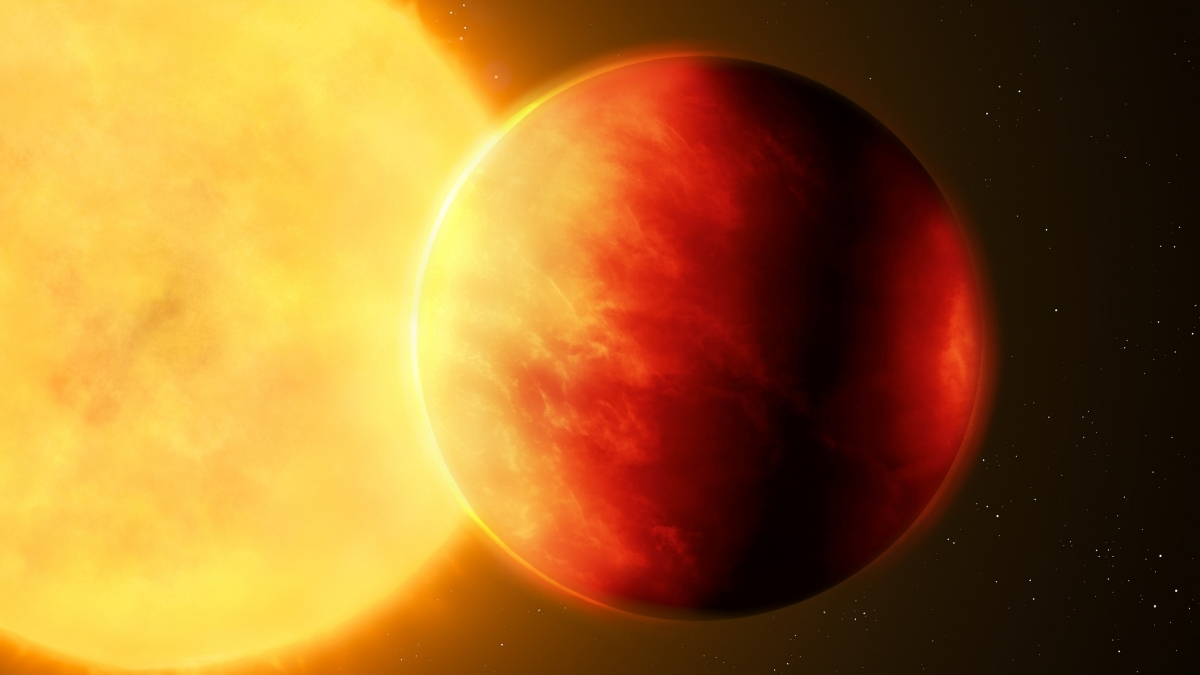
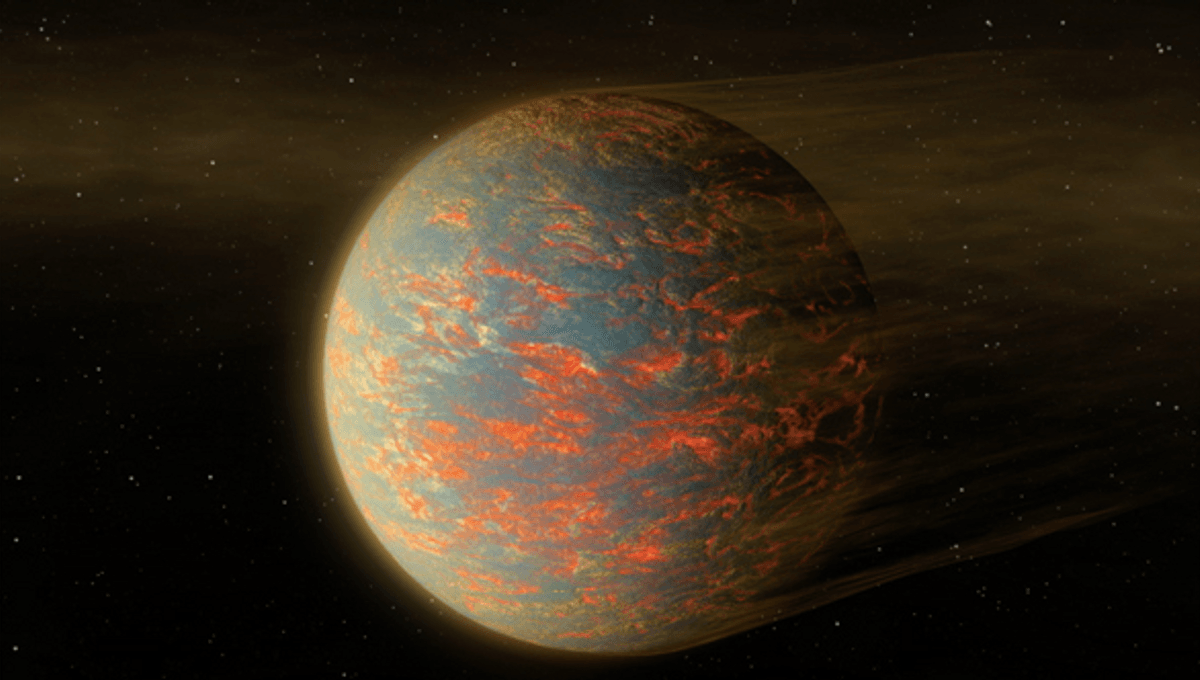
Webb Telescope Discovers Unexpected Atmosphere on Hot Lava Exoplanet

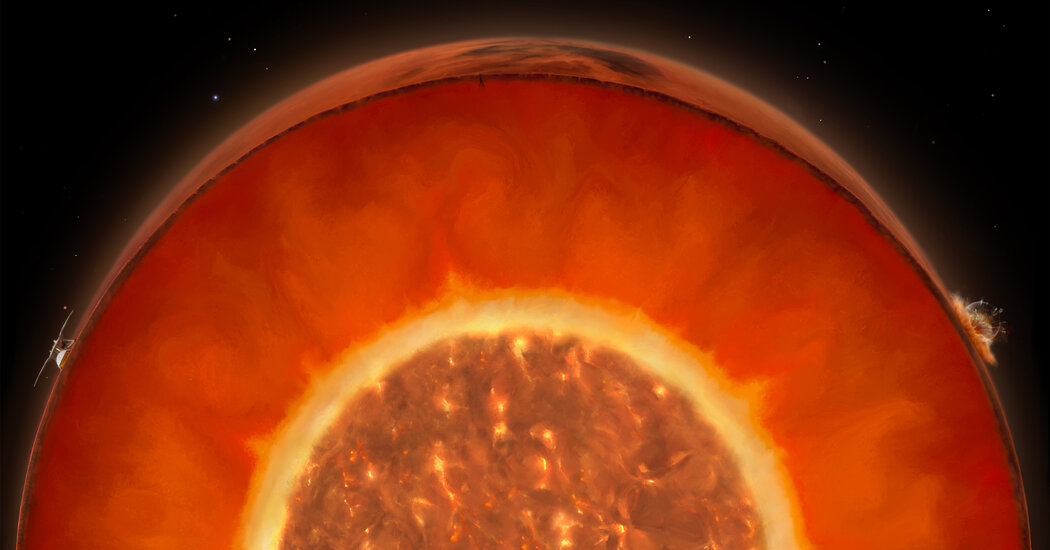
A new study reveals that the ancient exoplanet TOI-561 b, despite its extreme proximity to its star and high temperatures, has retained a thick atmosphere, challenging previous assumptions about hot, rocky planets and suggesting complex interactions between its surface and atmosphere. The planet's unique characteristics, including its low density and potential volcanic activity, are being studied using JWST data, providing new insights into planetary evolution in the early universe.

science2 months ago

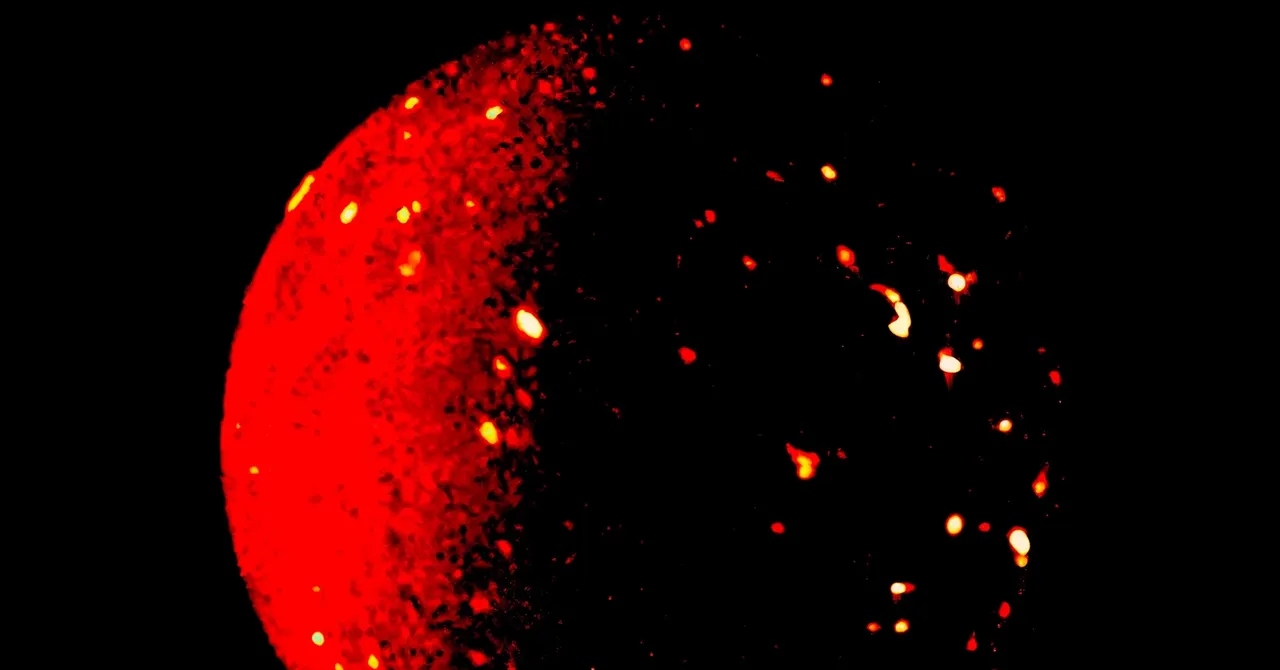
Webb Telescope Reveals Intense Volcanic Activity on Jupiter’s Moon Io

Scientists using NASA's Juno data have found that Jupiter's moon Io is emitting hundreds of times more heat than previously estimated, mainly from localized volcanic sources, challenging the idea of a global magma ocean beneath its surface. This new understanding results from analyzing different infrared spectral data, revealing that Io's volcanoes have hot outer rings and cooler centers, which significantly increases the estimated heat flux. The findings suggest that previous models based solely on certain infrared bands may have underestimated Io's thermal output, but do not definitively rule out the existence of a magma ocean. Future missions may provide more detailed insights into Io's intense volcanism.

science6 months ago

Scientists Discover Earth's 'Missing Nitrogen' in Unexpected Location

Scientists have discovered that a significant portion of Earth's missing nitrogen is likely stored in its core, having been sequestered during the planet's early magma ocean phase due to nitrogen's strong affinity for iron under high pressure, which explains the low nitrogen levels in Earth's mantle and helps understand planetary formation and habitability.

science1 year ago

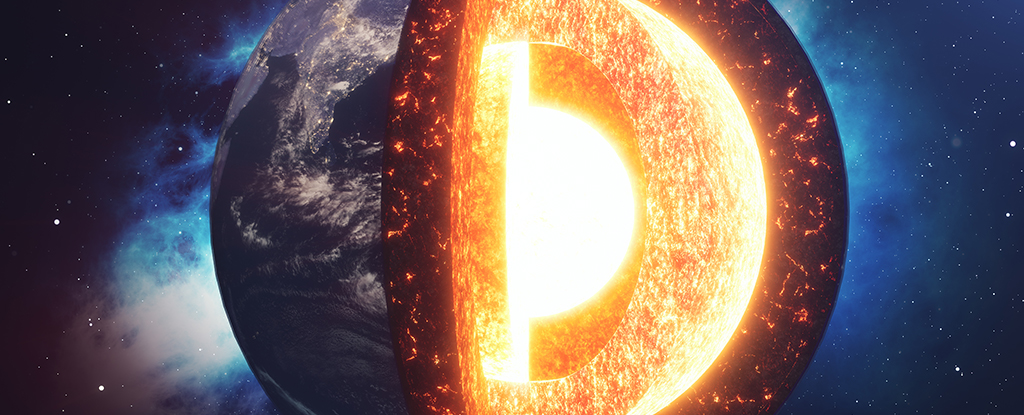
"Ancient Layer Discovered Deep Within Earth"

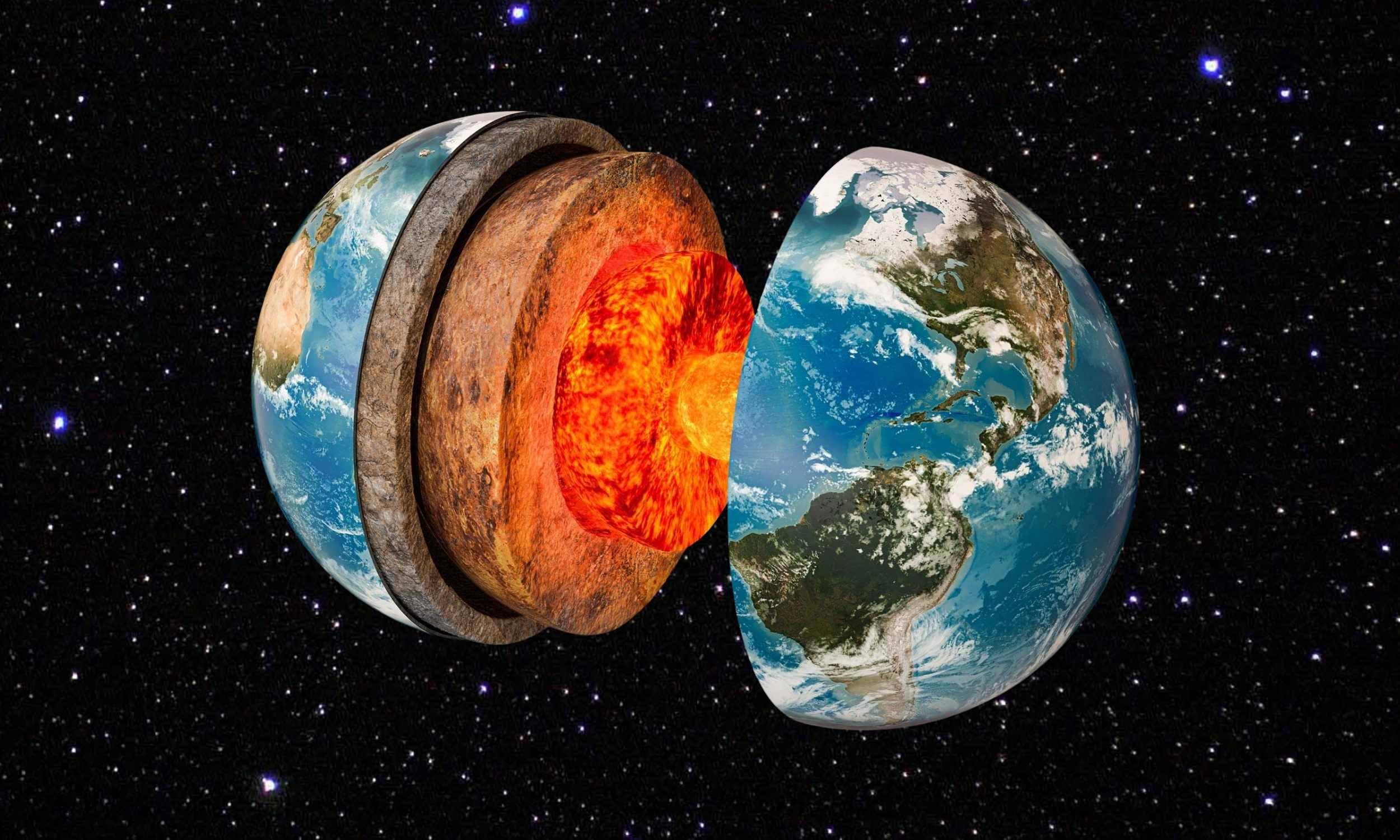
New research suggests that the mysterious D" layer deep within Earth may have formed from an ancient magma ocean, influenced by water, which led to the creation of iron-magnesium peroxide. This iron-rich phase could explain the layer's unevenness and the presence of ultra-low velocity zones, providing insights into Earth's early history and internal structure.

science-and-astronomy2 years ago

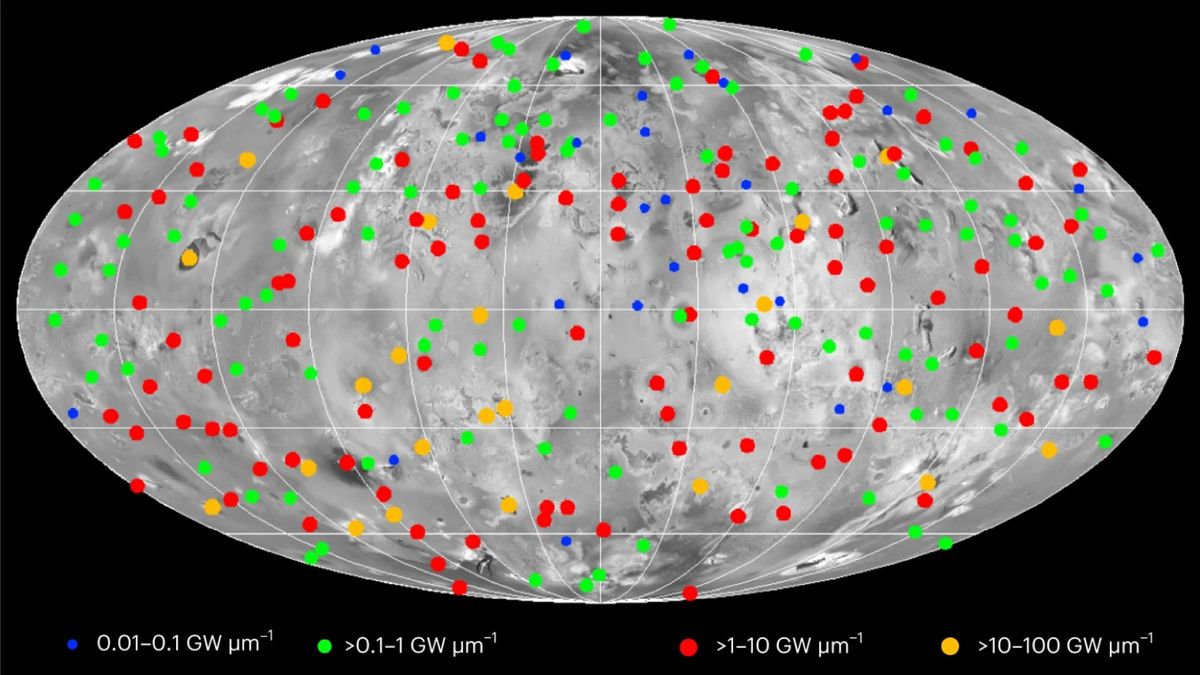
Mapping the Fiery Landscape: Unveiling Jupiter's Moon Io's Active Volcanoes

Scientists have created the first global map of volcanic activity on Jupiter's moon Io using data from NASA's Juno probe. The map reveals 266 active volcanic hotspots, shedding light on the moon's inner mechanics and suggesting the presence of a global magma ocean beneath its surface. The study also found that Io's poles are unusually warm and that the volcanoes at the north pole are more energetic than those at the south pole. The findings provide valuable insights into the extreme volcanic activity on Io, which is primarily caused by tidal heating from Jupiter.

space2 years ago

Unraveling the Mystery of "Hell Planet" 55 Cancri e's Strange Signals

Astronomers have been puzzled by inconsistent signals of an atmosphere around the super-Earth planet 55 Cancri e. Dr. Kevin Heng proposes that chambers of gas beneath the planet's surface occasionally vent, creating a temporary atmosphere. The high temperatures and exposure to a stellar wind allow the gases to escape the planet's gravity, explaining the varied observations. This theory can be tested by observing the planet at optical wavelengths simultaneously with the James Webb Space Telescope's infrared observations. 55 Cancri e, the first super-Earth discovered, has a mass eight times that of Earth and is believed to be tidally locked with extreme temperatures on both sides.

space-science2 years ago

Unveiling Mars' Hidden Molten Secrets: NASA's InSight Lander Reveals Radioactive Magma Sea

Two studies published in the journal Nature reveal that Mars's core is smaller than previously estimated, debunking earlier measurements. The discrepancy was due to the presence of a hidden 90-to-125-mile-deep ocean of molten rock, kept molten by radioactive elements, beneath Mars's solid mantle. This exotic magma ocean, which does not exist on Earth, may require a reevaluation of Mars's chaotic evolution. The discovery was made by reevaluating seismic data from the InSight lander and confirmed by a meteor impact that sent seismic waves through Mars's core. The existence of the magma ocean suggests that Mars's core is denser and iron-rich, with fewer lighter elements. This finding may necessitate a new explanation for Mars's magnetic field and its origin story.

earth-science2 years ago

"Unveiling the Origins: Early Earth's Magma Ocean and the Birth of Life"

New research suggests that the early Earth's magma ocean had a higher oxidation state than previously believed, resulting in a CO2 and SO2-rich atmosphere. The study found that the magma ocean had ten times the Fe3+ content of today's upper mantle. This highly oxidized environment played a crucial role in creating a habitable environment on Earth, with the subsequent accretion of reducing materials. The findings shed light on the composition of the early Earth's atmosphere and its implications for the origin of life.

science2 years ago

Unveiling Earth's Ancient Origins: High Iron Oxidation Found in Primordial Magma

A recent study reveals that early Earth's magma ocean had a higher oxidation state, resulting in an atmosphere rich in CO2 and SO2, which could have hindered the formation of biomolecules. The research suggests that the late accretion of reducing materials after Earth's formation played a crucial role in creating a habitable environment. The study sheds light on the composition of Earth's earliest atmosphere and provides insights into the conditions necessary for the development of life.

science2 years ago

New insights into the origins of Earth's oceans and water

A new study from the AETHER project proposes that Earth's oceans could have formed from interactions between a hydrogen-rich early atmosphere and oxygen within the planet's magma. The research also demonstrates why Earth's core is lighter than it should be, owing to the presence of gaseous hydrogen. The authors propose that one of the protoplanets involved in the formation of Earth was heavier than thought. The calculations show that interactions with atmospheric hydrogen could produce enough water to fill the current volume of our oceans three times over.