Tag

Granite

All articles tagged with #granite

Pink Rocks Uncover Hidden Giant Beneath Antarctic Ice
environment14 days ago

Pink Rocks Uncover Hidden Giant Beneath Antarctic Ice

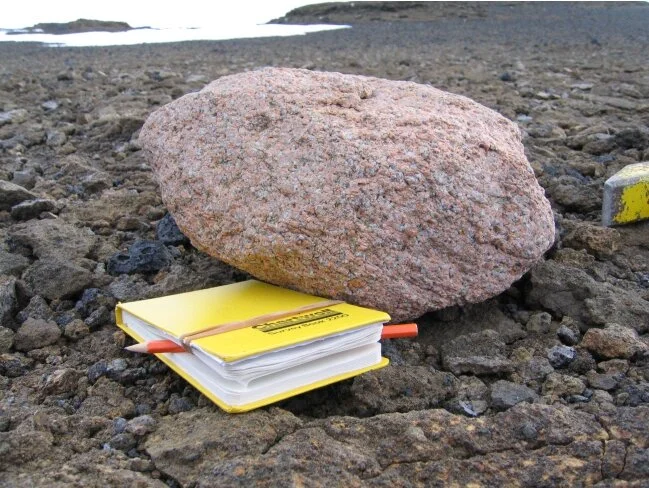
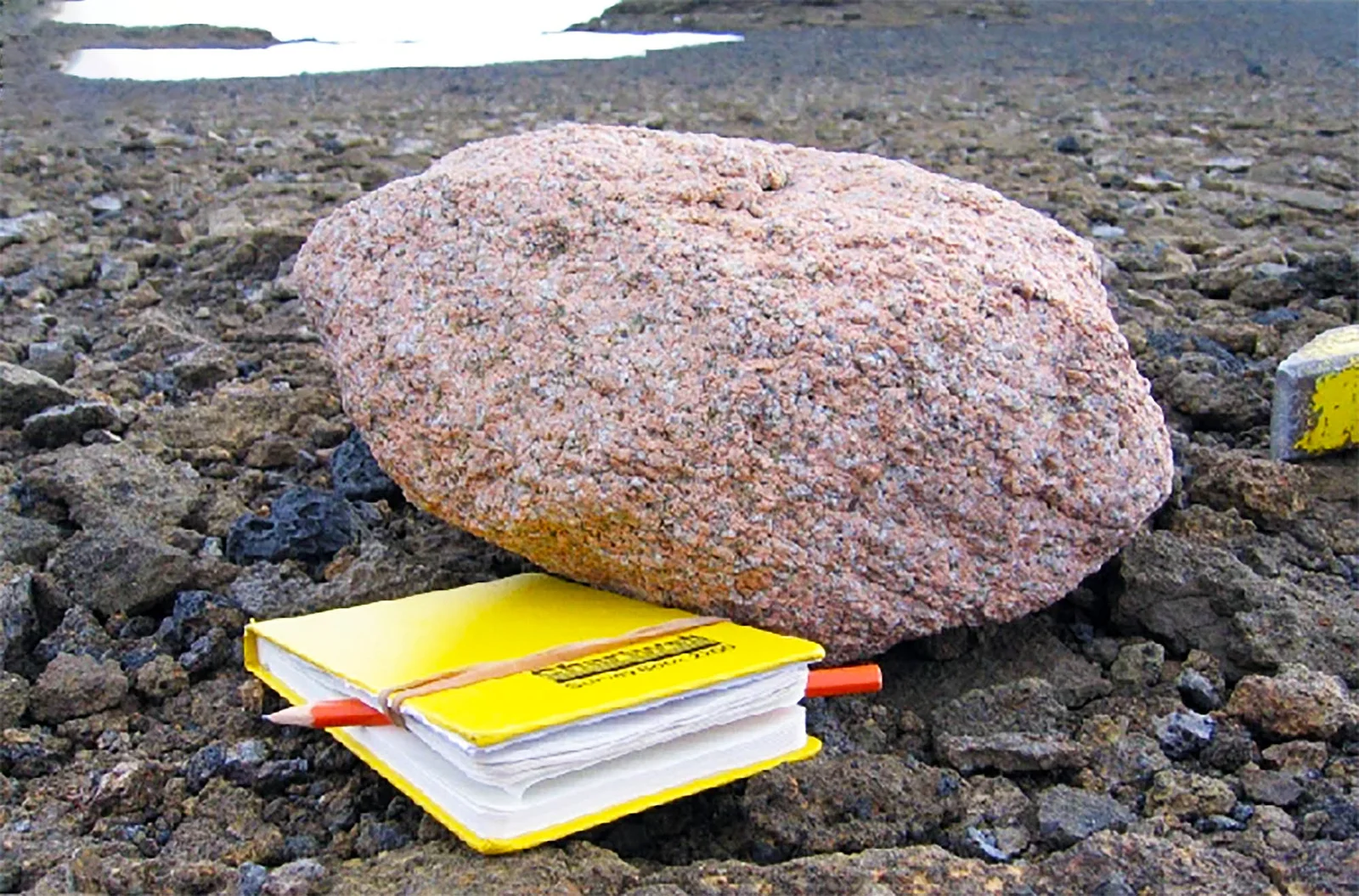
Pink granite boulders on Antarctica’s Hudson Mountains led scientists to a vast, buried granite deposit beneath Pine Island Glacier—about 100 km wide and 7 km thick. Dating places the rocks at roughly 175 million years old, and gravity surveys reveal the hidden under-ice structure. The find helps explain how the ice sheet moved in the past and how it may respond to future sea-level changes, improving models of ice dynamics.

Unearthed: Massive Heat-Emitting Mass Found Beneath Moon's Surface
science-and-technology2 years ago

Unearthed: Massive Heat-Emitting Mass Found Beneath Moon's Surface

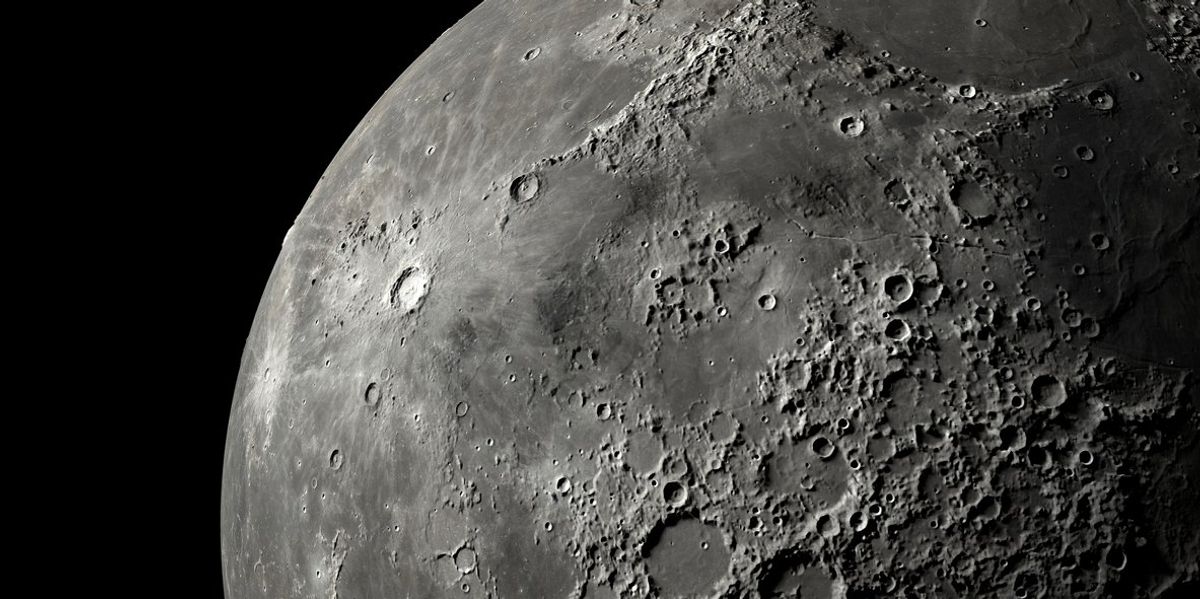
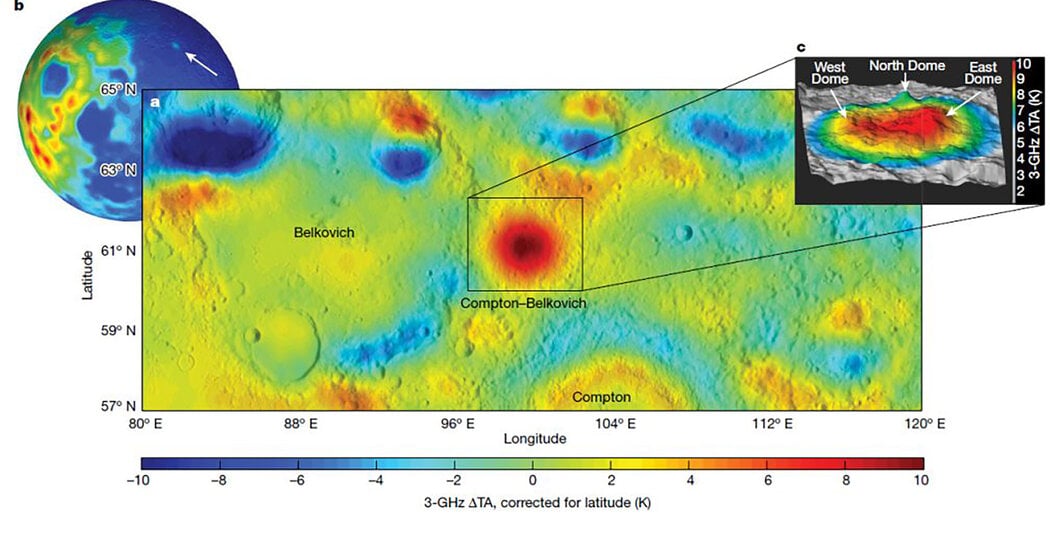
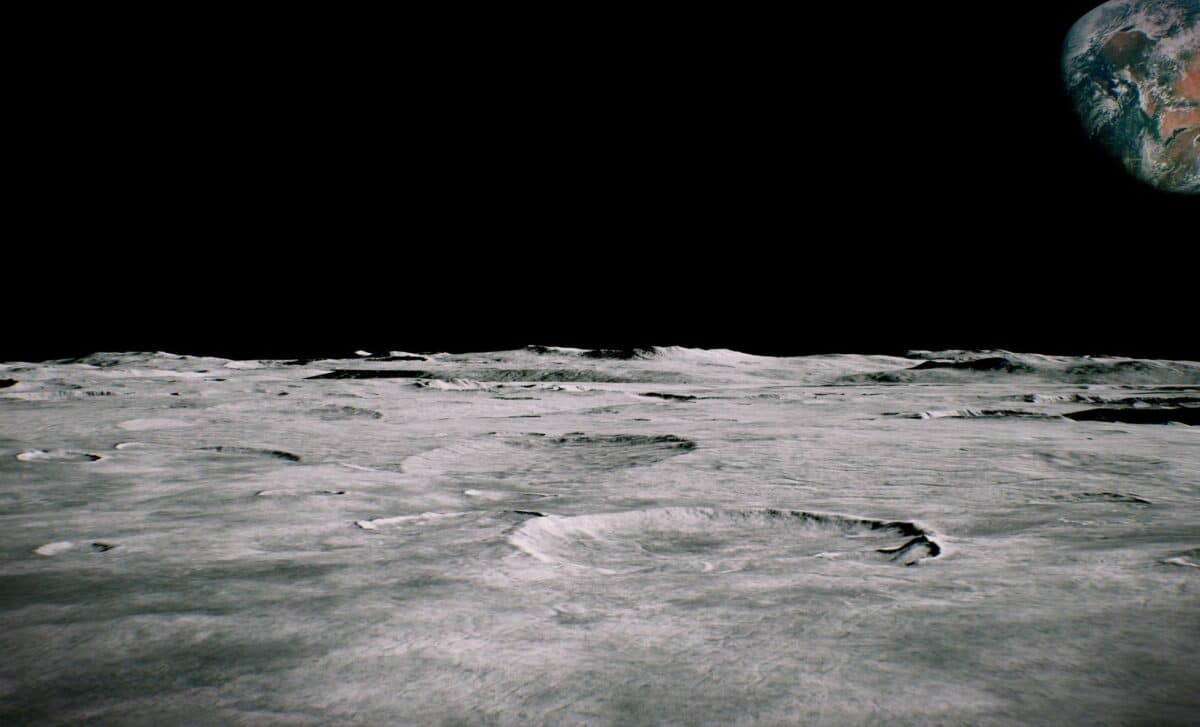
Astronomers have discovered a massive heat-emitting mass of granite rock buried beneath the surface of the Moon, beneath the Compton and Belkovich craters. This discovery is significant as granite is not commonly found outside of Earth. Using data from Chinese and American lunar orbiters, researchers have mapped temperatures below the surface and found that the suspected volcano, Compton-Belkovich, is emitting heat from a large source below it. The heat is believed to be caused by trapped radioactive material in the rock, and the volcano is thought to have last erupted 3.5 billion years ago.

Unearthed: Enormous Heat Source Found Beneath Moon's Surface
space2 years ago

Unearthed: Enormous Heat Source Found Beneath Moon's Surface

Astronomers have discovered a large mass of granite buried beneath a crater on the Moon, indicating ancient volcanism. This is the first evidence of a traditional Earth-like volcano on the Moon. Using data from Chinese and American lunar orbiters, researchers identified a heat-emitting mass below the surface, suggesting a volcanic process never before seen on the Moon. The heat is not from recent volcanic activity but from radioactive elements trapped in the rocks. The discovery of granite on the Moon suggests the possibility of finding it in other areas of the Moon and even elsewhere in the Solar System.

"Scientists alarmed by massive 30-mile heat anomaly discovered on moon's dark side"
space-science2 years ago

"Scientists alarmed by massive 30-mile heat anomaly discovered on moon's dark side"

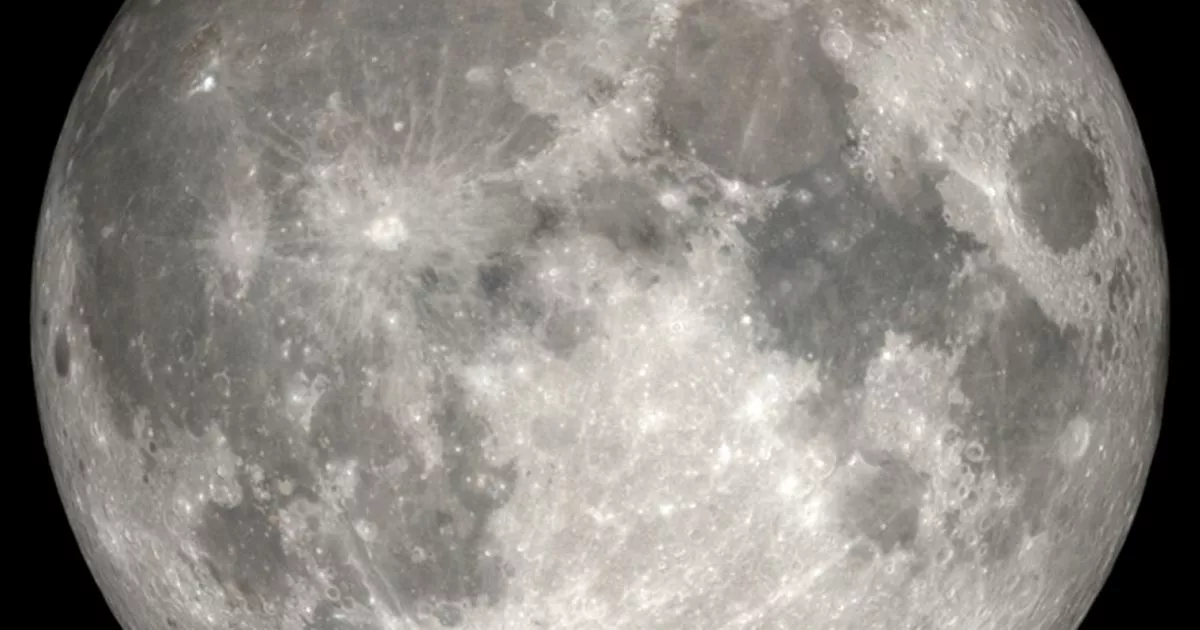
Scientists have discovered a massive heat blob on the dark side of the Moon, believed to be caused by radiation from a 31-mile mass of granite deep below the lunar surface, indicating the presence of a once-active volcano. The granite deposit, found in the Compton-Belkovich Volcanic Complex, challenges current understanding of lunar geology as granites typically require water or plate tectonics to form. This discovery could shed light on unknown lunar processes and has sparked concerns among scientists.

Mysterious Heat-Emitting Granite Formation Discovered on Moon's Far Side
science2 years ago

Mysterious Heat-Emitting Granite Formation Discovered on Moon's Far Side

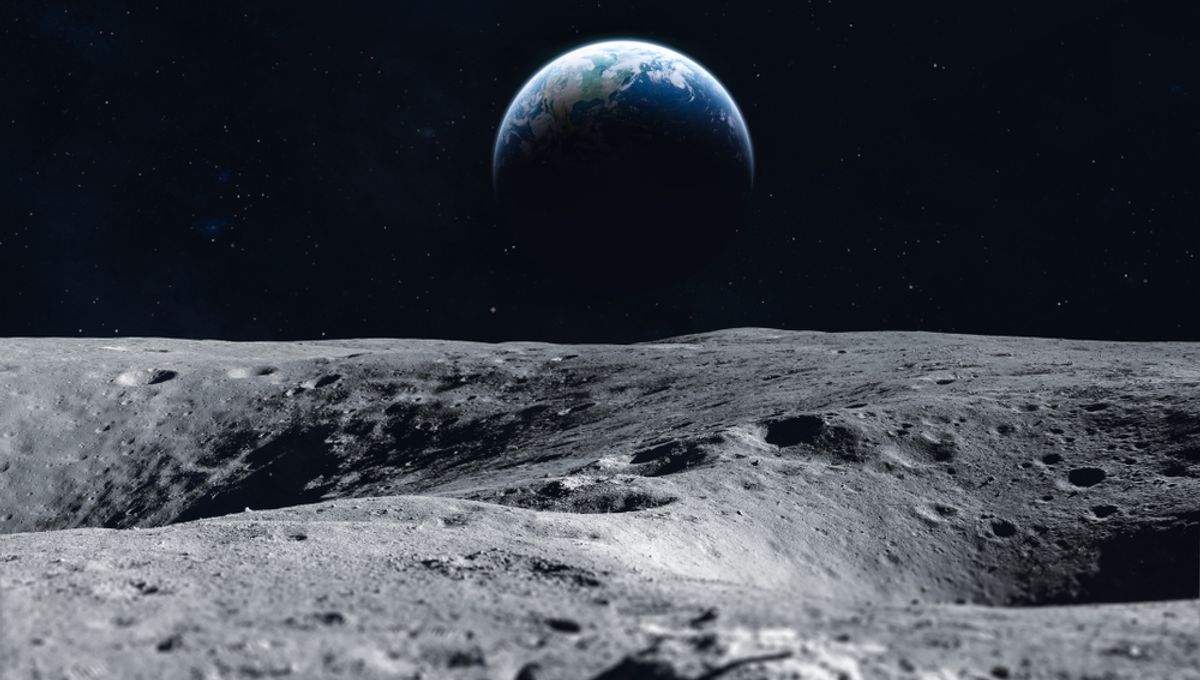
Scientists have discovered a large heat-emitting blob on the far side of the moon, likely caused by a buried mass of granite from a long-dead volcano. The anomaly was detected using microwaves to measure subsurface temperatures and is about 18 degrees Fahrenheit warmer than the surroundings. This finding is significant as granite is rarely found outside of Earth, and it could provide insights into the internal workings of other rocky bodies in the solar system.

Mysterious Lunar Discoveries: Uncovering the Moon's Secrets
science-and-technology2 years ago

Mysterious Lunar Discoveries: Uncovering the Moon's Secrets

Scientists have discovered a hot spot on the far side of the moon using data from Chinese orbiters. The region, known as the Compton-Belkovich Volcanic Complex, contains a large slab of granite that solidified from magma, indicating a volcanic origin. The findings shed light on the geological history of the moon and highlight the scientific potential of data gathered by China's space program. However, due to restrictions on collaboration between NASA and China, the researchers had to work around obstacles to access and interpret the data. The discovery of the hot spot raises questions about how a volcano formed on the moon without water or plate tectonics, and further exploration is needed to understand this phenomenon.

Uncovering the Enigma of Moon's Mysterious Granite Formation
space2 years ago

Uncovering the Enigma of Moon's Mysterious Granite Formation

A large formation of granite has been discovered beneath an ancient lunar volcano on the far side of the moon, providing further evidence of past volcanic activity. The granite, found under a volcanic feature called Compton-Belkovich, suggests that the moon's far side was once home to volcanic eruptions around 3.5 billion years ago. The discovery of this large body of granite could help scientists understand how the lunar crust formed. The findings were made using data collected by NASA's Lunar Reconnaissance Orbiter and will be presented at the Goldschmidt Conference.

Mysterious Granite Discovery: Uncovering the Moon's Hidden Secrets
space-science2 years ago

Mysterious Granite Discovery: Uncovering the Moon's Hidden Secrets

Scientists have discovered a 50-kilometer-wide slab of granite, a rock commonly found on Earth but rare in the Solar System, beneath the lunar farside's surface. The heat source was detected near an ancient lunar caldera, suggesting the presence of a long-dead volcano. The finding was made possible by the observations of four lunar spacecraft, highlighting the potential of remote sensing in exploring other planetary bodies. The discovery challenges previous assumptions about the Moon's geology and raises questions about how granite formed on a moon lacking water and plate tectonics.

Unraveling the Mystery of the Moon's Radioactive Granite
space2 years ago

Unraveling the Mystery of the Moon's Radioactive Granite

Geologists have discovered a large deposit of granite on the far side of the moon, a rock that is virtually nonexistent elsewhere in the solar system. The presence of granite on the moon presents a mystery, as it typically requires plate tectonics or water-bearing magmas to form, neither of which the moon has experienced. NASA plans to explore the region in 2026 with a rover to uncover the geological process behind the formation of the 30-mile-wide granite trove. The discovery could provide valuable insights into the moon's history and geology.