Assessing the Pandemic Threat of Bird Flu and Its Resistance to Fever
The article discusses the potential of bird flu to become the next pandemic, examining the current scientific understanding and risks associated with the virus.

All articles tagged with #virus transmission
The article discusses the potential of bird flu to become the next pandemic, examining the current scientific understanding and risks associated with the virus.

Double-dipping can transfer bacteria and viruses from your mouth to shared food, but it generally poses less risk of illness than many might assume.
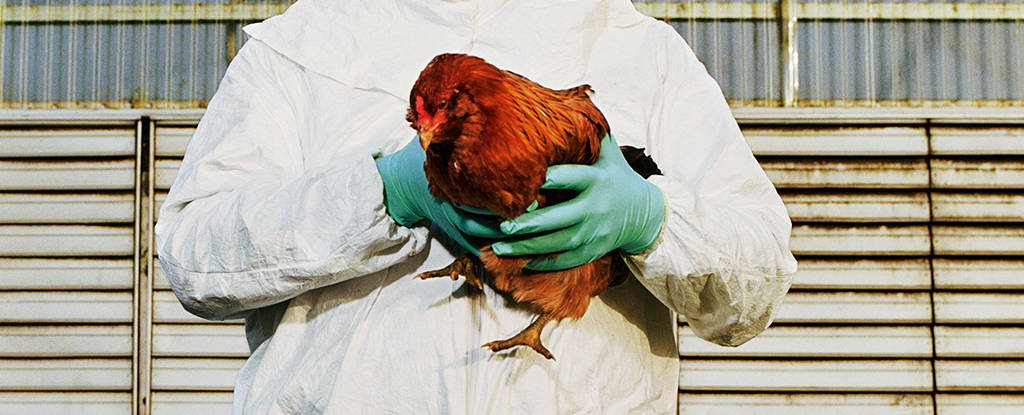
A new study from the Scripps Research Institute highlights the potential for the H5N1 bird flu virus to mutate and become transmissible between humans, raising pandemic concerns. Researchers found that a single amino acid mutation, Q226L, could enable the virus to bind to human-type receptors, increasing the risk of human-to-human transmission. While this mutation alone may not be sufficient for widespread transmission, it underscores the importance of monitoring genetic changes in the virus to prevent a potential pandemic.

A recent study suggests that a single mutation in the H5N1 bird flu virus could enable it to spread between humans, potentially leading to a pandemic. This mutation would allow the virus to better attach to human airway cells, facilitating transmission through respiratory droplets. While H5N1 currently infects humans primarily through high concentrations from animals, the mutation could make human-to-human spread more likely. Researchers emphasize monitoring this mutation as H5N1 continues to circulate among animals and occasionally infects humans.
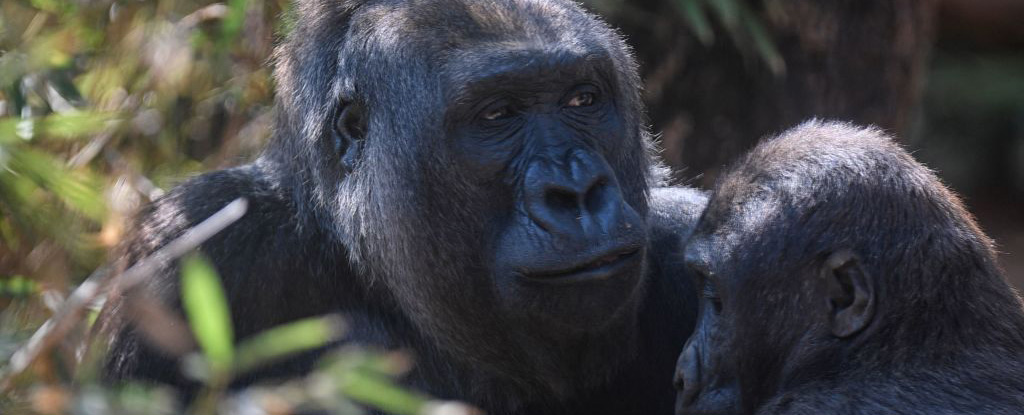
A study at Belo Horizonte Zoo in Brazil found that 1 in 5 animals tested positive for COVID-19, likely contracted from humans. The research highlights the risk of virus transmission between humans and animals in zoos, with species like western lowland gorillas and maned wolves testing positive for variants like Alpha and Omicron. This underscores the importance of monitoring wildlife to prevent the virus from evolving and spreading, especially in conservation-critical species. The findings call for integrated public health strategies to address emerging infectious diseases.
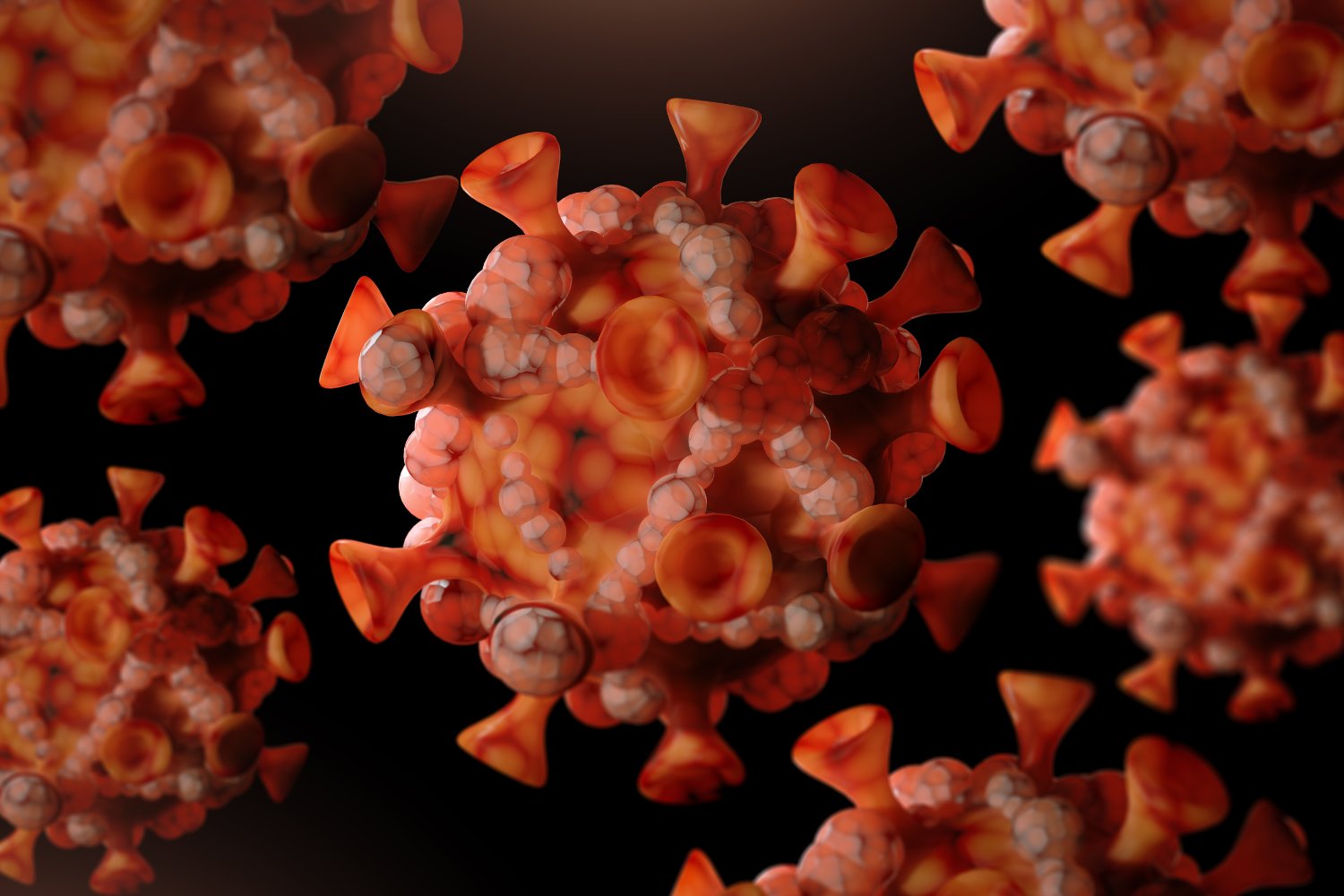
A more severe variant of mpox, clade I, has been detected in the U.S. for the first time, involving a traveler from Africa. This variant is known to cause more severe illness than the clade II variants that spread globally in 2022. Despite its higher fatality rate, the risk to the U.S. public is currently considered low, with health officials monitoring the situation closely. Mpox is primarily transmitted through direct contact, and the individual in California is isolating and recovering. Vigilance is needed to prevent potential outbreaks.
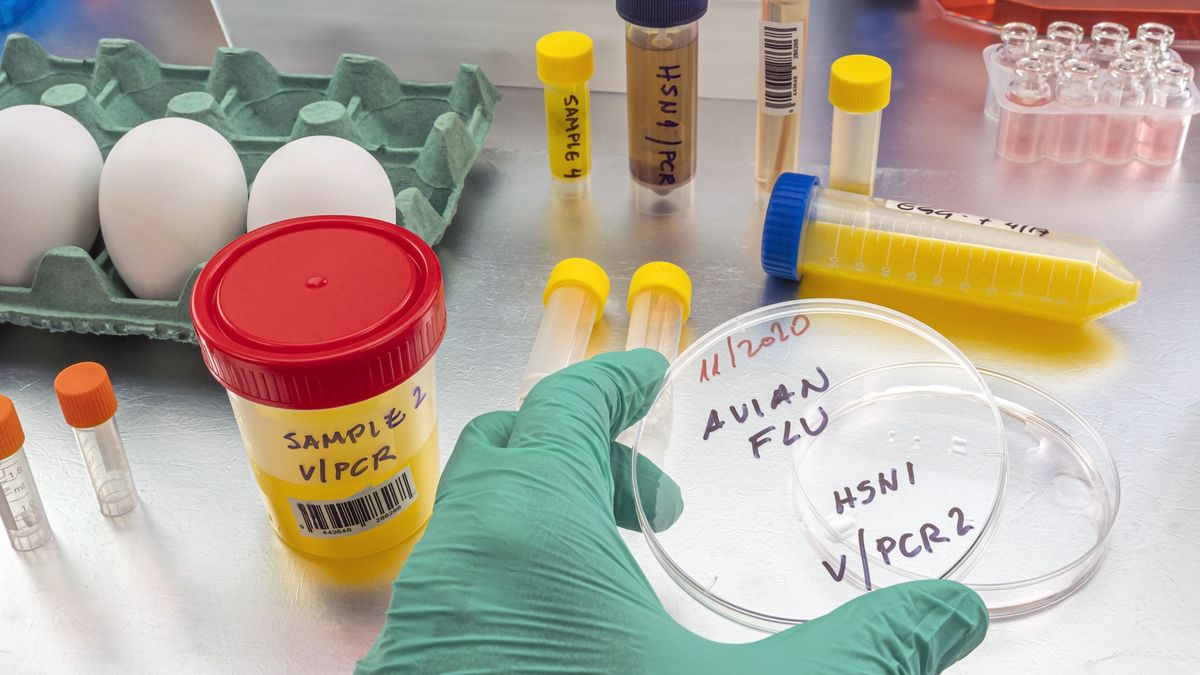
A teenager in Canada is critically ill with the country's first human case of H5N1 bird flu, and health officials are uncertain about the source of exposure. The teen had no known contact with livestock, and the virus variant typically circulates in wild birds and poultry. This case raises concerns about the virus's potential to spread undetected, although officials believe it may be an isolated incident. H5N1 has a high mortality rate and has been evolving to spread more easily between mammals, though it remains less transmissible than seasonal flu.
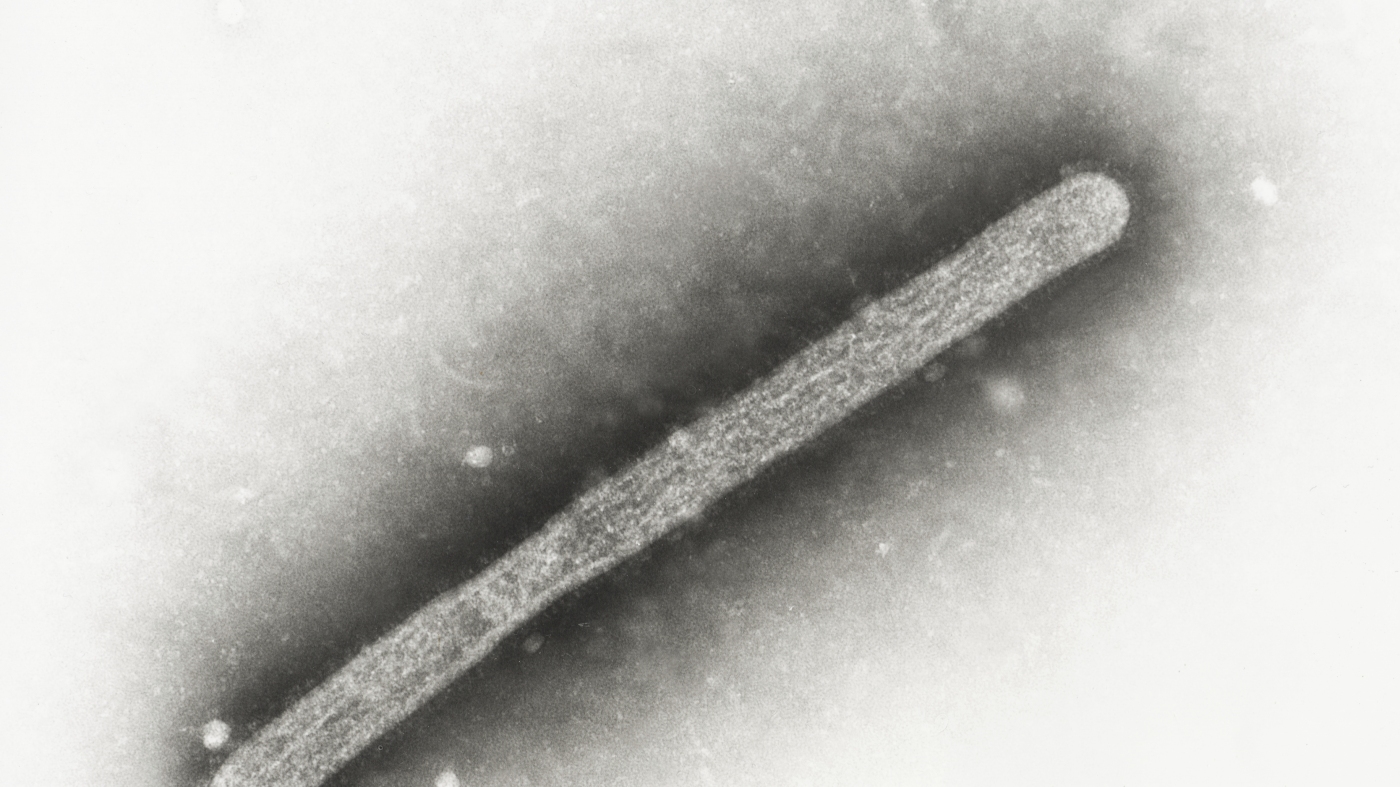
A teenager in British Columbia, Canada, has tested positive for the H5 bird flu, marking the first suspected human case in the country. Health officials are conducting further tests to confirm the diagnosis and are investigating the source of exposure and potential contacts. This comes amid nearly 50 bird flu cases in the U.S., primarily in California and Colorado, and a recent detection in a pig in Oregon.
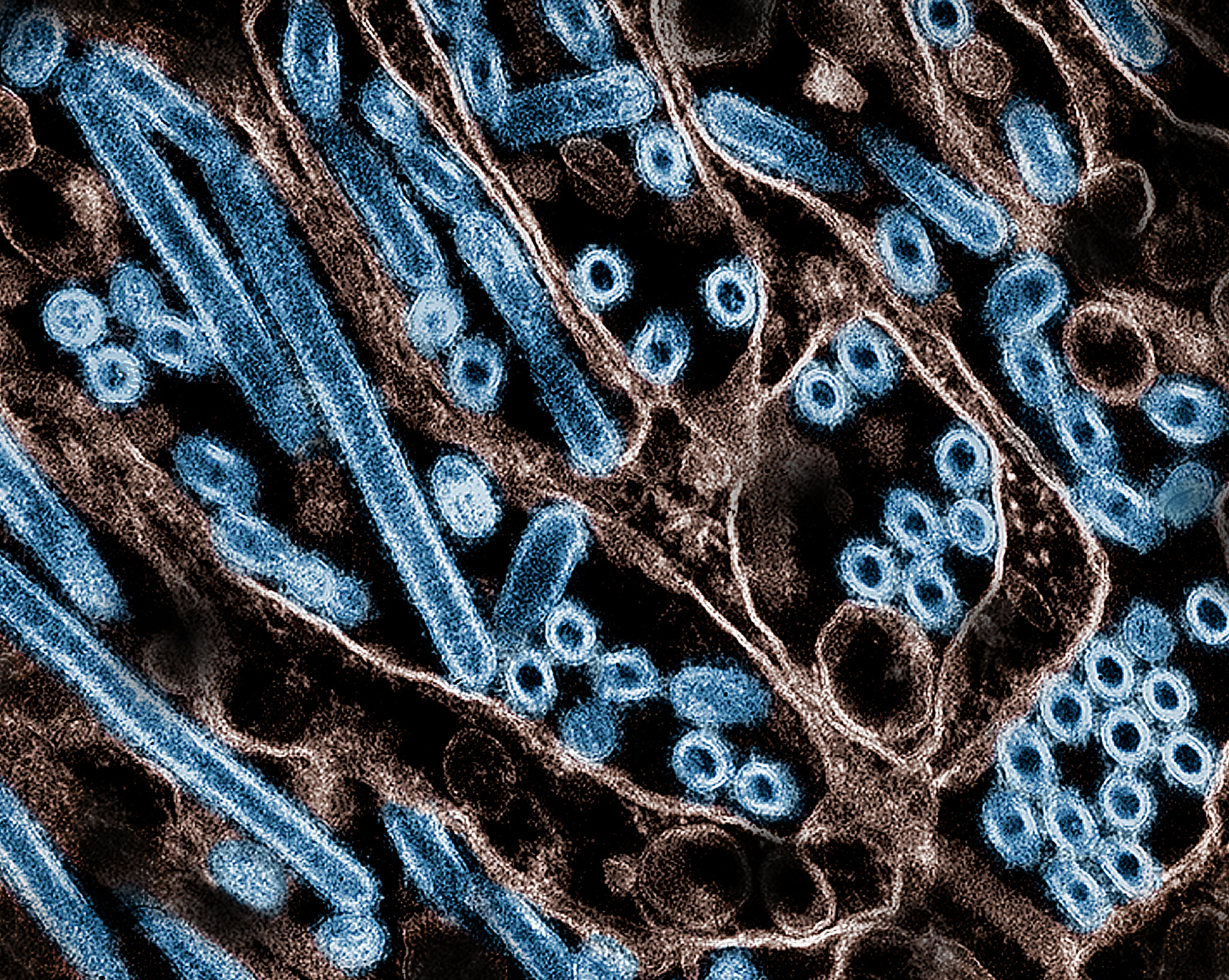
A study led by Dr. Yoshihiro Kawaoka at the University of Wisconsin-Madison found that an H5N1 virus from an infected farm worker could transmit through airborne droplets and was lethal in mice and ferrets, highlighting the risks of the current H5N1 outbreak. The virus, which efficiently infected human lung cells, contained a mutation promoting replication in mammals. While the CDC considers the public at low risk, the findings underscore the need for continued monitoring of H5N1 viruses in cattle and humans to prevent potential human transmission.
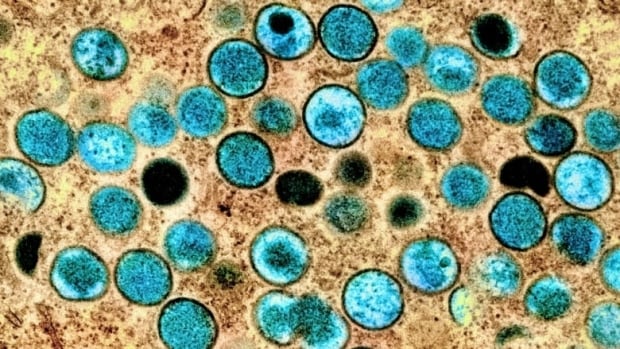
A new lineage of the mpox virus, featuring mutations associated with efficient human-to-human transmission, has been discovered in the Democratic Republic of the Congo (DRC), prompting concerns of another global outbreak. The densely-populated Kamituga mining region in DRC lacks healthcare infrastructure to handle a large-scale outbreak, and the reported cases are likely an underestimate. Urgent measures, including expanded surveillance, contact tracing, and targeted vaccination efforts, are needed to contain this "pandemic-potential" outbreak, according to researchers. While the findings raise alarms about the record-breaking levels of mpox circulating in DRC, further research is needed to understand the virus and its potential impact on global health.
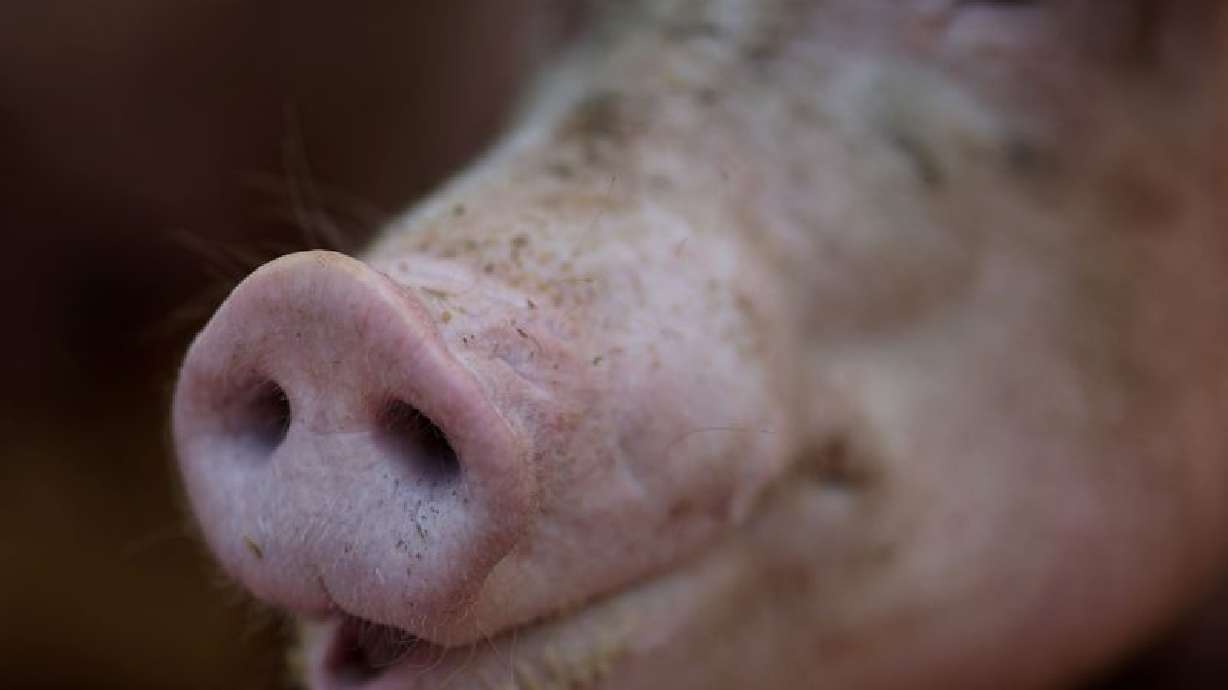
A study analyzing nearly 12 million virus genomes found that humans give more viruses to animals than animals give to humans, with 64% of human-to-animal transmissions involving pets, domesticated animals, birds, primates, and wild animals. The study highlights the significant impact of humans on the environment and animals, emphasizing the potential for viruses to jump between different species through close contact. Zoonotic diseases, such as COVID-19 and bird flu, pose a major threat due to the lack of pre-existing immunity in host species, with many pathogens circulating in humans having been acquired from animals at some point in time.
A study analyzing viral genome sequences found that humans transmit about twice as many viruses to animals as animals transmit to humans. The research identified instances of viruses jumping between species, with 64% of human-to-animal transmissions and 36% of animal-to-human transmissions. The study highlights the significant impact of human activity on the environment and animals, emphasizing the potential for viruses to jump between species through close contact. The findings underscore the importance of understanding and monitoring virus transmission to prevent future pandemics and emerging infectious diseases.
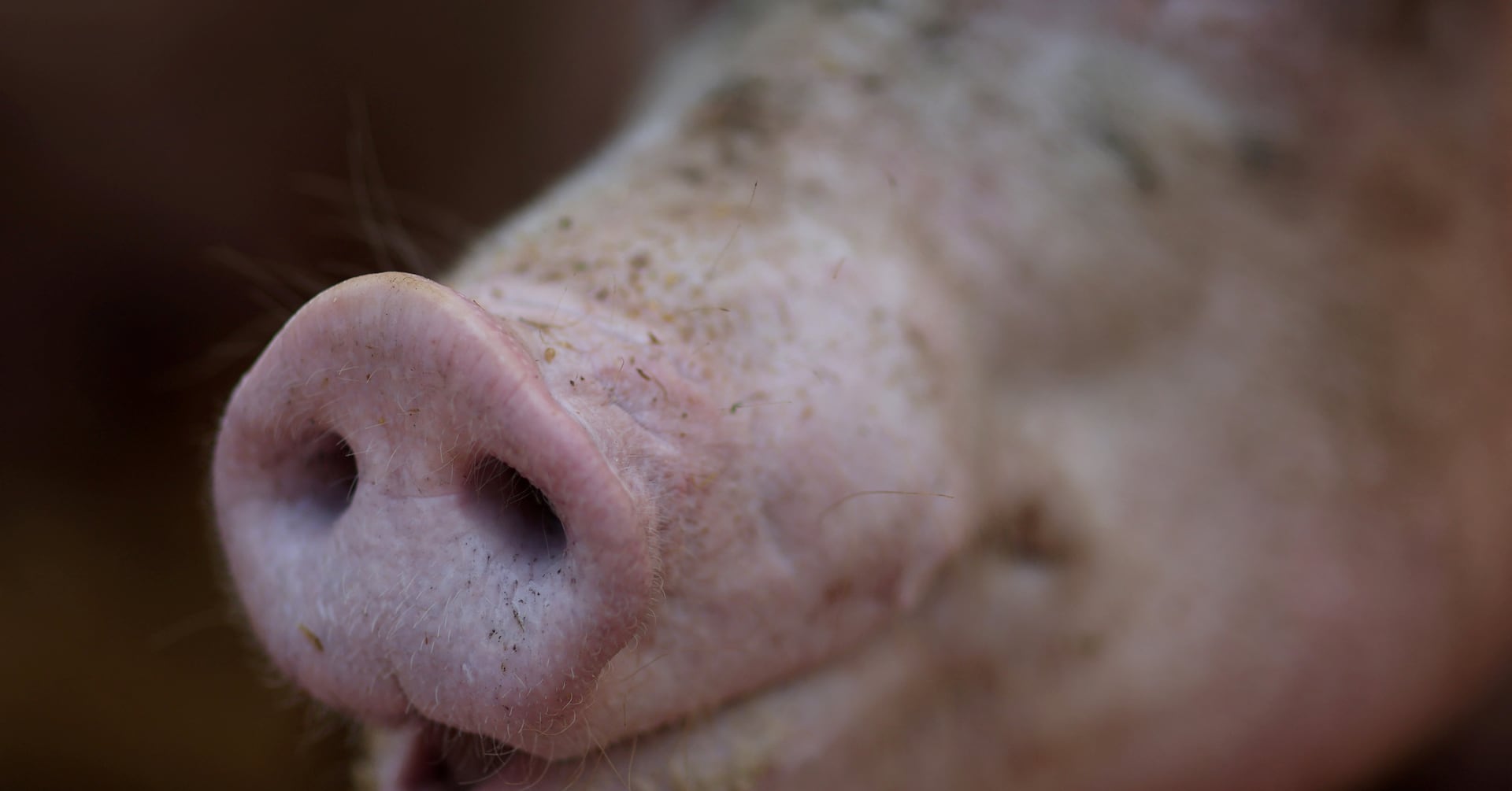
A study analyzing viral genome sequences found that humans transmit about twice as many viruses to animals as animals transmit to humans. The research identified nearly 3,000 instances of viruses jumping between species, with 64% being human-to-animal transmissions and 36% animal-to-human. The study highlights the significant impact of human activity on the environment and animals, emphasizing the potential for viruses to jump between different species through close contact. The findings underscore the ongoing concern of zoonotic diseases and the potential for animal-to-human transmissions to lead to disease outbreaks and pandemics.
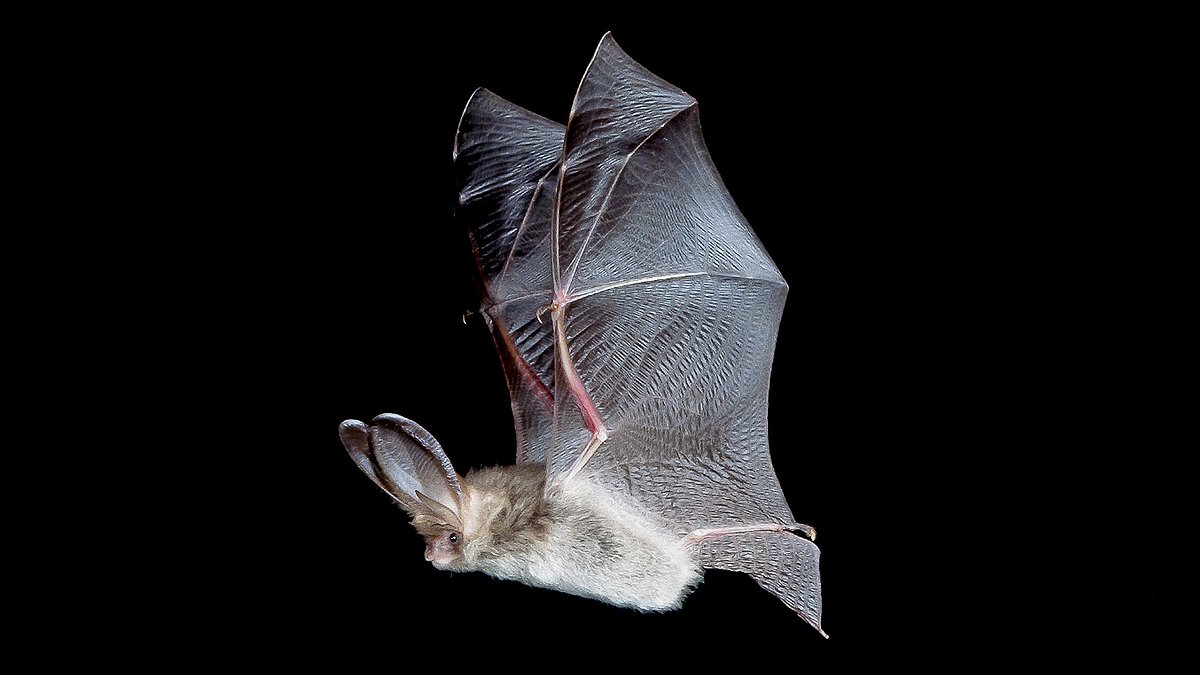
A study from University College London suggests that humans pass on more viruses to animals than they catch from them, highlighting the potential for human-to-animal virus transmission to spark health crises. The research analyzed tens of thousands of viral genomes and found that almost two-thirds of the samples were transmitted to animals via humans. This human-to-animal virus transmission could pose a conservation threat to species and impact food security. The study emphasizes the need to monitor and understand viral evolution to better prepare for future outbreaks and epidemics. The origins of the Covid-19 virus remain a subject of debate, with theories ranging from natural origins at a Wuhan market to a potential lab leak.
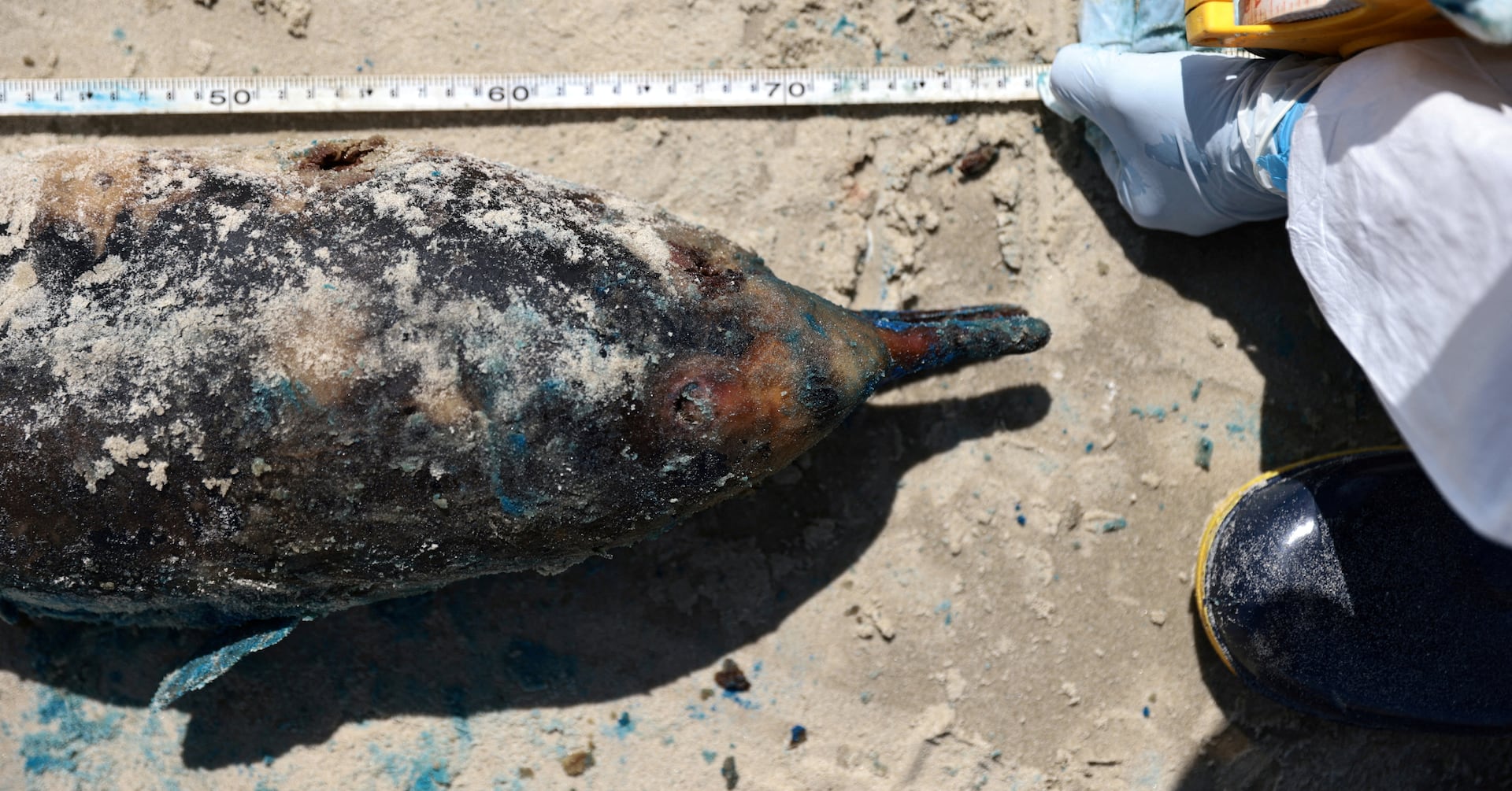
The H5N1 bird flu virus has spread aggressively in South America, affecting wild birds and marine mammals, raising concerns about potential human transmission. Evidence suggests mammal-to-mammal transmission, with the virus killing dolphins, seals, sea lions, and birds. The Pan American Health Organization plans to launch a regional commission to oversee monitoring and response efforts. Scientists are concerned about the virus's adaptation to wildlife and its potential threat to public health, prompting the need for improved disease surveillance and a coordinated regional response.