Tag

Animal To Human Transmission

All articles tagged with #animal to human transmission

health1 year ago

"Concerns Rise as Bird Flu Spreads to Texas Livestock"

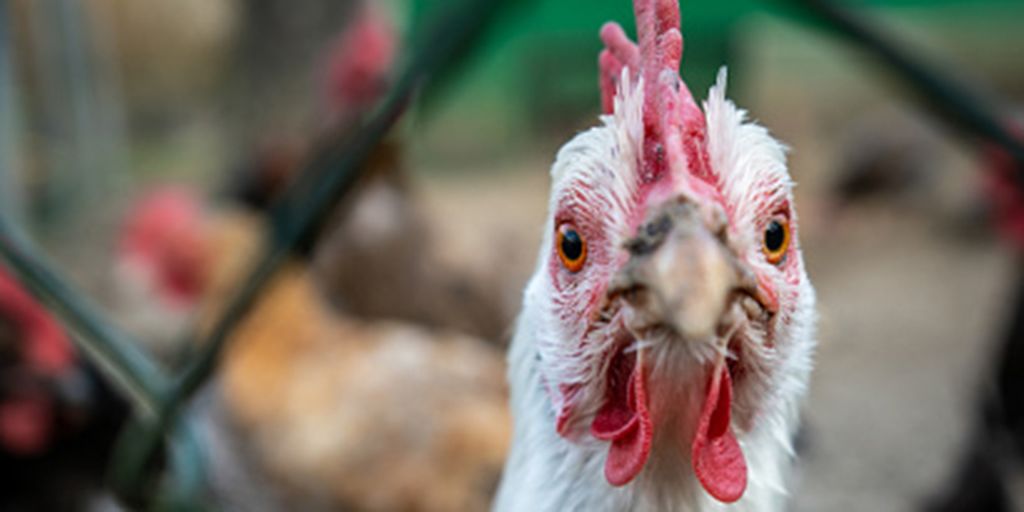
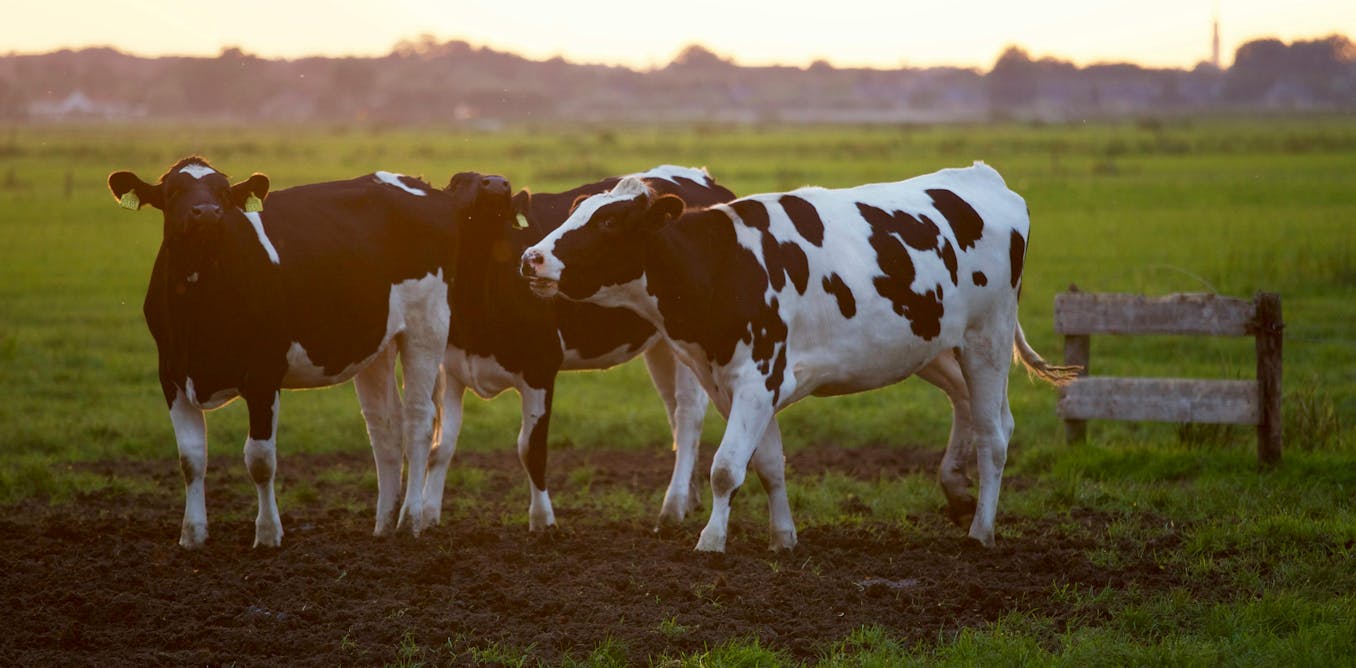
The CDC has issued a health alert after a farm worker in Texas contracted H5N1 avian influenza from dairy cattle, marking the second human case in the US. While the virus is not easily transmissible between humans, its spread to a wider range of wild birds and mammals raises concerns about potential mutation and pandemic risk. Monitoring and early detection of outbreaks in animals and humans, along with vaccination efforts, are crucial in preventing a potential avian flu pandemic.
health-and-science1 year ago

"Human Transmission of Viruses to Animals Outpaces Animal Transmission to Humans, Study Shows"

A study analyzing nearly 12 million virus genomes found that humans give more viruses to animals than animals give to humans, with 64% of human-to-animal transmissions involving pets, domesticated animals, birds, primates, and wild animals. The study highlights the significant impact of humans on the environment and animals, emphasizing the potential for viruses to jump between different species through close contact. Zoonotic diseases, such as COVID-19 and bird flu, pose a major threat due to the lack of pre-existing immunity in host species, with many pathogens circulating in humans having been acquired from animals at some point in time.

health-and-science1 year ago

Study Reveals Humans Transmit More Viruses to Animals Than Vice Versa

A study analyzing viral genome sequences found that humans transmit about twice as many viruses to animals as animals transmit to humans. The research identified instances of viruses jumping between species, with 64% of human-to-animal transmissions and 36% of animal-to-human transmissions. The study highlights the significant impact of human activity on the environment and animals, emphasizing the potential for viruses to jump between species through close contact. The findings underscore the importance of understanding and monitoring virus transmission to prevent future pandemics and emerging infectious diseases.

science1 year ago

"Human Transmission of Viruses to Animals Outpaces Animal Transmission to Humans, Study Reveals"

A study analyzing viral genome sequences found that humans transmit about twice as many viruses to animals as animals transmit to humans. The research identified nearly 3,000 instances of viruses jumping between species, with 64% being human-to-animal transmissions and 36% animal-to-human. The study highlights the significant impact of human activity on the environment and animals, emphasizing the potential for viruses to jump between different species through close contact. The findings underscore the ongoing concern of zoonotic diseases and the potential for animal-to-human transmissions to lead to disease outbreaks and pandemics.

health1 year ago

"Assessing the Human Risk of 'Zombie Deer Disease' as Experts Push for Preventative Measures"

Scientists are investigating the potential for the zombie deer disease, also known as chronic wasting disease (CWD), to spread to humans through experimental studies. While no human cases have been reported, the rising number of cases in the US has raised concerns. CWD is a prion disease affecting deer, elk, and other animals, with prions spread through bodily fluids. The cause of misfolding in prion proteins remains a mystery, but researchers are working to understand the risk of transmission to humans, with conflicting evidence and structural differences from mad cow disease.

health1 year ago

"Rising Concerns: Zombie Deer Disease's Potential Threat to Humans"

Chronic Wasting Disease, also known as "zombie deer disease," is a neurodegenerative condition affecting wildlife such as deer, moose, and elk. While there have been no reported cases of transmission to humans, experts are concerned about the potential for animal-to-human transmission based on experimental studies and the history of other prion diseases. Surveillance efforts are ongoing, and researchers are working on potential live tests for CWD to mitigate the risk of human consumption of infected deer. However, there is still uncertainty about the possibility of CWD breaching the species barrier, and concerns remain about the potential impact of climate change and the emergence of novel CWD prion strains.

health1 year ago

"First Recorded Death from Alaskapox Virus Confirmed in Alaska"

An elderly man from the Kenai Peninsula in Alaska has become the first person to die from Alaskapox, a recently discovered zoonotic disease thought to be carried by small woodland animals like squirrels. The man, who had a history of drug-induced immunosuppression due to cancer treatment, had been scratched by a stray cat he cared for before developing symptoms. Despite initial misdiagnoses, advanced testing by the CDC confirmed the presence of Alaskapox. The case suggests the virus may be more geographically widespread in Alaska's small mammals than previously known, prompting increased statewide awareness.

health2 years ago

"Groundbreaking Discovery: University of Arkansas Researchers Uncover Novel Rodent Virus"

Biologists at the University of Arkansas have discovered a new virus called Ozark orthohantavirus (Ozark virus) in rats in Benton and Washington County, part of the Ozark Plateau. While there is no evidence of the virus spreading to humans, further evaluation is warranted due to its close relation to other disease-causing viruses. The distribution of the virus beyond Northwest Arkansas is still unknown. Researchers at the university are studying viruses transmitted from animals to humans to catch and prevent the early spread of infectious diseases, as most new infectious diseases originate from animals.

health2 years ago

Anthrax Outbreak in Uganda: Mystery Disease Identified

A mystery disease that has killed up to 17 people in Uganda has been confirmed as anthrax, according to health officials. The outbreak in Kyotera district has caused infected patients to suffer from rashes and swollen limbs before succumbing to the illness. Initially ruled out by the Africa Centres for Disease Control and Prevention, tests have now confirmed the presence of the bacterial infection, which is typically found in cows, sheep, and goats. It is believed that contaminated meat may have caused the infection, as a number of cattle have also died during the outbreak. International and local health bodies are increasing disease surveillance in Africa due to the continent's vulnerability to deadly pathogens that can jump from animals to humans.

health2 years ago

"Uganda's Deadly Mystery Illness Claims 14 Lives, Sparks Fear"

Health experts in Uganda are investigating a mysterious disease outbreak that has killed at least 14 people and affected around 40 others. The disease, which causes rashes and swollen limbs, is believed to be transmitted from animals to humans. Initial suspicions of anthrax have been ruled out, and further investigations are underway. Local communities are living in fear, resorting to traditional healing methods as medical professionals struggle to identify the illness. The disease may potentially be cellulitis, a bacterial skin infection that can lead to serious health complications if left untreated. International and local health organizations are increasing disease surveillance efforts in Africa due to its vulnerability to outbreaks and pandemics.

health2 years ago

"Chinese Scientists on the Hunt for the Next Human Viral Threat"

Chinese scientists are conducting proactive research to identify potential viral threats to humans by studying animal sources of infectious diseases. They have identified over 500 viruses, some of which are related to pathogens that cause diseases in humans or domestic animals. The goal is to provide early warnings of future infectious diseases and prevent the next pandemic. Understanding the behavior and evolution of viruses in nature is crucial in predicting and preventing outbreaks. The researchers emphasize the need for proactive prevention and control measures rather than reacting after an infectious disease emerges.

health2 years ago

Swine flu outbreak traced to Michigan county fairs, CDC confirms

Two individuals have contracted flu strains typically found in pigs after visiting pig exhibits at agricultural fairs, according to the US Centers for Disease Control and Prevention (CDC). The cases, identified in Michigan, did not result in hospitalization or further transmission. While such incidents are relatively rare, they underscore the potential for flu viruses to jump from animals to humans. The CDC advises individuals to avoid eating or drinking near pig exhibits, refrain from contact with visibly sick animals, and practice proper hand hygiene after visiting swine exhibits, particularly for those who are immunocompromised.

health2 years ago

Swine flu outbreak traced to Michigan county fairs

Two individuals have contracted flu strains typically found in pigs after visiting pig exhibits at state fairs, according to the US Centers for Disease Control and Prevention (CDC). The cases, identified in Michigan, highlight the potential for flu viruses to jump from animals to humans. While these incidents are usually isolated, the CDC emphasizes the need to fully investigate and trace such cases due to the possibility of widespread disease. The CDC advises fairgoers to avoid eating or drinking near pig exhibits, refrain from contact with visibly sick animals, and practice proper hand hygiene. Immunocompromised individuals are at higher risk and should either avoid pig exhibits or wear a mask when in close proximity to the animals.

health2 years ago

Unveiling the Path of Animal-Origin Viruses into Human Cells: A Study

Researchers have used advanced microscopy techniques to reveal the structure of the fusion protein of the Langya virus, an infectious disease that has recently jumped from animals to humans. The virus belongs to the same class as the deadly Nipah and Hendra viruses, highlighting the need for developing broad-spectrum vaccines and treatments. Understanding the virus's entry into human cells is crucial for combating Henipavirus infections, as there are currently no treatments or vaccines available. The researchers aim to develop vaccines and treatments for Henipaviruses, including Langya, Nipah, and Hendra.

health2 years ago

The Looming Threat of Bird Flu Pandemic and Our Readiness.

The world is currently experiencing the worst bird flu epidemic ever seen, with over 140 million poultry dying worldwide from the disease or related culling since October 2021. Bird flu is considered by the World Health Organisation to be a major pandemic threat, and scientists are concerned about the virus jumping from animals to humans. However, being prepared for the next pandemic is all about vaccines, and many developed countries already have H5 vaccine stockpiles ready. Biosecurity measures on poultry farms are also crucial in preventing infections in farmed birds.