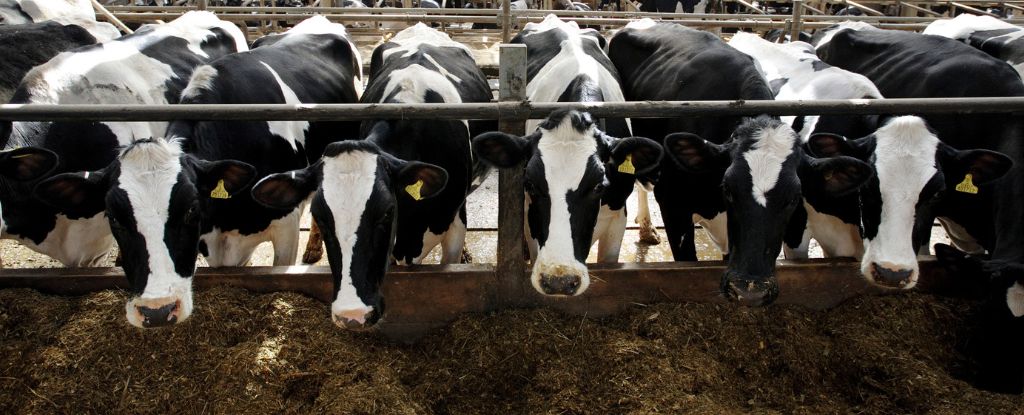
A new study from Iowa State University reveals that avian flu (H5N1) has infected dairy cows in the US, raising concerns about the potential for the virus to jump to humans. The virus was found in cow respiratory tissues and mammary glands, suggesting the milking process could spread the virus. While human infections have been minor, the virus shows signs of adapting to mammals, highlighting the need for further research and the importance of consuming pasteurized milk.
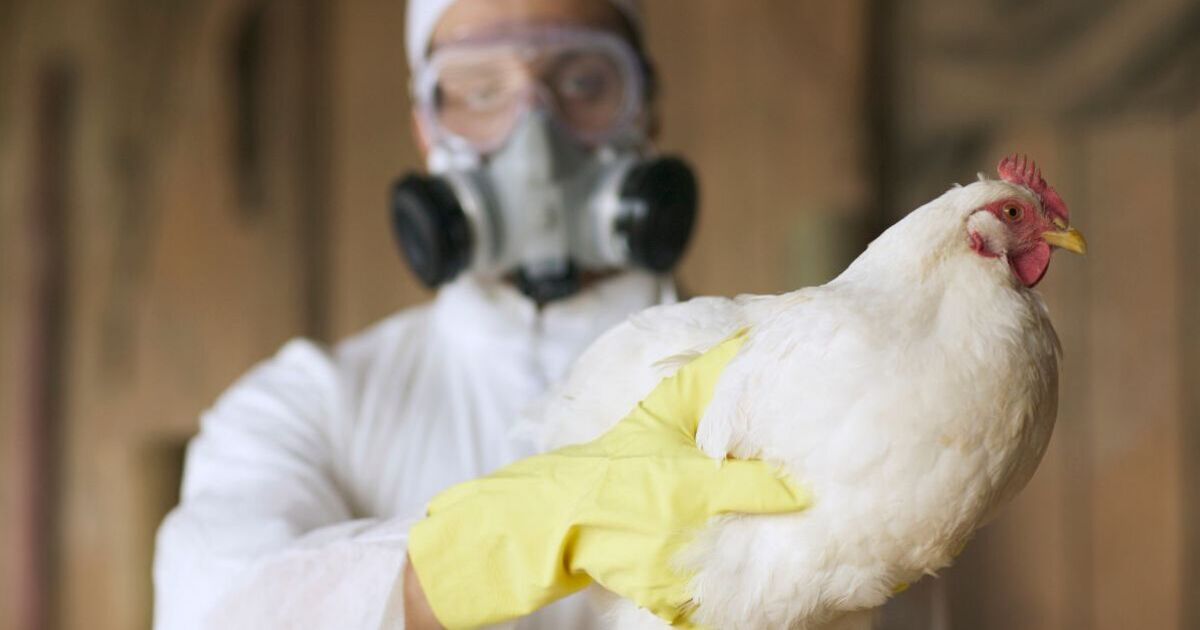
A 21-year-old student from Vietnam has died from a highly pathogenic strain of bird flu, H5N1, which has also been detected in the UK and the US. Close contacts are being monitored for symptoms, and Vietnam has recorded its first human case of the less deadly H9 avian flu. The UK Health Security Agency has issued guidelines to minimize contact with birds, while the RSPCA and Animal and Plant Health Agency have advised avoiding animal droppings and dead birds. Bird flu, which can infect humans, has a high mortality rate and poses a potential pandemic threat.
A human case of highly pathogenic H5N1 avian influenza has been reported in Texas, possibly contracted from infected cows, raising concerns about the potential danger of bird flu strains. While the risk to the public currently seems low, the history of avian influenza viruses sparking pandemics and the recent cases in livestock and humans warrant vigilance. The ongoing outbreaks in livestock, including cases in cows and goats, pose a potential risk of transmission to humans. However, preliminary genetic analysis has not shown mutations making the virus more capable of infecting mammals, and existing antivirals remain effective. While the situation is concerning, it's not yet a major human public health threat, but continued vigilance is necessary to prevent the potential for a serious human disease.
A study from University College London suggests that humans pass on more viruses to animals than they catch from them, highlighting the potential for human-to-animal virus transmission to spark health crises. The research analyzed tens of thousands of viral genomes and found that almost two-thirds of the samples were transmitted to animals via humans. This human-to-animal virus transmission could pose a conservation threat to species and impact food security. The study emphasizes the need to monitor and understand viral evolution to better prepare for future outbreaks and epidemics. The origins of the Covid-19 virus remain a subject of debate, with theories ranging from natural origins at a Wuhan market to a potential lab leak.
Research reveals that bird flu, or H5N1, has been rapidly spreading since 2020, impacting various non-avian species and resulting in 882 human cases across 23 countries with a worrying fatality rate of 52%. The virus's potential to adapt and infect more species raises concerns about a potential pandemic, prompting calls for urgent research and surveillance. Dr. Diana Bell emphasizes the need for a global overhaul of poultry farming practices to prevent future outbreaks and safeguard both animal and human health.
The World Health Organization (WHO) has issued a warning that cases of dengue fever could reach near-record highs this year, largely due to global warming favoring the mosquitoes that spread the disease. Dengue rates have been rising globally, with reported cases increasing eight-fold since 2000. WHO has declared dengue as the world's fastest-spreading tropical disease and a "pandemic threat." Approximately half of the world's population is now at risk. The disease has been found in new areas, including Sudan's capital Khartoum, Europe, and Peru. WHO estimates that there could be over 4 million cases this year, depending on the Asian monsoon season. A warmer climate, increased movement of goods and people, urbanization, and sanitation issues are contributing factors to the rise in cases.