Tag

Clade I

All articles tagged with #clade i

health2 months ago

Severe Mpox Cases Reported in California Amid Potential Local Spread

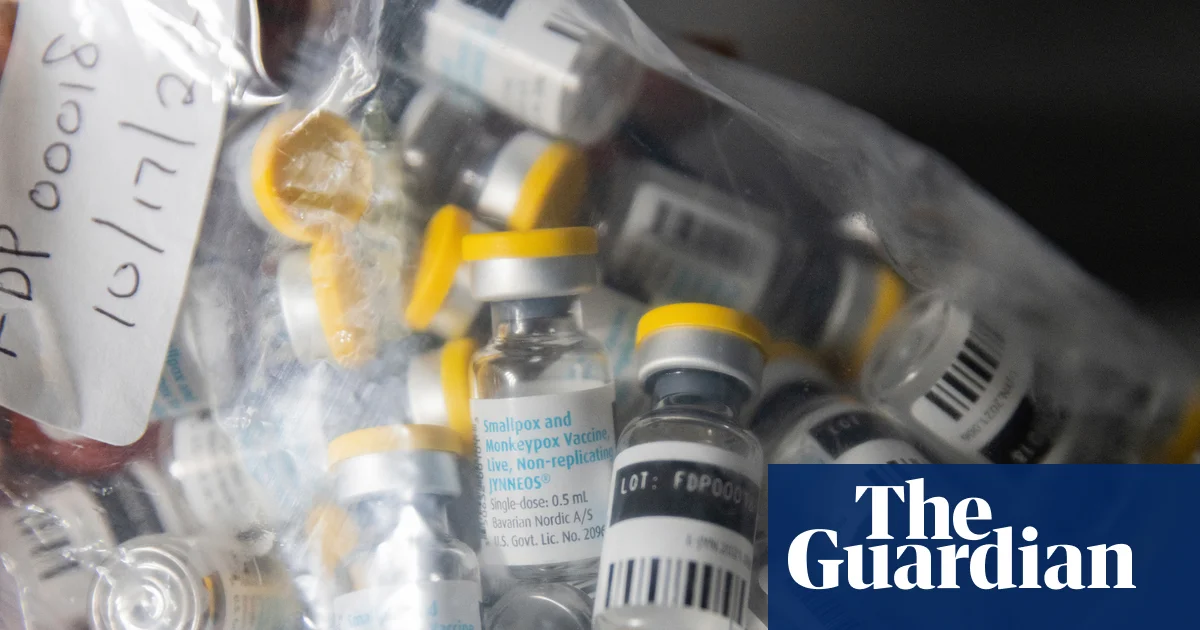
Three cases of severe clade I mpox, a more dangerous strain of monkeypox, have been reported in California, marking the first US spread of this type. All patients are hospitalized and recovering. The virus spreads through close contact, and vaccination with Jynneos can reduce severity, though it doesn't fully prevent infection. Health officials emphasize monitoring and vaccination to control the outbreak.
health2 months ago

L.A. County Reports First Local Case of More Severe, Easily Spread Mpox Strain

Two cases of a potentially more severe strain of mpox, known as Clade I, have been confirmed in Los Angeles County, marking the first detection of this strain in the U.S. among individuals with no recent travel history to high-risk areas. Clade I may cause more severe illness and spread more easily than the more common Clade II. Health officials emphasize continued surveillance, vaccination, and public awareness to manage the risk, which remains low for the general population.

health1 year ago

First U.S. Case of Severe Mpox Strain Detected in California

The CDC has issued a health advisory following the first confirmed case of clade I mpox in the U.S., detected in California. The patient, who recently traveled to an area with mpox transmission, is recovering with mild symptoms. The CDC emphasizes that the risk to the public remains low and advises clinicians to be vigilant in diagnosing and reporting mpox cases. Vaccination is recommended for those at risk, and public health systems are in place to manage potential cases. No additional U.S. cases have been reported as of November 18, 2024.

health1 year ago

New Mpox Variant Detected in U.S.: Key Facts and Concerns

A more severe variant of mpox, clade I, has been detected in the U.S. for the first time, involving a traveler from Africa. This variant is known to cause more severe illness than the clade II variants that spread globally in 2022. Despite its higher fatality rate, the risk to the U.S. public is currently considered low, with health officials monitoring the situation closely. Mpox is primarily transmitted through direct contact, and the individual in California is isolating and recovering. Vigilance is needed to prevent potential outbreaks.

health1 year ago

First Severe Mpox Strain Detected in U.S., California Reports Case

A more severe strain of mpox, known as clade I, has been detected in the U.S. for the first time, with a case confirmed in California. The patient contracted the disease after traveling from East Africa, where there is an ongoing outbreak. The CDC states that the strain poses a low risk to the general public, advising against close contact with infected individuals and recommending vaccination for those eligible. Mpox, previously known as monkeypox, is a zoonotic disease endemic to Central and West Africa.

health1 year ago

First U.S. Case of Severe Mpox Strain Detected in California

The first U.S. case of mpox clade I has been reported in California, but public health officials state the risk to the public is low. Mpox, formerly known as monkeypox, has two clades, with clade I historically causing more severe illness. The virus spreads through close contact and exposure to bodily fluids or contaminated objects. Preventative measures include avoiding contact with infected individuals and receiving the mpox vaccine. The infected individual recently traveled from eastern Africa and is currently in isolation.

health1 year ago

First U.S. Case of Severe Mpox Strain Detected in California

San Mateo County in California has reported the first U.S. case of the clade I mpox strain, according to the California Department of Public Health. Mpox, caused by the monkeypox virus, can lead to symptoms like rash, fever, and muscle aches. The CDC notes that mpox spreads through close contact, and advises vaccination and precautions to prevent transmission. Residents are encouraged to get vaccinated, avoid intimate contact if exposed, and follow hygiene practices to reduce the risk of spreading the virus.