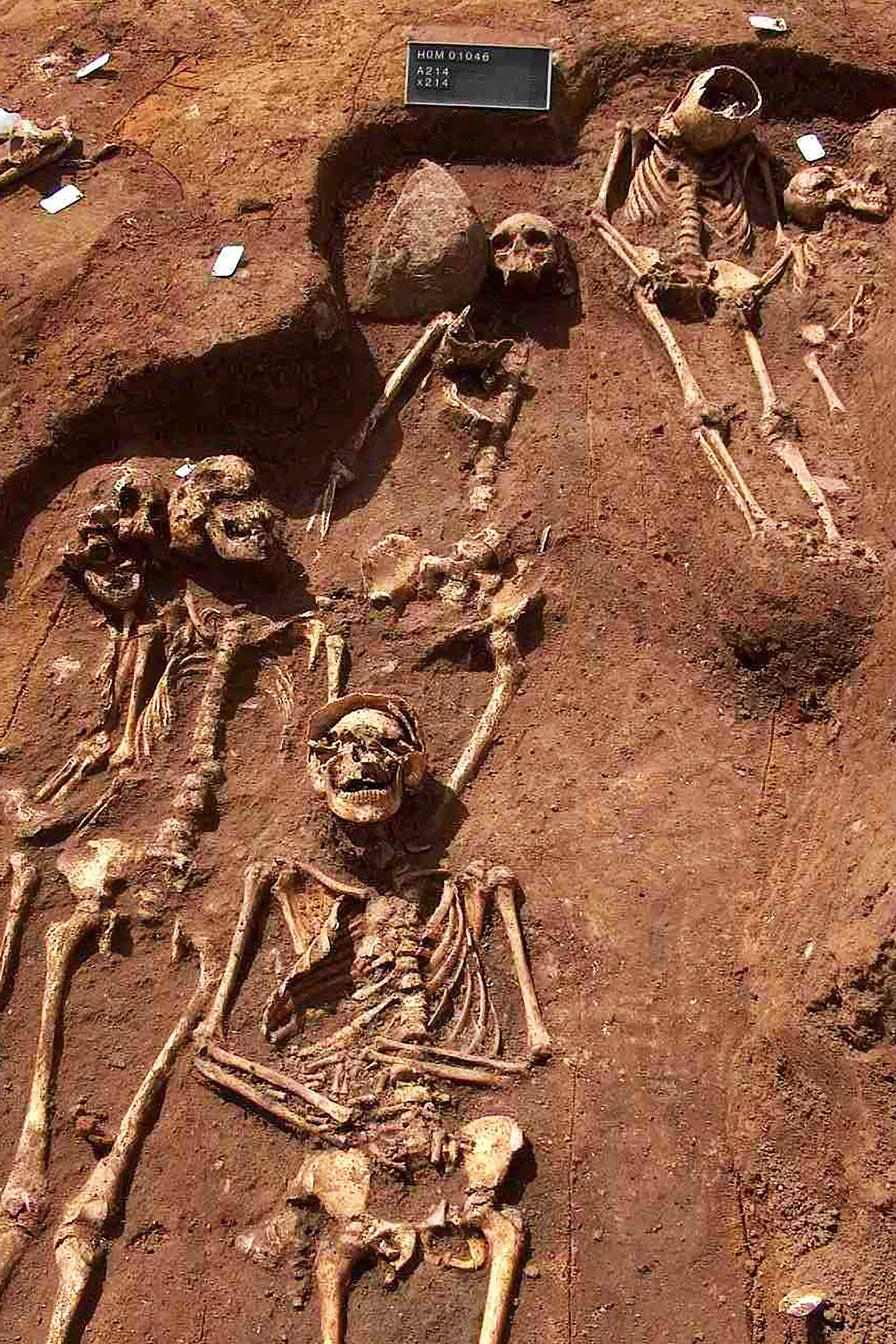
Research shows that the bacteria causing the plague evolved to become less deadly over three major pandemics, which helped extend their duration by allowing easier spread, providing insights into pathogen adaptation and potential future pandemic responses.
Experts warn that the next pandemic could be imminent and may arise from zoonotic disease spillovers or previously unknown viruses released due to climate change. Despite the need for preparedness, there is a lack of readiness globally, with concerns about infrastructure, healthcare systems, and public health measures. Vaccine rollouts and pandemic infrastructure improvements offer some hope, but the future response to a new pandemic remains uncertain.
A study analyzing nearly 12 million virus genomes found that humans give more viruses to animals than animals give to humans, with 64% of human-to-animal transmissions involving pets, domesticated animals, birds, primates, and wild animals. The study highlights the significant impact of humans on the environment and animals, emphasizing the potential for viruses to jump between different species through close contact. Zoonotic diseases, such as COVID-19 and bird flu, pose a major threat due to the lack of pre-existing immunity in host species, with many pathogens circulating in humans having been acquired from animals at some point in time.
Scientists studying Antarctic ice cores have found a connection between past levels of atmospheric carbon dioxide and global pandemics over the past 2,000 years. The Law Dome and West Antarctic Ice Sheet (WAIS) Divide ice cores show discrepancies in their measurements of CO2 levels, with the Law Dome core indicating a rapid decrease around 1610 CE, possibly due to human population decline and reforestation. However, a new study suggests a more gradual decline in CO2 levels, supporting the idea of large-scale land use changes following the New World-Old World contact. This research sheds light on the potential impact of historical pandemics on Earth's atmosphere and climate.
A study analyzing climatic conditions in southern Italy from 200 B.C.E. to 600 C.E. suggests that even mild climate changes can impact human health, with pandemic outbreaks in ancient Rome associated with cold snaps. The research reveals correlations between phases of climate change and episodes of acute health crises, emphasizing the potential impact of climate swings on human bodies, pathogens, and responses to pathogens. The study sheds light on the association between Rome's expansion and stable weather, the gradual decline of this pattern, and fluctuation in weather through the later Roman imperial period, culminating in the Late Antique Little Ice Age.
A team of geoscientists has discovered a link between cold snaps and pandemics during the Roman Empire by studying core samples from the seabed in the Gulf of Taranto. The researchers found that cold snaps, which occurred during the period 200 B.C. to 600 A.D., coincided with pandemics, suggesting that weakened immune systems due to the cold and food scarcity may have contributed to the spread of diseases. This study sheds light on the potential impact of climate change on societal health during ancient times.
New research suggests that cold snaps during the Roman era may have triggered devastating pandemics, with the three largest pandemics coinciding with abrupt and deep cold periods. The study, which analyzed sediment cores from the Gulf of Taranto, revealed climate variations between 200 B.C. and A.D. 600, linking specific cold periods to major pandemics such as the Antonine Plague and the Plague of Justinian. The correlation between cold climate phases and disease outbreaks highlights the potential impact of climate change on ancient societies and offers insights into the challenges faced by societies today.
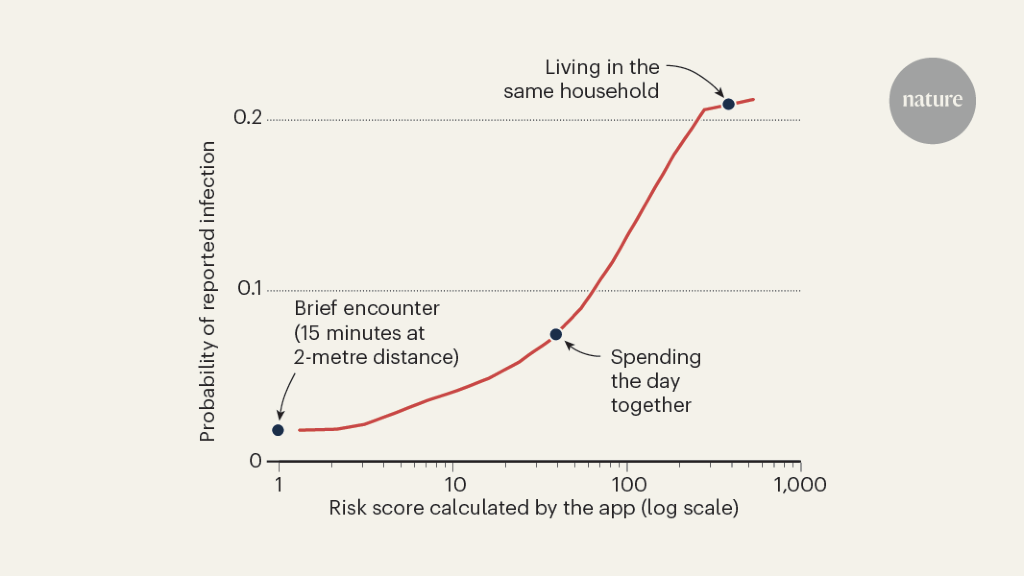
A smartphone app used for contact tracing has been found to accurately predict the risk of contracting COVID-19 and subsequently testing positive for the SARS-CoV-2 virus. This study highlights the effectiveness of digital contact tracing as a valuable tool in combating future pandemics, especially in a world where smartphone coverage is widespread.
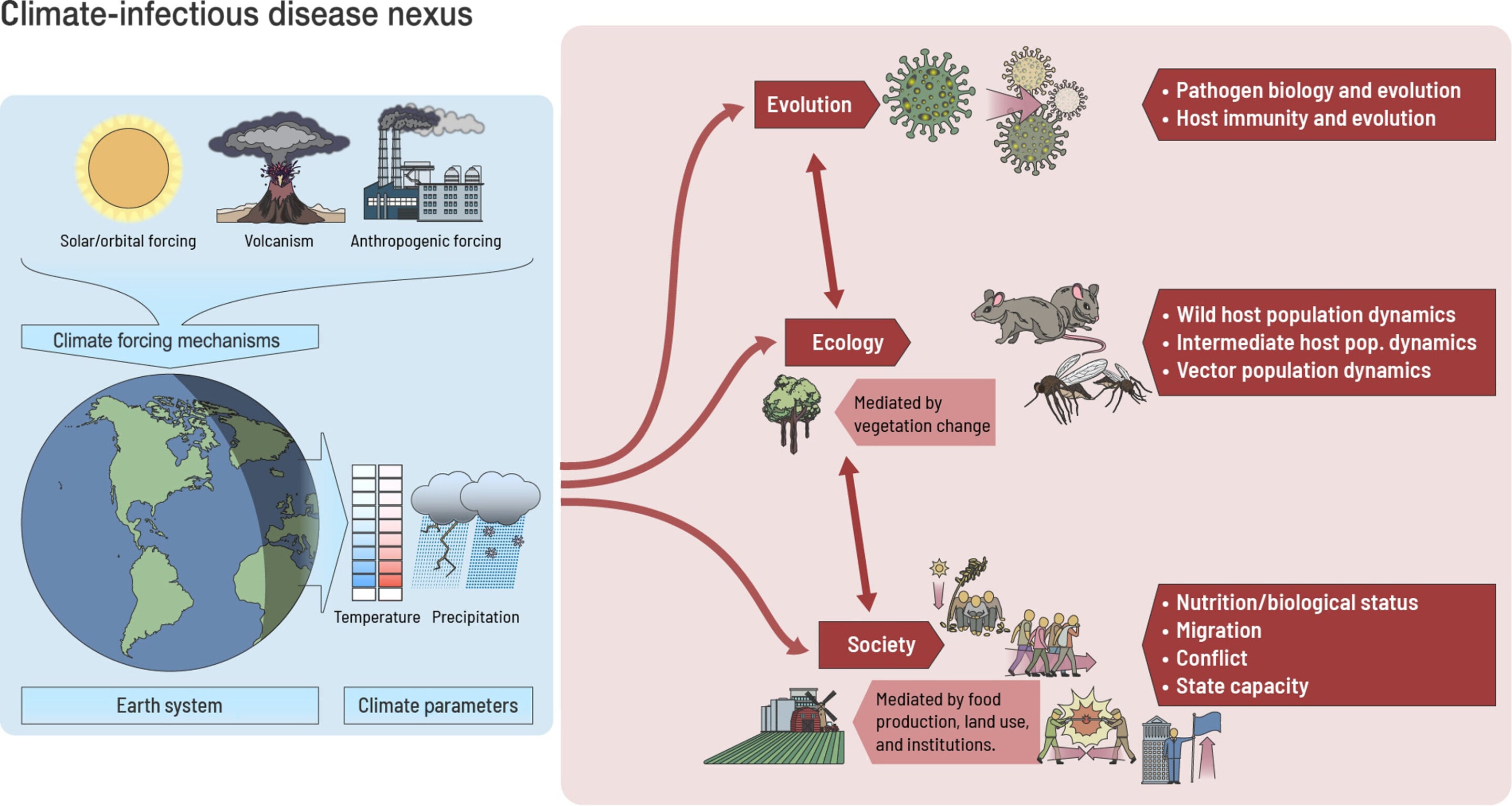
Scientists warn that a deadly 'Factor X' virus could be lurking in Earth's permafrost, which is filled with dormant microbial species. Climate change has increased the likelihood of releasing ancient diseases, including smallpox, as the planet continues to warm. Experts have identified six frozen pathogens that pose the biggest threat to humanity. In 2016, a heatwave in Siberia activated deadly anthrax spores, highlighting the dangers of melting permafrost. The Arctic could see ice-free summers by the 2030s, and the release of unknown, ancient pathogens could have disastrous effects.
In "Foreign Bodies," Simon Schama explores the history of pandemics and vaccines, focusing on the life of Waldemar Haffkine, a scientist who developed vaccines against cholera and the bubonic plague. While the book also touches on other outbreaks and includes excursions that detract from the main story, Haffkine's remarkable achievements and contributions to public health in India are highlighted. The book concludes with support for Anthony Fauci and an unexpected tribute to the Atlantic horseshoe crab's role in vaccine production.
Iran is proposing a harsh hijab law with longer jail terms and AI surveillance to identify violators; scientists have developed an AI application that can predict future pandemics by analyzing genetic sequences, infection rates, and mortality rates; travel scammers are using AI-generated guidebooks on Amazon to trick buyers with fake positive reviews, highlighting the need for stricter regulations; AI and machine learning have helped researchers discover potential senolytic molecules for age-related diseases; a UBS report praising OpenAI's ChatGPT has sparked an AI fever in Silicon Valley, with tech giants rushing to develop their chatbots, but the profitability and sustainability of generative AI remain uncertain.
Researchers from Kiel University and the Max Planck Institute for Evolutionary Biology have studied the genetic evolution of the plague pathogen, Yersinia pestis, by examining ancient and modern genomes. They discovered that a new genetic element, known as the YpfΦ prophage, was acquired by Y. pestis between the Middle Ages and the modern pandemic, which increased the virulence of the pathogen. This prophage produces a protein similar to toxins found in other pathogens, potentially contributing to the severity of the disease. The study highlights the importance of understanding the evolution of pathogens to detect new forms of diseases and prevent future pandemics.
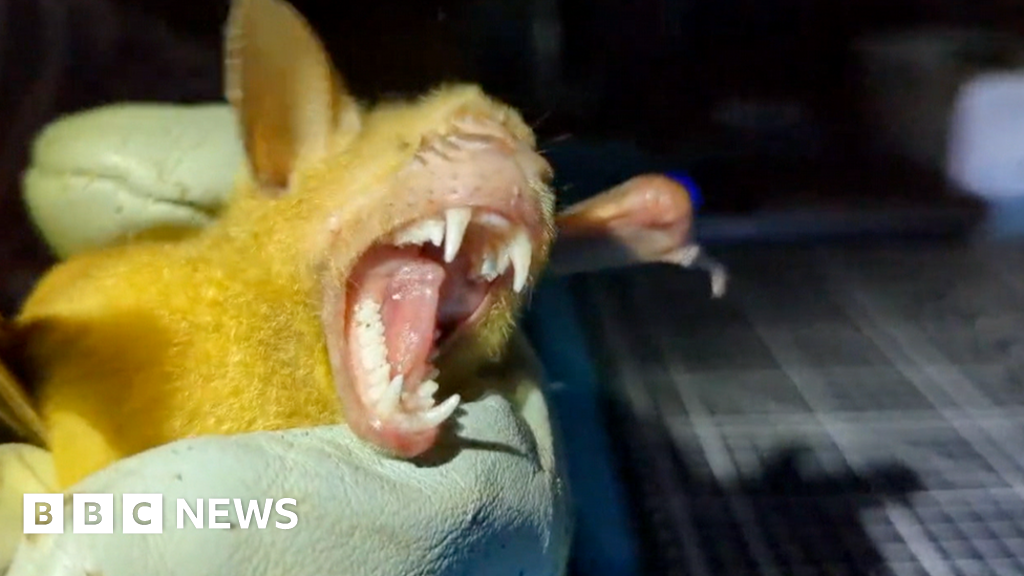
Scientists in Ghana are studying bats to gain insights into preventing future pandemics. The University of Ghana's veterinary school is part of an international effort called Bat OneHealth, which investigates how pathogens are transmitted between species. Researchers are testing bat droppings for viruses such as coronaviruses and paramyxoviruses, as well as superbugs resistant to antibiotics. Deforestation and encroachment into bat habitats are increasing the risk of zoonotic spillovers. The trade in bushmeat, including bats, is deeply rooted in local culture, making a total ban challenging. Understanding bats and their immune systems is crucial for global health.
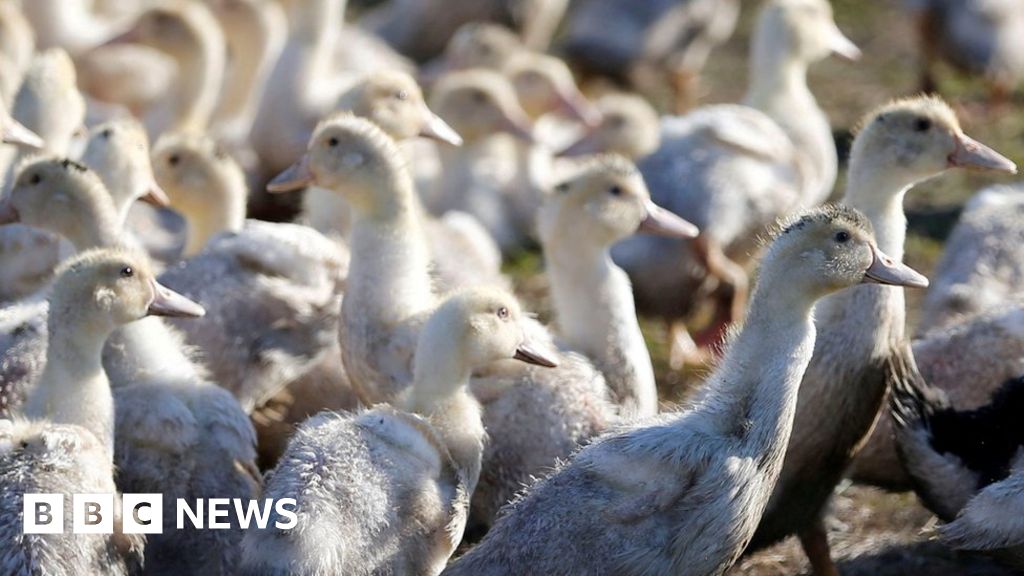
Scientists at the University of Glasgow have discovered a key defense mechanism in our bodies that blocks nearly all bird flu from invading. The research identified a section of our genetic code called BTN3A3, which becomes activated in response to infection and reduces the ability of bird flus to replicate. By analyzing the genetic code of circulating bird flus, researchers hope to predict which strains pose the biggest risk and implement targeted measures to control them. This discovery provides valuable insights into viral transmission between species and can inform public health planning.
Dr. Peter Hotez, dean of the National School of Tropical Medicine at Baylor College of Medicine, warns that COVID-19 is not a one-off and that pandemics and health threats will become part of the new normal. He stresses the need to address anti-vaccine rhetoric and other forms of misinformation, which contributed to the unnecessary deaths of more than 40,000 Texans and ultimately 200,000 Americans. Hotez also highlights the importance of preparing for future pandemics, including avian and zoonotic influenzas, tropical infectious diseases, and vector-borne diseases. He calls for a higher-level investment to develop countermeasures against these threats and to recognize disease as economic and security threats.