Tag

Universe Expansion

All articles tagged with #universe expansion

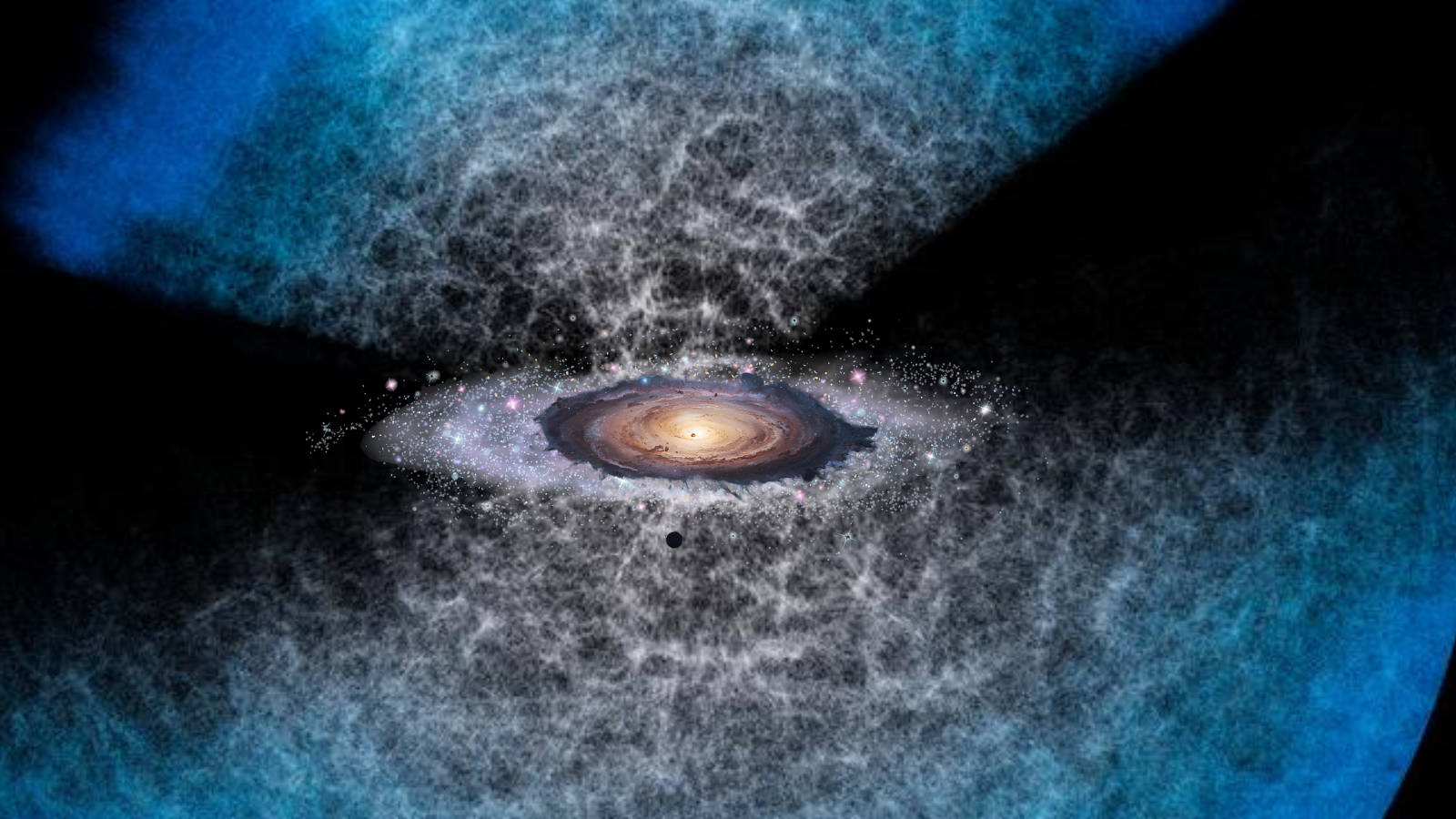
Understanding 'Gravitationally Bound' in an Expanding Universe

Originally Published 3 days ago — by Big Think

Featured image for Understanding 'Gravitationally Bound' in an Expanding Universe
Source: Big Think

The article explains what it means for objects to be gravitationally bound in an expanding universe, discussing how structures like stars, galaxies, and clusters are held together by gravity despite the universe's overall expansion, and explores how dark energy influences the future of these structures.
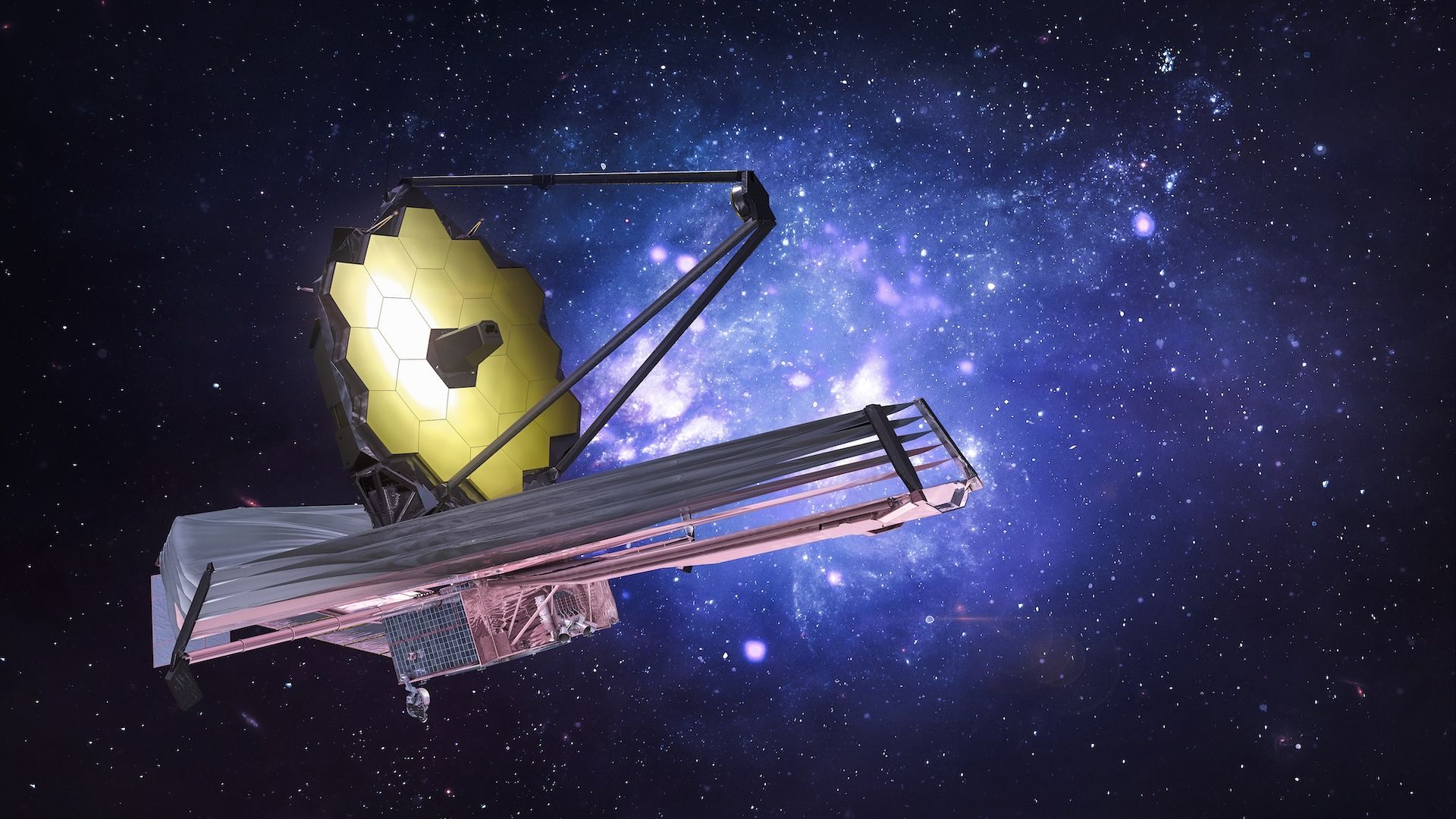
James Webb Space Telescope: A New Era in Cosmic Observation

Originally Published 18 days ago — by Live Science

Featured image for James Webb Space Telescope: A New Era in Cosmic Observation
Source: Live Science

Launched on December 25, 2021, the James Webb Space Telescope has significantly advanced our understanding of the universe by capturing detailed images of the early cosmos, confirming existing theories, and raising new questions about cosmic evolution, exoplanets, and black holes, despite initial delays and budget overruns.

NASA's Roman Telescope to Explore Cosmic Voids and Map the Milky Way

Originally Published 27 days ago — by NASA (.gov)

Featured image for NASA's Roman Telescope to Explore Cosmic Voids and Map the Milky Way
Source: NASA (.gov)

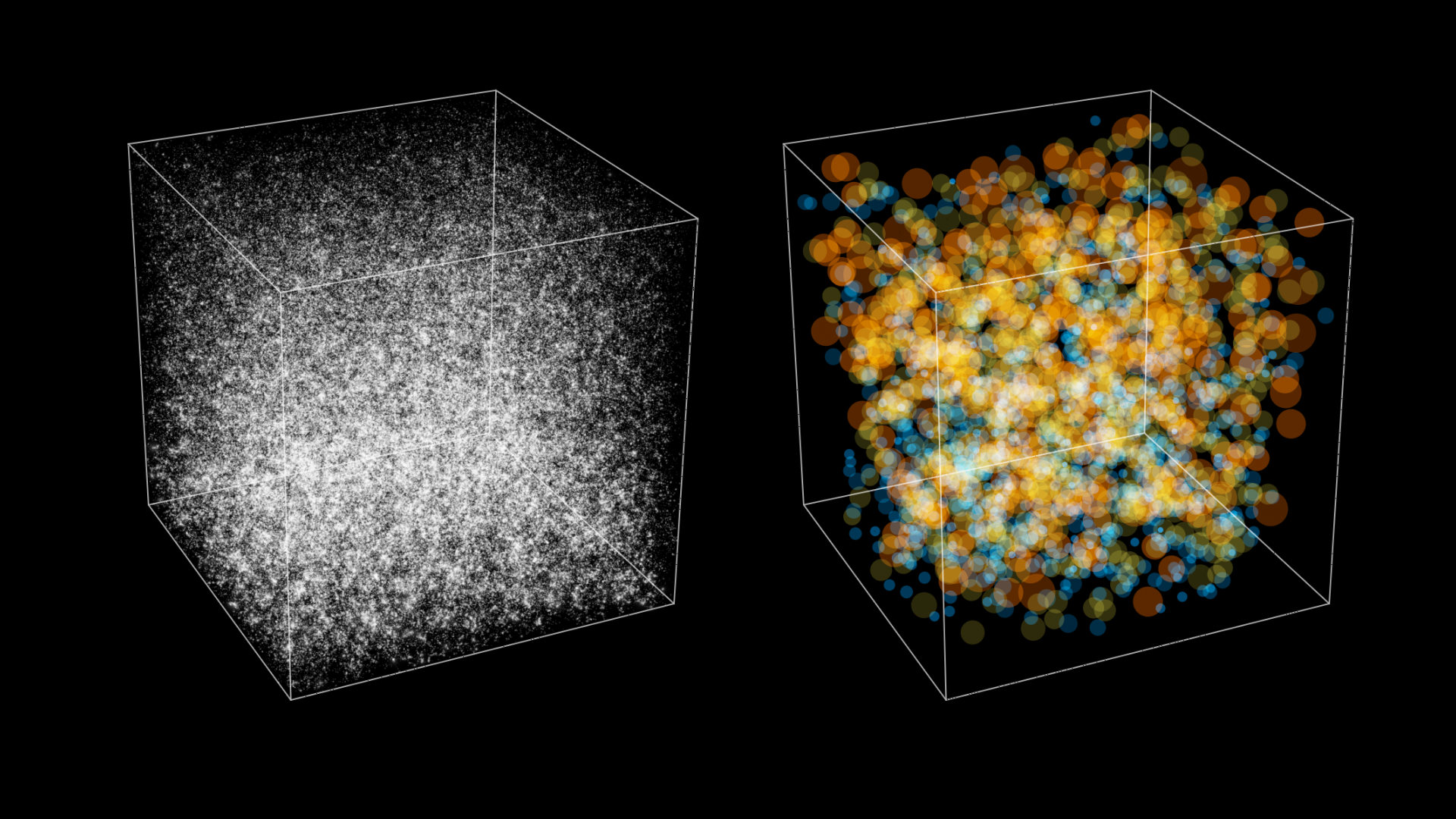
NASA's Nancy Grace Roman Space Telescope will map thousands of cosmic voids to better understand the universe's expansion and the nature of dark energy by observing the distribution and shapes of these vast, sparsely populated regions, which can reveal key insights into the universe's composition and evolution.

Universe's Expansion Is Now Slowing Down

Originally Published 2 months ago — by Hacker News

A recent study suggests that the universe's expansion is slowing down rather than accelerating, challenging the standard cosmological model and implying potential new physics or models like a cyclic universe. The findings focus on the impact of progenitor star age on Type Ia supernova luminosity, which could bias previous measurements of cosmic expansion. While intriguing, the results are met with cautious skepticism and require further validation with upcoming data.

Emerging Evidence Indicates Universe's Expansion Is Slowing, Challenging Dark Energy Theories

Originally Published 2 months ago — by Space

Featured image for Emerging Evidence Indicates Universe's Expansion Is Slowing, Challenging Dark Energy Theories
Source: Space

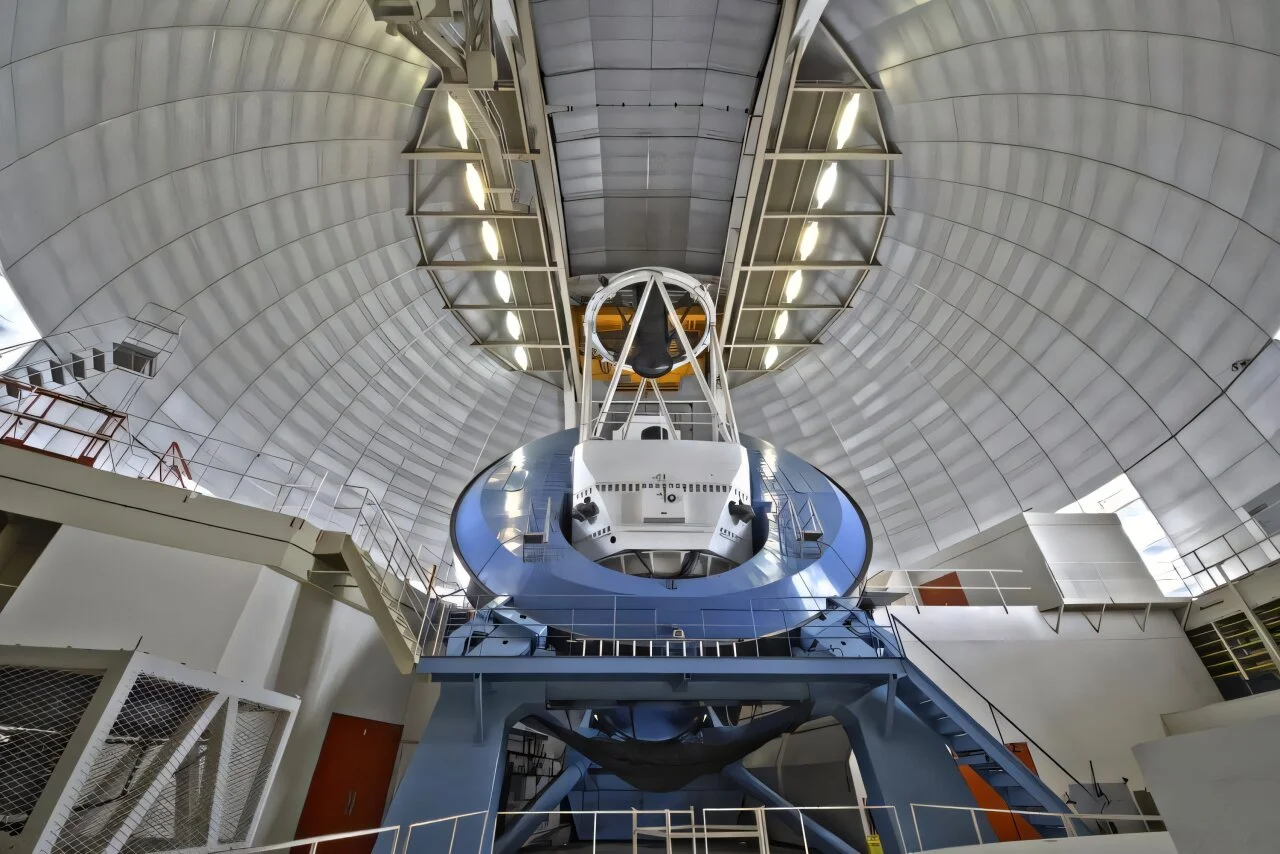
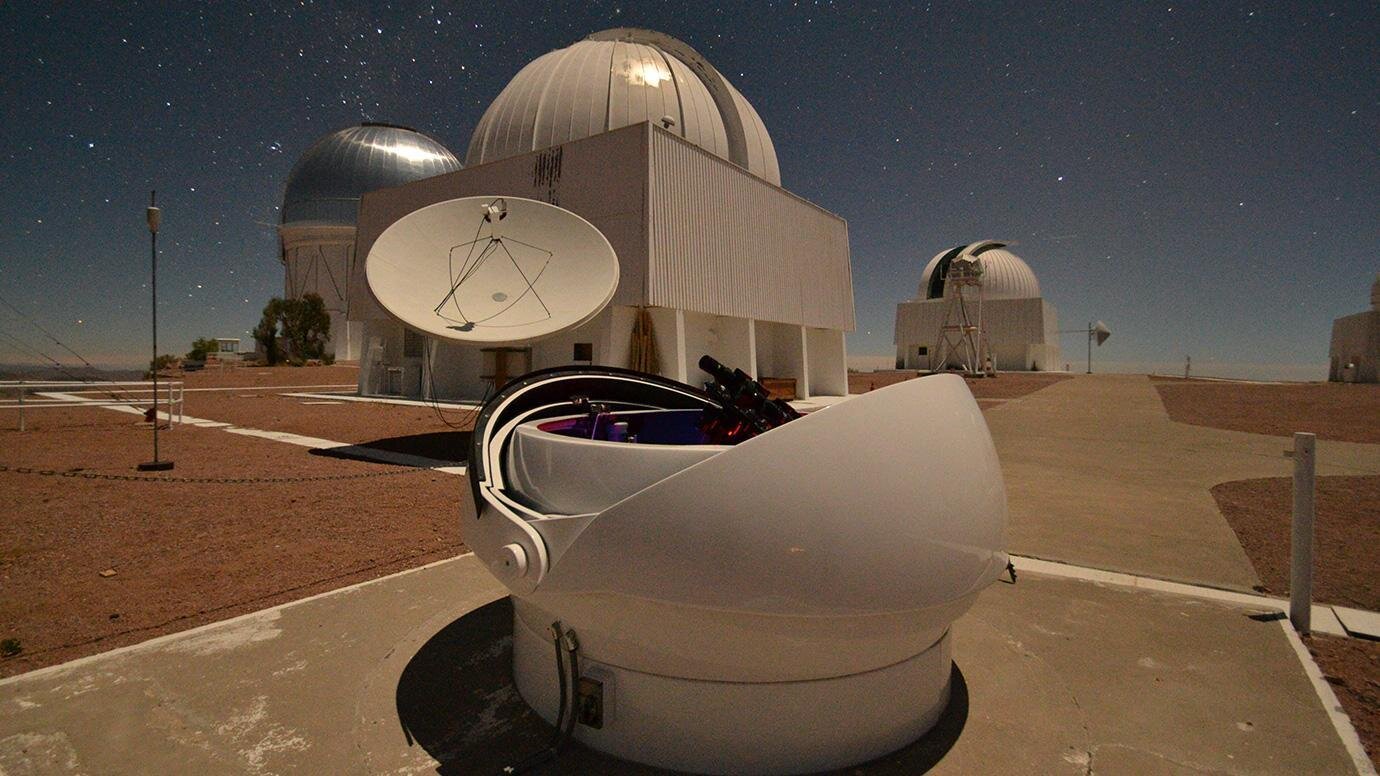
New research suggests that the universe's expansion may be slowing down and dark energy might not be accelerating it anymore, potentially marking a major shift in cosmological understanding. This conclusion is based on findings that challenge the standard model of dark energy, indicating the universe has already entered a phase of decelerated expansion, with future observations from the Vera C. Rubin Observatory expected to further test these results.

Emerging Evidence Indicates Universe's Expansion Is Decelerating

Originally Published 2 months ago — by Phys.org

Featured image for Emerging Evidence Indicates Universe's Expansion Is Decelerating
Source: Phys.org

A new study suggests that the universe's expansion is slowing down rather than accelerating, challenging the long-held belief that dark energy is causing an ever-increasing expansion rate. The findings indicate that dark energy may weaken over time, leading to a transition from acceleration to deceleration, which could significantly alter our understanding of the universe's past and future.

Potential Clues to the Pre-Big Bang Universe

Originally Published 2 months ago — by BBC Science Focus Magazine

Featured image for Potential Clues to the Pre-Big Bang Universe
Source: BBC Science Focus Magazine

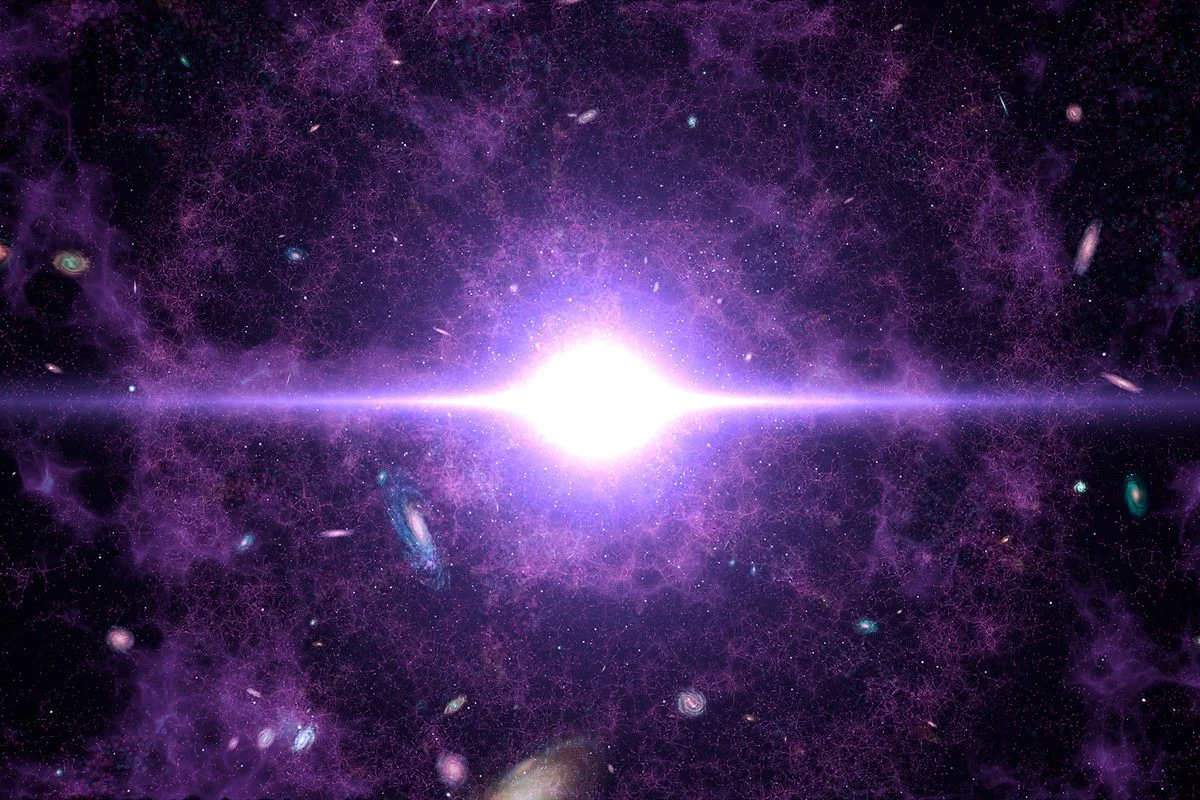
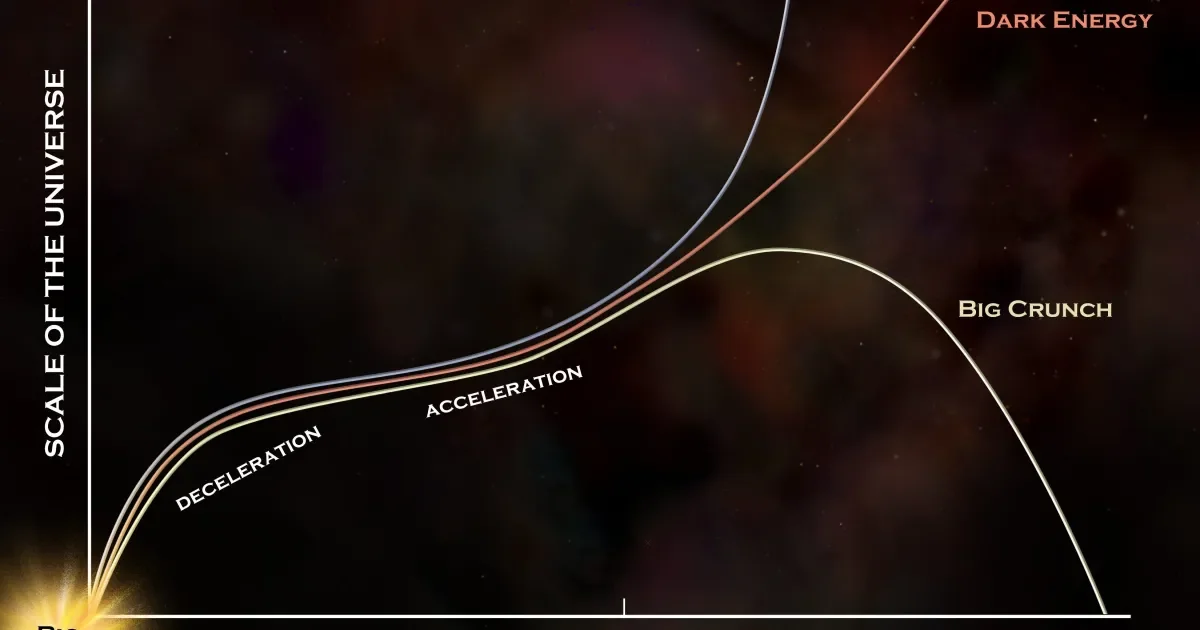
Recent cosmological research suggests that understanding the universe's ultimate fate—whether it will end in a Big Crunch, Big Freeze, or a cyclical Big Bounce—could provide insights into what preceded the Big Bang, especially with new evidence indicating that dark energy may not be constant but evolving over time, possibly involving particles called axions that influence cosmic expansion.

New Theory Explores Why the Universe's Expansion Accelerates

Originally Published 2 months ago — by Earth.com

Featured image for New Theory Explores Why the Universe's Expansion Accelerates
Source: Earth.com

A new study proposes that the universe's accelerating expansion can be explained by a modified geometry of spacetime, called Finsler geometry, without invoking dark energy, by allowing measurements to depend on direction and velocity, which could reshape our understanding of cosmic dynamics.

Advancements in Gravitational Wave Research Uncover Record Black Hole Collisions

Originally Published 4 months ago — by Space

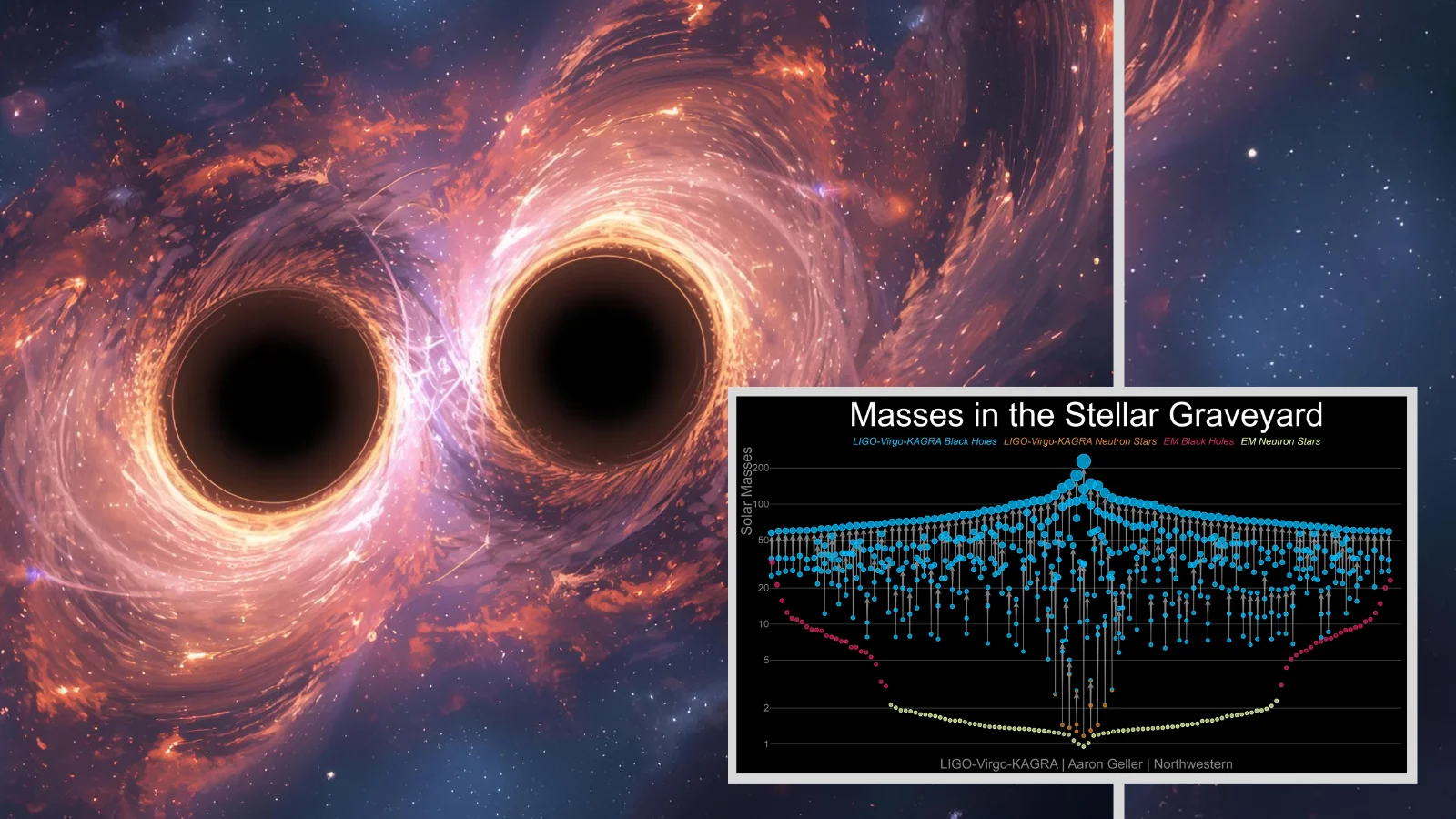
Featured image for Advancements in Gravitational Wave Research Uncover Record Black Hole Collisions
Source: Space

Using gravitational wave detectors LIGO, Virgo, and KAGRA, scientists have identified a 'stellar graveyard' filled with mergers of black holes and neutron stars, including the heaviest black holes observed to date, which enhances understanding of stellar evolution and the universe's expansion rate. The data also tests Einstein's theory of gravity and improves measurement of the Hubble Constant.

Astronomers suggest Earth may lie in a vast cosmic void

Originally Published 4 months ago — by BBC Sky at Night Magazine

Featured image for Astronomers suggest Earth may lie in a vast cosmic void
Source: BBC Sky at Night Magazine

Astronomers suggest Earth and our galaxy may reside in a giant cosmic void, which could explain discrepancies in measurements of the universe's expansion rate, potentially solving the long-standing Hubble tension, though this idea remains controversial within the scientific community.

Recent Data Suggests We Reside in a Vast Cosmic Void

Originally Published 4 months ago — by SciTechDaily

Featured image for Recent Data Suggests We Reside in a Vast Cosmic Void
Source: SciTechDaily

Recent research suggests we may live in a large cosmic void with fewer galaxies, which could explain the faster-than-expected expansion rate of the universe known as the Hubble tension. The study uses baryon acoustic oscillations to support the void hypothesis, indicating that our local universe might be expanding more quickly due to residing in a low-density region, challenging the standard cosmological model.

Unveiling the Universe's Mysteries: Dark Matter and Dark Energy Explored

Originally Published 4 months ago — by Big Think

Featured image for Unveiling the Universe's Mysteries: Dark Matter and Dark Energy Explored
Source: Big Think

Recent evidence suggests that dark energy, previously thought to be a constant, may actually be evolving over time, but the data is still inconclusive and interpretations vary among scientists. The debate revolves around whether dark energy is changing, which could impact our understanding of the universe's expansion, or if current measurement discrepancies are due to errors or biases. Future missions are expected to clarify whether dark energy is indeed dynamic or remains a cosmological constant.